Honestly, if I see one more influencer claiming you need a specialized, $300 “maternity ritual” to keep your glow, I might actually lose it. There is so much unnecessary noise out there telling you that your entire vanity needs to be replaced the second you see a positive test, and frankly, it’s exhausting. When it comes to skincare for pregnancy, the industry loves to manufacture panic so they can sell you more bottles. But here is the truth: your skin is going through enough hormonal shifts without you adding the stress of a twenty-step routine or a massive price tag to the mix.
I’m not here to sell you on a lifestyle overhaul or a collection of overpriced, “pregnancy-safe” gimmicks. My goal is to help you cut through the marketing fluff and focus on what actually matters for your skin right now. I’ll be sharing my honest, science-backed approach to keeping things simple and effective, focusing on gentle ingredients that won’t compromise your health or your sanity. Let’s just find a way to make your routine a moment of peace, rather than another overwhelming chore on your to-do list.
Table of Contents
Gentle Pregnancy Acne Solutions for Restful Evenings
If you’re dealing with those sudden, frustrating breakouts, please know you aren’t alone. Hormonal shifts can be a total rollercoaster, and sometimes your skin just decides to rebel right when you’re trying to settle into a rhythm. Since most traditional acne treatments are a no-go right now, I’ve been leaning heavily into pregnancy acne solutions that focus on soothing inflammation rather than stripping the skin bare. I personally love using a gentle, milky cleanser followed by a calming niacinamide serum; it helps keep the redness down without making my face feel tight or uncomfortable.
When it comes to your nighttime ritual, the goal is to calm the skin so you can actually get some rest. Since we have to skip the usual heavy-duty actives, I’ve been searching for effective pregnancy safe retinol alternatives like bakuchiol. It’s a total game-changer for keeping texture smooth without the harsh side effects. I like to keep my evening routine minimal—just a few purposeful steps that feel like a warm hug for my face. It’s about finding that sweet spot between being effective and being incredibly kind to your changing skin.
Safe Skincare for Morning Sickness Relief
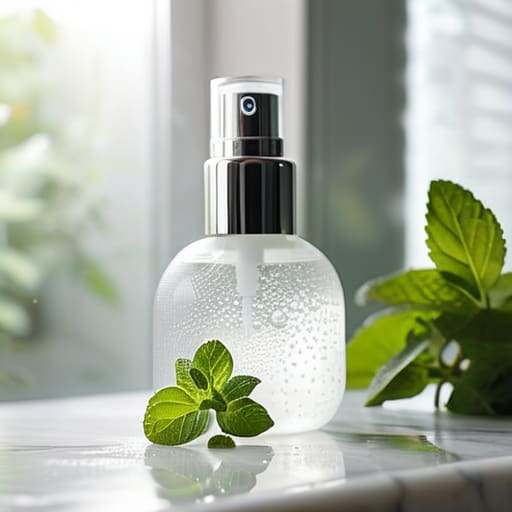
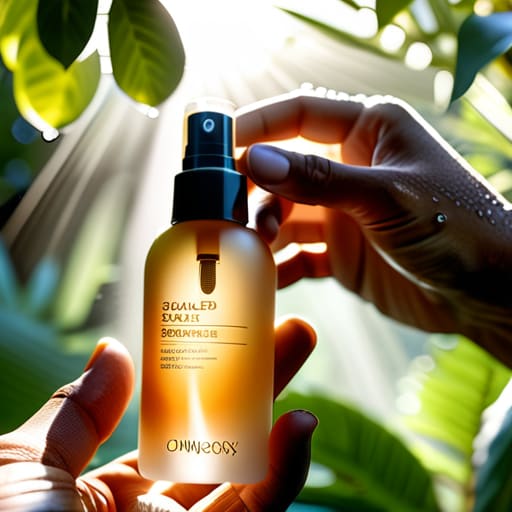
Let’s be real: some mornings, even the smell of my favorite facial cleanser feels like a personal attack. When you’re dealing with nausea, the idea of a multi-step routine feels less like “self-care” and more like a mountain you just can’t climb. My advice? Lean into simplicity. Focus on safe skincare for morning sickness by choosing products with very light, clean scents—or better yet, fragrance-free options. If the thought of a heavy cream makes you feel queasy, try a lightweight, cooling facial mist or a simple gel moisturizer. Keeping things minimal helps you stay hydrated without triggering that “I need to lie down immediately” feeling.
I’ve learned that when your senses are heightened, less is always more. Instead of forcing a complex regimen, I prioritize soothing, non-toxic prenatal beauty products that feel gentle on both my skin and my stomach. If you’re feeling particularly sensitive, don’t feel guilty about skipping the extra steps. A quick splash of cool water and a basic, scentless moisturizer is a total win. We’re aiming for comfort here, not perfection.
Small Shifts for a Stress-Free Glow
- Prioritize hydration over heavy actives. Since your skin might be feeling more sensitive or reactive lately, I’ve learned that a really good, simple hyaluronic acid serum can do way more for your glow than a harsh exfoliating acid ever could.
- Swap out the retinoids for bakuchiol. I know, I know—we all love our vitamin A, but it’s time to put those bottles away for a few months. Look for bakuchiol instead; it gives you those similar smoothing benefits without the safety concerns.
- Don’t skip the SPF, even if you’re staying indoors. Pregnancy hormones can make you way more prone to pigmentation (hello, melasma!), so wearing a gentle mineral sunscreen every single morning is my non-negotiable.
- Listen to your skin’s “mood.” Some days your barrier might feel fine, and other days it might feel tight and itchy. If you’re having a rough skin day, strip your routine back to just a creamy cleanser and a basic moisturizer. Less is more.
- Keep your routine ritualistic, not a chore. When you’re dealing with the fatigue of pregnancy, don’t force a ten-step process. Just pick three products that make you feel pampered and call it a win. Your peace of mind matters just as much as your skin.
My Golden Rules for Pregnancy Skincare
Focus on soothing, rather than stripping; your barrier is already working overtime, so swap those harsh acids for gentle, hydrating ingredients that won’t cause irritation.
Listen to your body’s changing cues—if a product that worked last month suddenly feels too heavy or smells too strong, it’s okay to pivot and simplify.
Prioritize consistency over complexity; a few reliable, safe staples are much more effective for your skin (and your sanity) than a cluttered shelf of unproven actives.
## Finding Your Calm
“Pregnancy is already a massive transition for your body; your skincare routine shouldn’t be another source of stress or a list of ingredients you’re afraid to touch. Let’s stop chasing perfection and start focusing on gentle, soothing rituals that make you feel like yourself again.”
Neha Rajagopal
Finding Your Balance
At the end of the day, navigating skincare changes during pregnancy is all about listening to what your body is actually telling you. We’ve talked about how to manage those frustrating breakouts without harsh actives, and how to keep things soothing when morning sickness makes even the simplest routine feel like a mountain to climb. Whether you are swapping out your usual retinols for something gentler or just trying to find a moisturizer that doesn’t trigger nausea, remember that consistency beats complexity every single time. You don’t need to overhaul your entire vanity to see results; you just need to focus on protecting your skin barrier and staying hydrated while your hormones do their thing.
I know how overwhelming it can feel when your skin suddenly starts acting like a stranger, especially when you’re already managing so much else. But please, try to be kind to yourself during this transition. Your skin is doing incredible work right now, supporting a whole new life, and it deserves a little extra grace. Treat your evening routine as a small sanctuary of peace rather than another item on your endless to-do list. You are doing a beautiful job, mama, and your glow will come from the inside out, regardless of which products you choose to use.
Frequently Asked Questions
I know some ingredients are off-limits, but are there specific actives like Vitamin C or Retinol that I should definitely swap out right now?
This is where things get a little tricky, but don’t panic. The biggest one to pause on is Retinol; it’s a powerhouse, but definitely skip it for now. I’d also suggest swapping out high-strength Salicylic Acid for something gentler like Azelaic Acid. As for Vitamin C? You’re actually good to go there! It’s a lovely, safe way to keep that glow without any stress. Just focus on soothing, stable ingredients for a while.
My skin feels extra sensitive lately—how do I know if I'm actually reacting to a product or if it's just pregnancy hormones?
It’s such a tricky line to walk, isn’t it? Honestly, it’s often a mix of both. Hormones can definitely make your skin feel more reactive and “unpredictable,” but if you’re seeing localized redness, stinging, or tiny bumps right where you applied a new serum, that’s likely a direct reaction. My rule of thumb? If it stings or stays red, strip it back to the basics immediately. Let’s focus on soothing, not troubleshooting.
Is it worth sticking to my usual routine, or should I completely strip everything back to the basics until after I give birth?
Honestly, you don’t need to throw everything away. If your current routine isn’t causing irritation and the ingredients are safe, there’s no reason to strip it back to zero. However, if you’re feeling extra sensitive or overwhelmed, simplifying is a great way to reclaim that sense of peace. I usually suggest keeping your core essentials—cleanser, moisturizer, and SPF—and just pausing any high-strength actives. Listen to your skin; it’s the best guide you have.