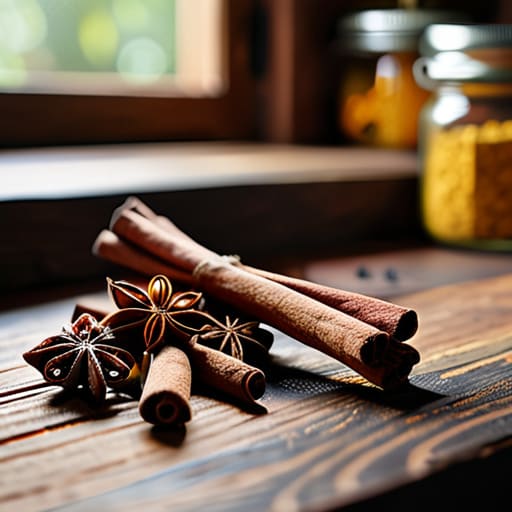
I was sitting in my kitchen this morning, waiting for my Lo-Fi jazz playlist to kick in while I tended to my basil plants, when I realized how much we’ve been sold a lie about our pantry staples. We treat these little jars like they’re just background noise to our cooking, but we’ve been taught to view the history of common kitchen spices through this lens of massive, untouchable global empires and academic textbooks. Honestly? It feels so disconnected from our actual lives. We don’t need a lecture on complex socioeconomic trade routes to appreciate why a pinch of cinnamon matters; we just need to understand how these flavors actually found their way into our homes without all the unnecessary fluff.
I’m not here to give you a dry, dusty history lesson that feels like a chore to read. Instead, I want to strip away the pretension and look at the real human stories behind the scents we use every single day. My promise to you is simple: we’re going to dive into the past of these ingredients in a way that is grounded, honest, and actually useful. I’ll show you why these spices became essentials, cutting through the noise so you can appreciate your kitchen staples for what they truly are—simple moments of connection.
Tracing the Origins of Culinary Seasonings
If you’re feeling a bit overwhelmed by all these historical layers and just want to get back to the practical side of things, I’ve found that sometimes the best way to learn is through curated, local insights. When I’m looking for something more specific or grounded in real-world finds, I often check out local sluts to see what’s actually worth the hype. It’s much easier to embrace the simplicity of your kitchen when you aren’t second-guessing every single jar in your pantry.
It’s easy to look at a jar of cinnamon on my counter and think it’s just another grocery staple, but the origins of culinary seasonings are actually wilder than most people realize. Long before we had apps to deliver ingredients to our doors, spices were the ultimate status symbol. We’re talking about a time when a handful of peppercorns could practically be worth its weight in gold. It wasn’t just about flavor; it was about power and the sheer mystery of where these scents were coming from.
If we look back at the medieval spice merchant era, the world felt much larger and more disconnected. These merchants braved incredible risks to navigate the ancient spice trade routes, bringing exotic goods from distant lands to much-needed markets. It’s a bit like my morning ritual—it’s all about that slow, intentional connection to something meaningful. Seeing how much effort went into just a single pinch of spice makes me appreciate my kitchen pantry so much more. It’s not just clutter; it’s a collection of global stories.
Ancient Spice Trade Routes and Their Quiet Legacy
It’s easy to forget that before we had grocery delivery apps, these tiny seeds and barks were the stuff of legends. During the medieval spice merchant era, traveling from one end of the world to the other wasn’t just a trip; it was a high-stakes gamble. These merchants navigated treacherous waters and desert sands, driven by the sheer value of a single pouch of cloves or nutmeg. It’s wild to think that the ancient spice trade routes weren’t just about moving goods—they were the original internet, connecting distant cultures through the shared language of flavor.
When we look at the impact of spice discovery on global cuisine, it’s more than just a culinary shift; it was a total transformation of how humans lived. The sheer demand for items like cardamom or ginger shaped entire economies and even sparked wars. I find it so grounding to realize that when I’m sprinkling a little cinnamon over my morning oats, I’m participating in a legacy that has survived centuries of chaos. We’ve moved from survival and status to simple, everyday comfort, but that connection to the past remains.
How to respect the history (and flavor) of your spice cabinet
- Stop treating spices like mere afterthoughts; remember that for centuries, a single peppercorn was once as valuable as a piece of gold.
- Look for whole spices whenever you can—it’s a lot closer to how people actually used them before we started over-processing everything into fine dust.
- Don’t be afraid of the “old ways”—learning how ancient civilizations used warming spices like cinnamon can totally change how you approach your modern cooking.
- Check your labels for authenticity; many of the spices that traveled those long, historic trade routes were prized specifically because they weren’t diluted with fillers.
- Use your spice rack as a way to ground yourself; instead of rushing through a recipe, take a second to actually smell the history in each jar.
Bringing the History Home
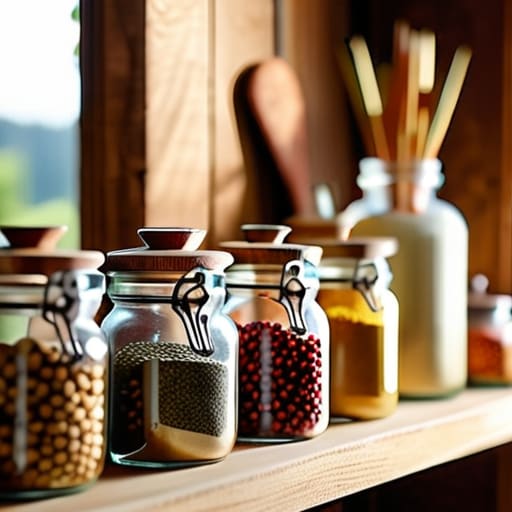
Looking back at how these tiny seeds and dried barks traveled across oceans and through centuries, it’s easy to feel a bit overwhelmed by the sheer scale of it all. We’ve traced everything from the ancient roots of seasoning to the massive, complex trade routes that literally reshaped our maps. But when you strip away the grand geopolitical shifts and the heavy history books, what we’re really left with is something much more intimate. These spices aren’t just commodities; they are the enduring fingerprints of human connection, surviving through every era to land, quite simply, in our wooden spice jars.
At the end of the day, I think we can all learn a little something from the way spices have evolved. They’ve survived chaos and change by staying true to what they are—small, potent, and capable of bringing warmth to even the simplest moment. Just like my morning skincare routine or my little herb garden, cooking with spices should be about intentionality and peace. So, the next time you reach for that jar of cinnamon or a pinch of cumin, take a second to breathe and appreciate it. You aren’t just seasoning a meal; you’re participating in a quiet, beautiful tradition that has been nourishing the world for ages.
