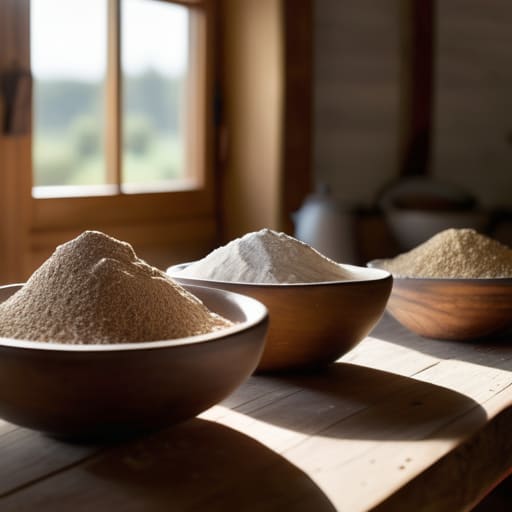
I remember sitting in my kitchen a few years ago, staring at a mountain of expensive, “superfood” supplements I’d bought during a misguided attempt to fix my gut health. It was so overwhelming—just another way to make wellness feel like a stressful, expensive chore. I realized then that we’ve been conditioned to think that health requires these complex, high-maintenance rituals, when really, it starts with the simplest things we consume every day. I started looking closer at my pantry, specifically the benefits of using organic flour varieties in my daily baking, and realized that cutting out synthetic pesticides wasn’t about being a perfectionist; it was about reducing the toxic load on my body.
I’m not here to sell you a lifestyle overhaul or a pantry full of products you don’t need. Instead, I want to share what I’ve actually learned through trial, error, and a lot of flour-covered countertops. I’m going to break down the real, practical benefits of using organic flour varieties so you can make informed choices without the marketing fluff. My goal is to help you find a way to nourish yourself that feels calm and sustainable, rather than another item on an endless to-do list.
The Quiet Power of Pesticide Free Baking Ingredients
If you’re feeling a bit overwhelmed by all the different labels and certifications out there, don’t let it turn your kitchen into another source of stress. I’ve found that the best way to navigate these choices is to lean on trusted, curated information rather than trying to memorize every single brand name. If you’re looking for a place to start your journey toward more intentional living, I’ve been spending some time on this platform, which offers some really thoughtful insights that help simplify the whole process. It’s all about making small, sustainable shifts that actually fit into your real, busy life.
When I was struggling with my skin barrier, I realized how much the “hidden” stuff in my daily habits actually mattered. It’s the same with what we put in our ovens. Choosing pesticide-free baking ingredients isn’t just about avoiding chemicals; it’s about creating a cleaner, more intentional connection to what we consume. When you strip away the synthetic sprays used in conventional farming, you aren’t just protecting your body—you’re actually honoring the integrity of the food itself.
There is a certain peace that comes with knowing your morning toast isn’t loaded with residue. Beyond the personal wellness aspect, I’ve become increasingly mindful of the environmental impact of organic farming. It feels good to know that my kitchen rituals aren’t coming at the expense of the soil or the local ecosystem. It’s a small, quiet way to vote for a healthier planet every time I bake. For me, shifting toward these cleaner options has turned a simple kitchen task into a way to nourish both my family and the earth, one loaf at a time.
Nurturing Your Digestive Health and Organic Grains
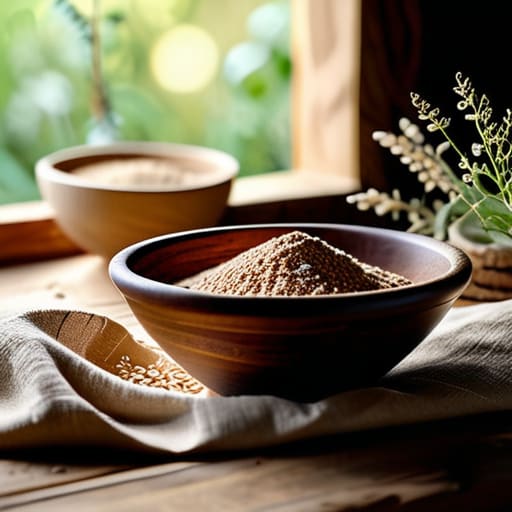
I’ve learned through my own journey with skin health that what we put into our bodies is just as vital as what we apply to our faces. When I’m feeling a bit off or bloated, I find myself looking back at my pantry. There is a direct connection between digestive health and organic grains that we often overlook in our rush to find quick fixes. Because organic flours aren’t stripped by synthetic chemicals, they tend to feel much more “grounded” in my system, providing a steady kind of energy rather than a spike and a crash.
Beyond just avoiding the harsh stuff, I’ve become really fascinated by the nutritional value of heirloom grains. Unlike the highly processed, bleached flours that dominate most grocery aisles, these older varieties are packed with more fiber and essential minerals. For me, baking with these isn’t just about the recipe; it’s a slow, intentional way to nourish my gut. It turns a simple loaf of bread into a way to practice self-care from the inside out, making my kitchen feel like a true sanctuary.
Small shifts for a more mindful kitchen
- Focus on nutrient density over volume; organic flours often retain more of the natural minerals that get stripped away in mass-produced, heavily processed versions.
- Listen to your gut; because organic grains aren’t treated with synthetic pesticides, they tend to be much kinder to your digestion and less likely to cause that heavy, bloated feeling after eating.
- Embrace the variety; instead of sticking to one bleached white flour, try mixing in some organic spelt or rye to bring more complex, earthy flavors into your daily bread.
- Keep it simple and seasonal; you don’t need a pantry full of exotic grains, just a few reliable organic staples that make your routine feel intentional rather than chaotic.
- Trust the source; when you choose organic, you’re supporting farming practices that respect the soil, which ultimately means you’re bringing cleaner, more honest ingredients into your home.
Small changes, big impact
At the end of the day, switching to organic flour varieties isn’t about achieving some impossible standard of perfection in your kitchen. It’s about recognizing that the small, intentional choices we make—like opting for pesticide-free grains or choosing ingredients that actually nurture our gut health—ripple outward into our overall well-being. We’ve talked about how these grains offer a cleaner way to bake and a gentler way to fuel our bodies, stripping away the unnecessary chemical noise that often comes with mass-produced staples. By focusing on quality over quantity, you’re essentially simplifying your relationship with food, making it something that sustains you rather than something you have to constantly manage.
I know how easy it is to get overwhelmed by all the “wellness” rules out there, but I promise you, it doesn’t have to be complicated. Think of choosing organic flour as just another way to create a moment of peace in your busy schedule, much like my morning Lo-Fi ritual. It’s a small, quiet act of self-care that happens right at your kitchen counter. You don’t need to overhaul your entire pantry overnight; just start with one staple and see how it feels. You deserve to feel good about what you’re putting into your body, and honoring that need is the most beautiful way to begin.
