Author: Neha Rajagopal

  • Choosing the Right Makeup Remover

    Choosing the Right Makeup Remover

    I still remember sitting on my bathroom floor in my early twenties, staring at a face that felt tight, stinging, and completely raw. I had been so obsessed with “deep cleaning” that I was essentially scrubbing my skin into submission, using harsh wipes that felt more like sandpaper than a makeup remover. I thought more friction meant more clean, but all I really did was wreck my skin barrier and leave myself feeling more stressed than when I started. It took me a long time—and a lot of expensive mistakes—to realize that cleansing shouldn’t feel like a battle you have to win every single night.

    I’m not here to sell you on some ten-step ritual or a luxury balm that costs as much as my monthly grocery bill. Instead, I want to help you find a way to melt the day away that actually feels good. I’ll be sharing my honest, science-backed thoughts on finding a makeup remover that respects your skin’s natural balance and fits into a busy, realistic lifestyle. Let’s cut through the marketing noise and focus on what actually works, so you can reclaim your evening as a moment of true peace.

    Table of Contents

    Choosing Between Oil Based vs Water Based Cleansers
    Choosing Between Oil Based vs Water Based Cleansers

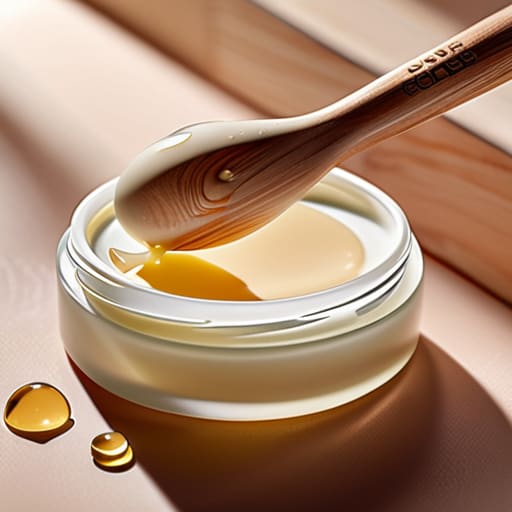
    This is where things often get a little overwhelming, but I promise it doesn’t have to be. When you’re deciding between oil-based vs water-based cleansers, the best way to look at it is through the lens of what you’re actually wearing on your face. If you’re someone like me who loves a bit of long-wear foundation or finds yourself struggling with removing waterproof mascara at the end of a long day, an oil-based balm or cleanser is going to be your best friend. Oil dissolves oil, meaning it melts away stubborn pigments without you having to scrub your skin raw—which, as someone who has dealt with a compromised barrier, I cannot stress enough.

    On the flip side, water-based cleansers are fantastic for that lightweight, refreshing feeling, especially if you prefer a more minimal approach. However, if you’re wearing heavy SPF or makeup, a water-based wash alone might leave some residue behind. This is why I’ve become such a huge advocate for the double cleansing method. Using a gentle oil first to break everything down, followed by a soft water-based cleanser, ensures your skin is truly clean while still feeling calm and hydrated rather than stripped.

    A Gentle Approach to Sensitive Skin Makeup Removal
    A Gentle Approach to Sensitive Skin Makeup Removal

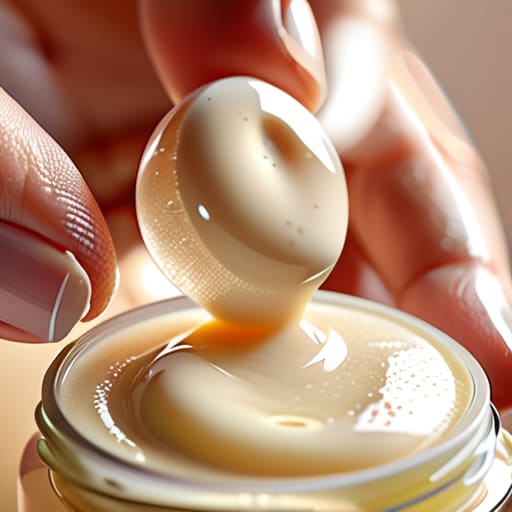
    If you’re like me and have spent time repairing a damaged skin barrier, you know that the “scrub harder” mentality is the absolute worst. When it comes to sensitive skin makeup removal, the goal isn’t to strip your skin bare; it’s to soothe it. I’ve learned the hard way that aggressive rubbing can lead to redness and irritation that lasts for days. Instead, I look for formulas that feel more like a hug than a harsh chemical treatment.

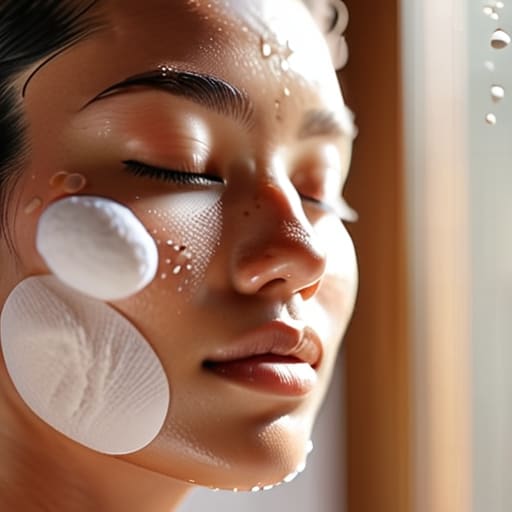
    I especially recommend finding a high-quality, non-comedogenic eye makeup remover that uses oils or milks rather than alcohol-heavy liquids. If you’re struggling with the dreaded task of removing waterproof mascara, don’t reach for those stinging wipes. Instead, try soaking a reusable cotton pad in a gentle balm and letting it sit on your lashes for a few extra seconds. It allows the product to do the heavy lifting so you aren’t tugging at your delicate eye area. It’s a small shift, but it turns a frustrating part of your evening into a much more mindful, calming experience.

    Small Rituals for a Better Clean

    • Don’t rush the process. I know life gets hectic, but taking an extra sixty seconds to actually massage your cleanser into your skin makes a world of difference for your barrier.
    • Listen to your skin’s cues. If your face feels tight or “squeaky clean” after removing your makeup, your remover is likely too harsh. Aim for that soft, hydrated feeling instead.
    • Double down on the gentle stuff. If you’re wearing heavy SPF or long-wear foundation, try using a cleansing balm first, followed by a mild water-based cleanser. It’s much kinder than scrubbing.
    • Ditch the aggressive scrubbing. I learned the hard way that tugging at your skin only leads to irritation. Use soft, reusable bamboo pads or just your fingertips to let the product do the heavy lifting.
    • Clean your tools regularly. If you use makeup wipes or reusable pads, make sure they’re fresh. There’s nothing worse than trying to find peace in a routine while using something that isn’t actually clean.

    My Quick Guide to a Stress-Free Cleanse

    Listen to your skin; if it feels tight or “squeaky clean,” you’re likely stripping your barrier, so switch to something more nourishing.

    Don’t fear the oil—using a gentle oil cleanser is often the kindest way to melt away stubborn makeup without needing to scrub.

    Treat your evening removal as a ritual of unwinding rather than a chore, making it a quiet moment to transition from your busy day to rest.

    Reclaiming Your Evening Ritual

    “Removing your makeup shouldn’t feel like a battle against your skin; it should feel like the gentle exhale at the end of a long day, washing away the noise so you can finally just be.”

    Neha Rajagopal

    Finding Your Rhythm in the Routine
    Finding Your Rhythm in the Routine.

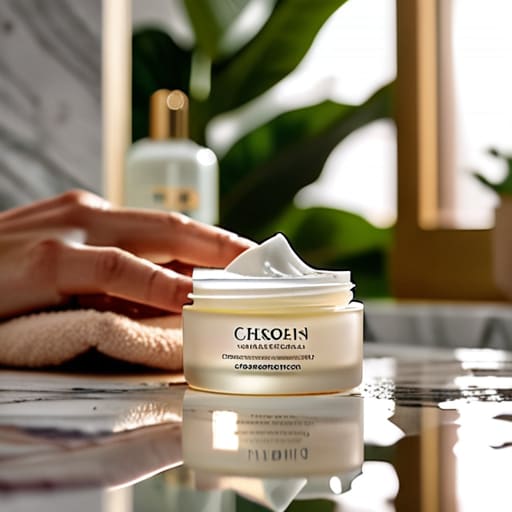
    At the end of the day, finding the right makeup remover isn’t about following every single trend or buying the most expensive bottle on the shelf. Whether you’ve decided that a rich, oil-based balm is your go-to for melting away long-wear foundation, or you prefer the lightweight, soothing touch of a water-based micellar water, the goal remains the same: respecting your skin barrier. We’ve talked about the importance of choosing formulas that match your specific sensitivity and the need to move away from harsh scrubbing. Remember, the most effective method is always the one that leaves your skin feeling clean, calm, and completely uncompromised.

    I know how easy it is to view skincare as just another item on an endless to-do list, especially when life gets hectic. But I want to encourage you to shift that perspective just a little bit. Try to see these few minutes at your sink not as a chore, but as a small act of kindness toward yourself. It’s your time to wash away the day, quiet the noise, and just breathe. You don’t need a complicated ritual to be worthy of care; you just need a moment of peace. Be gentle with your skin, and even more gentle with yourself.

    Frequently Asked Questions

    Is it actually worth double cleansing, or is that just another unnecessary step in a long routine?

    Honestly, I used to think double cleansing was just another way to make my routine feel like a chore, but it’s actually been a game-changer for me. If you’re wearing SPF or makeup, a single wash often just moves the grime around rather than actually lifting it. Think of it as a two-step reset: the first step breaks down the heavy stuff, and the second actually cleans your skin. It’s worth it.

    How do I know if my makeup remover is actually stripping my skin barrier instead of cleaning it?

    Honestly, the best way to tell is by how your face feels after you’ve towel-dried it. If your skin feels tight, “squeaky clean,” or looks a bit shiny in an unnatural way, that’s a huge red flag. That sensation is actually your barrier crying for help. Healthy skin should feel soft and supple, not like it’s two sizes too small for your face. If it stings when you apply moisturizer, your remover is definitely too harsh.

    Can I use micellar water if I have really dry skin, or will it leave me feeling tight?

    I’ve been there—that dreaded “tight” feeling is usually a sign your skin barrier is crying for help. Honestly, if you have really dry skin, you have to be careful with micellar water. Some formulas can be a bit stripping. If you do use it, look for one infused with hydrating ingredients like glycerin or rose water, and always follow up with a nourishing moisturizer immediately. Don’t let it leave your skin feeling parched.

  • Understanding the Function of Peptides in Skincare

    Understanding the Function of Peptides in Skincare

    I still remember sitting on my bathroom floor in my early twenties, staring at a face that felt tight, angry, and completely raw because I thought “more” meant “better.” I was layering every harsh acid and high-percentage retinol I could find, convinced that if I wasn’t stinging, it wasn’t working. It took a pretty spectacular skin barrier meltdown to realize that true radiance isn’t about aggression; it’s about nourishment. That’s when I finally stopped chasing the burn and started looking into peptides for skin, which felt less like a chemical attack and more like a gentle conversation with my cells.

    I’m not here to sell you a ten-step ritual or convince you that you need a luxury serum that costs more than my monthly grocery bill. Instead, I want to strip away the marketing fluff and talk about what these little amino acid chains actually do for your complexion. I’ll be sharing a straightforward, science-backed look at how to use peptides for skin to support your barrier and keep things calm and resilient. No hype, no complicated jargon—just the honest truth about what actually works for a busy, real-life routine.

    Table of Contents

    The Gentle Magic of Amino Acid Skin Repair

    The Gentle Magic of Amino Acid Skin Repair

    When I was first trying to fix my damaged skin barrier, I was obsessed with high-percentage acids that left my face feeling tight and angry. It took me a while to realize that true healing isn’t about being aggressive; it’s about providing the building blocks your skin actually needs to rebuild itself. This is where amino acid skin repair becomes such a game-changer. Since amino acids are the fundamental components of our skin’s natural proteins, using them in your routine feels less like a chemical intervention and more like a gentle hug for your complexion.

    Instead of the stinging sensation you might get with other actives, these tiny powerhouses work quietly in the background. They help support skin elasticity and peptides work together to keep your face feeling bouncy and hydrated rather than stripped. I love incorporating them because they don’t require a complicated ritual—you just apply them and let them do their thing while you enjoy your morning coffee. It’s that low-maintenance, high-reward approach that makes my current routine feel so much more sustainable.

    Finding Balance Signal Peptides vs Carrier Peptides

    Finding Balance Signal Peptides vs Carrier Peptides

    When you start looking closer at ingredient labels, things can get a little overwhelming. You’ll likely see the debate of signal peptides vs carrier peptides pop up, and honestly, it’s easy to feel like you need a PhD just to finish your morning routine. But don’t worry—it’s actually much simpler than it sounds. Think of it like tending to my herb garden; different plants need different kinds of attention to thrive.

    Signal peptides are essentially the “messengers.” They trick your skin into thinking it needs to produce more collagen, which is a huge win for anyone looking to boost skin elasticity and peptides in their daily regimen. On the other hand, carrier peptides act more like delivery drivers. They transport essential minerals to the skin to help with amino acid skin repair, ensuring your barrier stays resilient rather than stripped. I love that you don’t have to choose just one; most high-quality formulas use a blend of both to give you that calm, bouncy glow without the irritation of harsher actives.

    How to Work Peptides Into Your Life (Without the Stress)

    • Keep it simple. You don’t need a peptide serum, a peptide cream, and a peptide essence all at once. Pick one high-quality product that fits into your existing routine and let it do its thing.
    • Watch your timing. I love applying my peptide serums right after my toner while my skin is still slightly damp; it helps everything sink in beautifully without feeling heavy.
    • Don’t mix with too many actives. If you’re using strong acids or high-strength retinols, give your skin a little breathing room. Using peptides on a separate night can be a lovely way to focus on repair rather than exfoliation.
    • Patience is your best friend. Unlike harsh actives that might give you an instant (but often irritating) glow, peptides work quietly in the background. Give them a few weeks of consistent use before you decide if they’re working for you.
    • Look for the right ingredients. Check your labels for things like Palmitoyl Pentapeptide or Acetyl Hexapeptide. It can feel a bit technical, but knowing what to look for helps you invest in products that actually deliver.

    My Quick Guide to Making Peptides Work for You

    Don’t overthink it—peptides aren’t a scary new trend, they’re just gentle messengers that help your skin do what it already does best.

    Focus on your specific needs, whether you’re looking to boost collagen with signal peptides or just want to soothe and hydrate with carrier peptides.

    Keep your routine simple; you don’t need a cabinet full of products to see results, just a few reliable, science-backed ingredients that respect your skin barrier.

    Finding Peace in the Science

    After years of treating my skin like a battlefield with harsh acids, I finally learned that true glow doesn’t come from stripping your barrier away—it comes from giving it the right building blocks. Peptides aren’t just another ingredient to chase; they are the quiet, steady support your skin needs to actually heal itself.

    Neha Rajagopal

    Finding Your Peptide Rhythm

    Finding Your Peptide Rhythm for skin health.

    At the end of the day, navigating the world of peptides doesn’t have to feel like a chemistry exam. Whether you are leaning into the restorative power of amino acids to repair a damaged barrier or choosing between signal and carrier peptides to target specific concerns, the goal is the same: intentionality. You don’t need to overhaul your entire bathroom cabinet or add ten new steps to your morning ritual to see a difference. By focusing on these small, science-backed building blocks, you are essentially giving your skin the nutritional support it needs to function at its best, without the irritation that often comes with more aggressive actives.

    I hope this helps you feel a little more confident the next time you’re standing in the skincare aisle, staring at a wall of complicated labels. Remember, skincare should be a way to care for yourself, not another item on an endless to-do list that leaves you feeling overwhelmed. Take a breath, put on your favorite playlist, and treat your routine as a moment of calm in a busy world. Your skin—and your peace of mind—will thank you for it. Just keep it simple, keep it consistent, and trust the process.

    Frequently Asked Questions

    Can I use peptides at the same time as my retinol, or will it irritate my skin?

    The short answer? Yes, you absolutely can. In fact, I love pairing them. Since I spent years overdoing it with harsh actives, I’ve learned that peptides are actually the perfect “buffer” for retinol. While retinol does the heavy lifting for cell turnover, peptides help support that skin barrier we’re all trying to protect. Just apply your peptide serum first to create a calm, hydrated base before layering on your retinol at night.

    How long does it actually take to see a difference in my skin's texture?

    I know the feeling—you want that instant glow right now. But honestly? Skincare is a marathon, not a sprint. Since peptides work by gently nudging your skin to behave better, you won’t see a transformation overnight. Typically, it takes about four to six weeks of consistent use to notice a real shift in texture. Think of it like my herb garden; you can’t rush the growth, you just have to show up every day.

    Do I really need a separate peptide serum, or can I just look for them in my moisturizer?

    Honestly, it depends on what your skin is craving. If you’re just looking for a little extra hydration and a healthy glow, layering peptides into your moisturizer is a perfect, low-effort way to go. But, if you’re dealing with specific concerns like fine lines or skin that feels a bit depleted, a dedicated serum is worth the extra step. It allows for a more concentrated dose to really sink in.

  • The Role of the Skin Microbiome

    The Role of the Skin Microbiome

    I still remember looking in the mirror three years ago, staring at a face that felt tight, angry, and perpetually raw. I had spent my early twenties convinced that “better” meant “stronger,” layering on aggressive acids and harsh cleansers until I had essentially nuked my skin’s natural defenses. I thought I was being proactive, but I was actually just waging war on my own microbiome skin ecosystem. It took a very painful, very expensive lesson to realize that my skin wasn’t an enemy to be conquered with chemicals; it was a living, breathing community that I had been starving.

    I’m not here to sell you a twelve-step ritual or a collection of overpriced serums that promise miracles overnight. Instead, I want to help you cut through the marketing noise and understand how to actually nurture that tiny, invisible world living on your face. We’re going to talk about how to support your microbiome skin with simple, science-backed habits that prioritize gentle resilience over aggressive correction. My goal is to help you find that calm, healthy glow without turning your bathroom sink into a high-stress laboratory.

    Table of Contents

    Restoring Balance the Truth About Skin Microbiome Dysbiosis

    Restoring Balance the Truth About Skin Microbiome Dysbiosis

    So, what happens when things actually go wrong? In my early twenties, I thought “more” was always better, but I was actually causing massive skin microbiome dysbiosis. Basically, when the delicate balance of good and bad bacteria gets thrown off, your skin loses its ability to defend itself. Instead of a calm, even complexion, you end up dealing with redness, unexpected breakouts, or that tight, itchy feeling that just won’t quit. It’s not just about surface-level irritation; it’s a sign that your skin’s internal ecosystem is struggling to maintain its equilibrium.

    When this happens, your skin barrier function takes a serious hit. Think of it like a garden where the weeds have completely taken over because the soil is depleted. Without enough microbial diversity in skin, you’re left vulnerable to environmental stressors and irritants that would normally be easy to handle. I’ve been there—staring in the mirror at a flare-up and feeling totally defeated. The good news is that once you stop attacking your skin with harsh acids and start focusing on restoration, you can actually help it find its way back to center.

    Nurturing Microbial Diversity in Skin for Lasting Calm

    Nurturing Microbial Diversity in Skin for Lasting Calm

    So, how do we actually start feeding this tiny ecosystem without turning our bathroom counters into a science lab? For me, it really comes down to simplicity and choosing microbiome-friendly ingredients that work with your biology rather than against it. Instead of reaching for those aggressive, stripping cleansers that leave my face feeling tight and “squeaky clean” (which, spoiler alert, is actually a bad sign), I look for gentle formulas that support skin barrier function. Think of it like tending to my herb garden; you wouldn’t douse a delicate basil plant in harsh chemicals, right? You want to provide the right environment for the good stuff to thrive.

    I’ve found that leaning into probiotic skincare benefits can be a total game-changer for keeping irritation at bay. By incorporating prebiotics or postbiotics, you’re essentially helping to cultivate a diverse landscape of beneficial microbes. When you prioritize this kind of microbial diversity in skin, you aren’t just treating a surface-level symptom; you’re building a foundation of resilience. It’s about moving away from the “attack and destroy” mindset of many traditional products and embracing a much more nurturing, restorative approach.

    My Simple Rules for Keeping Your Skin's Ecosystem Happy

    • Stop the over-cleansing cycle. I learned the hard way that scrubbing your face twice a day with harsh, foaming cleansers is basically like a scorched-earth policy for your good bacteria. Switch to a gentle, non-stripping milk or oil cleanser that respects your natural barrier.
    • Less is definitely more when it comes to actives. If you’re layering high-percentage acids every single night, you’re likely causing chaos in your microbiome. Try giving your skin “rest days” where you focus solely on hydration and soothing ingredients.
    • Look for “prebiotic” and “postbiotic” on your labels. Think of prebiotics as the healthy snacks that feed your good bacteria, and postbiotics as the beneficial byproducts they produce. It’s a much more intentional way to nourish your skin than just slapping on random moisturizers.
    • Protect your barrier from environmental stress. Our tiny microbial friends are constantly fighting off pollution and UV rays. Using a decent SPF isn’t just about preventing wrinkles; it’s about shielding the ecosystem that keeps your skin resilient.
    • Listen to your skin’s “mood.” If your face feels tight, itchy, or suddenly reactive, that’s your microbiome telling you something is off. Instead of reaching for a new “miracle” product, strip your routine back to the basics and let your skin recalibrate in peace.

    The Bottom Line: Keeping It Simple and Skin-Friendly

    Stop the “more is better” cycle; over-exfoliating and using too many harsh actives is the fastest way to disrupt your skin’s natural ecosystem.

    Focus on feeding your skin with prebiotics and probiotics to help rebuild that protective barrier that I worked so hard to fix myself.

    Treat your skincare routine as a moment of peace, prioritizing gentle, science-backed ingredients that support your microbiome rather than fighting against it.

    ## Less Fighting, More Feeding

    “We spend so much time trying to scrub, peel, and fight our skin into submission, but true radiance comes from stopping the war and finally starting to feed the tiny ecosystem that’s working for us every single day.”

    Neha Rajagopal

    Finding Your Skin's Rhythm

    Finding Your Skin's Rhythm through balance.

    At the end of the day, managing your microbiome isn’t about chasing every new, flashy ingredient that hits the market. It’s about understanding that your skin is a living, breathing ecosystem that thrives on balance rather than intensity. We’ve talked about how dysbiosis can leave you feeling reactive and how nurturing diversity is the real key to long-term health. Instead of trying to scrub your way to perfection, focus on supporting those tiny, hardworking microbes with gentle, science-backed care. When you stop fighting against your skin and start working with its natural biology, the results—and your stress levels—will show it.

    I know how tempting it is to fall into the trap of the twenty-step routine, especially when we feel like we aren’t doing “enough.” But please remember that your skin doesn’t need more complexity; it needs more intentionality. Skincare should be a moment of peace in your morning, a quiet ritual to ground yourself before the world gets loud, not another item on a stressful to-do list. Trust the process, be patient with your barrier, and focus on the basics. You deserve to feel comfortable and calm in your own skin, and sometimes, the most powerful thing you can do is simply step back and let your microbiome do its thing.

    Frequently Asked Questions

    If I've already stripped my skin barrier with harsh actives, how long does it actually take for my microbiome to reset?

    Honestly, I’ve been there, and I know how frustrating that “raw” feeling is. If you’ve really stripped things back, you’re likely looking at anywhere from two to six weeks to see a real shift. It’s not an overnight fix. Your microbiome needs time to rebuild its little ecosystem. For now, please—just stop the actives. Stick to gentle, barrier-repairing basics and give your skin the space to breathe and reset.

    Can I keep using my favorite exfoliants, or will they constantly mess up the balance I'm trying to build?

    Honestly, I get the urge to keep using those powerhouse acids, but we have to be strategic. If you’re working on restoring your barrier, you can’t just blast it with harsh exfoliants every day. It’s all about moderation. I’ve learned to swap the aggressive scrubs for gentle, slow-release BHAs or PHAs once or twice a week. Think of it as a light tune-up rather than a total overhaul—keep it gentle so your microbiome can actually breathe.

    Are there specific, affordable ingredients I should be looking for in my moisturizer to help feed these good bacteria?

    You don’t need to drop a paycheck on luxury creams to get this right. I always look for “prebiotics”—think things like inulin or alpha-glucan oligosaccharides—which basically act as food for your good bacteria. Also, keep an eye out for soothing stuff like niacinamide or ceramides. They help strengthen that barrier we’ve all accidentally damaged at some point. It’s all about feeding the ecosystem, not just masking the surface.

  • Supporting Your Skin Moisture Barrier

    Supporting Your Skin Moisture Barrier

    I still remember the stinging sensation of applying even the gentlest cleanser to my face back in my early twenties. I had been so obsessed with “results” that I was layering every harsh acid and high-strength retinoid I could find, convinced that if my skin wasn’t peeling, it wasn’t working. In reality, I had completely decimated my skin moisture barrier, leaving my face feeling tight, angry, and perpetually raw. It took a lot of expensive mistakes and a very humbling realization to understand that more is rarely better when it comes to skin health.

    I’m not here to sell you a fifteen-step ritual or a cabinet full of luxury serums that promise the moon. Instead, I want to help you strip away the noise and get back to basics. In this guide, I’m sharing the honest, science-backed approach I used to heal my own skin and find my way back to a calm, healthy complexion. We’re going to focus on gentle, intentional care that actually respects your biology, so you can stop fighting your skin and start feeling comfortable in it again.

    Table of Contents

    Decoding the Quiet Distress of Your Stratum Corneum Function

    Decoding the Quiet Distress of Your Stratum Corneum Function.

    Think of your stratum corneum as the quiet, invisible bodyguard of your face. It’s that outermost layer that keeps the good stuff in and the bad stuff out. But when that bodyguard gets exhausted—usually from too many harsh acids or not enough rest—your skin starts sending out these subtle, frantic SOS signals. You might notice a strange, tight sensation right after washing, or perhaps your usual moisturizer just doesn’t seem to sink in like it used to.

    These aren’t just random annoyances; they are classic damaged skin barrier symptoms. When the structural integrity of that layer falters, you experience what scientists call transepidermal water loss. In plain English? Your skin is essentially leaking hydration into the air, leaving you feeling parched and reactive. Instead of a smooth, calm surface, you’re left with redness or a texture that feels slightly “off.” It’s less of a loud scream and more of a persistent, uncomfortable hum that tells you your skin is struggling to find its balance.

    Why Your Skin Feels Stressed and Unbalanced

    Why Your Skin Feels Stressed and Unbalanced

    Honestly, I learned this the hard way. Back in my early twenties, I thought more was always better. I was layering high-percentage acids and harsh retinoids like they were skincare candy, thinking I could just “scrub” my way to a glow. Instead, I ended up with that tight, stinging sensation that tells you everything is wrong. When you overdo it, you’re essentially stripping away the very things that keep your skin calm—specifically those essential ceramides and fatty acids that act as the glue holding your cells together.

    It’s not just about the products we use, either. Our environment is constantly trying to pick a fight with our skin. Between the dry air from the heater in my home office and the sudden shifts in weather, our natural defenses can easily get overwhelmed. This leads to transepidermal water loss, where your skin’s hydration just evaporates into thin air. If you’re noticing redness or a weird, sandpaper texture, those are classic damaged skin barrier symptoms. It’s your skin’s way of asking for a timeout and a much gentler approach.

    My Simple Rules for Finding Your Skin’s Balance Again

    • Put down the harsh actives for a bit. If your skin is feeling tight or stinging, it’s time to hit the pause button on those high-percentage acids and retinols. Let your barrier breathe without the constant irritation.
    • Focus on “boring” ingredients. When I was overdoing it in my early twenties, I chased the trendy stuff, but what my skin actually needed were the basics: ceramides, fatty acids, and cholesterol. Think of them as the glue that holds your skin cells together.
    • Stop the over-cleansing cycle. I used to think a squeaky-clean feeling meant my skin was healthy, but that’s actually a sign you’ve stripped your natural oils. Switch to a gentle, non-foaming cleanser that respects your skin’s natural pH.
    • Seal it all in with moisture. After washing, apply your products while your skin is still slightly damp. This helps trap that hydration in rather than letting it evaporate into the air, which is a total game-changer for dryness.
    • Protect your progress with SPF. A damaged barrier is incredibly vulnerable to environmental stressors like UV rays. Even on cloudy days, a lightweight sunscreen is the easiest way to prevent further irritation while your skin heals itself.

    The Bottom Line: Finding Your Way Back to Balance

    Listen to your skin when it feels tight or reactive; those little signs of distress are usually your body’s way of saying your barrier needs a break from the actives.

    Less is almost always more—swap the complicated, multi-step chaos for a few gentle, intentional products that focus on hydration and protection.

    Healing isn’t an overnight fix, so be patient with yourself and your skin as you strip back the noise and focus on rebuilding that essential foundation.

    Listening to Your Skin's Silent Language

    “Think of your moisture barrier not as another thing to ‘fix’ with more products, but as a delicate boundary that needs protection, not more pressure. When we stop attacking our skin with harsh actives and start treating it with actual kindness, that’s when the real healing begins.”

    Neha Rajagopal

    Finding Your Way Back to Balance

    Finding Your Way Back to Balance.

    At the end of the day, repairing your skin barrier isn’t about finding a magic, expensive serum or adding more steps to your bathroom counter. It’s about stripping away the noise and focusing on the essentials: gentle cleansing, consistent hydration, and protecting that delicate outer layer from further irritation. We’ve talked about how much damage harsh actives and environmental stress can do, but the solution is actually quite simple. By choosing calming, barrier-friendly ingredients and giving your skin the time it needs to heal, you stop fighting against your body and start working with it. Remember, consistency over complexity is always going to win the long game when it comes to your skin’s health.

    I know how frustrating it feels when your skin seems to be constantly in revolt, but please try to be patient with yourself. I’ve been there—staring in the mirror at redness and irritation, feeling like I’d broken something that couldn’t be fixed. But your skin is incredibly resilient; it just needs the right environment to do its job. Treat your morning and evening routines as a small, quiet ritual rather than a checklist of chores. When you approach skincare with a sense of peace instead of panic, you’ll find that your skin—and your mind—will start to feel much more at home.

    Frequently Asked Questions

    How can I tell if my barrier is actually damaged versus just being a little dry?

    It’s a fine line, honestly. If you’re just a little dry, your skin usually feels tight after washing, but it settles down once you apply a good moisturizer. But if your barrier is actually damaged? That’s when things feel more reactive. You might notice stinging when you apply even your gentlest products, unexpected redness, or a texture that feels rough and “angry.” It’s less about thirst and more about your skin feeling genuinely sensitive and overwhelmed.

    Are there specific ingredients I should avoid if my skin is feeling sensitive and reactive right now?

    Honestly, when my skin is acting up, my first move is a total “ingredient strike.” I immediately ditch anything with high concentrations of AHAs (like glycolic acid) or harsh physical scrubs—they’re just too much right now. I also steer clear of drying alcohols and heavy, synthetic fragrances. They might smell nice, but they’re just extra chaos for a reactive barrier. For now, I keep it strictly soothing and simple.

    Do I really need to add more products to my routine to fix this, or can I heal it by doing less?

    Honestly? You probably need to do less, not more. When my barrier was trashed, my instinct was to buy every “repair” serum on the market, but that just added more irritation. Think of your skin like a tired friend—it doesn’t need more tasks; it needs rest. Strip your routine back to the basics: a gentle cleanser, a soothing moisturizer, and SPF. Let your skin breathe and find its own balance again.

  • The Purpose of Using a Toner

    The Purpose of Using a Toner

    I still remember sitting on my bathroom floor in my early twenties, staring at a red, stinging mess in the mirror after I’d gone way too hard with some harsh, alcohol-based astringent. I thought more was better, and I thought “skincare” meant punishing my face into submission. I was convinced that proper toner application required this intense, stinging ritual to “cleanse” my pores, when in reality, I was just wrecking my skin barrier for the sake of a trend. It took a lot of trial, error, and a very broken complexion to realize that most of the hype surrounding these products is just noise designed to make you feel like your routine is incomplete.

    I’m not here to sell you on a ten-step process or a luxury bottle that costs more than my weekly grocery haul. Instead, I want to share the gentle, science-backed way I approach my morning ritual—the kind that actually works with your life, not against it. I promise to walk you through the simplest, most effective methods for toner application so you can stop stressing and start treating your skin with the kindness it deserves. No fluff, no expensive gimmicks, just honest advice to help you find your glow.

    Table of Contents

    The Truth About Ph Balancing Skincare

    The Truth About Ph Balancing Skincare guide.

    I remember when I first started diving into the science of my own skin, I was completely overwhelmed by terms like “acid mantle” and “alkalinity.” For a long time, I thought a stinging sensation meant the product was working, but in reality, I was just stripping away my protection. This is where pH balancing skincare actually becomes a game-changer. Our skin is naturally slightly acidic, and when we use harsh cleansers that disrupt that delicate balance, we end up with that dreaded tightness or unexpected breakouts.

    Instead of seeing it as just another step, I’ve learned to view it as essential facial skin preparation. When you use a toner to reset your skin’s pH, you aren’t just adding moisture; you are essentially smoothing the way for everything else you apply. It makes your serums and moisturizers work much harder because they aren’t fighting an uphill battle against a compromised barrier. Think of it as realigning your skin’s natural defenses so it can actually stay healthy and resilient, rather than just looking temporarily “clean.”

    Applying Toner With Cotton Pads or Hands

    Applying Toner With Cotton Pads or Hands

    This is one of those debates that pops up in every skincare forum, and honestly, there’s no “wrong” way—only what feels best for your skin in the moment. If you’re someone who likes a bit of physical exfoliation, applying toner with cotton pads can be a game-changer. I used to do this every single morning, using the pad to gently sweep away any leftover residue from my cleanser. It feels like a deep clean, and it’s great if you’re using a formula designed to prep the skin for the next steps. Just be careful not to scrub too hard; remember, we’re aiming for gentle facial skin preparation, not an abrasive scrub.

    On the other hand, if you’ve been struggling with a compromised barrier like I was, I highly recommend skipping the pads entirely and using your hands. There is something so much more grounding about warming the product between your palms and pressing it directly into your face. This method allows you to maximize the hydrating toner benefits without wasting any product on a piece of cotton. It turns a quick step into a mini moment of self-care that feels much more intentional.

    My Little Rituals: 5 Ways to Make Toner Work Harder for You

    • Don’t wait for your skin to feel tight. I’ve learned the hard way that if your face feels “squeaky clean,” your barrier is already struggling. Apply your toner while your skin is still slightly damp from cleansing to lock in that moisture immediately.
    • Treat your hands like a tool, not just a delivery system. If you’re using your hands, press the product gently into your skin rather than rubbing. It feels a bit more like a mini massage and helps the product sink in without causing unnecessary friction.
    • Listen to your skin’s “volume.” On days when my skin feels extra sensitive or a little reactive, I skip the cotton pads entirely. The physical exfoliation from a pad can be too much when your barrier is already feeling thin.
    • Layering is your secret weapon. If you’re dealing with those stubborn dry patches, try the “seven skin method” lite—just apply two or three thin layers of a hydrating toner instead of one heavy one. It’s much more soothing for a busy, stressed-out complexion.
    • Keep it cool for an extra boost. I love keeping my soothing, milky toners in a tiny skincare fridge (or just the regular one). The cold sensation is such a grounding way to wake up my senses during my morning Lo-Fi ritual.

    My Quick Guide to Making Toner Work for You

    Whether you use a cotton pad for a quick sweep or your hands for a little extra hydration, the goal is to make the step feel seamless, not like another chore on your to-do list.

    Don’t overthink the science—just focus on using toner to prep your skin so your serums and moisturizers can actually do their jobs more effectively.

    Listen to your skin barrier; if a toner feels tingly or harsh, it’s okay to scale back and stick to the absolute basics.

    ## Finding Your Flow

    “At the end of the day, toner shouldn’t feel like another task on your to-do list; it’s just a quiet, hydrating bridge between cleansing and treating your skin—a little moment of calm before the day really begins.”

    Neha Rajagopal

    Finding Your Own Flow

    Finding Your Own Flow with skincare.

    At the end of the day, whether you’re reaching for a cotton pad for a quick sweep or using your palms to press that hydration deep into your skin, the goal remains the same: feeling good. We’ve looked at why pH balance matters and how the method you choose can change the way your skin absorbs those precious ingredients. Remember, there is no “wrong” way to do this, as long as you are listening to what your skin is actually telling you. If your barrier feels sensitive, keep it simple; if you need a boost, lean into those hydrating layers. It’s all about finding that sweet spot between effective science and personal comfort.

    I know how easy it is to get lost in the sea of complicated skincare rules, but please don’t let it become another source of anxiety in your busy life. Skincare shouldn’t feel like a test you’re constantly failing; it should be that quiet, Lo-Fi moment in your morning where you just breathe and reset. You don’t need a cabinet full of expensive tools to achieve a healthy glow. Just take a moment for yourself, apply your toner with intention, and remember that consistency beats complexity every single time. You’ve got this.

    Frequently Asked Questions

    Can I use toner if I have really sensitive or compromised skin?

    Honestly, if your skin is feeling raw or stinging, the best thing you can do is hit the pause button. When my barrier was trashed from over-exfoliating, I learned that “more” isn’t better. If you must use something, skip the astringents and look for a milky, soothing toner with things like ceramides or centella. Think of it as a soothing drink for your skin, not a treatment. If it burns, wash it off immediately.

    Does it matter if I apply my toner before or after my serum?

    Think of your toner as the primer for everything else. You’ll want to apply it before your serum. Since I spent years messing up my barrier, I’ve learned that damp skin is much more receptive to treatment. Applying toner first preps your skin and helps that expensive serum sink in deeper rather than just sitting on the surface. It’s all about creating that smooth, hydrated base so your next steps can actually do their job.

    Is it okay to skip toner if my cleanser is already very gentle?

    Honestly? Yes, it is absolutely okay. If your cleanser is truly gentle and leaves your skin feeling soft—not tight or “squeaky”—you aren’t missing much. I used to think I needed that extra step to “fix” my skin, but after ruining my barrier years ago, I learned that less is often more. If your skin feels balanced and hydrated right after washing, feel free to skip the toner and move straight to your serum or moisturizer.

  • How Ceramides Support the Skin Barrier

    How Ceramides Support the Skin Barrier

    I still remember sitting in front of my bathroom mirror in my early twenties, staring at a face that felt tight, angry, and perpetually raw. I had been chasing that “glass skin” glow by layering every aggressive acid and high-percentage active I could find, completely ignoring the fact that I was actually destroying my skin’s natural defenses. It took a painful, red-faced lesson to realize that more isn’t always better; sometimes, the most important thing you can do is stop attacking your face and start repairing it. That’s when I truly discovered the quiet, restorative power of ceramides in skincare, and it completely changed my approach to beauty.

    I’m not here to sell you a twenty-step ritual or a luxury cream that costs more than my monthly grocery bill. Instead, I want to cut through the marketing noise and give you the honest, science-backed truth about how these lipids actually work. My goal is to help you understand how to use ceramides to build a resilient, healthy barrier without the overwhelm. Think of this as a straightforward guide to getting your skin back to its most calm and comfortable state, focusing only on what actually matters.

    Table of Contents

    Understanding the Essential Types of Skin Lipids

    Understanding the Essential Types of Skin Lipids.

    To really understand why we talk about ceramides so much, we have to look at the bigger picture: the different types of skin lipids that make up your natural barrier. Think of your skin like a brick wall. The skin cells are the bricks, but the lipids are the mortar holding everything together. Without that mortar, your skin can’t stay cohesive or protected. While ceramides are the heavy lifters, they actually work alongside other fats like cholesterol and fatty acids to keep everything structurally sound.

    When this “mortar” gets depleted—usually from over-exfoliating or harsh weather—you start to see the real fallout. This is where we run into issues with transepidermal water loss prevention, which is just a fancy way of saying your skin’s moisture is escaping into the air. When that happens, your skin feels tight, itchy, or even looks a bit dull. By focusing on restoring skin moisture barrier through products that mimic these natural lipids, we aren’t just adding a layer of grease; we are actually helping our skin find its way back to a state of balance and calm.

    Restoring Your Skin Moisture Barrier Naturally

    Restoring Your Skin Moisture Barrier Naturally.

    If you’ve ever felt that tight, itchy sensation after washing your face, you know exactly how frustrating a compromised barrier feels. For me, that was a constant reality after my “over-exfoliation era” in my early twenties. The good news is that restoring skin moisture barrier health doesn’t require a chemistry degree or a massive budget; it just requires being intentional about the ingredients you choose. Instead of reaching for harsh scrubs, focus on feeding your skin the lipids it’s actually craving to stay resilient.

    I’ve found that the most effective way to rebuild that defense is by looking for products that prioritize transepidermal water loss prevention. This sounds technical, but it’s really just about sealing the moisture in so it doesn’t evaporate into the air. I love layering ceramides and hyaluronic acid together—the hyaluronic acid pulls hydration into the skin, while the ceramides act like the mortar between your skin cell bricks, locking everything in place. It’s a simple, soothing ritual that turns a frantic morning into a moment of genuine calm.

    My Simple Rules for Making Ceramides Work for You

    • Don’t go chasing high percentages. Honestly, it’s not about how much ceramide is in the bottle, but whether it’s paired with other lipids like cholesterol and fatty acids. Look for those “golden ratio” combinations to actually see a difference.
    • Timing is everything. I’ve found that applying your ceramide-rich moisturizer while your skin is still slightly damp from washing acts like a little moisture trap, helping everything sink in much better.
    • Less is definitely more. If you’re currently dealing with a compromised barrier—maybe you over-exfoliated or used a new retinol—ditch the harsh actives for a few days and just lean heavily on your ceramides to let your skin breathe.
    • Check your ingredient list for “hidden” helpers. Look for things like niacinamide or hyaluronic acid alongside your ceramides; they work together like a team to soothe redness and keep that hydration locked in.
    • Keep it consistent, not complicated. You don’t need a fancy serum and a thick cream every single time. Just finding one reliable, minimalist moisturizer that contains ceramides and using it every morning and night is enough to build that resilience.

    My Quick Cheat Sheet for Ceramides

    Think of ceramides as the glue that holds your skin cells together; without them, your moisture just leaks out, leaving you feeling tight and irritated.

    You don’t need a mountain of products to see a difference—look for a simple, reliable moisturizer that lists ceramides near the top of the ingredients.

    If you’ve recently overdone it with harsh acids or exfoliants, prioritizing ceramide-rich products is the fastest way to give your skin the “reset” it’s craving.

    ## A Little Peace for Your Skin

    “After years of over-exfoliating and chasing every harsh trend, I finally learned that skincare isn’t about adding more—it’s about giving back. Think of ceramides as the quiet, steady support your skin needs to feel whole again; they aren’t a miracle cure, just the essential foundation for a calm and resilient barrier.”

    Neha Rajagopal

    Finding Your Balance

    Finding Your Balance with skincare barrier protection.

    At the end of the day, getting your skincare right doesn’t have to feel like a chemistry exam. We’ve talked about how ceramides act as the glue holding your skin cells together, how different lipids play their part, and how you can gently restore that moisture barrier without overcomplicating things. If you remember nothing else, just remember that protecting your barrier is much more important than chasing every new, aggressive active that hits the market. Focus on those soothing, lipid-rich ingredients that work with your skin rather than against it, and you’ll find that consistency beats intensity every single time.

    I know how tempting it is to want instant results, especially when I was in my early twenties and constantly stripping my skin bare. But true skin health is a marathon, not a sprint. I want you to view your evening routine not as another chore on your to-do list, but as a quiet moment of reconnection with yourself. Let your skincare be the gentle ritual that helps you decompress. You deserve to feel comfortable, resilient, and at peace in your own skin—and sometimes, the most powerful thing you can do is simply give your skin the nourishment it needs to heal itself.

    Frequently Asked Questions

    Can I use ceramides alongside my other active ingredients, like retinol or Vitamin C, without causing irritation?

    The short answer? Yes, absolutely. In fact, I actually recommend it. Think of ceramides as the peacekeeper in your routine. When you’re using “loud” actives like retinol or Vitamin C—which can sometimes leave your skin feeling a bit reactive or tight—ceramides act like a soothing buffer. They help replenish those lipids that actives might strip away, ensuring you get the benefits of your treatment without the dreaded redness or irritation.

    How long does it actually take to see a difference in my skin's texture and moisture levels once I start using a ceramide-based product?

    I know the feeling—you want that instant glow right now. Honestly, for immediate hydration, you might feel a difference in smoothness within a few days. But for real, structural changes to your skin texture and moisture retention? Give it about four to six weeks. Your skin needs time to complete its natural renewal cycle. Be patient with the process; consistency is much more important than rushing for overnight results.

    Do I really need a separate ceramide cream, or can I just find them in my everyday moisturizer?

    Honestly? You definitely don’t need an extra step. I used to think I needed a specialized “ceramide cream” to fix my barrier, but that just added more clutter to my vanity. If your current daily moisturizer already lists ceramides in the ingredients, you’re good to go. I’m all about keeping things functional. Just check your labels—if they’re in there, let your moisturizer do the heavy lifting while you enjoy your coffee.

  • Ways to Improve Skin Hydration

    Ways to Improve Skin Hydration

    I still remember sitting on my bathroom floor in my early twenties, staring at a mirror full of red, flaky patches and feeling completely defeated. I had spent a small fortune on every “miracle” serum on the market, thinking that more products meant more moisture, but I was actually just stripping my skin bare. I was chasing the high of intense actives when what I actually needed were real, foundational skin hydration tips that didn’t involve a twelve-step ritual. It took me a long time—and a lot of damaged skin barrier recovery—to realize that hydration isn’t about how much you apply, but how you treat the skin you already have.

    I’m not here to sell you a luxury lifestyle or a shelf full of expensive, unnecessary bottles. Instead, I want to share the minimalist approach that actually saved my skin and my sanity. I’m going to walk you through a few straightforward, science-backed ways to keep your moisture levels steady without the stress. We’re going to cut through the marketing noise and focus on effective, gentle habits that work for a busy life.

    Table of Contents

    Finding Peace Through Real Hyaluronic Acid Benefits

    Finding Peace Through Real Hyaluronic Acid Benefits

    When I was in my early twenties, I thought “more was better,” loading my face with every harsh acid I could find. It took a pretty painful lesson in skin barrier repair to realize that I wasn’t actually helping my skin; I was just stripping it. That’s when I finally leaned into the actual hyaluronic acid benefits. It’s not just another buzzword to me; it’s the ingredient that helped me find my way back to a calm, stable complexion.

    The magic of hyaluronic acid lies in its ability to hold onto moisture, acting like a little sponge for your cells. But here is the part most people miss: you can’t just slap it on and walk away. To truly see results, you need to understand the difference between humectants vs occlusives. If you apply a humectant like hyaluronic acid to bone-dry skin, it can actually pull moisture out of your deeper layers. I’ve learned to always apply mine to damp skin and immediately seal it in with a moisturizer. It’s a small, intentional step that makes a massive difference in preventing transepidermal water loss throughout my busy workday.

    Simple Dry Skin Remedies for a Calmer Routine

    Simple Dry Skin Remedies for a Calmer Routine

    When my skin feels tight and irritated, my instinct is to go overboard with heavy creams, but I’ve learned that less is almost always more. Instead of layering a dozen products, I focus on skin barrier repair by sticking to the basics. One of my favorite gentle dry skin remedies is to apply my hydrating serums while my face is still slightly damp from washing. This tiny tweak makes a massive difference in how much moisture actually stays put.

    I also find it helpful to understand the simple logic of humectants vs occlusives. Think of humectants as the thirsty sponges that pull water into your skin, and occlusives as the cozy blankets that lock it all in. If you skip that “blanket” step, you’re essentially just letting all that hard-earned hydration evaporate into the air. By pairing a lightweight serum with a thicker, soothing moisturizer, you’re effectively preventing transepidermal water loss without needing a complicated, expensive regimen. It’s about creating a small, functional ritual that respects your skin’s natural rhythm.

    My Non-Negotiable Hydration Rituals

    • Stop washing your face with hot water. I know it feels amazing on a chilly morning, but it’s basically stripping your natural oils away. Stick to lukewarm water to keep your barrier intact.
    • Apply your moisturizer while your skin is still damp. Think of it like sealing in the moisture rather than trying to force it into dry, thirsty skin. It makes such a difference in how much product you actually need.
    • Look for ceramides in your products. Since I ruined my skin barrier years ago, I’ve become obsessed with these. They act like the “glue” that holds your skin cells together, keeping hydration locked in.
    • Don’t forget your neck and chest. I used to stop right at my jawline, but your skin is one continuous canvas. Treating your décolletage with the same gentle care as your face keeps everything looking healthy and even.
    • Hydrate from the inside, but keep it realistic. Drinking a gallon of water a day is a myth, but making sure you aren’t running on nothing but coffee is vital. A little extra water helps your skin look less “flat” and more bouncy.

    My Simple Rules for Keeping Skin Happy

    Stop chasing every new active; focus on building a strong barrier with gentle, reliable hydrators that actually soothe your skin.

    Less is definitely more—a few well-chosen products used consistently will always beat a complicated, overwhelming twenty-step routine.

    Listen to your skin’s signals instead of following trends; if your face feels tight or irritated, it’s time to strip back and simplify.

    Less is More When It Comes to Glow

    “We’ve been conditioned to think that more products equals more results, but after ruining my own skin barrier, I’ve learned that true hydration isn’t about layering a dozen serums; it’s about choosing a few gentle, effective essentials that actually respect your skin’s natural rhythm.”

    Neha Rajagopal

    Finding Your Balance

    Finding Your Balance with skincare basics.

    At the end of the day, hydrating your skin isn’t about chasing every viral ingredient or buying a shelf full of expensive serums. It’s about listening to what your skin is actually telling you. We’ve talked about how the right kind of hyaluronic acid can act as a moisture magnet, and how leaning into simple, gentle remedies can soothe that tight, uncomfortable feeling of dryness. By focusing on intentional, science-backed basics rather than a chaotic twenty-step process, you’re doing more than just fixing a texture issue—you’re actually protecting your skin barrier and giving your face a chance to heal.

    I know how tempting it is to want instant results, especially when you’re feeling frustrated with your complexion. I’ve been there, and I promise you, the shortcut usually leads to more irritation. Instead, try to view your hydration steps as a small, quiet ritual—a way to check in with yourself before the day gets loud. Whether it’s a quick splash of soothing toner or a layer of rich cream while your favorite Lo-Fi track plays, let these moments be about gentle consistency. You don’t need to do more to see better results; you just need to do what works for you.

    Frequently Asked Questions

    How do I know if my skin is actually dehydrated or if it's just naturally dry?

    It’s a question I used to struggle with constantly. Think of it this way: dry skin is your skin type—it lacks oil and usually feels tight or flaky all over. Dehydration, though, is a temporary condition where your skin lacks water. If your skin feels tight but still looks oily, or if it suddenly feels parched after a long flight or a busy week, you’re likely dealing with dehydration.

    Will adding more hydrating products actually help, or am I just going to end up irritating my skin barrier again?

    I’ve been exactly where you are, and honestly, more isn’t always better. When your barrier is compromised, piling on more products—even hydrating ones—can actually cause more inflammation. It’s tempting to try and “fix” it with a heavy layer of everything, but that often just leads to more irritation. Instead of adding more, try focusing on fewer, gentler ingredients. Think of it as giving your skin a chance to breathe and reset.

    Can I still use my favorite active ingredients like retinol if I'm focusing more on hydration right now?

    Honestly, I’ve been there. After I wrecked my barrier in my early twenties, I was terrified of anything “active.” The short answer? Yes, you can, but it’s all about the timing. Think of hydration as the foundation that allows your actives to do their job without the irritation. If your skin feels tight or reactive, take a break. Once it’s calm, try “sandwiching” your retinol between layers of moisturizer to keep things gentle.

  • Establishing a Full Body Care Routine

    Establishing a Full Body Care Routine

    I still remember the stinging sensation in my skin after my early twenties, when I thought more was always better. I was layering every harsh, trendy exfoliant I could find, convinced that a complicated body care routine was the only way to achieve that “perfect” glow. I ended up with a broken barrier and a lot of wasted money, feeling more stressed than pampered. Honestly, the beauty industry has done such a terrible job of making us feel like we need a pharmacy’s worth of products just to feel comfortable in our own skin.

    I’m not here to sell you on a twelve-step ritual or expensive, gold-flecked creams that do nothing but sit on your shelf. Instead, I want to share the streamlined, science-backed approach that actually works for a busy, real-world lifestyle. I promise to give you the no-nonsense essentials that focus on nourishment and repair rather than hype. Let’s strip away the noise and build a routine that feels like a moment of peace, not another chore on your to-do list.

    Table of Contents

    Simple Daily Skincare Steps for Body Bliss

    Simple Daily Skincare Steps for Body Bliss

    Instead of viewing your shower as just another task to check off, I like to treat it as a mini reset. Start with a self-care shower routine that focuses on temperature and texture; avoid scalding hot water, as it can actually strip your natural oils and leave you feeling itchy. While you’re in there, focus on gentle cleansing. If you’re feeling a bit dull, incorporating mild exfoliation techniques for smooth skin once or twice a week can work wonders, but please don’t overdo it. I learned the hard way that scrubbing too aggressively is a one-way ticket to a compromised barrier.

    Once you step out, the most important thing is to lock in that moisture while your skin is still slightly damp. This is where the real magic happens for improving skin barrier health. I always look for specific hydrating body lotion ingredients like ceramides or glycerin to help seal everything in. It doesn’t have to be a long process—just a few minutes of mindful application can turn a mundane habit into a moment of genuine peace.

    A Self Care Shower Routine That Actually Works

    A Self Care Shower Routine That Actually Works

    For me, the shower isn’t just about getting clean; it’s the one place where I can truly unplug. I used to rush through it, but now I treat my self-care shower routine as a way to reset my nervous system. I start by turning the temperature down just a notch—scalding hot water feels great in the moment, but it’s a disaster for improving skin barrier health. Instead, I opt for lukewarm water to keep my moisture levels intact.

    Once I’m in, I focus on gentle movement. I’ve learned that aggressive scrubbing is a one-way ticket to irritation, so I stick to light exfoliation techniques for smooth skin using a soft cloth or a gentle sugar scrub. It’s about rhythm, not force. I finish by applying a rich, nourishing oil while my skin is still slightly damp. This little habit is one of my favorite dry skin prevention tips because it locks in that hydration before it evaporates. It turns a mundane chore into a quiet, grounding ritual that leaves me feeling ready to face the day.

    Small Tweaks for a More Intentional Routine

    • Listen to your skin’s signals. If your skin feels tight or itchy after a shower, your cleanser is likely too harsh. Swap out those heavy, fragranced soaps for something more pH-balanced and gentle to protect your moisture barrier.
    • Damp skin is your best friend. Instead of waiting until you’re bone-dry to apply moisturizer, try doing it while your skin is still slightly dewy from the shower. It helps lock in that extra hydration much more effectively.
    • Don’t overdo the exfoliation. I learned the hard way that scrubbing every single day is a recipe for irritation. Aim for two or three times a week with a gentle chemical exfoliant or a soft cloth to keep things smooth without causing redness.
    • Invest in a good body oil. If you’re someone like me who is always on the go, a lightweight body oil can be a lifesaver. It adds a lovely glow and deep nourishment without feeling heavy or greasy under your clothes.
    • Make it a sensory experience. Since I view skincare as my moment of peace, I love adding a tiny bit of intention to the process—maybe it’s using a scent that relaxes me or just taking an extra thirty seconds to actually massage the lotion in.

    My Golden Rules for Keeping It Simple

    Focus on consistency over complexity; a few reliable products used every day will always beat a drawer full of expensive, half-used bottles.

    Listen to your skin’s signals—if your barrier feels tight or irritated, strip back the actives and lean into soothing, moisture-first essentials.

    Treat your routine as a mental reset, not another item on your to-do list, by turning these small moments into a genuine ritual of peace.

    My Philosophy on Body Care

    Your body care routine shouldn’t feel like another item on a never-ending to-do list; it should be that quiet, grounding moment where you finally stop rushing and just breathe.

    Neha Rajagopal

    Finding Your Own Rhythm

    Finding Your Own Rhythm through body care.

    At the end of the day, a solid body care routine isn’t about achieving some impossible, airbrushed standard. It’s about those small, intentional moments—whether it’s the warmth of a soothing shower or the simple act of applying moisturizer after a long day of freelancing. We’ve covered how to strip back the noise, from choosing gentle cleansers to making sure you’re actually hydrating your skin effectively. Remember, the goal isn’t to add more tasks to your to-do list; it’s to build a ritual that makes you feel grounded and cared for. By focusing on these few, high-impact steps, you’re doing more for your skin than any twenty-step trend ever could.

    I know how easy it is to get caught up in the hype of new ingredients and expensive gadgets, but I promise you, your skin doesn’t need more complexity—it needs consistency and kindness. Treat your body care like that quiet moment with my Lo-Fi jazz playlist; let it be the pause in your day where nothing is expected of you. You deserve to feel comfortable and confident in your own skin without the stress of an overwhelming regimen. So, take a breath, keep it simple, and just focus on what feels good for you.

    Frequently Asked Questions

    How do I know if I'm actually damaging my skin barrier with my body products?

    If your skin feels tight, itchy, or looks a little red after you step out of the shower, that’s a massive red flag. I learned this the hard way—I used to overdo it with harsh scrubs, thinking more was better. If your skin feels “squeaky clean,” it’s actually crying for help. That sensation usually means you’ve stripped away your natural oils, leaving your barrier vulnerable. Listen to that discomfort; it’s your skin asking for a reset.

    Is it worth investing in expensive body oils, or can I stick to basic lotions?

    Honestly, don’t feel pressured to drop a fortune on those luxury oils. If your skin is feeling happy with a basic, reliable lotion, stick with it. To me, it’s all about the barrier. If you’re feeling extra dry, a simple oil layered over your moisturizer can work wonders, but it doesn’t have to be a high-end splurge. Focus on ingredients that soothe, not just the pretty packaging. Keep it functional.

    How can I build a consistent routine when my schedule is constantly changing?

    Honestly, I used to let a chaotic schedule derail my entire sense of self-care. Now, I use the “anchor method.” Instead of aiming for a perfect 20-minute ritual, I pick two non-negotiables—like moisturizing right after my shower—that happen regardless of the time. If I’m running late, I scale back to the bare essentials. It’s about being kind to yourself, not punishing yourself for having a busy life. Consistency beats perfection every time.

  • Caring for the Delicate Eye Area

    Caring for the Delicate Eye Area

    I still remember the stinging sensation of waking up after a night of testing out some “miracle” brightening serum that promised the world but delivered nothing but redness and tears. My early twenties were basically a series of expensive mistakes where I thought more ingredients meant better results, only to end up with a compromised barrier and eyes that felt perpetually raw. It took me a long time to realize that true skincare for sensitive eyes isn’t about finding the most potent, aggressive active on the market; it’s about finding what doesn’t cause a reaction.

    I’m not here to sell you a twelve-step ritual or a luxury cream that costs more than my monthly grocery budget. Instead, I want to share the gentle, science-backed approach that actually saved my skin from the cycle of irritation. We’re going to cut through the marketing noise and focus on a few reliable, soothing essentials that respect your delicate skin. My goal is to help you build a routine that feels like a moment of peace, not another stressful chore on your to-do list.

    Table of Contents

    The Power of Fragrance Free Eye Care

    The Power of Fragrance Free Eye Care

    If there is one lesson I learned the hard way after my barrier-ruining phase, it’s that “scent” is often just a fancy word for “irritant.” In the beauty world, we’re conditioned to love that lush, floral aroma in our creams, but when it comes to the delicate skin around your eyes, those perfumes are a massive red flag. I’ve found that switching to fragrance-free eye care was the single biggest turning point for my morning routine. When you strip away the artificial scents, you’re left with a product that actually does its job without making your eyes sting or water.

    It’s not just about comfort, though; it’s about long-term health. I used to think my occasional redness was just from lack of sleep, but it was actually a subtle reaction to heavy perfumes. By prioritizing hypoallergenic eye cream, you’re essentially minimizing the risk of inflammation before it even starts. For me, keeping things simple and scentless isn’t about missing out on a luxury experience—it’s about creating a predictable, peaceful ritual that my skin can actually trust.

    Why Ophthalmologist Tested Products Matter

    Why Ophthalmologist Tested Products Matter.

    When I was first trying to repair my skin barrier after my “over-active ingredient” phase, I realized that the skin around our eyes is incredibly thin and unforgiving. It’s not just about what feels good; it’s about safety. This is why I’ve become a bit of a stickler for checking labels for ophthalmologist tested products. When a formula has been vetted by an eye specialist, it gives me a level of peace of mind that a generic “gentle” label just can’t provide. It means the product has been scrutinized for its ability to sit near the tear film without causing irritation or blurred vision.

    Choosing products with this seal of approval is also a huge step in preventing eyelid dermatitis, which is a total nightmare to deal with once it flares up. I’ve learned the hard way that if a product isn’t formulated with ocular safety in mind, you’re essentially playing a guessing game with your comfort. I’d much rather invest in a hypoallergenic eye cream that has been scientifically cleared than risk a reaction that leaves my eyes feeling puffy and inflamed for days.

    My Simple Rules for Keeping Sensitive Eyes Happy

    • Keep it minimal. I know the temptation to layer every serum you own, but for the delicate skin around your eyes, less is almost always more. Stick to one or two reliable, soothing products rather than a cocktail of ingredients.
    • Watch out for the “hidden” irritants. Even if a product says it’s for sensitive skin, double-check for drying alcohols or heavy fragrances that might sneak in and cause that dreaded stinging sensation.
    • Use your ring finger for application. It’s the weakest finger on your hand, which is actually a good thing here. Gently pat your eye cream in rather than tugging or rubbing, which can cause micro-irritation over time.
    • Don’t forget the patch test. Before you commit a new product to your entire eye area, try a tiny bit on your inner wrist or just below your cheekbone to see how your skin reacts first.
    • Prioritize hydration over harsh actives. If your eyes feel tired or irritated, skip the high-strength retinols for a night and opt for something rich in ceramides or hyaluronic acid to help rebuild that barrier.

    Keeping it Simple: My Three Golden Rules

    Prioritize fragrance-free formulas to avoid the stinging and redness that comes from unnecessary additives.

    Always look for “ophthalmologist-tested” on the label—it’s a small detail that makes a huge difference for eye safety.

    Focus on gentle, effective ingredients rather than a complex routine; your eyes deserve peace, not irritation.

    Less Is Always More

    “After I spent years accidentally irritating my own skin with too many harsh ingredients, I learned that the best thing you can do for sensitive eyes isn’t adding more products—it’s choosing the right ones that respect your skin’s natural peace.”

    Neha Rajagopal

    Finding Your Calm

    Finding Your Calm with simple skincare.

    At the end of the day, caring for sensitive eyes isn’t about chasing every new trend or layering a dozen different serums. It’s about being intentional with what you put on your skin. By prioritizing fragrance-free formulas and sticking to products that are ophthalmologist-tested, you’re doing the heavy lifting of preventing irritation before it even starts. We’ve talked about why skipping the harsh scents and checking for clinical safety matters, and honestly, once you simplify your routine, your eyes—and your stress levels—will thank you for it.

    I know how frustrating it can be when your skin feels like it’s constantly reacting to the world around it. I’ve been there, staring in the mirror feeling like I’d done something wrong just by existing. But please remember that skincare should be a moment of peace, not another item on your overwhelming to-do list. You don’t need to achieve perfection; you just need to find what makes you feel comfortable in your own skin. Take a deep breath, keep it gentle, and let your routine be the quiet reset you deserve.

    Frequently Asked Questions

    How can I tell if a specific ingredient is actually irritating my eyes or if it's just a temporary reaction?

    It’s a tricky distinction, but I’ve learned to listen to my skin. If it’s a temporary reaction—like a little stinging right after application—it might just be a sign your barrier needs a break. But if you’re seeing persistent redness, swelling, or that heavy, itchy feeling that lingers for hours, that ingredient is a no-go. When in doubt, strip your routine back to the basics for a few days and see if things settle.

    Is it okay to use my regular facial moisturizer around my eyes, or should I always stick to something specifically formulated for that area?

    I get this question all the time, and honestly, it’s a tempting shortcut when you’re in a rush. If your facial moisturizer is super gentle and fragrance-free, it’s usually fine. But, if it contains heavy actives like retinol or exfoliating acids, please keep it away from your eye area. The skin there is much thinner and more delicate than your cheeks. When in doubt, stick to a dedicated eye cream—it’s worth the extra step for peace of mind.

    Can I still use retinols or other strong actives if I have sensitive skin around my eyes, or is that a recipe for disaster?

    Honestly? It can be a recipe for disaster if you aren’t careful. After I wrecked my own skin barrier in my early twenties, I learned the hard way: proceed with extreme caution. You can use actives, but skip the heavy-duty face serums around your eyes. Instead, look for eye-specific formulas designed with lower concentrations. It’s all about slow, intentional progress—not rushing into something that leaves you red and irritated.

  • Different Types of Exfoliating Tools

    Different Types of Exfoliating Tools

    I still remember the stinging, raw sensation of looking in the mirror after a “deep cleanse” session that went horribly wrong in my early twenties. I had convinced myself that if my skin didn’t feel tight and slightly irritated, it wasn’t actually working. I was chasing that aggressive, squeaky-clean feeling by overusing every harsh physical scrubber I could find, completely ignoring the fact that I was shredding my skin barrier in the process. We’ve been sold this lie that effective exfoliation requires grit, friction, and a cabinet full of expensive, complicated exfoliating tools that feel more like a chore than a ritual.

    I’m here to tell you that you don’t need to punish your face to see results. My goal isn’t to sell you on the latest viral gadget, but to help you find the one or two simple methods that actually respect your skin’s biology. I’ve spent years trial-and-erroring my way through the noise so you don’t have to. In this guide, I’m breaking down which tools are actually worth your counter space and which ones are just expensive clutter, keeping things minimalist, effective, and honest.

    Table of Contents

    Chemical vs Physical Exfoliation Finding Your Skins Peace

    Chemical vs Physical Exfoliation Finding Your Skins Peace

    I used to think that if my skin didn’t feel “squeaky clean” after scrubbing, I wasn’t actually doing anything. I spent way too much time aggressively using walnut scrubs, thinking I was helping, when I was actually just micro-tearing my face. Now, I look at chemical vs physical exfoliation through a much more mindful lens. Physical exfoliation—think gentle scrubs or soft cloths—is great for that instant gratification of feeling smoother, but it can be a bit of a gamble if you have a compromised barrier.

    On the other hand, chemical exfoliants like AHAs or BHAs work by dissolving the “glue” holding those old cells together. For me, this has been a game-changer for improving skin radiance without the manual labor. If you have reactive skin, searching for specific exfoliation for sensitive skin (like PHA or very low-percentage lactic acid) is much more about working with your biology rather than fighting against it. It’s less about the scrub and more about finding that gentle, steady rhythm that keeps your skin calm and clear.

    Simplifying Dead Skin Cell Removal for Real Radiance

    Simplifying Dead Skin Cell Removal for Real Radiance

    When I was in my early twenties, I used to think that if my skin didn’t feel tight or slightly stinging, I wasn’t doing anything right. I was obsessed with aggressive scrubbing, thinking more was better. Looking back, I realize I was just stripping away my natural protection. Real dead skin cell removal isn’t about punishment; it’s about gently clearing the way so your skin can actually breathe and absorb the good stuff.

    Instead of chasing that intense, temporary “clean” feeling, I’ve learned to focus on improving skin radiance through consistency rather than intensity. Whether you choose a soft silicone brush or a gentle acid, the goal is to support your skin’s natural cycle. If you have a reactive complexion, prioritizing exfoliation for sensitive skin means choosing products that respect your barrier rather than fighting against it. For me, it’s about finding that sweet spot where my skin looks bright and healthy, but still feels calm and hydrated. It’s a small shift in mindset, but it makes your entire routine feel so much more intentional.

    My Low-Stress Rules for Using Exfoliating Tools

    • Listen to your skin above all else. If your face feels tight, stinging, or looks a little too pink after using a tool, that’s your skin’s way of saying “stop.” I learned this the hard way after overdoing it with harsh scrubs in my early twenties, so please, don’t push through the discomfort.
    • Less is definitely more when it comes to frequency. You don’t need to be exfoliating every single day to see a difference. For most of us, one or two times a week is plenty to keep things glowing without stripping away that essential moisture barrier we’ve worked so hard to rebuild.
    • Cleanliness is non-negotiable. Whether you’re using a silicone scrubber or a soft muslin cloth, make sure you’re washing your tools thoroughly after every single use. I like to treat my tools with the same hygiene standards as my herb garden—cleanliness prevents unwanted guests from settling in.
    • Avoid the “scrubbing” urge. It’s tempting to really get in there and buff away the dullness, but most tools are designed to work with light, circular motions. Think of it as a gentle massage rather than a deep clean; you want to support your skin, not attack it.
    • Pair your tools with kindness. After you’ve used an exfoliating tool, your skin is extra receptive. This is the perfect moment to follow up with a soothing, barrier-repairing moisturizer or a calming serum. It turns the exfoliation from a “procedure” into a moment of actual self-care.

    My Golden Rules for Exfoliating Without the Stress

    Listen to your skin above all else; if your barrier feels tight or sensitive, it’s time to put the tools away and just focus on hydration.

    Less is definitely more—you don’t need to exfoliate every day to see results, and overdoing it is the fastest way to undo all your progress.

    Choose one reliable method that fits your morning or evening flow so that skincare feels like a gentle reset rather than another chore on your to-do list.

    Less is More When It Comes to Texture

    “I spent years thinking more friction meant better results, but all I really did was irritate my skin. Now, I view my exfoliating tools not as something to scrub the skin into submission, but as a gentle way to clear the path for the products that actually nourish me.”

    Neha Rajagopal

    Finding Your Rhythm

    Finding Your Rhythm with gentle skin exfoliation.

    At the end of the day, choosing an exfoliating tool isn’t about following the latest viral trend or owning every gadget on the market. It’s about understanding that your skin is a living, breathing thing that deserves gentle respect. Whether you decide to lean into the precision of a chemical exfoliant or the tactile sensation of a soft physical tool, the goal remains the same: removing the dullness without stripping away your natural protection. Remember, if your skin feels tight, red, or irritated, it’s a sign to step back and simplify. You don’t need to overdo it to see results; consistency and kindness will always beat intensity.

    I know how easy it is to get caught up in the pursuit of “perfect” skin, but I’ve learned through my own mistakes that perfection is a moving target. Instead of chasing an impossible glow, try to view exfoliation as just another small way to care for yourself—a quiet moment in your morning or a calming ritual before bed. Listen to what your face is telling you, and trust that less is almost always more. You deserve to feel comfortable and confident in your own skin, and sometimes, the best thing you can do for your radiance is to simply breathe and keep it simple.

    Frequently Asked Questions

    How often should I actually be using these tools without accidentally stripping my skin barrier again?

    Honestly, I learned this the hard way. If your skin feels tight, shiny (in a plastic way), or suddenly sensitive, you’re overdoing it. For most of us, two or three times a week is the sweet spot. I treat exfoliation like a little weekly reset rather than a daily task. Listen to your skin—if it’s feeling a bit reactive, skip the tools and just stick to your moisturizer for a few days.

    Can I use a physical exfoliant on the same day I use my chemical serums, or is that asking for trouble?

    Honestly? I’d say it’s probably asking for trouble. After I wrecked my skin barrier in my early twenties, I learned the hard way that “more” isn’t always “better.” Using a physical scrub and then layering on active serums can be a recipe for redness and irritation. I prefer to alternate them—maybe a gentle scrub one night and my chemical actives the next. It keeps things calm and prevents that stinging sensation.

    Are those expensive facial cleansing brushes actually worth the investment, or is a simple washcloth enough?

    Honestly? For most of us, a soft washcloth is more than enough. I’ve been there—eyeing those high-end sonic brushes, thinking they’d be a game-changer. But after my barrier mishap, I learned that more intensity isn’t always better. If your skin is feeling sensitive, a gentle cloth provides enough manual exfoliation without the risk of irritation. Save your money for a really good, soothing cleanser instead. Your skin (and your bank account) will thank you.