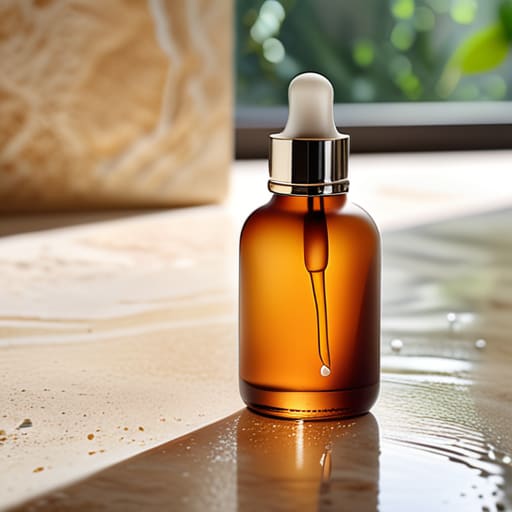
I still remember sitting on my bathroom floor in my early twenties, staring at a collection of fifteen different serums and feeling completely overwhelmed. My skin was stinging, red, and raw—a direct result of my obsession with using every harsh active on the market just because a trend told me to. I thought more was better, but all I actually did was wreck my skin barrier. It took a long time to realize that the industry thrives on making us feel like our natural skin is a problem that needs solving with a dozen expensive steps. That’s why I became such a believer in minimalist skincare; it isn’t about doing less because you’re lazy, it’s about doing less so your skin can finally breathe.
I’m not here to sell you on a complicated, ten-step ritual that eats up your morning or drains your bank account. Instead, I want to share what actually works for a busy, real-world lifestyle. I promise to give you the no-nonsense truth about which ingredients actually matter and how to build a routine that feels like a moment of peace rather than a stressful chore.
Table of Contents
Embracing the Less Is More Beauty Philosophy
For a long time, I thought a “good” routine meant having a different bottle for every possible skin concern. I was chasing that high of adding a new serum every week, only to end up with a face that felt tight, reactive, and perpetually irritated. It took a complete breakdown of my skin barrier to realize that I wasn’t helping my complexion; I was exhausting it. Embracing the less is more beauty philosophy wasn’t just about saving money or clearing off my vanity—it was about listening to what my skin actually needed to thrive.
When we talk about skincare routine decluttering, it’s easy to feel like we’re missing out. But there is so much power in stripping things back to the essentials. By focusing on a few high-quality, multi-functional skincare products, you stop the cycle of irritation and give your skin the space to actually heal. It’s about moving away from the chaos of “more” and moving toward a sense of intentionality. Instead of a stressful ritual of layering, you’re left with a few purposeful steps that respect your time and your biology.
Core Skincare Steps to Simplify Your Morning
When I first started my journey toward skincare routine decluttering, I realized my morning didn’t need five different serums to feel “complete.” Instead, I focused on the essentials that actually move the needle. Start with a gentle, non-stripping cleanser—something that leaves your face feeling soft, not tight. If you’re like me and have struggled with redness in the past, this is the perfect moment to prioritize skin barrier repair by using a hydrating, milky formula. It’s about setting a calm foundation before the chaos of the workday begins.
Once your base is clean, move straight to hydration and protection. This is where I swear by multi-functional skincare products to save time and mental energy. A good moisturizer that doubles as a soothing base for SPF is a total game-changer. By sticking to these core skincare steps, you aren’t just saving money; you’re giving your skin a chance to regulate itself without being constantly bombarded by competing actives. It’s less about adding more and more about doing what works.
My Non-Negotiables: 5 Ways to Strip Back the Chaos
- Focus on your barrier, not the burn. I learned this the hard way when I overdid the acids in my early twenties. If a product makes your skin sting or turn bright red, it’s not “working”—it’s hurting. Stick to soothing, hydrating ingredients that respect your skin’s natural rhythm.
- Quality over quantity, always. Instead of buying five mediocre serums that promise the moon, invest in one really solid, well-formulated moisturizer or SPF. It’s much better to have three products that actually do their job than a shelf full of half-measures.
- Master the art of the “multi-tasker.” My lifestyle as a freelancer means I don’t always have twenty minutes to spare. I look for products that pull double duty—like a tinted SPF that provides protection and a hint of glow, or a hydrating cleanser that doesn’t leave my face feeling stripped.
- Listen to your skin’s daily mood. Some days my skin feels resilient; other days, it feels sensitive and reactive. Minimalist skincare isn’t about a rigid, unchanging rulebook; it’s about having the freedom to scale back to just a basic balm and moisturizer when your skin needs a break.
- Stop chasing every viral trend. Social media makes it feel like if you aren’t using the latest “miracle” ingredient, you’re falling behind. Trust me, your skin doesn’t need a new chemical cocktail every week. Find a simple rhythm that works for you and let it be.
My Three Golden Rules for Skin Sanity
Focus on barrier repair, not just active ingredients; if your skin feels tight or irritated, it’s a sign to strip back the harsh acids and lean into hydration.
Quality over quantity is everything, so invest your budget in a few high-performing essentials rather than a drawer full of products you only use once.
Listen to your skin’s daily cues instead of following a rigid checklist; some days it needs extra soothing, and other days, a simple cleanse is plenty.
## A Shift in Perspective
“I spent years thinking my skin needed more, when really, it just needed more space to breathe and a few products that actually respected its boundaries.”
Neha Rajagopal
Finding Your Rhythm
At the end of the day, minimalist skincare isn’t about deprivation; it’s about intentionality. We’ve talked about stripping away the unnecessary layers and focusing on those essential pillars—cleansing, hydrating, and protecting—that actually move the needle for your skin barrier. By moving away from the constant cycle of trying every trending active ingredient, you aren’t just saving money and time; you are giving your skin the space it needs to heal and find its own natural equilibrium. It’s about choosing quality over quantity and listening to what your face is actually telling you, rather than what an Instagram ad is telling you to do.
I hope you take this as a permission slip to let go of the “more is better” anxiety. Skincare should be a quiet ritual that grounds you, much like my morning jazz or tending to my herbs, rather than another overwhelming task on your to-do list. Remember, your worth isn’t tied to how many products are sitting on your vanity, and your glow shouldn’t come at the cost of your peace of mind. Be gentle with yourself, both in your routine and in your reflection. You deserve to feel comfortable in your own skin, one simple step at a time.
Frequently Asked Questions
How do I know if my skin is actually getting what it needs if I'm using fewer products?
It’s a valid fear, especially when we’re conditioned to think more equals better. For me, the sign isn’t a sudden transformation, but rather a sense of stability. Look for less reactivity—fewer random flare-ups or that tight, stinging feeling after washing. When your barrier is actually happy, your skin starts to look calm and resilient rather than perpetually red or oily. If your texture feels smooth and your glow feels steady, you’re doing just fine.
If I'm cutting back on my routine, which specific ingredients should I make sure I'm not skipping?
When you’re stripping things back, you want to make sure you aren’t accidentally stripping your skin, too. I always tell people to prioritize the “big three”: hydration, protection, and barrier repair. Don’t skip your hyaluronic acid for that moisture boost, and please, never skip SPF—it’s the ultimate non-negotiable. If you can, look for ceramides or niacinamide, too. They’re like a warm hug for your skin barrier, keeping everything calm and resilient.
Can a minimalist routine actually handle skin concerns like acne or unexpected breakouts?
I get this question all the time, and honestly, I used to be a skeptic too. But here’s the truth: a minimalist routine isn’t just about doing less; it’s about doing what matters. When you stop overwhelming your skin with twenty different actives, you actually give your barrier a chance to heal. You can still target acne with one targeted treatment—like a gentle salicylic acid—without causing a massive flare-up from over-processing.