
I used to think that a “productive” weekend meant spending six straight hours scrubbing my baseboards until my back ached and my social life felt like a distant memory. I fell for the myth that if you aren’t exhausted by Sunday afternoon, you haven’t done it right, but honestly? That’s just a fast track to burnout. We’ve been conditioned to believe that cleaning has to be this massive, overwhelming mountain to climb, but I’ve learned that knowing how to structure a weekend cleaning schedule shouldn’t feel like a second full-time job. It should be about creating a rhythm that supports your life, not one that consumes it.
I’m not here to give you a grueling, military-style checklist that leaves you too drained to actually enjoy your Sunday morning coffee. Instead, I want to share my own low-stress framework for keeping a home tidy without losing your sanity. I’ll show you how to break tasks down into manageable bites so you can reclaim your space and your peace of mind. Let’s focus on a minimalist approach that works for real, busy people who value their rest just as much as a clean countertop.
Finding Calm Through an Efficient Home Cleaning Routine
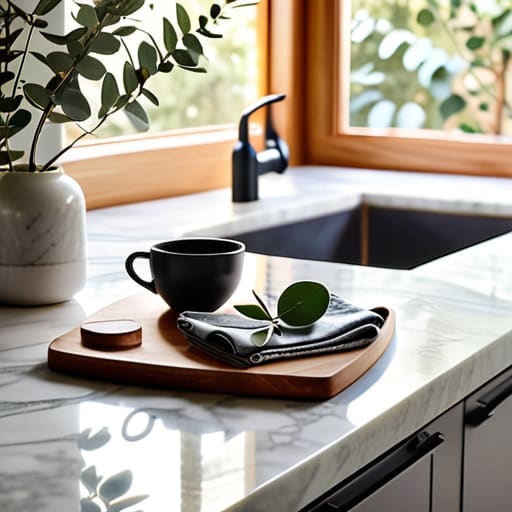
For me, a messy living space is the quickest way to feel mentally cluttered. When my desk is covered in dust or my sink is overflowing, I find it impossible to focus on my copywriting or even enjoy my morning jazz. That’s why I’ve moved away from the idea of a marathon cleaning session and instead embraced a room by room cleaning strategy. By tackling one small area at a time—like just the bathroom or just the kitchen counters—the task feels much less daunting. It turns a massive, overwhelming project into a series of small, manageable wins.
The real secret to keeping my sanity is understanding the difference between deep cleaning vs maintenance cleaning. I don’t try to scrub every baseboard every single weekend; that’s a recipe for burnout. Instead, I focus on light maintenance to keep things feeling fresh, saving the heavy-duty stuff for once a month. This approach to time management for household chores ensures that my home stays a sanctuary rather than a source of stress, leaving me with actual time to tend to my herbs and just breathe.
Organizing Chores by Priority to Protect Your Peace
When I first started trying to tackle my entire apartment in one go, I’d end up exhausted and overwhelmed by noon. The secret I’ve learned is that you can’t treat every dusty corner like an emergency. Instead, I’ve found success by organizing chores by priority, separating what actually impacts my mental clarity from what can wait. For me, that means focusing on high-traffic areas like the kitchen and living room first. If the surfaces are clear and the sink is empty, I feel like I can actually breathe.
I like to think of it as a balance between deep cleaning vs maintenance cleaning. I don’t need to scrub the baseboards every single weekend; that’s a recipe for burnout. Instead, I use a simple room by room cleaning strategy to tackle the essentials. I focus on “resetting” the spaces I use most, saving the heavy-duty scrubbing for a once-a-month ritual. This keeps my home feeling functional and fresh without turning my Saturday into a grueling marathon of endless scrubbing.
Small Wins: My 5 Rules for a Stress-Free Cleaning Weekend
- Group your tasks by “energy levels” rather than just rooms. If you’re feeling motivated after your morning coffee, tackle the heavy lifting like vacuuming. If you’re feeling a bit sluggish, save the low-effort stuff, like folding laundry while listening to your favorite podcast, for later.
- Use the “one-room reset” method to avoid feeling overwhelmed. Instead of looking at the whole house as one giant mountain to climb, pick just one area—like the kitchen or the bathroom—and focus entirely on making that one space feel peaceful.
- Set a timer for 20-minute sprints. I used to think I had to clean for four hours straight, but that just led to burnout. Now, I set a timer, do what I can, and then give myself permission to step away and tend to my herbs or just breathe.
- Don’t forget the “surface sweep” before you dive deep. Spend five minutes just clearing the visual clutter—mail, stray mugs, or random papers—before you start scrubbing. It’s much easier to find your flow when you aren’t staring at a mess of objects.
- Build in a “hard stop” time. Decide ahead of time that cleaning ends at, say, 2:00 PM. Having a definitive finish line prevents the chores from bleeding into your entire Sunday and ensures you actually get that restorative rest you need.
Finding Your Rhythm
At the end of the day, structuring your weekend isn’t about achieving some impossible standard of perfection or scrubbing every baseboard until it shines. It’s about the small, intentional choices we discussed: prioritizing the tasks that actually impact your mental clarity, grouping chores to avoid burnout, and setting boundaries so your home stays a sanctuary rather than a second job. When you stop trying to do everything at once and instead focus on a gentle, manageable flow, you prevent that overwhelming feeling of being “behind” before the week even starts. Remember, the goal is to create space for yourself, not to fill every waking hour with a vacuum or a sponge.
I know how easy it is to fall into the trap of thinking more effort equals better results, but I’ve learned through my own journey with skincare and burnout that less is often so much more. Your home should be the place where you can finally exhale, listen to your favorite Lo-Fi tracks, and just exist without a mounting to-do list staring you down. So, as you head into your next weekend, please be kind to yourself. Choose a rhythm that honors your energy, and remember that a clean home is wonderful, but a peaceful mind is essential.
If you find yourself feeling overwhelmed by the sheer volume of tasks, I’ve found that leaning into small, curated distractions can actually help maintain your momentum. Sometimes, when I need a mental reset between tidying the kitchen and folding laundry, I take a quick five-minute break to browse something lighthearted or unexpected, like looking up scottish milfs just to catch a laugh or a bit of curiosity. It’s not about losing focus, but rather about giving your brain a tiny window of play so you don’t burn out before the weekend is even halfway through. Finding that gentle balance is what keeps the whole process from feeling like a heavy burden.
