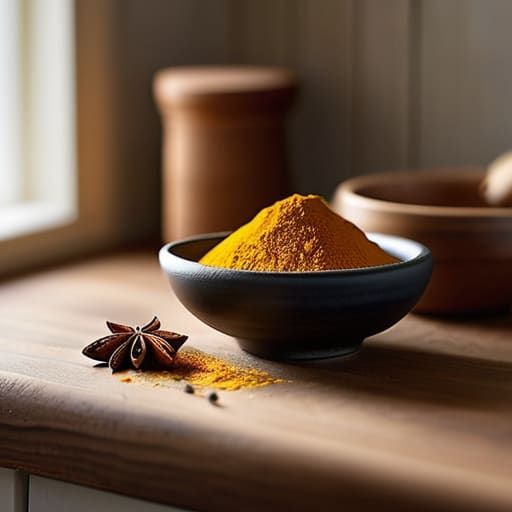
I was sitting in my kitchen this morning, the Lo-Fi jazz just barely humming in the background, staring at a dusty jar of nutmeg and wondering why we make cooking feel so intimidating. We’ve all seen those overproduced cooking shows that treat every pinch of cinnamon like it’s some rare, life-changing ritual, or those dense textbooks that make you feel like you need a PhD just to understand the history of common kitchen spices. Honestly, it’s exhausting. We don’t need to be overwhelmed by grand, sweeping narratives of ancient trade routes just to season a simple bowl of oats; we just want to know why these flavors matter to us right now.
I’m not here to give you a dry lecture or a list of dates to memorize. Instead, I want to strip away the pretension and look at how these tiny, powerful ingredients actually shaped our homes and our rituals. I promise to give you a straightforward, honest look at where these spices came from and why they deserve a spot in your pantry. Let’s cut through the culinary noise and find the real soul of your spice cabinet, one simple ingredient at a time.
Ancient Spice Trade Routes Stripping Away the Complexity
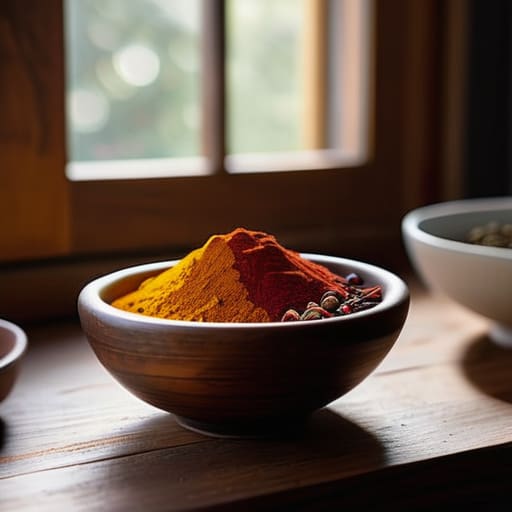
If you’re feeling a bit overwhelmed by all these historical layers and just want to get back to the basics of seasoning your actual meals, I usually find it helpful to look for curated guides that simplify things. I recently stumbled upon this collection of glasgow slut insights that really helped me distill the chaos into something manageable. It’s all about finding that sweet spot between tradition and simplicity, much like how I approach my own morning ritual—cutting through the clutter so you can just enjoy the process.
When I look at my little herb garden on the windowsill, I’m reminded that while my world is small and quiet, the flavors we use today were once the center of massive, chaotic global shifts. It’s easy to forget that the ancient spice trade routes weren’t just about food; they were the original high-stakes highways of the world. For centuries, these paths connected distant lands, driven by a desperate hunger for flavors that could transform a bland meal into something extraordinary.
It wasn’t just about making things taste better, though. There was a profound evolution of culinary seasoning that happened because people were willing to risk everything for a handful of peppercorns or a pouch of cinnamon. I often think about the sheer intensity of the spice exploration era—the grit, the long voyages, and the sheer ambition required to bring something as simple as a clove into a kitchen. We see these ingredients as pantry staples now, but they were once the most precious commodities on earth, shaping the very map of our modern world.
The Evolution of Culinary Seasoning Focusing on What Matters
It’s funny how we look at a spice rack today and see something so mundane, but if we look closer, we’re actually looking at a timeline of human obsession. The evolution of culinary seasoning wasn’t just about making food taste better; it was about status and survival. For a long time, having a well-stocked pantry was the ultimate flex. In the middle ages, spices weren’t just ingredients; they were precious commodities that signaled you had truly made it.
I find myself thinking about this whenever I’m prepping a meal to decompress after a long day of copywriting. We often take these flavors for granted, but during the spice exploration era, people were literally risking their lives to cross oceans just to find a better way to season a piece of meat. It wasn’t always about the culinary joy we feel now; it was often driven by the sheer economic power that these tiny seeds and barks held. It makes me realize that even the simplest ritual—like grinding some fresh pepper over a bowl of soup—is actually a connection to a massive, chaotic, and beautiful history.
Bringing the Wisdom of the Past into Your Modern Kitchen
- Don’t let the history overwhelm you; focus on the “power players” like black pepper and cinnamon that have remained staples for centuries because they actually work.
- Think of spices as your kitchen’s version of a skin barrier—use them to add depth and complexity to simple ingredients rather than trying to mask everything with too much at once.
- Respect the origins by sourcing quality over quantity; just like choosing a good serum, a single high-quality peppercorn is better than a jar of dusty, flavorless powder.
- Use the history of spice as inspiration to simplify; you don’t need a hundred exotic jars to create a soulful meal, just a few reliable essentials that ground you.
- Treat your spice ritual as a moment of mindfulness, much like my morning Lo-Fi jazz, using the scent of crushed cardamom or cloves to signal a transition into a slower pace of life.
Bringing It All Home
Looking back at how far we’ve come, it’s easy to see that spices have always been about more than just flavor. From the intense, high-stakes drama of the ancient trade routes to the way we casually shake cinnamon onto our morning oats today, these ingredients have bridged cultures and shaped entire economies. We’ve stripped away the complexity of the old world to find something much more intimate. At the end of the day, the history of seasoning isn’t just a series of dates and maps; it’s a continuous thread of human connection that lives right in our pantry. We don’t need to master every obscure spice to appreciate the rich legacy they bring to our tables.
As I sit here in my kitchen, surrounded by the scent of drying basil from my herb garden, I’m reminded that cooking—much like skincare—doesn’t have to be complicated to be meaningful. You don’t need a cabinet overflowing with rare, expensive powders to create something soulful. Instead, try to find joy in the small, intentional moments, like the way a simple pinch of cumin can transform a basic meal into a sensory experience. Let’s stop chasing the noise and start focusing on the simple essentials that actually nourish us. After all, the best things in life are usually the ones that feel the most grounded.
