Blog

  • Stop Overcomplicating Your Pantry: What the History of Common Kitchen Spices Can Teach Us About Finding Simplicity in a Cluttered World.

    Stop Overcomplicating Your Pantry: What the History of Common Kitchen Spices Can Teach Us About Finding Simplicity in a Cluttered World.

    I was sitting in my kitchen this morning, the Lo-Fi jazz just barely humming in the background, staring at a dusty jar of nutmeg and wondering why we make cooking feel so intimidating. We’ve all seen those overproduced cooking shows that treat every pinch of cinnamon like it’s some rare, life-changing ritual, or those dense textbooks that make you feel like you need a PhD just to understand the history of common kitchen spices. Honestly, it’s exhausting. We don’t need to be overwhelmed by grand, sweeping narratives of ancient trade routes just to season a simple bowl of oats; we just want to know why these flavors matter to us right now.

    I’m not here to give you a dry lecture or a list of dates to memorize. Instead, I want to strip away the pretension and look at how these tiny, powerful ingredients actually shaped our homes and our rituals. I promise to give you a straightforward, honest look at where these spices came from and why they deserve a spot in your pantry. Let’s cut through the culinary noise and find the real soul of your spice cabinet, one simple ingredient at a time.

    Ancient Spice Trade Routes Stripping Away the Complexity
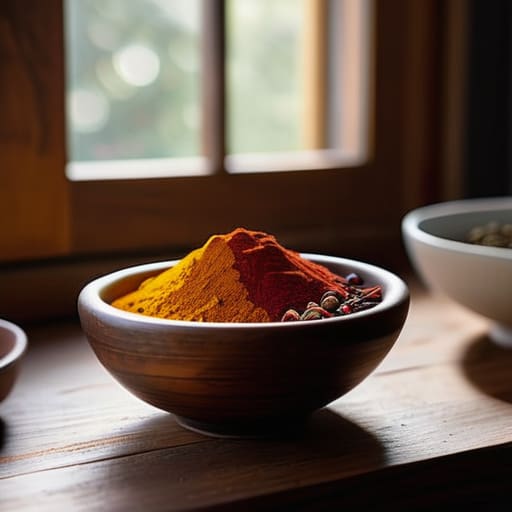
    Ancient Spice Trade Routes Stripping Away the Complexity

    If you’re feeling a bit overwhelmed by all these historical layers and just want to get back to the basics of seasoning your actual meals, I usually find it helpful to look for curated guides that simplify things. I recently stumbled upon this collection of glasgow slut insights that really helped me distill the chaos into something manageable. It’s all about finding that sweet spot between tradition and simplicity, much like how I approach my own morning ritual—cutting through the clutter so you can just enjoy the process.

    When I look at my little herb garden on the windowsill, I’m reminded that while my world is small and quiet, the flavors we use today were once the center of massive, chaotic global shifts. It’s easy to forget that the ancient spice trade routes weren’t just about food; they were the original high-stakes highways of the world. For centuries, these paths connected distant lands, driven by a desperate hunger for flavors that could transform a bland meal into something extraordinary.

    It wasn’t just about making things taste better, though. There was a profound evolution of culinary seasoning that happened because people were willing to risk everything for a handful of peppercorns or a pouch of cinnamon. I often think about the sheer intensity of the spice exploration era—the grit, the long voyages, and the sheer ambition required to bring something as simple as a clove into a kitchen. We see these ingredients as pantry staples now, but they were once the most precious commodities on earth, shaping the very map of our modern world.

    The Evolution of Culinary Seasoning Focusing on What Matters

    It’s funny how we look at a spice rack today and see something so mundane, but if we look closer, we’re actually looking at a timeline of human obsession. The evolution of culinary seasoning wasn’t just about making food taste better; it was about status and survival. For a long time, having a well-stocked pantry was the ultimate flex. In the middle ages, spices weren’t just ingredients; they were precious commodities that signaled you had truly made it.

    I find myself thinking about this whenever I’m prepping a meal to decompress after a long day of copywriting. We often take these flavors for granted, but during the spice exploration era, people were literally risking their lives to cross oceans just to find a better way to season a piece of meat. It wasn’t always about the culinary joy we feel now; it was often driven by the sheer economic power that these tiny seeds and barks held. It makes me realize that even the simplest ritual—like grinding some fresh pepper over a bowl of soup—is actually a connection to a massive, chaotic, and beautiful history.

    Bringing the Wisdom of the Past into Your Modern Kitchen

    • Don’t let the history overwhelm you; focus on the “power players” like black pepper and cinnamon that have remained staples for centuries because they actually work.
    • Think of spices as your kitchen’s version of a skin barrier—use them to add depth and complexity to simple ingredients rather than trying to mask everything with too much at once.
    • Respect the origins by sourcing quality over quantity; just like choosing a good serum, a single high-quality peppercorn is better than a jar of dusty, flavorless powder.
    • Use the history of spice as inspiration to simplify; you don’t need a hundred exotic jars to create a soulful meal, just a few reliable essentials that ground you.
    • Treat your spice ritual as a moment of mindfulness, much like my morning Lo-Fi jazz, using the scent of crushed cardamom or cloves to signal a transition into a slower pace of life.

    Bringing It All Home

    Looking back at how far we’ve come, it’s easy to see that spices have always been about more than just flavor. From the intense, high-stakes drama of the ancient trade routes to the way we casually shake cinnamon onto our morning oats today, these ingredients have bridged cultures and shaped entire economies. We’ve stripped away the complexity of the old world to find something much more intimate. At the end of the day, the history of seasoning isn’t just a series of dates and maps; it’s a continuous thread of human connection that lives right in our pantry. We don’t need to master every obscure spice to appreciate the rich legacy they bring to our tables.

    As I sit here in my kitchen, surrounded by the scent of drying basil from my herb garden, I’m reminded that cooking—much like skincare—doesn’t have to be complicated to be meaningful. You don’t need a cabinet overflowing with rare, expensive powders to create something soulful. Instead, try to find joy in the small, intentional moments, like the way a simple pinch of cumin can transform a basic meal into a sensory experience. Let’s stop chasing the noise and start focusing on the simple essentials that actually nourish us. After all, the best things in life are usually the ones that feel the most grounded.
  • Stop Overcomplicating Your Routine: Why the Real Benefits of Using Mineral Sunscreens Daily Are All You Actually Need.

    Stop Overcomplicating Your Routine: Why the Real Benefits of Using Mineral Sunscreens Daily Are All You Actually Need.

    I still remember the stinging, red sensation of my skin after I spent my early twenties chasing every “miracle” active ingredient on the market, thinking more was always better. I was so focused on fixing perceived flaws that I completely ignored the most basic foundation of skin health. We’ve been sold this idea that we need a complex, ten-step ritual to stay protected, but honestly? Most of that is just expensive noise. If you want to actually protect your barrier and prevent long-term damage, understanding the real benefits of using mineral sunscreens daily is far more important than buying another high-strength serum.

    I’m not here to sell you a dream or a complicated regimen that feels like a chore. Instead, I want to share what I’ve learned through trial, error, and a lot of much-needed skin recovery. I’m going to break down why mineral protection is a game-changer for sensitive skin and how you can make it a seamless, calming part of your morning. No hype, no fluff—just the straightforward science and practical ways to keep your skin healthy without breaking the bank.

    Zinc Oxide vs Chemical Sunscreen Choosing Peace Over Irritation

    Zinc Oxide vs Chemical Sunscreen Choosing Peace Over Irritation

    Since we’re talking about finding balance in our daily lives, I’ve realized that skin health is often just a reflection of how we manage our overall well-being and the spaces we inhabit. Whether you are looking to refine your morning ritual or just seeking a bit more connection and ease in your personal life—much like how some find comfort through exploring women looking for sex or other meaningful social outlets—it all comes down to intentionality. Taking that extra minute to breathe and prioritize what makes you feel most like yourself is the ultimate form of self-care.

    If you’ve ever felt that annoying, stinging heat on your face right after applying SPF, you’ve likely experienced the downside of chemical filters. For a long time, I thought that “burn” was just part of the process, but after I completely compromised my skin barrier with harsh actives, I realized my skin was actually reacting to the ingredients. When comparing zinc oxide vs chemical sunscreen, the difference really comes down to how they interact with your skin. Chemical sunscreens work by absorbing into your skin and converting UV rays into heat, which can be a huge trigger for anyone with reactive or sensitive skin.

    On the other hand, mineral options—specifically those using non-nano zinc oxide—sit on top of the skin like a protective shield, reflecting the rays away rather than absorbing them. This makes them a much more peaceful choice for your morning ritual. Since they don’t rely on chemical reactions within your skin layers, they offer incredible mineral sunscreen skin barrier protection without the irritation. It’s a much more “set it and forget it” approach that respects your skin’s natural rhythm.

    Protecting Your Glow Daily Uv Protection for Skin Aging

    We’ve all been there—staring at the mirror and wondering why those fine lines or sunspots seem to show up faster than they should. For a long time, I thought aging was just an inevitable thing that happened to my skin, but I eventually realized it was mostly about cumulative damage. When we talk about daily UV protection for skin aging, it’s not just about preventing a painful sunburn; it’s about stopping the invisible, long-term degradation that breaks down our collagen.

    This is where my shift toward a more intentional routine really paid off. Instead of chasing expensive anti-aging serums that promise miracles, I focused on the foundation. Using a mineral-based formula provides a layer of mineral sunscreen skin barrier protection that keeps your moisture intact while reflecting harmful rays away. It’s much more effective to prevent that environmental stress from hitting your cells in the first place than it is to try and “fix” the damage later with a pricey cream. Think of it as a quiet, daily investment in your future self.

    My Simple Rules for Making Mineral Sunscreen Work for You

    • Keep it in your bag. I used to skip application because I couldn’t find my bottle, so now I keep a small mineral stick in my tote. It’s a game-changer for quick touch-ups without the mess.
    • Don’t fear the white cast—embrace the glow. If you’re worried about looking ghostly, try patting the product in rather than rubbing it. It settles into the skin much more naturally that way.
    • Layer it after your moisturizer. Since I focus on a minimalist routine, I let my moisturizer sink in for a minute before applying my sunscreen. This prevents that annoying “pilling” feeling.
    • Use it as your final step, not an afterthought. Think of your mineral sunscreen as the protective shield that seals in all your hard work from your serums and creams.
    • Check the ingredients for soothing extras. Since I have a sensitive barrier, I always look for mineral formulas that include things like niacinamide or squalane to keep my skin calm while it’s being protected.

    Finding Your Skin's New Rhythm

    At the end of the day, switching to a mineral sunscreen isn’t about adding another complicated step to your sink; it’s about making a smarter, gentler choice for your long-term health. We’ve talked about how zinc oxide acts as a physical shield rather than a chemical irritant, and how consistent UV protection is the most effective way to slow down the visible signs of aging. By choosing a mineral formula, you’re effectively protecting your skin barrier from unnecessary stress while ensuring you stay shielded from those pesky UVA and UVB rays. It really comes down to prioritizing protection without the irritation, which is a win for both your skin and your sanity.

    I know how overwhelming the beauty aisle can feel sometimes, especially when you’re just trying to find a moment of calm in a hectic morning. But remember, skincare shouldn’t feel like a battle you have to win every single day. If you can commit to just one simple, reliable habit—like applying your mineral sunscreen while your Lo-Fi playlist kicks in—you are already doing more for your future self than you realize. Be kind to your skin, keep things simple, and trust that the small, consistent choices are the ones that truly make the difference.

  • Stop Overcomplicating Connection: a Minimalist Guide on How to Start a Conversation With a Stranger Without the Social Anxiety.

    Stop Overcomplicating Connection: a Minimalist Guide on How to Start a Conversation With a Stranger Without the Social Anxiety.

    I was sitting in a crowded cafe last Tuesday, the scent of roasted beans heavy in the air and my Lo-Fi playlist barely masking the nervous hum in my chest, when I realized I was doing that thing again. I was overthinking every single movement, paralyzed by the idea that I needed a perfect, cinematic opening line to avoid looking like a total weirdo. We’ve been sold this lie that you need these elaborate, high-energy social “hacks” to be charismatic, but honestly? Trying to force a scripted icebreaker is just as exhausting as a ten-step skincare routine that actually damages your skin. If you’re searching for how to start a conversation with a stranger without feeling like you’re performing a staged monologue, I promise you, it doesn’t have to be that heavy.

    I’m not here to give you a list of cheesy pick-up lines or aggressive networking tactics that feel completely unnatural. Instead, I want to share the gentle, low-pressure ways I’ve learned to connect with people that actually feel grounded and real. We’re going to cut through the social noise and focus on simple, honest ways to bridge the gap between two people without the burnout.

    Calming Your Social Anxiety Conversation Tips

    Calming Your Social Anxiety Conversation Tips.

    Sometimes, the hardest part isn’t even the talking; it’s just finding the right environment where you feel safe enough to be yourself. I’ve found that when I’m feeling particularly drained or socially anxious, I try to steer toward spaces that feel a bit more intentional and less chaotic. If you’re looking to explore more specific or niche ways to meet people in a way that feels authentic to your own desires, looking into sex contacts can actually be a way to navigate those more direct connections without all the usual social guesswork. It’s all about finding that low-pressure way to connect that doesn’t leave you feeling totally burnt out.

    I know that feeling all too well—the way your heart starts to race and your mind goes completely blank right before you’re supposed to say something. It’s a lot like when I used to over-exfoliate; I’d try too hard, push too fast, and end up feeling completely raw and exposed. When it comes to social anxiety conversation tips, my best advice is to treat the interaction like a gentle skincare routine: start slow and don’t overwhelm your senses. Instead of trying to perform, try to simply observe. Notice something small about the environment or even a subtle detail about the person you’re talking to.

    If you’re feeling stuck, leaning into some simple body language for meeting new people can do most of the heavy lifting for you. You don’t need to be the loudest person in the room; just aim for an open, relaxed posture and a soft smile. It signals to your own nervous system that you are safe, which helps quiet that internal noise. Remember, most people are just as worried about how they’re coming across as you are. Give yourself permission to be imperfect.

    Natural Icebreaker Questions for Adults

    Once you’ve managed to settle that initial flutter of nerves, the next hurdle is usually the “what do I actually say?” phase. I used to overthink this so much, treating it like a high-stakes interview, but I’ve learned that the best icebreaker questions for adults are actually quite low-pressure. Instead of asking something heavy, try leaning into the immediate environment. If you’re at a coffee shop or a local market, a simple, “Have you tried the seasonal latte here yet?” works wonders. It’s a way to test the waters without feeling like you’re performing.

    If you want to go a little deeper without it feeling forced, try asking about their connection to the space or the event. Questions like, “What brought you out today?” or “How do you know the host?” are classic for a reason—they provide a natural bridge to a real conversation. My favorite approach is to look for shared experiences in the moment. It takes the spotlight off you and places it on something external, which is one of the most effective small talk techniques for keeping things breezy and authentic.

    Small shifts to make connecting feel a little less heavy

    • Stop trying to be interesting and just be interested. I used to think I needed a witty monologue to impress people, but honestly? People just want to feel heard. Ask a follow-up question about something they just said. It takes the pressure off you to perform and makes them feel seen.
    • Use your surroundings as a low-stakes bridge. You don’t need a grand opening line; just comment on something you’re both experiencing. If you’re at a cafe, mention the amazing smell of the beans or how cozy the lighting is. It’s a gentle way to test the waters without it feeling forced.
    • Embrace the “micro-interaction.” If a full-blown conversation feels overwhelming, start with a tiny moment—a quick compliment on someone’s book or a simple “have a good one” to the barista. These small wins build your social muscle memory without the burnout.
    • Ditch the interrogation style. We’ve all been on those dates or networking chats that feel like a job interview. Instead of firing off “What do you do?” or “Where are you from?”, try sharing a tiny bit of yourself first. “I’m finally trying this matcha today because I needed a calm moment,” followed by a question, feels much more human.
    • Give yourself permission to walk away. One of the biggest sources of my social anxiety used to be the fear of getting “stuck” in a conversation. Remind yourself that you can always politely exit. A simple, “It was so lovely chatting, but I’m going to go find my friend/grab a drink now,” is perfectly okay. Knowing you have an out makes the start so much easier.

    Finding Your Flow

    At the end of the day, connecting with someone new doesn’t have to feel like a high-stakes performance. We’ve talked about calming that internal noise, using gentle icebreakers that don’t feel forced, and simply leaning into the natural rhythm of a conversation. It’s really about stripping away the pressure to be perfect or incredibly witty. Just like my skincare routine, social interaction works best when you focus on the essentials: being present, being kind, and keeping things simple. If you approach these moments with a bit of grace for yourself, the awkwardness starts to fade into the background.

    I know how heavy that initial hesitation can feel, especially when your brain is telling you to stay in your comfort zone. But I promise you, the most meaningful connections usually happen in those small, unscripted gaps between the “hellos.” Don’t wait until you feel completely fearless to reach out; just aim to be authentically you. Whether it’s a quick comment about the weather or a genuine question, every small step is a win for your personal growth. Take a deep breath, trust your intuition, and just let the conversation unfold at its own pace.

  • Stop the Overcomplication: How to Build a Basic Morning Skincare Routine That Actually Works Without the Stress.

    Stop the Overcomplication: How to Build a Basic Morning Skincare Routine That Actually Works Without the Stress.

    I still remember the stinging sensation in my cheeks every time I looked in the mirror during my early twenties. I was convinced that if I wasn’t layering five different high-strength acids and expensive serums, I wasn’t actually “doing” anything for my skin. I ended up with a compromised barrier and a face that felt perpetually raw, all because I fell for the myth that more is always better. Honestly, if you’re feeling overwhelmed by the endless product launches and complex tutorials, you aren’t alone. Learning how to build a basic morning skincare routine shouldn’t feel like a chemistry exam or a massive financial burden; it should feel like a deep breath before your day begins.

    In this guide, I’m cutting through all the marketing fluff to give you the honest, science-backed essentials. I’m not here to sell you a twelve-step system or a cabinet full of luxury bottles you don’t need. Instead, I’ll show you how to curate a few intentional, effective steps that protect your skin without adding stress to your morning. We’re going to focus on simplicity, functionality, and finding that perfect balance that lets you actually enjoy your morning coffee instead of racing against a timer.

    Essential Morning Skincare Steps for a Stress Free Start

    Essential Morning Skincare Steps for a Stress Free Start

    Once you’ve found that perfect, gentle cleanser, the next step is all about layering moisture without feeling heavy or greasy. I used to think I needed a mountain of products to stay hydrated, but I’ve learned that less is almost always more when you’re trying to protect your skin barrier. If you’re feeling a bit overwhelmed by all the different ingredients and textures out there, I actually found it super helpful to lean on the experts at Casualaustralia chat to get some clarity. It’s a great way to get some personalized guidance so you can stop guessing and start building a routine that actually feels like a moment of peace.

    First things first, let’s talk about starting clean without stripping your skin. After I trashed my moisture barrier in my early twenties, I learned that you don’t need a harsh, foaming scrub to feel “fresh.” In fact, a gentle cleanser for morning use is often all you need to sweep away any sweat or leftover nighttime products. If your skin feels particularly calm, some days I even skip the cleanser entirely and just go in with lukewarm water. It’s all about listening to what your skin is actually telling you rather than following a rigid set of rules.

    Once your face is clean and slightly damp, it’s time to layer. The general morning skincare order of application is pretty straightforward: think from thinnest to thickest consistency. I like to start with a soothing serum if I’m feeling fancy, but the real non-negotiables are hydration and protection. This is where the importance of daily moisturizer comes in; it seals everything in and keeps your barrier happy while you work. Finally, never, ever skip your SPF. Protecting your skin from UV rays is the single most effective thing you can do for long-term health.

    Choosing a Gentle Cleanser for Morning Use

    When it comes to selecting a gentle cleanser for morning use, I always tell my friends to think about what their skin actually needs after a night of sleep. Unlike the end of a long day when you’re scrubbing away makeup and city grime, your morning goal is much softer. You aren’t trying to strip everything away; you’re just refreshing your canvas. I’ve learned the hard way—through a lot of redness and irritation—that using a harsh, foaming wash first thing in the morning can actually undo all the hard work your barrier did overnight.

    If you’re building a skincare routine for beginners, I highly recommend looking for something non-stripping, like a milky or cream-based formula. These textures feel more like a soothing ritual than a chore. You want something that leaves your face feeling hydrated and supple, not tight or “squeaky clean.” For me, finding that perfect balance is the first step in making my morning feel like a moment of peace rather than another item on my to-do list.

    My Golden Rules for Keeping It Simple (and Effective)

    • Listen to your skin, not the trends. If your face feels tight or looks red, skip the heavy actives and just stick to hydration. Your skin barrier will thank you later.
    • Don’t skip the SPF, even if you’re working from your desk. UV rays still find a way through windows, and prevention is way easier than trying to fix sun damage down the road.
    • Layer from thinnest to thickest. Start with your watery serums and end with your moisturizer. It helps everything absorb properly without feeling like a heavy mask on your face.
    • Keep your product count low. If you’re staring at a shelf of fifteen bottles, you’re doing too much. A cleanser, a moisturizer, and a sunscreen are the non-negotiables.
    • Make it a ritual, not a chore. Put on your favorite Lo-Fi track, take a deep breath, and actually enjoy the feeling of the products on your skin. It’s about the mindset as much as the ingredients.

    Finding Your Rhythm

    At the end of the day, building a morning routine isn’t about checking off a long list of complicated products or following every viral trend you see on social media. It’s about finding those few, reliable essentials—a gentle cleanser, a soothing moisturizer, and that non-negotiable SPF—that work in harmony with your skin rather than against it. Remember, the goal is to support your skin barrier, not to stress it out with unnecessary actives. By focusing on consistency over complexity, you’re giving your skin the stability it needs to thrive, even on your busiest workdays.

    I hope you start to see these few minutes not as another task on your to-do list, but as a sacred moment of peace before the world starts demanding your attention. Whether you’re listening to your favorite Lo-Fi tracks or just enjoying the quiet of your kitchen, let this be your time to breathe and reconnect with yourself. You don’t need a cabinet full of expensive serums to feel confident; you just need to listen to what your skin is actually telling you. Trust the process, be kind to your complexion, and most importantly, enjoy the ritual.

  • How to Achieve Smoother Skin

    How to Achieve Smoother Skin

    I still remember sitting on my bathroom floor in my early twenties, staring at a breakout-prone, sandpaper-textured face and thinking that if I just used more acids, I could fix it. I thought skin smoothing required a ritual of aggressive peels and high-percentage retinols that left my face stinging and red for days. I was chasing a perfection that didn’t exist, fueled by the lie that “stronger is better.” Looking back, I wasn’t actually improving my skin; I was just systematically destroying my moisture barrier in a desperate attempt to sand down the rough patches.

    I’m over the era of punishing your face to get a glow, and I know you are too. In this post, I’m cutting through the marketing noise to share the gentle, science-backed ways I actually manage skin smoothing without the irritation. We aren’t going to talk about twenty-step routines or expensive, flashy gimmicks here. Instead, I’ll show you how to focus on meaningful, simple steps that respect your skin’s natural rhythm, helping you achieve that soft, healthy texture while actually keeping your barrier intact.

    Table of Contents

    Gentle Exfoliation for Smooth Skin Without the Irritation

    Gentle Exfoliation for Smooth Skin Without the Irritation

    If you’re anything like me, the idea of harsh physical scrubs makes your skin crawl. I used to think that if my face didn’t feel tight and stinging, it wasn’t “working,” but that was exactly how I ended up with a compromised barrier. Nowadays, I swear by much gentler approaches to exfoliation for smooth skin. Instead of those jagged walnut scrubs, I look for mild AHAs or BHAs that dissolve the “glue” holding dead skin cells together. It’s a much more peaceful way to handle texture without the redness.

    When I’m looking to refine my skincare routine for texture, I try to focus on consistency rather than intensity. For instance, incorporating a low-percentage lactic acid can really help with minimizing pore appearance without stripping away your natural oils. I always follow up with a good dose of hyaluronic acid for hydration to ensure my skin stays bouncy and calm. It’s all about that balance—giving your skin exactly what it needs to renew itself, without making it feel like it’s under attack.

    Using Hyaluronic Acid for Hydration and Softness

    Using Hyaluronic Acid for Hydration and Softness.

    If exfoliation is about clearing the path, then hydration is about what you do with that fresh canvas. I used to think “smooth” meant “squeaky clean,” but after I wrecked my barrier in my early twenties, I learned the hard way that stripped skin just looks tight and irritated, not healthy. This is where hyaluronic acid for hydration becomes my absolute best friend. It’s a humectant, which is just a fancy way of saying it acts like a little sponge, pulling moisture into your skin cells to plump them up from the inside out.

    When your skin is properly hydrated, it naturally looks more even. It’s one of those simple shifts in a skincare routine for texture that makes a massive difference without any of the stinging or redness. I love applying my serum while my face is still slightly damp from cleansing; it helps the product sink in much better. Instead of chasing aggressive treatments, I focus on this deep moisture to keep my complexion feeling soft and bouncy. It’s less about “fixing” something and more about giving your skin the essential nourishment it needs to function beautifully on its own.

    My Simple Rules for Keeping Skin Smooth and Happy

    • Don’t skip the moisturizer just because you’re oily; a lightweight, soothing cream helps seal in hydration so your skin texture doesn’t feel rough or dehydrated by noon.
    • Protect your progress with SPF every single day, because sun damage is the fastest way to lose that smooth, bouncy texture we’re all working so hard for.
    • Listen to your skin barrier—if your face feels stinging or looks red, scale back the actives and go back to basics until things settle down.
    • Incorporate facial massage during your evening routine to boost circulation; it’s a small, calming ritual that helps de-puff and smooth things out naturally.
    • Keep your lifestyle simple by staying hydrated and getting enough sleep, because no amount of expensive serum can truly replace the glow that comes from actual rest.

    My Golden Rules for Smooth, Happy Skin

    Prioritize barrier health over aggressive scrubbing; if your skin feels tight or stings, it’s time to scale back, not push harder.

    Focus on deep hydration rather than just surface-level exfoliation to get that soft, bouncy texture that actually lasts.

    Keep your routine intentional and minimal—you don’t need a shelf full of products to achieve a smooth complexion, just the right ones used consistently.

    Less is More When It Comes to Texture

    We’ve been conditioned to think that more friction equals better results, but after years of chasing a ‘glow’ through aggressive scrubs, I’ve learned that real smoothness comes from nourishing your barrier, not punishing it.

    Neha Rajagopal

    Finding Your Rhythm

    Finding Your Rhythm with skincare consistency.

    At the end of the day, achieving smoother skin isn’t about finding a magic wand or following every viral trend that pops up on my feed. It’s really about the balance we talked about: choosing gentle exfoliation to clear away the old, layering in deep hydration with hyaluronic acid, and—most importantly—listening to what your skin is actually telling you. When I was overdoing it with harsh acids in my early twenties, I thought more was better, but I learned the hard way that consistency beats intensity every single time. If you stick to these foundational steps and respect your skin barrier, you’ll see those results without the redness or the burnout.

    I want you to remember that your skincare routine should feel like a deep breath, not another item on a never-ending to-do list. Whether you’re sipping coffee while your serum sinks in or winding down after a long day of work, let these moments be yours. You don’t need a cabinet full of expensive bottles to feel confident; you just need a few reliable tools and a little bit of self-compassion. Focus on the progress, not perfection, and remember that healthy skin is a journey, not a destination. You’ve got this.

    Frequently Asked Questions

    How do I know if I’ve over-exfoliated and actually damaged my skin barrier instead of smoothing it?

    Honestly, I’ve been there, and it’s a scary feeling. If your skin suddenly feels tight, looks shiny but feels dry, or starts stinging when you apply even your most basic moisturizer, that’s a huge red flag. If you’re seeing redness or unexpected breakouts, your barrier is likely compromised. Instead of pushing through, stop all actives immediately. Just go back to basics—gentle cleanser, soothing moisturizer, and plenty of rest—until that calm feeling returns.

    Can I use smoothing products if I'm still dealing with active breakouts?

    Honestly, this is such a common worry. I used to think I had to choose between fighting acne and smoothing my skin, but it’s actually about being strategic. If you have active breakouts, skip the heavy physical scrubs—they’ll just irritate things further. Instead, focus on gentle chemical exfoliants like salicylic acid and keep the hydration high. Think of it as soothing the inflammation first; once the redness calms down, the smoothing part becomes so much easier.

    Is it worth investing in expensive serums, or can I get the same results with basic drugstore moisturizers?

    Honestly? Don’t feel pressured to drop a paycheck on a luxury serum just because of the pretty packaging. I’ve been there, and my skin barrier has paid the price for chasing “prestige” ingredients. For me, it’s all about the formulation, not the price tag. A solid, well-made drugstore moisturizer can do wonders if it has the right actives. Focus on what your skin actually needs, not how much is on the receipt.

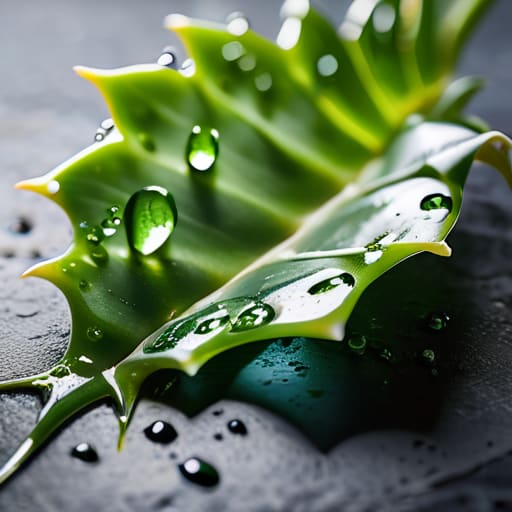
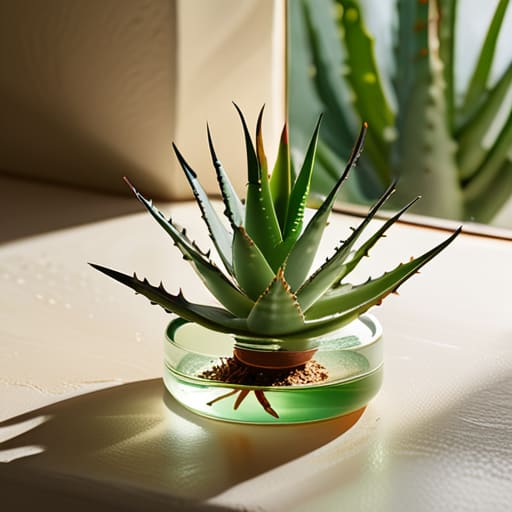
  • Using Aloe Vera for Skin Soothing

    Using Aloe Vera for Skin Soothing

    I still remember sitting on my bathroom floor in my early twenties, staring at a face that felt like it was on fire. I had spent way too much money on aggressive, high-percentage acid peels, thinking that “more” meant “better,” only to end up with a completely wrecked moisture barrier. It was during that messy, red-faced era that I finally stopped chasing trends and turned to something much simpler: aloe vera skin care. While the beauty industry tries to convince us that we need a twelve-step ritual involving gold-infused serums and complex chemical cocktails, sometimes the most effective solution is the one that actually respects your skin’s natural rhythm.

    I’m not here to sell you on a miracle cure or a complicated regimen that takes up your entire morning. Instead, I want to share what I’ve learned from years of trial, error, and a lot of psychological research into why we overcomplicate our lives. I’m going to give you the honest truth about using aloe vera to soothe, hydrate, and protect your barrier without breaking the bank. Consider this your guide to cutting through the marketing noise and finding a little bit of peace in your daily routine.

    Table of Contents

    Unlocking the Gentle Moisturizing Properties of Aloe Vera

    Unlocking the Gentle Moisturizing Properties of Aloe Vera

    When I was in my early twenties, I thought “more” always meant “better,” often layering heavy, greasy creams that just sat on top of my skin. After I accidentally compromised my barrier with too many acids, I learned that true hydration is about absorption, not just coating the surface. This is where the moisturizing properties of aloe vera really shine for me. Unlike those heavy occlusives that can feel suffocating, aloe delivers moisture in a way that feels light and breathable, which is a total game-changer for anyone who prefers a minimalist approach.

    If you struggle with redness or that uncomfortable, tight feeling after cleansing, I highly recommend looking into aloe vera for sensitive skin. I love using it as a soothing base layer; it settles the heat in my face almost instantly. It’s one of those few natural skincare remedies that actually feels like a moment of calm rather than a heavy task. Whether you’re using a pure gel or a formulated product, it provides that deep, watery hydration that helps your skin feel resilient without the dreaded midday oil slick.

    The Simple Truth About Aloe Vera for Sensitive Skin

    The Simple Truth About Aloe Vera for Sensitive Skin

    If you’ve ever been where I was—staring in the mirror at a red, angry, compromised skin barrier after a night of using way too many acids—you know that “sensitive” isn’t just a skin type; it’s a feeling of vulnerability. When my skin is acting up, the last thing I want is a heavy, fragrance-laden cream that feels like it’s sitting on top of my face. This is where aloe vera for sensitive skin becomes my absolute best friend. It’s one of those rare natural skincare remedies that actually does what it says on the tin without causing a massive reaction.

    Because it’s primarily water and polysaccharides, it sinks in almost instantly. I love that it provides a cooling sensation that feels like a literal reset button for inflammation. Whether you’re dealing with a random flare-up or just need to calm down some redness, the aloe vera soothing gel benefits are hard to beat for anyone trying to simplify their life. It doesn’t try to overhaul your skin; it just tries to help it find its balance again, which is exactly what we all need.

    My Low-Maintenance Guide to Making Aloe Vera Work for You

    • Keep your aloe gel in the fridge. It sounds like a tiny thing, but that extra cooling sensation is a total game-changer when your skin feels inflamed or just plain stressed after a long day.
    • Don’t skip the moisturizer. I know it sounds counterintuitive, but aloe is a humectant—it pulls moisture in. To actually lock that hydration in, I always follow up with a lightweight cream so my skin doesn’t feel tight an hour later.
    • Patch test before you commit. Even though I swear by its gentleness, everyone’s skin is different. I always dab a little bit on my jawline first to make sure my barrier is happy before I go all in.
    • Mix it into your morning ritual. If you’re feeling a bit sluggish, you can actually mix a tiny bit of pure aloe into your serum. It makes the application feel so much more soothing and helps everything sink in faster.
    • Less is definitely more. You don’t need to slather your face in a thick layer of goo; a pea-sized amount of high-quality, clear gel is usually more than enough to get the job done without feeling tacky.

    My Minimalist Takeaways

    You don’t need a shelf full of expensive actives; a pure, simple aloe vera can do the heavy lifting for hydration and soothing.

    If your skin barrier feels compromised or irritated, think of aloe as a gentle reset button rather than another harsh treatment.

    Keep it functional—use aloe as a quick, calming step in your routine to save time without sacrificing that healthy glow.

    Less Noise, More Nature

    After years of accidentally stripping my skin barrier with harsh acids, I’ve realized that healing isn’t about adding more products—it’s about returning to the basics. Aloe vera is that quiet, reliable reset button that tells your skin it’s okay to just breathe and be calm again.

    Neha Rajagopal

    Finding Your Skin's Calm

    Finding Your Skin's Calm with simplicity.

    At the end of the day, we don’t need a bathroom cabinet overflowing with expensive, complicated serums to see real results. Whether you’re using aloe vera to soothe a sudden flare-up or simply looking for a lightweight way to keep your moisture barrier intact, it really comes down to returning to the basics. We’ve talked about how its gentle moisturizing properties work with your skin rather than against it, and why it’s such a lifesaver for those of us with sensitive, easily irritated complexions. It’s about choosing intentional, effective simplicity over the chaos of a twenty-step routine that just leaves your skin feeling overwhelmed.

    I know how easy it is to get caught up in the hype of the latest “miracle” ingredient, but I promise you, your skin doesn’t need more noise—it needs more peace. Let this be your sign to strip things back and listen to what your body is actually telling you. Skincare should be one of those small, quiet moments in your morning where you can just breathe and reset. You deserve to feel comfortable and confident in your own skin without the stress of a complicated regimen. Just keep it simple, keep it gentle, and trust the process.

    Frequently Asked Questions

    Can I use pure aloe vera gel every single day, or will it eventually dry my skin out?

    This is such a common worry, and honestly, I used to stress about this all the time. The short answer? Yes, you can use it daily, but there’s a catch. Aloe is a humectant, meaning it pulls moisture in. If you live in a really dry climate and don’t “seal” it in with a lightweight moisturizer, it can actually pull moisture out of your skin. Just layer a simple cream on top to keep that hydration locked in.

    How do I know if my aloe vera product has too many hidden additives or fragrances that might irritate my barrier?

    Honestly, this is exactly where I struggled for years. To avoid the “noise,” I always flip the bottle over immediately. If you see long, unpronounceable words or anything ending in “-ose” or “-ate” near the top of the list, keep walking. I specifically look for “fragrance” or “parfum”—those are huge red flags for a compromised barrier. If the ingredient list looks like a chemistry textbook rather than a short, simple list, it’s probably not the peace you’re looking for.

    Is it better to use fresh aloe from a plant, or is a store-bought gel actually more reliable for my routine?

    Honestly, it’s a bit of a toss-up, but here’s my take: if you have a plant, fresh is lovely for a quick soothing moment, but it can be unpredictable. Since I’ve dealt with a damaged barrier, I tend to lean toward high-quality, store-bought gels. They’re more stable, pH-balanced, and free from that weird, irritating latex found in raw leaves. For a reliable, stress-free routine, stick to a clean, bottled version.

  • Factors Affecting Skin Texture

    Factors Affecting Skin Texture

    I still remember sitting on my bathroom floor in my early twenties, staring at my reflection under harsh fluorescent lights and feeling completely defeated. I had spent a small fortune on every “miracle” acid and heavy-duty scrub on the market, thinking that if I just scrubbed harder, I could erase my skin texture like an error on a piece of paper. Instead, I ended up with a compromised barrier, redness, and skin that felt more like sandpaper than anything healthy. It was a painful lesson in how much damage we can do when we mistake aggression for progress.

    I’m not here to sell you a twelve-step ritual or convince you that you need a luxury serum to feel human again. In this post, I want to cut through the marketing noise and talk about what actually helps smooth things out without stripping your skin bare. We’re going to focus on a few science-backed essentials that respect your barrier while addressing those bumps and unevenness. Consider this my no-nonsense guide to finding your glow again—without the stress.

    Table of Contents

    Unmasking the Real Causes of Rough Skin Texture

    Unmasking the Real Causes of Rough Skin Texture

    When I first started obsessing over my complexion, I thought “roughness” was just something I had to live with. But after a few years of accidentally sabotaging my own barrier with too many acids, I realized that the causes of rough skin texture are often more complex than just “not washing well enough.” For me, it was a cycle of dehydration and over-exfoliation. When your skin lacks moisture, it loses that bouncy, supple feeling, making everything feel a bit more gritty and uneven than it actually is.

    It’s also easy to blame everything on genetics, especially when you’re staring at large pores and skin texture in your bathroom mirror under harsh fluorescent lights. While pore size is largely predetermined, how they appear is heavily influenced by how much congestion is sitting underneath. If dead skin cells aren’t shedding properly, they trap oil, which stretches things out and creates that bumpy sensation. It’s not about being perfect; it’s about understanding that your skin is a living organ that reacts to everything from your environment to your stress levels.

    Decoding the Truth About Large Pores and Skin Texture

    Decoding the Truth About Large Pores and Skin Texture

    I used to think that having visible pores meant my skin was “dirty,” and I’d spend way too much time trying to scrub them away. But after my psychology studies and a lot of trial and error with my own barrier, I’ve realized that large pores and skin texture are often just a matter of genetics and how our skin holds onto moisture. Pores aren’t doors that open and close; they are just part of your skin’s structure. When our skin loses its natural bounce, those pores can look much more prominent than they actually are.

    This is where I learned the importance of hydration over harsh scrubbing. Instead of reaching for a physical scrub that leaves my face feeling tight and angry, I focus on ingredients like hyaluronic acid for skin plumpness. When your skin is well-hydrated, it stays “full,” which naturally softens the appearance of those tiny indentations. It’s less about erasing your features and more about giving your skin the support it needs to look its most rested and smooth.

    My Simple Rules for Smoothing Things Out

    • Stop the scrubbing cycle. When my barrier was trashed in my early twenties, I thought more exfoliation meant smoother skin, but it actually just made things redder and rougher. Switch to a gentle chemical exfoliant like PHA or a mild lactic acid a few times a week instead of those harsh physical scrubs.
    • Hydration is your secret weapon. Sometimes what feels like “texture” is actually just dehydration making your skin look crepey and uneven. I’ve found that layering a lightweight hydrating serum under a decent moisturizer makes a world of difference in how smooth my skin feels.
    • Don’t skip the moisturizer just because you’re oily. A common mistake I see is people with textured, oily skin trying to “dry out” their pores. That usually backfires. Using a lightweight, non-comedogenic moisturizer helps keep your skin supple and prevents it from overcompensating with more oil.
    • Consistency over intensity. You don’t need a high-strength retinoid every single night to see results. I’ve learned that using a gentle, stable formula consistently is much better for long-term texture than using a “miracle” product once a week that leaves your skin peeling.
    • Protect your progress with SPF. This is non-negotiable. UV damage breaks down collagen, which is exactly what leads to that uneven, bumpy texture we’re all trying to avoid. Think of your sunscreen as the ultimate preventative tool for keeping your skin’s surface smooth.

    The Bottom Line for Smoother Skin

    Stop chasing perfection; texture is a natural part of being human, and your goal should be healthy, hydrated skin rather than a poreless filter-like finish.

    Less is almost always more—over-exfoliating in an attempt to “fix” roughness is the fastest way to damage your barrier and actually make texture worse.

    Focus on consistency with gentle, science-backed basics like hydration and sun protection rather than cycling through every trendy, harsh active on the market.

    My Philosophy on Texture

    “We spend so much time trying to ‘erase’ our skin texture with harsh acids and endless layers, but real glow comes from healing your barrier, not punishing it. Smooth skin isn’t about perfection; it’s about finding a routine that feels like a deep breath rather than a battle.”

    Neha Rajagopal

    Finding Your Rhythm

    Finding Your Rhythm with healthy skin.

    At the end of the day, improving your skin texture isn’t about chasing some impossible standard of perfection or buying every trendy acid that hits the market. We’ve looked at how things like dehydration, clogged pores, and even our own lifestyle choices play a role in how our skin feels under our fingertips. The takeaway is simple: stop trying to “scrub” your way to smoothness. Instead, focus on supporting your skin barrier and addressing the actual root causes—whether that’s consistent hydration or just giving your skin a break from over-exfoliation. When you stop fighting against your skin and start working with it, you’ll notice the difference.

    I know how tempting it is to look in the mirror and see only the bumps or the unevenness, but I promise you, most of what we obsess over is barely visible to anyone else. Skincare should be a way to nourish yourself, not a source of anxiety. As you move forward, try to view your routine as a moment of peace rather than a checklist of corrections. Your skin is a living, breathing part of you, and it deserves kindness, not constant scrutiny. Take a deep breath, stick to the basics that work for you, and remember that healthy skin is a journey, not a destination.

    Frequently Asked Questions

    Is my skin texture actually permanent, or can I really smooth it out with just a few changes?

    I know that feeling of looking in the mirror and thinking, “Is this just my face forever?” It’s intimidating. But honestly? For most of us, it’s not permanent. While things like genetics or scarring play a role, much of what we call “bad texture” is just skin that’s thirsty, congested, or slightly irritated. By focusing on hydration and gentle exfoliation rather than harsh scrubbing, you can absolutely smooth things out. It’s about progress, not perfection.

    How can I tell if my texture is caused by dehydration or if I'm actually dealing with breakouts?

    It’s a tricky distinction, but here’s how I tell them apart. If your skin feels tight, looks slightly dull, and those tiny bumps feel more like “crepiness” under your fingers, you’re likely dehydrated. If the texture is accompanied by redness, soreness, or those classic raised bumps, it’s probably a breakout. Think of dehydration as a thirst issue and breakouts as an inflammation issue. Listen to how your skin feels, not just how it looks.

    Am I overdoing it with exfoliants, and how do I know if I've accidentally damaged my skin barrier?

    Honestly, I’ve been there. I once thought more acids meant better skin, but I just ended up with a stinging, red mess. If your skin feels tight, looks unusually shiny (but not oily), or stings when you apply even your gentlest moisturizer, your barrier is likely crying for help. If you’re seeing constant redness or flaking, stop the actives immediately. Take a breath, strip it back to basics, and just focus on hydration for a while.

  • How to Improve Uneven Skin Texture

    How to Improve Uneven Skin Texture

    I still remember sitting in front of my bathroom mirror in my early twenties, staring at the red, bumpy patches where I’d practically sandpapered my face with way too many harsh acids. I thought that if I wasn’t using every high-percentage active on the market, I wasn’t actually doing anything. It took me a long time to realize that most of the “miracle” advice surrounding skin texture improvement is actually just a recipe for a broken barrier and a lot of unnecessary stress. We’ve been conditioned to believe that smoother skin requires a complicated, expensive ritual, but honestly? That’s just marketing noise.

    I’m not here to sell you a twenty-step routine or a cabinet full of luxury serums that you don’t actually need. Instead, I want to share what I’ve learned through trial, error, and a lot of psychology-backed patience. I’m going to walk you through a minimalist, science-backed approach to smoothing things out that respects your skin’s natural rhythm. We’re going to focus on a few gentle, effective steps that prioritize long-term health over quick, irritating fixes, so you can finally feel comfortable in your own skin without the headache.

    Table of Contents

    The Quiet Power of Retinoid Skin Benefits

    The Quiet Power of Retinoid Skin Benefits

    If there is one thing I’ve learned from my own journey of breaking and then rebuilding my skin barrier, it’s that patience is a requirement when using retinoids. I used to think more was better, but I quickly realized that a little goes a long way. The real magic of retinoid skin benefits isn’t about an overnight transformation; it’s about the slow, steady process of cell turnover. By encouraging your skin to renew itself more efficiently, you’re essentially working from the inside out to refine how your surface looks and feels.

    When I first started incorporating a retinoid into my evening routine, I was obsessed with the idea of minimizing enlarged pores and smoothing out those tiny bumps that always seemed to pop up when I was stressed. It’s one of those dermatological skin texture solutions that actually lives up to the hype, provided you don’t rush it. Just remember to pair it with something soothing—I personally swear by adding a layer of hyaluronic acid for smoothness to keep things hydrated. It turns a potentially irritating step into a calming, restorative ritual.

    Gentle Chemical Exfoliation Benefits for Real Results

    Gentle Chemical Exfoliation Benefits for Real Results

    If retinoids are the long-term marathon runners of your routine, chemical exfoliants are the sprinters that help clear the path. After I spent years stripping my skin bare with harsh physical scrubs, I learned the hard way that you can’t just “sand” your way to better texture. Instead, I turned to AHAs and BHAs. The real magic of chemical exfoliation benefits lies in their ability to dissolve the “glue” holding dead skin cells together, allowing them to shed naturally without the micro-tears you get from grainy scrubs.

    For me, the goal isn’t about achieving a poreless, filtered look—that’s not even realistic. It’s more about minimizing enlarged pores and getting rid of that dull, uneven feeling that makes me feel less confident. When you use a gentle acid, like lactic acid, it works to smooth out the surface while still respecting your moisture barrier. I always follow up with a hydrating serum; pairing an exfoliant with hyaluronic acid for smoothness is my personal secret to ensuring my skin stays bouncy and calm rather than irritated and tight.

    My Low-Stress Approach to Smoother Skin

    • Listen to your barrier first. If your skin feels tight or looks shiny but feels dry, stop all actives immediately. You can’t smooth out texture if your foundation is broken; focus on hydration and ceramide-rich creams until things settle down.
    • Don’t overdo the exfoliation. It’s tempting to scrub every day when you see bumps, but that usually just leads to inflammation. I’ve learned that twice a week is often the sweet spot for seeing real progress without the redness.
    • Hydration is your secret weapon. Sometimes “texture” is actually just dehydration making your skin look crepey and uneven. Incorporating a simple hyaluronic acid serum on damp skin can make a world of difference in how smooth your face feels.
    • Consistency beats intensity every single time. I’d much rather use a gentle, mild exfoliant consistently three times a week than use a heavy-duty peel once a month and spend the next ten days nursing a damaged barrier.
    • Protect your progress with SPF. All the exfoliation in the world won’t help if you aren’t protecting those fresh, new skin cells from UV damage. Think of sunscreen as the final, non-negotiable step in keeping your texture even.

    My Simple Rules for Better Texture

    Listen to your skin first; if you’re feeling stinging or redness, it’s time to back off the actives and focus on repairing your barrier.

    Consistency beats intensity every single time—you’ll see much better results from a gentle, steady routine than from a one-off “miracle” treatment.

    Don’t get caught up in the hype of a twenty-step routine; focus on one or two high-quality ingredients that actually address your specific texture concerns.

    Finding Balance in the Process

    “I used to think that if my skin wasn’t stinging, it wasn’t working, but I’ve learned that true texture improvement happens in the quiet moments of consistency, not in the chaos of over-exfoliation.”

    Neha Rajagopal

    Finding Your Rhythm

    Finding Your Rhythm with consistent skincare.

    At the end of the day, improving your skin texture isn’t about chasing every shiny new ingredient or following a complicated, multi-step ritual that leaves you feeling overwhelmed. We’ve talked about how retinoids can work their magic over time and how gentle chemical exfoliants can clear the way for smoother skin, but the real secret lies in consistency over intensity. It’s about choosing those few, reliable steps—like a steady retinoid or a mild AHA—and actually sticking with them without overdoing it. Remember, my goal isn’t to help you achieve “perfect” skin, because that doesn’t really exist; it’s about helping you find a sustainable routine that respects your skin’s natural barrier.

    As you navigate your way through different products and textures, try to view your skincare not as another item on your frantic to-do list, but as a small, grounding moment for yourself. Whether it’s that quiet minute in the morning with my favorite Lo-Fi jazz playing or a calming evening ritual, let it be a time to breathe. Your skin is a living, breathing organ, not a project to be “fixed.” Be patient with yourself and trust the process. You deserve to feel comfortable and at peace in your own skin, one gentle step at a time.

    Frequently Asked Questions

    How do I know if my skin barrier is actually damaged or if I just need more exfoliation?

    Honestly, I’ve been there. I used to think my skin was just “dull” and needed more scrubbing, but I was actually just stripping my barrier. If your skin feels tight, looks shiny but feels dry, or stings when you apply even your gentlest moisturizer, stop exfoliating immediately. That’s your barrier crying for help. When your barrier is intact, your skin feels supple and calm; when it’s damaged, it feels reactive and sensitive.

    Can I use both retinoids and chemical exfoliants in the same week without irritating my skin?

    The short answer is yes, but please—don’t do them both at the same time. After I wrecked my barrier in my early twenties, I learned the hard way that “more” isn’t better; “smarter” is. I recommend alternating nights. Use your exfoliant one evening to sweep away dead skin, and your retinoid the next to help with cell turnover. This gives your skin the space it needs to breathe and recover.

    How long does it actually take to see a visible difference in my skin's texture?

    I know the feeling—you start a new routine and find yourself checking the mirror every five minutes. It’s tempting, but please be patient with yourself. Generally, you might feel a difference in hydration almost immediately, but for actual structural changes in texture, it usually takes about 4 to 6 weeks. Since our skin cells take time to turn over, consistency is more important than intensity. Just keep breathing and keep going.

  • What Is the Skin Cycling Method

    What Is the Skin Cycling Method

    I still remember the stinging sensation of my face feeling tight and raw after a night where I thought “more is better.” In my early twenties, I was convinced that if I wasn’t layering three different acids every single night, I wasn’t really doing anything. I was chasing that high-gloss glow, but all I actually achieved was a completely wrecked skin barrier and a lot of unnecessary inflammation. I fell for the trap of thinking that skin cycling meant adding more steps to my night, when in reality, the whole point is to stop the madness and actually let your skin heal.

    I’m not here to sell you a fifteen-step ritual or a cabinet full of expensive serums you don’t actually need. My goal is to strip away the marketing noise and show you how to use skin cycling as a way to actually listen to your skin instead of shouting at it. I’ll walk you through a simple, sustainable rhythm that prioritizes recovery and results over hype. Let’s find a way to get that healthy glow without turning your evening routine into a stressful, expensive chore.

    Table of Contents

    Mastering Your Retinoid Application Schedule Without the Stress

    Mastering Your Retinoid Application Schedule Without the Stress

    The trick to a successful retinoid application schedule is resisting the urge to do everything at once. I learned the hard way that my skin doesn’t need a marathon of actives; it needs a rhythm. Instead of applying your retinoid every single night, try a four-night rotation. Start with a night of gentle exfoliation to prep the surface, follow with two nights of pure recovery, and then introduce your retinoid on the fourth night. This cadence is the secret to preventing skin irritation before it even starts.

    When you’re in those recovery phases, focus heavily on skin barrier repair. This is where I lean into my minimalist philosophy: swap the complex serums for a thick, soothing moisturizer and perhaps a drop of facial oil. If your skin feels particularly tight, adding a layer of hyaluronic acid hydration can be a total game-changer for keeping things plump. Think of these “off” nights as a way to recharge your skin’s natural defenses so that when you do use your stronger ingredients, your face is actually ready to receive them without the redness or peeling.

    The Magic of Chemical Exfoliant Benefits for Real Glow

    The Magic of Chemical Exfoliant Benefits for Real Glow

    After we’ve talked about managing your retinoids, let’s dive into the other heavy hitter in a skin cycling rotation: exfoliation. I used to think that if my skin didn’t feel “squeaky clean,” it wasn’t working, but that mindset is exactly how I ended up with a compromised barrier in my early twenties. The real chemical exfoliant benefits aren’t about stripping your skin away; they’re about gently dissolving those dead, dull cells that sit on the surface and block your other products from actually doing their job.

    When you weave an AHA or BHA into your cycle, you’re essentially clearing the path for everything else. Think of it as a reset button for your texture. However, the trick is preventing skin irritation by making sure these nights don’t overlap with your active retinoid nights. If you do it right, you’ll notice a luminosity that looks like you actually slept eight hours, even when you definitely didn’t. Just remember to follow up with plenty of hyaluronic acid hydration to keep things plump and dewy, rather than tight and angry.

    My Little Cheat Sheet for Making Skin Cycling Work for You

    • Listen to your skin, not just the trend. If your face feels tight or looks a little red, skip the active night and just stick to hydration. There’s no prize for pushing through irritation.
    • Don’t forget the “recovery” part of the cycle. Those rest nights aren’t just filler; they are actually when your barrier does the heavy lifting to repair itself.
    • Keep your recovery nights simple. This is the perfect time to use that soothing, basic moisturizer you love—no fancy serums or extra steps needed here.
    • Patch test everything before you slot it into your cycle. Since we’re rotating ingredients, I’ve learned the hard way that a product might behave differently when paired with certain actives.
    • Consistency beats intensity every single time. You don’t need to use the strongest concentration of retinol to see results; it’s about the rhythm you create over weeks, not days.

    My Three Golden Rules for Skin Cycling

    Listen to your skin above all else; if your barrier feels tight or stinging, skip the actives and go back to basics with just hydration.

    Consistency beats intensity every single time, so don’t feel pressured to use the strongest products you own if a gentler approach is working.

    Keep your routine simple to avoid burnout—skin cycling is meant to be a way to reclaim your evening, not another complicated task on your to-do list.

    ## Finding Your Rhythm

    “Skin cycling isn’t another complicated task to add to your to-do list; it’s actually about learning to listen to your skin and giving it the quiet moments it needs to heal and recover.”

    Neha Rajagopal

    Finding Your Rhythm

    Finding Your Rhythm with skin cycling.

    At the end of the day, skin cycling is really just about finding a rhythm that works for your unique skin barrier. We’ve talked about how to strategically time your retinoids to avoid that dreaded irritation, and how to use chemical exfoliants to get that glow without overdoing it. It isn’t about following a rigid, clinical checklist; it’s about listening to what your skin is actually telling you. By rotating your actives and prioritizing those much-needed recovery nights, you’re essentially giving your face the same grace and rest we all need after a long workday. It’s the most effective way to get the results you want without the constant fear of a compromised barrier.

    I know how tempting it is to want instant results, especially when you see those complicated, multi-step routines all over social media. But please remember: your skin is a living organ, not a project to be “fixed.” Skincare should be one of those quiet, grounding moments in your day—like my morning Lo-Fi jazz or tending to my herbs—rather than another source of anxiety. Focus on the consistency over intensity, and I promise you’ll see the difference. You don’t need to do more to be better; you just need to do what’s right for you.

    Frequently Asked Questions

    Can I still use my vitamin C serum on my exfoliation nights, or will that mess up my barrier?

    I’ve been there—staring at my shelf, wondering if I’m about to sabotage my progress. Honestly? Please don’t. Using Vitamin C on your exfoliation nights is a recipe for a compromised barrier, and we’ve both been through enough redness to know that struggle. I prefer keeping my Vitamin C in the morning to fight oxidative stress, and saving my exfoliation for the evening. It keeps things simple and, more importantly, keeps your skin calm.

    What should I do if my skin starts feeling tight or stinging halfway through the cycle?

    If your skin starts feeling tight or stinging, listen to it—that’s your barrier crying for help. Stop the actives immediately. Put the retinoids and exfoliants away and pivot to a “recovery night.” Focus purely on hydration: a gentle cleanser, a soothing serum, and a thick, barrier-repairing moisturizer. Think of it as a reset button. Once that stinging subsides and your skin feels calm again, you can slowly ease back into your cycle.

    Is it okay to skip a night if I'm feeling extra tired, or does that totally ruin the whole routine?

    Honestly? Please, skip it. If you’re exhausted, forcing yourself through a multi-step routine is exactly how we end up viewing skincare as a chore rather than a moment of peace. One missed night isn’t going to ruin your progress or your skin barrier. Just listen to your body, do a quick cleanse, moisturize, and go to sleep. We’re aiming for consistency over a long period, not perfection every single night.

  • Understanding and Managing Milia

    Understanding and Managing Milia

    I still remember staring into my bathroom mirror three years ago, feeling that familiar surge of panic when I noticed those tiny, stubborn white bumps under my eyes. I had spent a small fortune on “miracle” resurfacing creams, thinking more was better, only to realize I was just making the irritation worse. The skincare industry loves to make you feel like milia removal requires a high-tech, expensive ritual or a scary professional procedure, but most of that is just noise designed to empty your wallet. Honestly, those little bumps aren’t a sign that you’re failing at skincare; they’re just a sign that your skin needs a different kind of gentle attention.

    I’m not here to sell you a twenty-step routine or suggest anything that’s going to leave your skin barrier in shambles like I did in my early twenties. Instead, I want to walk you through what actually works for clearing them up without the stress. We’re going to focus on simple, science-backed shifts in your current routine and how to know when it’s actually time to see a pro. My goal is to help you get back to feeling comfortable in your own skin, without the unnecessary hype.

    Table of Contents

    A Simple Skincare Routine for Milia Prevention

    A Simple Skincare Routine for Milia Prevention

    Since we aren’t looking to go through the hassle of professional extraction methods, the best approach is to stop them before they even start. For me, preventing those tiny bumps comes down to consistent, gentle upkeep rather than aggressive scrubbing. I’ve learned the hard way that over-exfoliating just irritates the skin further, so I focus on a skincare routine for milia that prioritizes hydration and very light, regular turnover. Think of it as maintaining a calm environment for your skin cells rather than forcing them to behave.

    I personally swear by incorporating a mild chemical exfoliant—like a gentle Lactic Acid—a couple of times a week. This kind of exfoliation for milia prevention helps keep those dead skin cells from getting trapped in the first place without stripping my moisture barrier. Pair that with a lightweight, non-comedogenic moisturizer, and you’re creating a barrier that breathes. It’s not about adding more steps to your morning; it’s about choosing the right, simple ingredients that work with your skin’s natural rhythm.

    The Truth About Keratin Cyst Treatment Options

    The Truth About Keratin Cyst Treatment Options

    When it comes to actually getting rid of those stubborn little bumps, I know how tempting it is to reach for a comedone extractor or try to squeeze them yourself. Please, just don’t. I learned that lesson the hard way when I tried to “fix” my skin during a stressful work week, only to end up with redness that lasted for days. If you’re looking for a real keratin cyst treatment, the safest route is almost always seeking out professional extraction methods. A trained professional can navigate the skin with precision, ensuring they don’t cause scarring or push the buildup deeper.

    If you aren’t quite at the stage where you need a needle, there are other clinical paths to consider. Sometimes, a series of chemical peels for skin bumps can work wonders by encouraging cell turnover and preventing that trapped keratin from forming in the first place. If your milia are particularly persistent or located near your eyes, I always suggest a quick chat with a pro for dermatologist milia removal. It’s much better to invest in a quick, safe procedure than to spend months stressing over a texture issue that could have been cleared up in minutes.

    My Low-Stress Guide to Dealing with Milia

    • Please, please don’t try to squeeze them. I know it’s tempting when you see them in the mirror, but milia aren’t like regular whiteheads; they’re trapped under the skin, and picking at them will only leave you with redness or even a tiny scar.
    • Focus on gentle exfoliation rather than harsh scrubbing. Instead of those aggressive physical scrubs that wrecked my barrier years ago, I swear by a mild chemical exfoliant like lactic acid. It helps nudge those dead skin cells along without causing a breakout.
    • Keep your eye creams lightweight. Sometimes, those super rich, heavy creams we use to combat fine lines can actually contribute to milia around the eyes because they’re just too occlusive for some skin types.
    • Double down on hydration, but keep it simple. A good, breathable moisturizer helps keep your skin’s natural turnover process working smoothly, which is our best defense against keratin getting stuck in the first place.
    • If they’re really bothering you, see a professional. If a bump isn’t budging after a few weeks of a solid routine, let a dermatologist handle the extraction. It’s much faster, safer, and saves you the headache of a DIY disaster.

    My Quick Cheat Sheet for Milia

    Stop the urge to squeeze; those tiny bumps aren’t like pimples, and trying to pop them will only leave you with irritation or even scarring.

    Focus on gentle exfoliation rather than harsh scrubs—think slow and steady with mild acids to help keep those keratin buildup’s at bay.

    When in doubt, keep your routine simple and your products lightweight to avoid clogging your pores in the first place.

    ## Focus on Healing, Not Hacking

    “I spent so much time trying to ‘scrub away’ those tiny bumps, only to end up with a damaged barrier and more redness. Please, don’t pick at your skin; milia isn’t a mess to be cleaned, it’s just a little bit of trapped keratin that needs a gentle, patient approach to clear up.”

    Neha Rajagopal

    Be Kind to Your Skin

    Be Kind to Your Skin routine.

    At the end of the day, dealing with milia doesn’t have to be this overwhelming ordeal. We’ve looked at how a consistent, gentle routine can prevent those tiny keratin cysts from forming, and we’ve touched on why trying to squeeze or pick at them yourself is a recipe for scarring. Whether you decide to stick to professional extraction or focus on incorporating mild exfoliants like AHAs into your nightly ritual, the goal is always the same: supporting your skin’s natural ability to renew itself without causing more damage. Just remember that consistency beats intensity every single time when it comes to your skin barrier.

    I know how frustrating it is to look in the mirror and see those little bumps staring back at you, but please try not to let them steal your confidence. I’ve been there—staring at my own skin after a period of over-exfoliating, feeling like everything was broken. But skin is incredibly resilient if you treat it with respect. Take a deep breath, put on your favorite lo-fi track, and let your skincare be a moment of quiet self-care rather than a battleground. You are so much more than a few tiny bumps, and you deserve to feel comfortable and at peace in your own skin.

    Frequently Asked Questions

    Can I safely use my usual exfoliating acids to get rid of them, or will that just irritate my skin more?

    It’s so tempting to just grab your strongest AHA or BHA and try to scrub them away, but please, hold off for a second. Since milia are essentially trapped keratin under the skin, aggressive exfoliation often just causes inflammation and redness without actually reaching the bump. If your skin barrier is already feeling sensitive, you’ll likely just end up with irritated, flaky skin on top of the milia. Let’s stick to gentle, consistent hydration instead.

    How long does it actually take for a milia bump to clear up once I start a new routine?

    I know the feeling—you’ve finally switched to those gentle, non-comedogenic products, and you’re staring in the mirror every morning waiting for them to vanish. Honestly? Patience is the hardest part. Since milia are tiny keratin cysts trapped under the skin, they don’t just “wash away.” Depending on your skin’s natural turnover, it usually takes anywhere from a few weeks to a few months. Just stay consistent with your routine and let your skin do its thing.

    Are there specific ingredients in my moisturizer that might be causing these tiny bumps to show up in the first place?

    It’s a great question, and honestly, it’s one I learned the hard way. Sometimes, our “holy grail” moisturizer is actually the culprit. If your cream is super thick or loaded with heavy occlusives like petrolatum or certain high-weight silicones, it might be trapping dead skin cells under the surface. For those of us prone to milia, I usually recommend switching to something lighter—think water-based or gel-creams—that hydrates without that heavy, suffocating feel.