Blog

  • Stop Overcomplicating Your Kitchen: a Simple Guide to Understanding Different Types of Cooking Oils Without the Stress.

    Stop Overcomplicating Your Kitchen: a Simple Guide to Understanding Different Types of Cooking Oils Without the Stress.

    I used to think that a “healthy” kitchen meant having a shelf lined with twenty different $30 bottles of artisanal, cold-pressed extracts, most of which I’d never actually use. It felt exactly like my old skincare routine—buying every trendy, expensive ingredient only to realize I was just making a mess of things. Honestly, the sheer amount of marketing noise surrounding understanding different types of cooking oils is exhausting. You’re told one oil is a superfood, while another is “toxic,” leaving you standing in the grocery aisle feeling more stressed than nourished.

    I’m not here to sell you on a lifestyle overhaul or a pantry full of luxury items you don’t need. My goal is to cut through that nonsense and give you the straightforward truth about what actually belongs in your kitchen. We’re going to break down the science of smoke points and fats without the fluff, so you can stop overthinking and start cooking with confidence. Consider this your no-stress guide to picking the right oil for the right meal, keeping things simple, functional, and actually useful for your real life.

    Refined vs Unrefined Oils Finding Your Simple Essentials
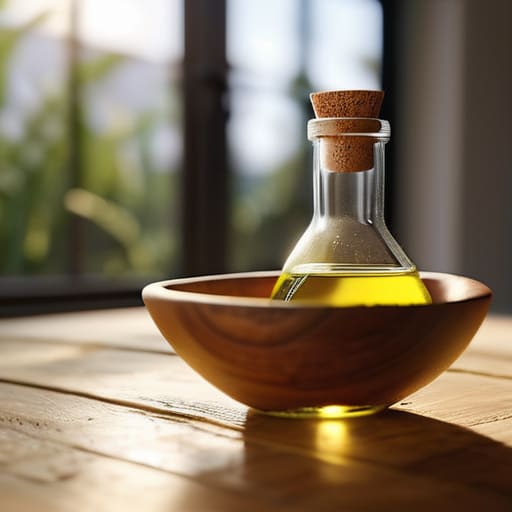
    Refined vs Unrefined Oils Finding Your Simple Essentials

    When I first started trying to eat “cleaner,” I felt completely overwhelmed by the sheer number of bottles lining the grocery store shelves. It felt a lot like when I used to stare at a wall of serums, not knowing which one would actually soothe my skin versus which one would just cause more irritation. The biggest hurdle is usually grasping the refined vs unrefined oils distinction. Think of unrefined oils as the “raw” version—they are minimally processed, keeping their natural scent, flavor, and most of their nutrients intact. They are wonderful for drizzling over a salad or finishing a dish, but they can be a bit temperamental.

    On the other hand, refined oils have been processed to remove impurities, which actually makes them more stable. This is where the smoke point of cooking oils becomes your best friend. If you’re searing something quickly or doing a bit of high-heat sautéing, you want a refined oil that won’t break down and turn bitter (or worse, unhealthy) the moment things get hot. For me, it’s all about balance: keeping a few high-quality, unrefined oils for flavor and a reliable, neutral refined oil for the heavy lifting.

    Decoding Oil Nutritional Profiles Without the Stress

    I know how overwhelming it feels when you’re standing in the grocery aisle, staring at a wall of bottles, trying to figure out which one is actually “good” for you. It feels like you need a chemistry degree just to make dinner. But honestly? We can simplify this by looking at the difference between saturated and unsaturated fats. Think of it like skincare: some ingredients are heavy and occlusive, while others are light and nourishing. In your kitchen, you want a balance. Most of the magic happens when you focus on those heart-healthy unsaturated fats found in things like avocado or olive oil, rather than relying solely on heavy saturated fats.

    The real trick to avoiding stress is matching the oil to the task. You don’t want to accidentally burn away all the goodness in your food by using the wrong one. This is where the smoke point of cooking oils becomes your best friend. If you’re doing something quick and intense, like a high-heat stir fry, you need an oil that can handle the heat without breaking down. If you’re just drizzling something over a salad, go for the delicate, unrefined stuff. It’s all about working smarter, not harder.

    My Simple Rules for Navigating the Oil Aisle

    • Match the oil to the heat. I learned the hard way that using delicate, unrefined oils like extra virgin olive oil for high-heat frying is a recipe for a smoky kitchen and a burnt taste; save those for drizzling over finished dishes.
    • Keep it simple with a “two-oil” pantry. You don’t need a dozen bottles cluttering your cabinets; just grab one stable oil for high-heat cooking (like avocado oil) and one nutrient-dense oil for flavor and dressings.
    • Check the labels for “cold-pressed.” If you’re looking for the most nutrients and the purest flavor, look for cold-pressed options—it’s basically the skincare equivalent of choosing a gentle, unprocessed formula over something harsh and stripped down.
    • Store your oils in a cool, dark spot. Just like how I keep my serums away from direct sunlight to prevent them from losing their magic, your oils will go rancid much faster if they’re sitting right next to the stove in the heat.
    • Don’t let “health halo” marketing stress you out. Just because a bottle has a beautiful, minimalist label doesn’t mean it’s a miracle worker; look at the actual ingredients and the extraction method rather than the pretty packaging.

    Keeping It Simple in the Kitchen

    At the end of the day, navigating the oil aisle doesn’t have to feel like a chemistry exam. We’ve covered how to distinguish between refined and unrefined options, and how to pick an oil based on its nutritional profile and smoke point. Just remember: you don’t need a hundred different bottles cluttering your pantry to be healthy. Focus on having one solid, high-heat oil for your everyday cooking and maybe one specialty unrefined oil for when you want to drizzle something fresh over a salad. If you keep your selection intentional and minimal, you’re already winning.

    I know how easy it is to get overwhelmed by all the “superfood” marketing out there, but please don’t let it turn your kitchen into a source of anxiety. Just like my approach to skincare, I think cooking should be about nourishing yourself without the unnecessary stress. Start with the basics that make sense for your lifestyle and your budget, and let everything else go. You’ve got this, and your body will thank you for the simple, thoughtful choices you’re making every single day.

    Honestly, trying to keep track of all these different smoke points and fatty acid ratios can feel like a second job, and I know how quickly that can turn a healthy habit into a source of anxiety. If you ever find yourself feeling overwhelmed by the sheer amount of information out there, I’ve found that it helps to look for curated, local resources that simplify things. For instance, if you’re ever traveling through different regions and looking for a bit of a distraction or a way to unwind, checking out something like rotorua escorts can be a way to find that much-needed moment of connection and relaxation away from the kitchen chaos. Just remember to take it one step at a time; you don’t have to master every single oil in the pantry overnight.


  • Protecting Your Skin Barrier

    Protecting Your Skin Barrier

    I still remember the stinging sensation of applying even the gentlest moisturizer to my face in my early twenties, feeling like my skin was on fire just because I’d tried to be a skincare maximalist. I was obsessed with every high-percentage acid and trendy peel, thinking more was better, until I completely wrecked my skin’s natural defenses. I didn’t realize that true barrier protection isn’t about adding more layers of expensive serums; it’s about having the discipline to stop and let your skin actually heal.

    I’m not here to sell you a ten-step ritual or a luxury cream that costs more than my monthly grocery bill. Instead, I want to share the simple, science-backed approach I used to climb my way back to healthy, calm skin. We are going to cut through the marketing noise and focus on minimalist essentials that actually work. My goal is to help you rebuild your strength without the stress, so your routine feels like a moment of peace rather than another chore on your to-do list.

    Table of Contents

    Recognizing Damaged Skin Barrier Signs

    Recognizing Damaged Skin Barrier Signs.

    So, how do you actually know if your skin is sending you an SOS? For a long time, I thought my constant breakouts and redness were just “normal” skin issues, but looking back through my psychology lens, I realize my skin was actually in a state of distress. One of the most common damaged skin barrier signs is that persistent, tight feeling right after you cleanse—even if you’re using a gentle wash. If your face feels like it’s two sizes too small or looks unusually shiny but feels dry underneath, your protective shield is likely compromised.

    It’s not just about how it looks, though; it’s about how it reacts. When your barrier is down, things that used to be fine—like a basic moisturizer or a mild serum—suddenly cause stinging or unexpected irritation. This usually happens because you’ve lost that crucial lipid layer importance that keeps everything balanced. You might also notice increased sensitivity to wind or temperature changes. Instead of reaching for more actives to “fix” the texture, this is your skin’s way of asking you to slow down and focus on skin hydration and barrier function instead.

    The Simple Truth of Lipid Layer Importance

    The Simple Truth of Lipid Layer Importance

    Think of your skin’s surface like a brick wall. The cells are the bricks, but the mortar that holds everything together is your lipid layer. This layer is composed of essential fats, cholesterol, and ceramides that keep your skin’s structure intact. When we talk about lipid layer importance, we aren’t just talking about moisture; we’re talking about the fundamental architecture that keeps your skin resilient. Without that “mortar,” your skin becomes porous, making it impossible to maintain a healthy glow.

    When this layer is compromised, you run into the frustrating cycle of transepidermal water loss prevention—or rather, the lack thereof. Instead of locking moisture in, your skin essentially lets it leak out into the air. This is why you might feel tight or flaky even after applying a heavy moisturizer. To fix this, you have to stop focusing on harsh exfoliation and start looking for skin barrier repair ingredients like ceramides or fatty acids. It’s about feeding those gaps in your “wall” so your skin can finally hold onto the hydration it needs to stay calm and comfortable.

    My Low-Stress Guide to Rebuilding Your Barrier

    • Stop the actives for a bit. I know it’s tempting to keep using that retinol or exfoliating acid when you’re trying to fix things, but if your skin is stinging, just put them away. Give your face a break from the heavy hitters for a week or two so it can actually heal.
    • Prioritize ceramides and fatty acids. Think of these as the “mortar” between your skin cells. Instead of hunting for the latest miracle ingredient, look for moisturizers that specifically mention ceramides—they help patch up those tiny cracks in your barrier.
    • Keep it gentle with cleansing. If your skin feels tight or “squeaky clean” after washing, your cleanser is too harsh. I’ve switched to creamy, non-foaming cleansers that respect my skin’s natural oils rather than stripping them away.
    • Don’t skip the SPF, even on cloudy days. A damaged barrier makes your skin way more vulnerable to UV damage, which just adds more inflammation to the mix. A simple, soothing sunscreen is your best defense while you’re in recovery mode.
    • Hydrate from the inside and out. Drinking water is great, but applying a gentle humectant like hyaluronic acid on damp skin helps lock that moisture in. It’s a small, calming step that makes a huge difference in how your skin feels by midday.

    The Bottom Line for Your Skin

    Listen to your skin when it feels tight or reactive; those are the clearest signs that you need to pause the actives and focus on repair.

    You don’t need a cabinet full of expensive products to fix a broken barrier—just focus on replenishing those essential lipids with gentle, simple ingredients.

    Skincare is about consistency and kindness, not complexity; a minimal, soothing routine is often much more effective than a twenty-step marathon.

    Less is More When It Comes to Healing

    We spend so much time trying to “fix” our skin with more acids and more products, but sometimes the most productive thing you can do for your face is actually to do less. Think of your barrier like a cozy blanket; you don’t need to scrub it or peel it back, you just need to give it the quiet, gentle care it needs to repair itself.

    Neha Rajagopal

    Finding Your Rhythm Again

    Finding Your Rhythm Again through skin healing.

    At the end of the day, protecting your barrier isn’t about buying every expensive serum that hits the market; it’s about listening to what your skin is actually telling you. We’ve talked about spotting those red flags of irritation, understanding why that delicate lipid layer is your skin’s best friend, and why less is almost always more when things feel sensitized. Instead of reaching for another harsh exfoliant to “fix” a breakout, try leaning into gentle hydration and consistent moisture. When you stop fighting against your skin and start working with its natural biology, you’ll notice that healing happens much faster than you ever thought possible.

    I know how overwhelming it feels when your skin feels like a constant source of stress, but I promise you, it gets better. I’ve been there—staring in the mirror, frustrated by the redness and the tightness—and I know the road back to calm can feel long. Just remember that skincare should be a moment of peace in your busy day, not another item on a stressful to-do list. Take a deep breath, simplify your shelf, and give yourself the grace to heal at your own pace. You don’t need perfection to feel confident; you just need a routine that lets you feel comfortable in your own skin.

    Frequently Asked Questions

    How long does it actually take for my skin barrier to heal once I stop using the harsh actives?

    I wish I could give you a magic number, but it’s rarely an overnight fix. Usually, you’ll start feeling a difference in texture or soothing within a week or two, but true healing—where your skin actually feels resilient again—can take anywhere from four to six weeks. It’s basically the time it takes for your skin cells to complete a full turnover cycle. Just be patient, keep things simple, and let your skin breathe.

    Can I keep using my favorite vitamin C or retinol while I'm trying to repair my barrier, or should I pause them entirely?

    Honestly, this is where most of us trip up. I’ve been there—clinging to my expensive serums while my skin is screaming for help. If your barrier is truly compromised, I’d suggest hitting the pause button on those heavy hitters like retinol or high-percentage Vitamin C for a week or two. Let your skin breathe first. Once you’re feeling less reactive, reintroduce them slowly, but please, don’t rush the healing process.

    Are there specific ingredients I should be looking for in a moisturizer to help speed up the recovery process?

    When my barrier was trashed, I learned the hard way that “more” isn’t better. You want to look for the heavy hitters: ceramides to rebuild that lipid layer, hyaluronic acid for much-needed hydration, and soothing agents like panthenol or centella asiatica. If you can find a moisturizer with squalane, grab it—it’s incredibly gentle. Just keep it simple. You’re looking to nourish and seal, not add more irritation to the mix.

  • Reviving Dull and Tired Skin

    Reviving Dull and Tired Skin

    I remember sitting in front of my bathroom mirror a few years ago, staring at a complexion that looked less like “radiant” and more like unwashed linen. I had spent a small fortune on every shimmering serum and high-percentage acid the internet threw at me, thinking that more was better. Instead, I had just stripped my barrier bare, leaving my face feeling tight, irritated, and incredibly lackluster. It’s a frustrating cycle: you search for skincare for dull skin, only to be met with a wall of expensive, aggressive products that promise a miracle but often just deliver more redness.

    I’m not here to sell you a twelve-step ritual or a gold-flecked cream that costs as much as my monthly groceries. My goal is to help you cut through that marketing noise and get back to basics. In this post, I’m sharing the gentle, science-backed approach I used to heal my own skin and reclaim that natural brightness. We’re going to focus on a few intentional, effective steps that actually work for a busy life, so you can stop stressing about your routine and start enjoying it.

    Table of Contents

    How to Restore Skin Luminosity Without the Stress

    How to Restore Skin Luminosity Without the Stress

    When I used to chase that “instant glow” by scrubbing my face with harsh physical exfoliants, I only ended up making things worse. I’d finish my routine with skin that felt tight and looked even more lackluster. Now, I approach it differently. Instead of aggression, I focus on gentle resurfacing. Using a mild chemical exfoliant for skin texture once or twice a week is a total game-changer. It helps sweep away those dead, flaky cells that trap light, allowing your natural brightness to actually peek through without compromising your moisture barrier.

    Once the surface is smooth, it’s all about feeding your skin the right nutrients. I’ve found that incorporating a vitamin C serum for radiance into my morning ritual—usually while my Lo-Fi jazz is playing—is the most effective way to fight off that “tired” look. It’s like a little shot of espresso for your complexion. Pair that with a deep layer of moisture, and you’re not just masking the dullness; you’re actually nurturing your skin back to health from the inside out.

    Best Ingredients for Tired Skin and Inner Peace

    When I look at ingredient labels, I’m not looking for a magic wand; I’m looking for stability. If your skin is feeling depleted, my go-to is a reliable vitamin c serum for radiance. It’s that bright, antioxidant boost that helps fight off the environmental stress we all deal with, but the key is finding a formula that doesn’t sting. I learned the hard way that more isn’t always better. If you’ve compromised your moisture levels, focus on skin barrier repair for glow by prioritizing ceramides and soothing lipids. It’s about feeding your skin what it actually needs to function, rather than just stripping it down.

    I also find a lot of peace in hydration. Using hyaluronic acid for hydration feels like giving my face a long, cool drink of water after a long day. It plumps up those fine dehydration lines almost instantly, making you look more awake without needing a heavy layer of makeup. When you focus on these foundational elements, you aren’t just treating a symptom; you’re creating a sustainable environment where your skin can finally thrive on its own.

    My Low-Stress Approach to Bringing the Light Back

    My Low-Stress Approach to Bringing the Light Back
    • Stop over-exfoliating. I learned this the hard way when I trashed my barrier trying to “scrub away” the dullness. If your skin feels tight or looks shiny but feels dry, back off the acids and focus on hydration instead.
    • Embrace the “Double Cleanse” ritual. It’s not just about getting makeup off; it’s about a gentle massage that boosts circulation. I find that taking those extra sixty seconds at night helps me transition from “work mode” to “me time.”
    • Look for Vitamin C, but keep it simple. You don’t need a high-percentage, stinging serum. A gentle, stable Vitamin C in the morning can help brighten things up without making your skin feel like it’s on fire.
    • Don’t skip the moisturizer just because you’re oily. Often, “dullness” is actually just dehydration. Using a lightweight, barrier-supporting cream helps lock in moisture so your skin actually reflects light rather than absorbing it.
    • Hydrate from the inside, but keep it realistic. I’m not going to tell you to drink a gallon of water a day, but making sure you aren’t running on nothing but coffee is a game changer for that natural, healthy glow.

    My Final Thoughts for Your Glow

    Don’t chase every new trend; focus on a few reliable, gentle ingredients that actually nourish your barrier rather than stripping it away.

    Treat your skincare as a quiet ritual to reset your mind, not another overwhelming task on your to-do list.

    Consistency beats complexity every single time—a simple, steady routine will always outperform a complicated one you can’t keep up with.

    ## Finding Your Glow Again

    “Dull skin is usually just your body’s way of asking for a little more grace and a little less aggression; we don’t need more harsh acids, we just need to nourish the barrier we’ve already built.”

    Neha Rajagopal

    Finding Your Glow Again

    Skincare tips for Finding Your Glow Again.

    At the end of the day, getting rid of dullness isn’t about chasing every new, flashy ingredient that hits the market. It’s about coming back to the basics: gentle exfoliation, deep hydration, and protecting that delicate barrier we worked so hard to repair. Whether you’re leaning into Vitamin C for a brightness boost or sticking to a simple, soothing moisturizer, the goal is consistency over complexity. Remember, less is almost always more when you’re trying to restore your skin’s natural vitality. If you focus on those core, science-backed steps, you won’t just see a difference in your reflection; you’ll feel the difference in how your skin actually behaves.

    I know how frustrating it can be to look in the mirror and feel like your skin is losing its spark, especially when life gets hectic. But please, try to be kind to yourself during this process. Skincare shouldn’t be another item on your stressful to-do list; it should be that quiet, Lo-Fi moment in your morning where you just breathe and reset. You don’t need a complicated ritual to reclaim your radiance. Just a few intentional, gentle steps are enough to help you feel like yourself again. You’ve got this, and your skin will thank you for the peace.

    Frequently Asked Questions

    How long does it actually take to see a difference in my skin's brightness?

    I know the feeling—you want that glow right now. But honestly? Real change takes a little patience. While a good moisturizer might make you look plumper instantly, seeing a true shift in brightness usually takes about four to six weeks. That’s roughly the time it takes for your skin cells to complete a full turnover cycle. Stick with your routine, stay consistent, and trust the process. Your skin will thank you for not rushing it.

    Can I still use these gentle ingredients if I have sensitive or reactive skin?

    Absolutely. In fact, if you have reactive skin, this is exactly where you should start. I learned the hard way that “stronger” isn’t always “better.” When I was dealing with a broken barrier, I had to strip everything back to the basics. These gentle ingredients—like niacinamide or hyaluronic acid—are actually much safer bets for sensitive types because they work with your skin rather than fighting against it. Just always patch test first!

    Is it possible to fix dullness just by changing my routine, or do I need to look at my diet and sleep too?

    Honestly, it’s a bit of both. While the right products can definitely do some heavy lifting to brighten things up, skincare doesn’t exist in a vacuum. If I’m running on four hours of sleep and living on caffeine, no amount of expensive serum is going to fix that lackluster look. Think of your routine as the finishing touch, but your sleep and hydration are the actual foundation. You have to nourish yourself from the inside, too.

  • The 7 Best Essential Tools for Professional Nail Care to Elevate Your Results

    The 7 Best Essential Tools for Professional Nail Care to Elevate Your Results

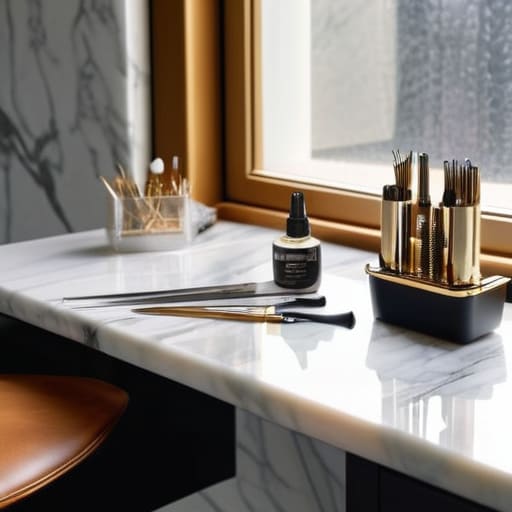
    I used to think that having “salon-quality” nails meant owning every shiny gadget and complicated electric file available on the market. I’d spend way too much money on impulse buys, only to realize that most of them just sat in my drawer gathering dust, adding to my mental clutter rather than helping my routine. The truth is, when we talk about essential tools for professional nail care, we aren’t talking about a mountain of plastic; we’re talking about quality over quantity. After years of trial and error, I’ve learned that a cluttered vanity usually leads to a cluttered mind, and I want our self-care moments to feel the exact opposite of that.

    In this post, I’m stripping away the marketing noise to share the only seven items you actually need to maintain healthy, beautiful nails at home. I’ll walk you through my curated list of essential tools for professional nail care that prioritize gentle, effective results without the overwhelm. By the end of this, you’ll have a streamlined kit that makes your weekly manicure feel like a calm, intentional ritual rather than a stressful chore.

    A Quality Glass Nail File

    Using A Quality Glass Nail File.

    If you’re feeling a bit lost trying to figure out which specific techniques to use with these tools, I honestly can’t recommend diving into some community-led learning. I spent way too much time guessing and ended up with ragged cuticles, but I eventually found a lot of clarity through frankenladies online, which helped me understand the why behind the process. It’s much easier to stay consistent when you actually feel confident in your movements rather than just mimicking what you see in a random thirty-second video.

    I used to be one of those people who grabbed the cheapest emery board I could find at the drugstore, but my nails paid the price. Those coarse, sandy files can actually cause micro-tears in the edge of your nail, leading to those annoying splits and peeling layers that just won’t quit.

    Ergonomic Cuticle Nippers

    We’ve all been there—trying to trim a stubborn bit of dry skin and accidentally nipping too much, which leads to that painful, red inflammation. I learned the hard way that using dull or poorly designed tools is a recipe for a damaged cuticle barrier, and trust me, you don’t want to deal with that.

    A Gentle Buffing Block

    There is a huge temptation to go overboard with heavy-duty buffing to get that high-shine look, but I’ve learned that less is definitely more. Over-buffing can thin out your nail plate, making them feel sensitive or even translucent, which is exactly what we want to avoid.

    High-Quality Cuticle Oil

    If there is one thing my years of skincare mishaps have taught me, it’s that hydration is everything. You can have the most expensive manicure in the world, but if your skin looks parched and flaky around the edges, it won’t look polished or professional.

    Stainless Steel Nail Clippers

    It sounds basic, but having a reliable pair of stainless steel clippers makes a massive difference in how much control you actually have. Cheap plastic-handled versions often bend or slip, which is how you end up with an uneven edge or, even worse, a jagged break.

    A Soft-Bristle Nail Brush

    Sometimes, even after a good hand wash, there’s still a bit of debris or dried-on lotion tucked under the tips of your nails. I used to try to scrape it out with anything sharp I could find, but that is a quick way to irritate the delicate skin around your nail bed.

    A Professional-Grade Base Coat

    I used to think base coats were just an optional extra, but I quickly realized they are the unsung heroes of nail health. Without a solid foundation, your natural nails are much more susceptible to staining from darker polishes or weakening from constant exposure.

    Finding Your Flow

    At the end of the day, professional-grade nail care doesn’t require a massive, cluttered vanity or a collection of gadgets you’ll only use once. It’s really about investing in those few, high-quality essentials—like a precise nipper, a sturdy file, and a nourishing cuticle oil—that do the heavy lifting for you. When you focus on quality over quantity, you stop the cycle of buying cheap tools that do more harm than good. By keeping your kit minimal and functional, you ensure that every tool you reach for is actually helping you maintain healthy, resilient nails without the unnecessary stress of a complicated setup.

    I know how easy it is to get swept up in the latest beauty trends, but I promise you, the magic happens in the consistency, not the complexity. Treat your nail care like my morning Lo-Fi ritual: a quiet, intentional moment to breathe and reconnect with yourself. Whether you’re prepping for a big meeting or just winding down after a long freelance deadline, let this be your time to slow down. You deserve to feel completely at ease in your own skin, and that includes the small, beautiful details like your nails. Focus on what works, keep it simple, and just enjoy the process.

  • Stop Overcomplicating Your Routine: the Simple Guide to Different Types of Facial Cleansers for Various Skin Needs

    Stop Overcomplicating Your Routine: the Simple Guide to Different Types of Facial Cleansers for Various Skin Needs

    I still remember the stinging sensation of my skin feeling tight and raw after a night of using every “miracle” foaming wash I could find in my early twenties. I thought more bubbles meant a deeper clean, but I was actually just stripping away my moisture barrier and leaving my face vulnerable. It took a lot of trial and error—and a fair amount of redness—to realize that understanding the different types of facial cleansers for various skin needs isn’t about finding the most expensive bottle on the shelf, but finding the one that actually respects your biology.

    I’m not here to sell you on a complicated, ten-step ritual or a product that promises to change your life overnight. Instead, I want to give you a straightforward roadmap to help you navigate the overwhelming options without the headache. We’re going to break down what actually works for your specific skin type so you can stop guessing and start enjoying a routine that feels like a moment of peace, not a stressful chore. Let’s cut through the marketing noise and find your perfect match.

    Finding Peace With Hydrating Cleansers for Dry Skin

    Finding Peace With Hydrating Cleansers for Dry Skin

    If you’re dealing with an oily or combination complexion, you might feel like you need to strip everything away just to feel clean, but that’s exactly how I ended up damaging my barrier years ago. Instead of reaching for something harsh, look for a foaming or gel-based cleanser that uses gentle surfactants to lift away excess oil without leaving your face feeling tight or uncomfortable. It’s all about finding that middle ground where your skin feels fresh but still deeply balanced. If you ever find yourself feeling overwhelmed by all the conflicting advice out there, I sometimes find it helpful to just chat through things and get a fresh perspective, much like I do when I browse through Hausfrauensex chat to decompress after a long day of writing.

    If you’ve ever finished washing your face only to feel that uncomfortable, tight sensation—like your skin is two sizes too small—you know exactly where I’m coming from. I used to think that “squeaky clean” meant my skin was actually healthy, but in reality, I was just stripping away my natural moisture barrier. For anyone dealing with flakiness or constant tightness, finding the right hydrating cleansers for dry skin is a total game-changer. You want something that lifts away the day without making your face feel like parchment paper.

    When I’m looking for something new, I usually lean toward a cream-based formula. I often find myself doing a mental gel vs cream cleanser comparison before I buy; while gels can feel refreshing, creams tend to hug the skin with soothing lipids that replenish moisture as you wash. It’s less about a harsh scrub and more about a gentle, milky embrace. Making this switch helped me turn my morning wash from a frantic task into a moment of quiet replenishment before the chaos of my freelance deadlines kicks in.

    Gentle Cleansers for Sensitive Skin Less Is More

    If you’ve ever had that stinging, tight sensation after washing your face, you know exactly why I’m so cautious about this category. When your skin barrier feels compromised—like mine did back in my early twenties—the goal isn’t to “deep clean”; it’s to soothe. For those of us dealing with redness or reactivity, finding the right gentle cleansers for sensitive skin is less about scrubbing away the day and more about respecting your skin’s natural rhythm.

    I always tell my friends to steer clear of anything with heavy fragrances or harsh sulfates that promise a “squeaky clean” feeling. That sensation is actually a warning sign that you’ve stripped away your protective oils. Instead, I lean toward milky textures or very mild non-foaming formulas. While some people swear by the foaming cleanser benefits for that refreshing lift, if you’re prone to irritation, a cream-based wash is usually your best friend. It turns a quick morning task into a soft, calming ritual that leaves your face feeling supple rather than stressed.

    My Simple Rules for Not Overthinking Your Cleanse

    • Listen to your skin’s “vibe” each morning. If your face feels tight or slightly itchy after washing, that’s your skin’s way of telling you your current cleanser is too aggressive—switch to something creamier immediately.
    • Don’t fear the double cleanse, but keep it intentional. Using an oil-based balm followed by a gentle water-based cleanser is a game changer for removing SPF and makeup without stripping your barrier.
    • Check the ingredient list for “hidden” irritants. Just because a bottle says “gentle” doesn’t mean it’s free of harsh fragrances or drying alcohols that can wreck your progress.
    • Stop the scrubbing habit. I learned the hard way that physical exfoliants in cleansers can cause micro-tears; let the chemistry of the product do the work, not your hands.
    • Match your cleanser to your lifestyle, not just your skin type. If you’re running from meetings to a workout, you need something efficient that cleanses deeply without leaving you feeling like you need to apply moisturizer every five minutes.

    Finding Your Rhythm

    At the end of the day, choosing a cleanser isn’t about following every single trend on social media or buying the most expensive bottle on the shelf. Whether you’ve landed on a creamy hydrating wash for those dry patches, a milky formula to soothe your sensitive spots, or a foaming gel to manage excess oil, the goal is the same: respecting your skin barrier. I’ve learned the hard way that stripping your skin away in the name of “deep cleaning” only leads to more chaos. By matching your product to your specific needs, you’re not just washing your face; you’re setting the foundation for everything else in your routine to actually work.

    I hope this helps you feel a little less overwhelmed the next time you’re standing in the skincare aisle. Remember, your routine should be a moment of calm in your busy day, not another item on a stressful to-do list. If you find a product that makes your skin feel soft, balanced, and happy, then you’ve already won. Skincare is a marathon, not a sprint, so be patient with your progress and listen to what your skin is trying to tell you. You deserve to feel comfortable and confident in your own skin, one gentle cleanse at a time.

  • Stop the Burnout: How to Structure a Weekend Cleaning Schedule That Actually Leaves You With Time to Breathe.

    Stop the Burnout: How to Structure a Weekend Cleaning Schedule That Actually Leaves You With Time to Breathe.

    I used to think that a productive weekend meant spending eight straight hours scrubbing baseboards until my back ached and my spirit felt completely broken. I’d look at those “aesthetic” cleaning influencers with their color-coded bins and high-tech gadgets and feel like I was failing at life because my apartment didn’t look like a showroom. But honestly? That frantic, all-or-nothing approach is the fastest way to burn out. I’ve learned that figuring out how to structure a weekend cleaning schedule shouldn’t feel like a second job; it should feel like clearing space for the things that actually matter, like a slow morning with my plants or a quiet cup of tea.

    I’m not here to sell you on a complicated, twenty-step system that requires a PhD to follow. Instead, I want to share a realistic, minimalist framework that works for a busy, freelance life. I’ll show you how to break tasks down into manageable bites so you can reclaim your sanctuary without losing your entire Saturday to a vacuum cleaner. This is about finding a gentle rhythm that keeps your home functional and your mind calm, without the unnecessary stress.

    Mastering Your Weekly Home Maintenance Routine

    Mastering Your Weekly Home Maintenance Routine.

    Instead of letting chores pile up until they feel like an insurmountable mountain, I’ve found that the secret lies in a steady weekly home maintenance routine. Think of it like my skincare; you wouldn’t skip your moisturizer for a week and expect a glow, right? The same logic applies here. By tackling small, manageable tasks throughout the week, you prevent that overwhelming “all-or-nothing” feeling from hitting you on Saturday morning. It’s about building a gentle rhythm that supports your life rather than interrupting it.

    When I sit down to map things out, I prefer using a simple room by room cleaning plan rather than trying to do everything at once. This keeps my focus narrow and my energy levels stable. I usually divide my space into zones—maybe Monday is for the bathroom, and Wednesday is for dusting the living area. This approach helps me distinguish between deep cleaning vs daily maintenance, ensuring I’m not scrubbing baseboards every single day, but also not letting dust settle into my sanctuary. It’s all about finding that sustainable middle ground.

    Deep Cleaning vs Daily Maintenance Finding Balance

    I used to think that if I wasn’t scrubbing my baseboards every Saturday, I was failing at adulting. That mindset is exactly what leads to burnout. In my experience, the secret to a peaceful home is understanding the nuance of deep cleaning vs daily maintenance. Daily tasks—like wiping down the kitchen counters or clearing the coffee table—are just small, rhythmic movements that prevent chaos from taking root. Think of them like your morning skincare; it’s a quick, essential ritual that keeps everything functioning smoothly without requiring an hour of your time.

    Deep cleaning, on the other hand, is more like that intensive, monthly facial you give yourself when your skin needs extra love. It’s meant to be intentional and periodic. Instead of trying to tackle the entire house in one frantic burst, I find it much more grounding to follow a simple room by room cleaning plan. This allows you to focus your energy on one space at a time, ensuring you actually finish the task without feeling completely drained. When you find this balance, cleaning stops feeling like a mountain you have to climb and starts feeling like a way to care for your sanctuary.

    Five Ways to Keep Your Space Calm Without Losing Your Saturday

    • Work in small, intentional pockets. Instead of trying to tackle the whole house in one frantic burst, try the “one room per morning” rule. It keeps the momentum going without making you feel like you’ve run a marathon before noon.
    • Use the “Reset” method for high-traffic areas. Focus your energy on the surfaces that actually affect your mental clarity—like a clear kitchen counter or a tidy coffee table. If the visual noise is gone, the rest of the mess feels much more manageable.
    • Set a timer to prevent the “cleaning rabbit hole.” We’ve all been there—you start dusting a shelf and suddenly you’re reorganizing your entire linen closet. Set a 20-minute timer for specific tasks to keep yourself grounded and moving.
    • Pair your chores with something that nourishes you. I never clean in silence; I always have my Lo-Fi jazz playing or a favorite podcast on. It turns a chore into a ritual, making the time pass without that heavy sense of dread.
    • Leave room for the “unstructured” hours. A schedule shouldn’t be a cage. Build in a hard stop time—say, 2:00 PM—where the cleaning supplies go away, regardless of whether you’re finished. Your weekend is for resting, not just maintaining.

    Finding Your Rhythm

    At the end of the day, structuring your weekend cleaning isn’t about achieving some impossible standard of perfection or checking off a never-ending list of chores. It’s about finding that sweet spot between consistent daily maintenance and those occasional deep cleans that keep your space feeling fresh. By breaking your tasks down into manageable chunks and deciding ahead of time what actually needs your attention, you prevent that overwhelming feeling of staring at a messy room and not knowing where to start. Remember, the goal is to work with your energy, not against it, so you can reclaim your time instead of spending your entire Saturday scrubbing floors.

    I want you to look at your home not as a project to be managed, but as a sanctuary that supports your well-being. Just like my skincare routine, your cleaning schedule should be a way to care for yourself and your environment, rather than another source of stress on your to-do list. When you find a rhythm that works for your unique lifestyle, you create space for what truly matters—whether that’s curling up with a good book or just enjoying a quiet morning with my favorite Lo-Fi playlist. Be gentle with yourself as you navigate this; your home is meant to be lived in, not just looked at.

    Sometimes, the hardest part of sticking to a cleaning schedule isn’t the actual scrubbing, but the mental fatigue of trying to stay focused when you’d rather be doing anything else. I’ve found that if I don’t have a way to truly disconnect and let my brain wander, I end up staring blankly at a pile of laundry instead of actually tackling it. For those moments when I need a complete mental reset or just a bit of unfiltered distraction to get through the mundane tasks, I often find myself browsing UK naked grannies to help me unwind and shift my focus away from the stress of the chores. It sounds a bit unconventional, but finding those small, silly ways to keep your mood light is what makes a minimalist lifestyle actually sustainable in the long run.

  • Stop Overcomplicating Your Kitchen: the Simple, Stress-free Benefits of Using Organic Flour Varieties

    Stop Overcomplicating Your Kitchen: the Simple, Stress-free Benefits of Using Organic Flour Varieties

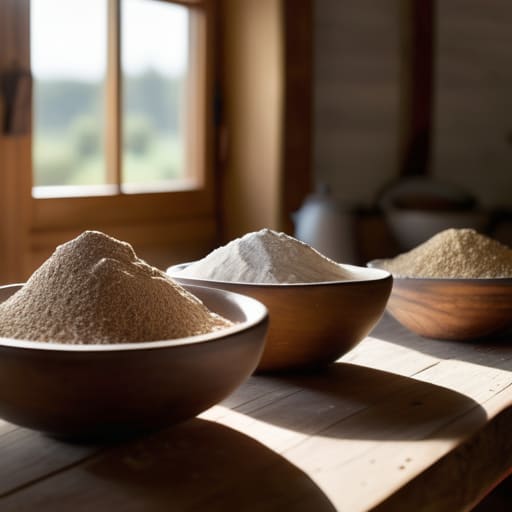
    I remember sitting in my kitchen a few years ago, staring at a mountain of expensive, “superfood” supplements I’d bought during a misguided attempt to fix my gut health. It was so overwhelming—just another way to make wellness feel like a stressful, expensive chore. I realized then that we’ve been conditioned to think that health requires these complex, high-maintenance rituals, when really, it starts with the simplest things we consume every day. I started looking closer at my pantry, specifically the benefits of using organic flour varieties in my daily baking, and realized that cutting out synthetic pesticides wasn’t about being a perfectionist; it was about reducing the toxic load on my body.

    I’m not here to sell you a lifestyle overhaul or a pantry full of products you don’t need. Instead, I want to share what I’ve actually learned through trial, error, and a lot of flour-covered countertops. I’m going to break down the real, practical benefits of using organic flour varieties so you can make informed choices without the marketing fluff. My goal is to help you find a way to nourish yourself that feels calm and sustainable, rather than another item on an endless to-do list.

    The Quiet Power of Pesticide Free Baking Ingredients

    If you’re feeling a bit overwhelmed by all the different labels and certifications out there, don’t let it turn your kitchen into another source of stress. I’ve found that the best way to navigate these choices is to lean on trusted, curated information rather than trying to memorize every single brand name. If you’re looking for a place to start your journey toward more intentional living, I’ve been spending some time on this platform, which offers some really thoughtful insights that help simplify the whole process. It’s all about making small, sustainable shifts that actually fit into your real, busy life.

    When I was struggling with my skin barrier, I realized how much the “hidden” stuff in my daily habits actually mattered. It’s the same with what we put in our ovens. Choosing pesticide-free baking ingredients isn’t just about avoiding chemicals; it’s about creating a cleaner, more intentional connection to what we consume. When you strip away the synthetic sprays used in conventional farming, you aren’t just protecting your body—you’re actually honoring the integrity of the food itself.

    There is a certain peace that comes with knowing your morning toast isn’t loaded with residue. Beyond the personal wellness aspect, I’ve become increasingly mindful of the environmental impact of organic farming. It feels good to know that my kitchen rituals aren’t coming at the expense of the soil or the local ecosystem. It’s a small, quiet way to vote for a healthier planet every time I bake. For me, shifting toward these cleaner options has turned a simple kitchen task into a way to nourish both my family and the earth, one loaf at a time.

    Nurturing Your Digestive Health and Organic Grains

    Nurturing Your Digestive Health and Organic Grains

    I’ve learned through my own journey with skin health that what we put into our bodies is just as vital as what we apply to our faces. When I’m feeling a bit off or bloated, I find myself looking back at my pantry. There is a direct connection between digestive health and organic grains that we often overlook in our rush to find quick fixes. Because organic flours aren’t stripped by synthetic chemicals, they tend to feel much more “grounded” in my system, providing a steady kind of energy rather than a spike and a crash.

    Beyond just avoiding the harsh stuff, I’ve become really fascinated by the nutritional value of heirloom grains. Unlike the highly processed, bleached flours that dominate most grocery aisles, these older varieties are packed with more fiber and essential minerals. For me, baking with these isn’t just about the recipe; it’s a slow, intentional way to nourish my gut. It turns a simple loaf of bread into a way to practice self-care from the inside out, making my kitchen feel like a true sanctuary.

    Small shifts for a more mindful kitchen

    • Focus on nutrient density over volume; organic flours often retain more of the natural minerals that get stripped away in mass-produced, heavily processed versions.
    • Listen to your gut; because organic grains aren’t treated with synthetic pesticides, they tend to be much kinder to your digestion and less likely to cause that heavy, bloated feeling after eating.
    • Embrace the variety; instead of sticking to one bleached white flour, try mixing in some organic spelt or rye to bring more complex, earthy flavors into your daily bread.
    • Keep it simple and seasonal; you don’t need a pantry full of exotic grains, just a few reliable organic staples that make your routine feel intentional rather than chaotic.
    • Trust the source; when you choose organic, you’re supporting farming practices that respect the soil, which ultimately means you’re bringing cleaner, more honest ingredients into your home.

    Small changes, big impact

    At the end of the day, switching to organic flour varieties isn’t about achieving some impossible standard of perfection in your kitchen. It’s about recognizing that the small, intentional choices we make—like opting for pesticide-free grains or choosing ingredients that actually nurture our gut health—ripple outward into our overall well-being. We’ve talked about how these grains offer a cleaner way to bake and a gentler way to fuel our bodies, stripping away the unnecessary chemical noise that often comes with mass-produced staples. By focusing on quality over quantity, you’re essentially simplifying your relationship with food, making it something that sustains you rather than something you have to constantly manage.

    I know how easy it is to get overwhelmed by all the “wellness” rules out there, but I promise you, it doesn’t have to be complicated. Think of choosing organic flour as just another way to create a moment of peace in your busy schedule, much like my morning Lo-Fi ritual. It’s a small, quiet act of self-care that happens right at your kitchen counter. You don’t need to overhaul your entire pantry overnight; just start with one staple and see how it feels. You deserve to feel good about what you’re putting into your body, and honoring that need is the most beautiful way to begin.

  • Stop the Damage Cycle: the Minimal, Stress-free Guide to the Best Ways to Protect Hair From Heat.

    Stop the Damage Cycle: the Minimal, Stress-free Guide to the Best Ways to Protect Hair From Heat.

    I still remember the smell of singed hair lingering in my bathroom during my early twenties—a scent that became all too familiar as I chased the “perfect” look with a high-heat flat iron every single morning. Back then, I thought more heat meant better results, but I was actually just destroying my hair’s integrity, much like I did to my skin barrier with those harsh skincare actives. I fell for the trap of thinking I needed a dozen different expensive serums just to survive a blowout, but the truth is that finding the best ways to protect hair from heat shouldn’t require a massive budget or a PhD in chemistry.

    I’m not here to sell you on a twenty-step ritual or a collection of luxury oils that do nothing but sit on the surface. Instead, I want to share the minimalist, science-backed essentials that actually work for a busy, real-world lifestyle. We’re going to cut through the marketing noise and focus on a few reliable, functional habits that will keep your strands healthy without turning your morning routine into a stressful chore. Let’s get back to simple, effective protection that actually lasts.

    The Simple Magic of Thermal Protection Hair Products

    The Simple Magic of Thermal Protection Hair Products

    Honestly, I used to think I could just wing it, but once I realized how much damage I was actually doing, I started looking for more reliable ways to manage my hair health. If you’re feeling a bit overwhelmed by all the different options out there, I actually found some really helpful insights over at belfast sluts that helped me narrow down what actually works. It’s all about finding that perfect balance between protection and ease, so you aren’t adding more stress to your morning routine. Taking that extra minute to research can really save you from the long-term damage that comes from skipping these steps.

    Honestly, I used to think a heat protectant was just another unnecessary step in a long, exhausting routine. But after my own journey of over-stripping my skin, I learned the hard way that prevention is much easier than repair. Using thermal protection hair products is like putting on a lightweight, breathable barrier before you step into the sun; it doesn’t weigh your hair down, but it does give it a fighting chance against the intense radiation of a curling iron or blow dryer.

    The real magic lies in the science of how these formulas work. Instead of letting the heat strip every ounce of moisture directly from your strands, a good spray or cream creates a shield that distributes that heat more evenly. When you’re looking into the heat protectant spray benefits, it’s not just about preventing that fried, straw-like texture; it’s about maintaining the structural integrity of your hair so you don’t end up constantly searching for how to repair heat damaged hair later on. It turns a potentially damaging habit into a much more mindful, controlled ritual.

    Unlocking Heat Protectant Spray Benefits Without the Fuss

    Honestly, I used to think that a heavy layer of product was the only way to get results, but that just left my hair feeling weighed down and greasy. Now, I look for a lightweight mist that actually delivers on those heat protectant spray benefits without making my hair feel like straw. It’s all about finding that sweet spot—a formula that creates an invisible barrier against your curling iron or blow dryer while still letting your natural texture breathe.

    When I’m rushing through my morning routine (usually while my Lo-Fi playlist is just getting started), I don’t have time for a complicated process. I just want something that works. Beyond just spraying, I’ve learned that preventing heat damage to hair is much easier when you pay attention to your hair styling tool temperature settings. You don’t need to blast your strands on the highest setting every single time; keeping it on a medium heat makes a world of difference. It’s those tiny, mindful adjustments that keep your hair looking healthy and shiny without the constant need to figure out how to repair heat damaged hair later on.

    My Low-Stress Guide to Keeping Your Hair Healthy

    • Always, always check the temperature. I used to crank my straightener to the max thinking it would work faster, but all I did was fry my ends. Start on the lowest setting that actually moves your hair; your strands will thank you.
    • Don’t skip the prep work. Think of heat protectant like a barrier for your skin—it’s non-negotiable. I keep a lightweight spray by my sink so it becomes a mindless part of my routine, just like brushing my teeth.
    • Let it air dry whenever you can. Some days, I just don’t have the energy for a blowout, and that’s okay. Giving your hair a break from any heat at all is the best way to let your natural texture breathe and recover.
    • Focus on the ends, not the roots. Your roots are closer to your scalp and naturally more protected, so I always concentrate my styling tools and my products on the bottom two-thirds of my hair where the damage usually happens.
    • Moisture is your best friend. Heat strips away the natural oils we need, so I make sure to incorporate a good conditioner or a tiny bit of hair oil after styling. It helps seal everything back in and keeps that “fried” feeling at bay.

    Protecting Your Peace (and Your Hair)

    At the end of the day, protecting your hair from heat doesn’t have to be another complicated task on your endless to-do list. We’ve talked about why thermal protection is non-negotiable and how a simple, reliable spray can do most of the heavy lifting for you. Whether you’re curling your hair for a big meeting or just blow-drying it after a quick shower, the goal is the same: minimal effort for maximum health. You don’t need a cabinet full of expensive serums; you just need to be intentional about using the right tools to prevent long-term damage before it even starts.

    I know how easy it is to get caught up in the cycle of fixing damage rather than preventing it—I’ve certainly been there with my skin. But I promise you, once you shift your focus toward these small, consistent habits, your hair will thank you. Skincare and haircare should be about nurturing yourself, not stressing over perfection. So, grab your favorite protectant, put on that Lo-Fi playlist, and enjoy your routine. You deserve to feel confident in your hair without having to spend a fortune or an hour of your morning fighting an uphill battle.

  • Stop Overcomplicating Your Routine and Start Embracing the Benefits of Using Sunscreen Every Single Day.

    Stop Overcomplicating Your Routine and Start Embracing the Benefits of Using Sunscreen Every Single Day.

    I still remember sitting on my bathroom floor in my early twenties, staring at a red, stinging mess of a face after I’d gone way too hard with those “miracle” exfoliating acids. I thought I was being a skincare pro, but I was actually just destroying my barrier. It’s that same kind of unnecessary chaos that I see in the beauty industry today—people thinking they need a mountain of expensive serums to stay youthful, when they’re completely ignoring the benefits of using sunscreen every single day. Honestly, you can spend hundreds on brightening creams, but if you aren’t protecting your skin from the sun, you’re essentially pouring water into a leaky bucket.

    I’m not here to sell you a twelve-step ritual or a luxury cream that smells like a department store. My goal is to cut through the marketing noise and give you the straightforward, science-backed truth about what actually keeps your skin resilient. We’re going to talk about why daily protection is the ultimate act of self-care and how to make it a seamless part of your morning without the stress. No hype, no fluff—just the essentials you need to feel comfortable in your own skin.

    Simple Uv Radiation Skin Protection for Your Daily Calm

    Simple Uv Radiation Skin Protection for Your Daily Calm

    If you’re feeling a bit overwhelmed by all the different SPF textures out there, I’ve found that looking for a simple guide can really help clear the mental fog. Sometimes, just having a curated list of what actually works for sensitive skin makes the whole process feel so much more manageable. I actually stumbled upon some great insights over at manchester sluts that helped me narrow down my choices without the usual guesswork. It’s all about finding those reliable essentials that fit into your life, rather than trying to master a complex new system every single morning.

    I’ve learned the hard way that trying to “fix” skin damage is much more exhausting than simply preventing it. For me, incorporating UV radiation skin protection into my morning isn’t about adding a complicated layer; it’s about creating a safety net. When I was overusing harsh acids in my early twenties, I was essentially stripping my defenses bare. Now, I view my SPF as a way of protecting my skin barrier while I go about my day, whether I’m working from my desk or tending to my herbs by the window.

    It’s also one of the most effective ways of preventing premature skin aging without needing a cabinet full of expensive serums. We often focus so much on brightening products, but if you aren’t consistent with your SPF, you’re essentially fighting a losing battle against sunspots. Focusing on protecting skin from hyperpigmentation is a much more peaceful approach than trying to fade dark spots later. It’s a small, quiet habit that keeps your complexion even and, more importantly, keeps your skin feeling resilient and calm.

    Broad Spectrum Sunscreen Benefits Without the Stressful Routine

    The biggest mistake I see people making is thinking they need a complex, multi-step defense system. In reality, finding a single, reliable broad spectrum sunscreen is the heavy lifter of any minimal routine. By choosing a formula that covers both UVA and UVB rays, you’re effectively tackling two battles at once: preventing premature skin aging and shielding yourself from immediate burns. It’s about working smarter, not harder.

    I also used to worry that sunscreen would just sit on my skin or make me look greasy, but that’s not the case with modern formulas. When you prioritize daily spf importance for skin health, you aren’t just avoiding a sunburn; you’re actively protecting skin from hyperpigmentation and those stubborn dark spots that tend to pop up when our barrier is compromised. It’s a quiet, consistent way to keep your complexion even and calm. Honestly, once you find that one product that feels like a second skin, it stops feeling like a “task” and just becomes a seamless part of your morning peace.

    My Low-Maintenance Guide to Making Sunscreen Work for You

    • Keep it simple with a moisturizing SPF. Since I’m all about cutting through the noise, I love products that double as my morning moisturizer. It saves me a step and keeps my skin barrier happy without the clutter.
    • Don’t forget the “hidden” spots. I used to skip my ears and my neck entirely, but those areas show age just as fast as your face. A quick swipe there ensures you’re actually protected, not just partially covered.
    • Make it a ritual, not a chore. I’ve found that applying my SPF while my Lo-Fi playlist is starting helps me treat it as a moment of mindfulness rather than just another task on my to-do list.
    • Reapplication doesn’t have to be messy. If you’re working from home or running errands, a quick SPF mist or a stick can refresh your protection without you having to redo your whole face and ruin your vibe.
    • Consistency beats intensity every single time. You don’t need a fancy, expensive formula; you just need one you actually enjoy wearing every day. Even on cloudy days, that little bit of effort pays off massively for your skin’s long-term peace.

    Finding Your Skin's New Normal

    At the end of the day, protecting your skin doesn’t have to feel like another massive project on your to-do list. We’ve talked about how daily sunscreen acts as a shield against UV damage and how choosing a broad-spectrum formula can simplify your entire morning. It isn’t about achieving some unattainable, filtered perfection; it’s about giving your skin the basic respect it deserves so it can function the way it was meant to. By making this one small, consistent choice, you’re effectively cutting through the noise of the complicated beauty industry and focusing on the one thing that actually moves the needle for long-term health.

    I know how overwhelming it can feel when you’re staring at a shelf full of products, wondering what’s actually worth your time and money. But if you can take one thing away from our chat today, let it be this: skincare should be a way to care for yourself, not a way to stress yourself out. Think of your daily SPF as a tiny, five-second act of kindness toward your future self. You don’t need a complex ritual to feel confident; you just need to be consistent with the basics. So, grab your favorite lightweight formula, put on your jazz playlist, and just breathe. You’ve got this.

  • Stop Treating Your Nighttime Routine Like a Chore: the Secret to Glowing Skin Is Building a Consistent Evening Wind Down.

    Stop Treating Your Nighttime Routine Like a Chore: the Secret to Glowing Skin Is Building a Consistent Evening Wind Down.

    I used to think that building a consistent evening wind down meant buying a dozen expensive, lavender-scented gadgets and following a grueling ritual that left me more exhausted than when I started. I spent years chasing that “perfect” aesthetic, only to realize I was just adding more noise to an already loud life. Honestly, if your nighttime routine feels like another stressful chore on your to-do list, you’re doing it wrong. We’ve been sold this lie that self-care has to be complicated and costly to be effective, but my own journey of repairing a broken skin barrier taught me that less is almost always more.

    I’m not here to sell you a lifestyle you can’t afford or a twenty-step process that takes an hour of your precious sleep. Instead, I want to share the minimalist, science-backed approach that actually works for a busy, real-world schedule. I’m going to show you how to strip away the fluff and focus on a few intentional habits that turn your evening into a genuine moment of peace. Let’s ditch the chaos and focus on what actually matters for your skin and your sanity.

    Simple Sleep Hygiene Practices for a Calmer Mind

    Simple Sleep Hygiene Practices for a Calmer Mind

    Sometimes, the best way to truly decompress is to step away from the digital noise and reconnect with your physical surroundings or your partner. Whether you’re looking to deepen that intimacy or just find a way to let go of the day’s tension, exploring something new like sex in basingstoke can be a wonderful way to prioritize connection over productivity. It’s all about shifting your focus from your to-do list to the present moment, making sure your evening isn’t just about sleeping, but about actually feeling alive and present.

    It’s easy to think that a skincare routine is the only way to signal to your brain that the day is over, but true rest starts with your environment. I’ve learned the hard way that if I’m scrolling through emails or social media right up until my head hits the pillow, my mind stays in “work mode” long after my lights are out. One of the most effective sleep hygiene practices I’ve adopted is reducing blue light exposure at least thirty minutes before bed. Instead of the harsh glow of my phone, I reach for a physical book or spend a few minutes tending to my herb garden under soft, warm lighting.

    Beyond just the tech, it’s about how you transition your physical state. I’ve found that small, intentional nighttime relaxation techniques—like a quick stretching session or a warm cup of caffeine-free tea—act as a bridge between the chaos of the day and actual stillness. It isn’t about perfection; it’s about lowering your cortisol levels naturally. When you treat these moments as non-negotiable rituals rather than chores, you aren’t just prepping for sleep; you’re reclaiming your peace.

    Preparing Your Body for Sleep Without the Stress

    Once I stopped trying to force myself into a rigid schedule, I realized that preparing my body for sleep is less about strict rules and more about gentle cues. My skin definitely feels the difference when I actually take the time to wind down. Instead of jumping straight from my laptop to my pillow, I’ve started incorporating small nighttime relaxation techniques that signal to my nervous system that the day is officially over. This might mean dimming the lights or swapping my phone for a physical book to help with reducing blue light exposure before bed.

    I also find that my physical environment plays a huge role in how quickly I can settle in. I like to keep my bedroom cool and clutter-free—it’s much easier to relax when your space doesn’t feel chaotic. For me, it’s about those tiny, intentional shifts, like a warm shower or a quick stretch, that act as a bridge between the workday hustle and actual rest. It isn’t about perfection; it’s just about creating a soft landing for your mind and body so you can wake up feeling actually restored.

    My Low-Stress Essentials for a Better Night

    • Keep your skincare simple. After years of overcomplicating things, I’ve learned that a gentle cleanse and a soothing moisturizer are all you really need to signal to your brain that the day is done.
    • Dim the lights early. I love switching off the harsh overheads and using a small lamp instead; it mimics the sunset and helps my body naturally start producing melatonin.
    • Put the phone in another room. The endless scrolling is a recipe for anxiety, so I try to charge my phone away from my bed to avoid that late-night dopamine loop.
    • Try a “brain dump” journal. If my mind is racing with tomorrow’s to-do list, I write it all down on a piece of paper just to get it out of my head and onto the page.
    • Create a sensory cue. For me, it’s lighting a specific lavender candle or putting on my favorite Lo-Fi jazz playlist—it tells my nervous system it’s finally time to exhale.

    Finding Your Rhythm

    At the end of the day, building a wind-down routine isn’t about checking more boxes or adding more “tasks” to your already overflowing to-do list. It’s about the small, intentional shifts—like dimming the lights, ditching the blue light, and finally giving your skin (and your brain) a chance to breathe. We’ve talked about everything from simple sleep hygiene to prepping your body without the added stress, and the goal is really just to minimize the noise. Whether it’s a gentle cleanse or just five minutes of quiet, these habits are the foundation of a sustainable evening ritual that works with your life, not against it.

    I know how easy it is to fall back into the chaos of scrolling through your phone until your eyes burn, but I promise you, your skin and your sanity will thank you for choosing a different path. Skincare and self-care shouldn’t feel like another chore you’re failing at; they should be the gentle boundary you draw between a hectic day and a restful night. Start small, be kind to yourself if you miss a night, and remember that consistency beats perfection every single time. You deserve this moment of peace.