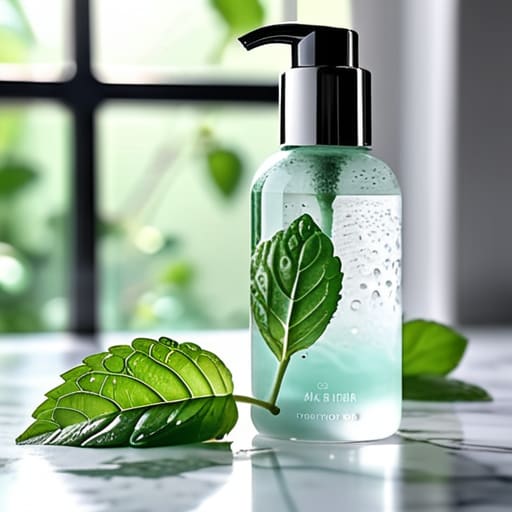
I remember sitting at my desk a few years ago, mid-freelance deadline, feeling that familiar, heavy slickness creeping across my forehead and making my roots feel weighed down and completely unwashed. It’s that specific, frustrating sensation where you feel like you need a shower every two hours just to feel human again. I spent so much time in my early twenties thinking the solution was to scrub my face until it was squeaky clean or drenching my scalp in harsh sulfates, but all I did was trigger a cycle of even more oil production. Finding effective skincare for oily hair and skin shouldn’t feel like a constant battle against your own biology, and it certainly shouldn’t require a cabinet full of aggressive, stripping chemicals.
I’m not here to sell you a complicated twelve-step ritual or some overpriced “miracle” serum that promises the moon. Instead, I want to share the gentle, science-backed approach I’ve leaned on to keep my balance without wrecking my skin barrier. We’re going to focus on a few intentional, functional essentials that actually manage excess sebum while keeping your moisture levels intact. My goal is to help you simplify your routine so you can stop worrying about the shine and get back to your day with a little more peace of mind.
Table of Contents
Gentle Strategies for Balancing Facial Oils Without the Stress

When I first realized I was over-stripping my skin, I thought the solution was to scrub harder. I couldn’t have been more wrong. If you’re constantly fighting that midday shine, the instinct is to reach for the harshest foaming cleansers you can find, but that usually just triggers a cycle of more oil. Instead, I’ve learned that balancing facial oils is all about teaching your skin to settle down. I focus on a non-comedogenic skincare routine that uses lightweight, water-based moisturizers. It sounds counterintuitive to add moisture when you already feel greasy, but when your skin is actually hydrated, it stops overcompensating by pumping out extra oil.
I also swear by incorporating a gentle chemical exfoliant a few times a week. Using a product with salicylic acid for oily skin helps clear out those clogged pores without the physical irritation of a harsh scrub. It’s much more about consistent, low-effort maintenance than it is about aggressive intervention. By keeping things calm and steady, you’re working with your skin’s natural biology rather than fighting an uphill battle against it.
Why a Non Comedogenic Skincare Routine Is Your New Best Friend
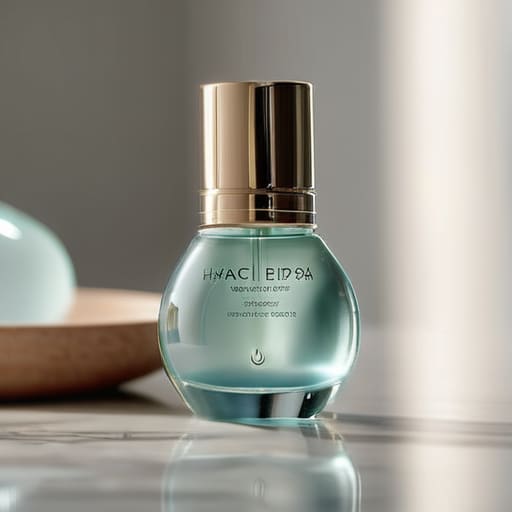
If you’ve ever spent your morning scrubbing your face only to feel a greasy film return by noon, you know the frustration. When I was overdoing it with harsh treatments in my early twenties, I actually made things worse by stripping my skin so much that it went into overdrive. That’s where the concept of a non-comedogenic skincare routine becomes a total game-changer. Essentially, you’re choosing products specifically formulated not to clog your pores. Instead of fighting against your biology, you’re working with it to ensure that your products aren’t contributing to the very breakouts or congestion you’re trying to avoid.
It’s also about finding that sweet spot in balancing facial oils without the heavy-handed approach. When we use products that are too thick or occlusive, we end up trapping excess oil underneath the surface, which is a recipe for disaster. By sticking to lightweight, breathable formulas, you’re allowing your skin to breathe while keeping things steady. It’s less about “fixing” your skin and more about providing the right, clean environment for it to thrive on its own.
My Five Non-Negotiables for Staying Balanced
- Stop the “squeaky clean” habit. I used to think that if my skin felt tight after washing, it meant it was clean, but I was actually just stripping my barrier and triggering even more oil production. Stick to a gentle, pH-balanced cleanser that leaves you feeling soft, not parched.
- Treat your scalp like an extension of your face. If you struggle with oily hair, don’t just scrub your ends; focus your shampoo on the roots to break down sebum, but always follow up with a lightweight conditioner only from the mid-lengths down to avoid that heavy, greasy feeling.
- Embrace the power of a lightweight moisturizer. It sounds counterintuitive, but skipping moisturizer is a mistake. When your skin gets dehydrated, it overcompensates by pumping out more oil. Look for oil-free, gel-based formulas that sink in instantly without leaving a film.
- Don’t sleep on double cleansing in the evening. Especially on days when I’ve been out in the city or wearing SPF, using a gentle oil-based cleanser first helps dissolve the excess sebum and impurities, making my second water-based cleanse so much more effective.
- Keep your hair off your face when you can. It sounds simple, but if you have oily hair, those strands act like a sponge for your facial oils and can lead to breakouts along your hairline. Pinning it back while you work or sleep can make a surprisingly big difference.
My Top Takeaways for Finding Your Balance
Less is almost always more; stop trying to “strip” the oil away with harsh cleansers and instead focus on supporting your skin barrier so it stops overcompensating.
Check your labels for the word “non-comedogenic” to ensure your products are actually working with your pores rather than clogging them up.
Don’t forget your hair—treating your scalp with the same gentle, science-backed care you give your face can make a huge difference in how much oil you’re managing daily.
## Finding Balance in the Chaos
“Managing oily skin and hair isn’t about stripping everything away until you’re squeaky clean and irritated; it’s about finding that sweet spot where your skin feels hydrated, your scalp feels fresh, and you aren’t spending your entire morning fighting a shine that shouldn’t be there.”
Neha Rajagopal
Finding Your Flow
At the end of the day, managing oily hair and skin isn’t about fighting against your body or trying to strip away every last drop of moisture. It’s about finding that sweet spot between effective cleansing and intentional hydration. We’ve talked about why choosing non-comedogenic products is a non-negotiable and how gentle, targeted strategies can help regulate your sebum without causing a rebound effect. Remember, the goal isn’t to achieve a matte, porcelain-like finish that feels unnatural; it’s simply to find a sustainable balance that keeps you feeling fresh and comfortable from your morning Lo-Fi playlist to your evening wind-down.
I know how overwhelming it can feel when your skin seems to have a mind of its own, especially when you’re staring at a shelf full of complicated, expensive promises. But please, give yourself permission to simplify the process. Skincare should be a quiet moment of self-care, not another item on your stressful to-do list. Trust the science, listen to what your skin is actually telling you, and remember that consistency beats intensity every single time. You’ve got this, and your skin will thank you for the kindness you show it.
Frequently Asked Questions
How can I tell if my skin is actually oily or if my barrier is just damaged and overcompensating?
It’s a tricky distinction, but I’ve definitely been there. If your skin feels tight or “shiny” but also stings when you apply even a basic moisturizer, that’s a massive red flag for a damaged barrier. True oily skin usually feels supple and soft, even if it’s greasy. If you’re dealing with that weird combination of oiliness paired with redness or flaking, your skin isn’t actually oily—it’s just crying out for some hydration and repair.
Is it possible to manage an oily scalp without washing my hair every single day?
Honestly, it’s totally possible. I used to think washing every single day was the only way to deal with my oily scalp, but I actually ended up stripping my hair and making things worse. Instead, try using a dry shampoo on your “off” days to soak up excess oil, or even a scalp scrub once a week. It’s all about finding that balance without making hair washing a daily chore.
Can I use heavy moisturizers if I have an oily T-zone, or will that just cause more breakouts?
It’s a common fear, but here’s the truth: skipping moisturizer can actually make your skin produce more oil to compensate for dehydration. The trick isn’t avoiding moisturizer; it’s about choosing the right texture. If you have an oily T-zone, swap those heavy creams for a lightweight, water-based gel. You’ll get the hydration your skin needs to stay balanced without that suffocating, breakout-prone feeling. It’s all about working with your skin, not against it.
