Category: Ingredients

  • How Azelaic Acid Helps With Skin Redness

    How Azelaic Acid Helps With Skin Redness

    I still remember sitting on my bathroom floor in my early twenties, staring at a mirror filled with angry, red patches and feeling like my skin was constantly betraying me. I had spent a small fortune on “miracle” serums and aggressive peels, thinking that if I just used more potent actives, the redness would finally vanish. Instead, I just ended up with a completely wrecked skin barrier and a sense of deep frustration. It took a long time to realize that more isn’t always better; sometimes, the answer is actually a gentle, multitasker like azelaic acid.

    I’m not here to sell you on a ten-step ritual or a luxury cream that costs more than my monthly grocery bill. My goal is to cut through the marketing noise and give you the straightforward truth about how this ingredient actually behaves on real, sensitive skin. We’re going to look at why azelaic acid is a total game-changer for redness and texture, without the unnecessary hype. Consider this your no-nonsense guide to getting calm, clear skin without the stress.

    Table of Contents

    Azelaic Acid for Acne Treatment Without the Irritation

    Azelaic Acid for Acne Treatment Without the Irritation

    If you’ve ever been in that cycle of trying to “dry out” a breakout only to end up with flaky, stinging skin, you know exactly where I’m coming from. I used to think that if a product didn’t burn, it wasn’t working, but that’s how I ended up wrecking my skin barrier back in my early twenties. When it comes to azelaic acid for acne treatment, the magic lies in its ability to tackle blemishes without that aggressive, stripping sensation. Unlike some harsher acids, it works to calm inflammation while keeping your skin’s moisture levels intact.

    I often get asked about azelaic acid vs salicylic acid, and while BHA is great for deep-cleaning pores, it can sometimes feel a bit too much for my more sensitive days. This ingredient feels more like a supportive friend; it helps clear out the congestion and keeps bacteria in check, but it does so with a much more gentle approach to exfoliation. It’s perfect for those of us who want to clear up active spots and fade those lingering red marks without feeling like our face is constantly on fire.

    Gentle Exfoliation for Sensitive Skin and Lasting Peace
    Gentle Exfoliation for Sensitive Skin and Lasting Peace

    If you’re like me and have spent years oscillating between “not enough” and “way too much” when it comes to exfoliation, you know the struggle. I used to reach for harsh scrubs or high-percentage acids, thinking more was better, only to end up with a stinging, compromised skin barrier. That’s where this ingredient becomes a total game-changer. It offers a way to achieve gentle exfoliation for sensitive skin without that scary, raw feeling that usually follows a heavy peel.

    When I compare azelaic acid vs salicylic acid, the main difference for me is the “vibe.” While salicylic acid is great for deep cleaning pores, it can sometimes feel a bit aggressive if your skin is already feeling temperamental. This alternative works more quietly in the background, smoothing out texture and calming redness simultaneously. It feels less like a chemical attack and more like a steady, supportive hand for your complexion. For anyone who wants to clear their pores but is terrified of the dreaded “purge and peel” cycle, this is the peaceful middle ground we’ve all been searching for.

    How to actually use azelaic acid without the stress

    • Start slow. Even though it’s much gentler than things like retinol, I still recommend starting with just two or three times a week. Let your skin get used to it before you commit to every single night.
    • Layer it after your hydration. If you have sensitive skin like mine, try applying your moisturizer first, then your azelaic acid. It creates a little buffer that helps prevent that weird, temporary itching sensation some people get.
    • Don’t skip the SPF. While azelaic acid isn’t as aggressive as other acids, you’re still working on skin turnover and calming inflammation. Protecting that progress with a good sunscreen is non-negotiable.
    • Keep it simple. Since I’m all about a minimalist routine, I don’t mix azelaic acid with a bunch of other harsh actives in the same session. Use it alongside your soothing basics, not in a fight with your entire cabinet.
    • Be patient with the results. This isn’t a magic wand that works overnight. It takes a few weeks of consistent, calm application to really see that redness fade and that texture smooth out. Stick with it.

    The Bottom Line: Making Azelaic Acid Work for You

    You don’t have to choose between clearing your skin and keeping your barrier intact; azelaic acid offers a way to treat breakouts without that aggressive, stinging sensation I used to get from harsher actives.

    Keep it simple by incorporating it into your existing minimalist routine—it’s a versatile multitasker that handles redness and texture so you don’t need a shelf full of different products.

    Patience is key, so treat it as a steady, calming part of your ritual rather than a quick fix; consistent, gentle application will yield much better results than trying to rush the process.

    My Philosophy on Active Ingredients

    “I spent years thinking that if a product didn’t sting, it wasn’t working—until I realized that true skin progress happens in the quiet moments of healing, not in the chaos of irritation. Azelaic acid taught me that you can actually treat your skin without making it feel like a battlefield.”

    Neha Rajagopal

    Finding Your Skin's New Rhythm
    Finding Your Skin's New Rhythm with Azelaic Acid

    At the end of the day, azelaic acid is really about finding that sweet spot between efficacy and kindness. We’ve talked about how it can tackle stubborn acne without the harsh, stripping side effects of traditional treatments, and how it serves as a gentle way to calm redness and smooth out texture. You don’t need to cycle through a dozen different heavy-duty acids to see progress. By focusing on this one versatile ingredient, you’re choosing a path that respects your skin barrier rather than fighting against it. It’s about working smarter, not harder, and letting science do the heavy lifting while you keep your routine simple and manageable.

    I know how exhausting it feels to look in the mirror and feel like you’re at war with your own face. I’ve been there, reaching for every “miracle” product only to end up with more irritation than results. But I promise you, true skin health comes from consistency and patience, not from intensity. Let this be your permission to slow down. Treat your skincare like that quiet moment with your Lo-Fi playlist—a small, intentional ritual that centers you. You deserve to feel comfortable in your skin, and sometimes, the most powerful thing you can do is actually do less.

    Frequently Asked Questions

    Can I use azelaic acid at the same time as my retinol or other strong actives?

    This is where I usually tell people to slow down. If you’re trying to layer azelaic acid directly with retinol in the same sitting, your skin barrier might stage a protest. I’ve been there, and trust me, the redness isn’t worth it. Instead, try alternating them—retinol at night, azelaic acid in the morning. It keeps your routine effective without turning your face into a zone of irritation. Slow and steady wins here.

    Is it okay to use this during pregnancy or while breastfeeding?

    This is such a common question, especially when everything feels a bit more sensitive during pregnancy or breastfeeding. The good news? Azelaic acid is generally considered one of the safer bets. Unlike retinoids, which we definitely avoid during this time, azelaic acid is much more gentle on the system. That said, I’m not a doctor, so please run it by your OB-GYN first. It’s always better to have that extra peace of mind.

    How long does it actually take before I start seeing a difference in my redness or acne?

    I know the feeling—you want that immediate “glow up” so you can stop hiding behind concealer. But skin cells take time to turn over. For redness, you might notice things calming down in a few weeks, but for acne and those stubborn dark spots, I’d say give it at least 8 to 12 weeks of consistent use. Be patient with your barrier; real, lasting change is a slow burn, not an overnight fix.
  • The Emollient Properties of Shea Butter

    The Emollient Properties of Shea Butter

    I still remember the stinging sensation of my skin peeling after a month of using way too many harsh, high-percentage acids. I thought I was being “advanced,” but I was actually just destroying my moisture barrier and leaving my face feeling tight and raw. When I finally stripped everything back to the basics, I stumbled upon shea butter, and honestly, it felt like a literal hug for my skin. I was so tired of the marketing hype promising “miracle transformations” through twenty-step routines, when all my skin actually needed was one reliable, soothing ingredient that didn’t cost a fortune.

    I’m not here to sell you on a luxury cult brand or a complicated ritual that takes up your entire morning. Instead, I want to share what I’ve learned through years of trial, error, and a lot of much-needed skin recovery. I’ll be breaking down how to actually use shea butter effectively, how to spot the real stuff from the cheap fillers, and how to integrate it into a minimalist routine that actually works. Let’s cut through the noise and get back to the basics of healthy, calm skin.

    Table of Contents

    The Magic of Raw Unrefined Shea Butter Benefits

    The Magic of Raw Unrefined Shea Butter Benefits

    When I first started looking into the raw unrefined shea butter benefits, I was honestly a bit skeptical. I had spent years chasing high-percentage acids that left my face feeling tight and reactive, so I was wary of anything labeled “miracle worker.” But once I switched to something this pure, it was like my skin finally took a deep breath. Unlike highly processed versions that lose their soul in a lab, the unrefined stuff is packed with essential vitamins in shea butter, specifically A and E, which act as tiny shields for your skin barrier.

    It’s not just about surface-level moisture, either. Because of the incredible emollient properties of shea, it sinks in to soothe irritation without that heavy, suffocating feeling you get from some other oils. I’ve found it to be a total game-changer for dry skin, especially on those mornings when my face feels a bit sensitized from the wind or central heating. It’s one of those rare, honest, natural skincare ingredients that actually delivers on its promise of comfort and calm.

    Feeding Your Glow With Essential Vitamins in Shea Butter

    Feeding Your Glow With Essential Vitamins in Shea Butter

    When I look at the ingredient list on my favorite products, I’m always searching for nutrition rather than just fillers. That’s where the real magic happens. The vitamins in shea butter—specifically A, E, and F—act like a tiny, concentrated multivitamin for your face. Vitamin A helps with cell turnover, while Vitamin E is that powerhouse antioxidant we all need to combat daily environmental stress. It’s not just about sitting on the surface; it’s about giving your skin the actual building blocks it needs to repair itself.

    Because of these nutrients, I’ve found it to be an incredible solution for shea butter for dry skin that feels tight or flaky. Unlike some heavy oils that just feel greasy, the emollient properties of shea allow it to sink in and actually nourish the deeper layers. It’s a far more holistic way to approach hydration compared to synthetic alternatives. For me, incorporating these kinds of natural skincare ingredients isn’t about chasing a trend; it’s about choosing sustained, nutrient-dense care that respects my skin’s natural rhythm.

    How to Actually Use Shea Butter Without Making a Mess

    • Warm it up in your palms first. Don’t just scoop it and go; rub it between your hands for a few seconds until it melts into a silky oil. It makes application so much more soothing and helps it sink in without that heavy, greasy feeling.
    • Apply it to damp skin. I always try to use my shea butter right after a shower or after misting my face with some water. It helps lock that moisture in immediately, which is a game-changer for keeping your barrier happy.
    • Use it as a “reset button” for dry patches. If you’ve overdone it with your retinol or acids and your skin feels tight and angry, skip the fancy serums for a night and just use a thin layer of shea butter. It’s like a cozy hug for your face.
    • Don’t forget your body. I love using it on my elbows and knees right before bed. It’s one of those small, slow rituals that makes my nighttime routine feel less like a chore and more like a moment of peace.
    • Check the label for “unrefined.” Since I ruined my skin barrier in my early twenties, I’ve become a bit of a label nerd. Make sure it’s raw and unrefined so you’re actually getting all those nutrients instead of a processed version that’s been stripped of its goodness.

    My Quick Guide to Making Shea Butter Work for You

    Keep it simple by choosing raw, unrefined shea butter; it’s the closest you’ll get to nature’s purest version without all the unnecessary fillers.

    Don’t fear the richness—a little goes a long way, so use it as a calming ritual to soothe your skin barrier rather than a heavy, overwhelming layer.

    Think of it as a multitasking staple that replaces several expensive products, helping you maintain a healthy glow without cluttering your bathroom cabinet.

    My Philosophy on Simplicity

    “After years of stripping my skin bare with harsh acids, I finally realized that true radiance doesn’t come from more ingredients—it comes from the right ones. Shea butter is my reminder that sometimes, the most powerful thing you can do for your skin is to just let it breathe and nourish it with something honest.”

    Neha Rajagopal

    Finding Your Peace in Simplicity

    Finding Your Peace in Simplicity with Shea.

    At the end of the day, shea butter is so much more than just another ingredient on a crowded shelf. We’ve looked at how its raw, unrefined power can repair a damaged barrier and how those essential vitamins work behind the scenes to nourish your skin from the inside out. When I think back to my own days of overcomplicating everything with harsh acids and ten different serums, I realize how much I missed the beauty of returning to basics. You don’t need a lab-grown miracle to see results; sometimes, the most effective solution is the one that has been around for centuries, providing pure, concentrated nourishment without the unnecessary fluff.

    I want to leave you with this: your skincare routine shouldn’t feel like a second job or a source of anxiety. If you’re feeling overwhelmed by the endless cycle of new product launches and complex ingredient lists, let this be your sign to strip it all back. Take a moment, maybe put on some Lo-Fi, and just focus on what your skin actually needs to feel calm and hydrated. Choosing a single, high-quality staple like shea butter isn’t just a smart way to save money; it’s a way to reclaim your peace and make your beauty ritual a gentle moment of self-care rather than a stressful chore.

    Frequently Asked Questions

    Is shea butter too heavy for my skin if I'm prone to breakouts?

    I get this question all the time, and honestly, it’s a valid fear. After I wrecked my skin barrier years ago, I became hyper-aware of texture. If you’re breakout-prone, the key is all in the application. Instead of slathering it on, try warming a tiny amount between your palms and pressing it into damp skin. It’s about that thin, protective layer, not a heavy mask. Listen to your skin—if it feels suffocated, scale back.

    How can I tell if the shea butter I'm buying is actually raw and unrefined?

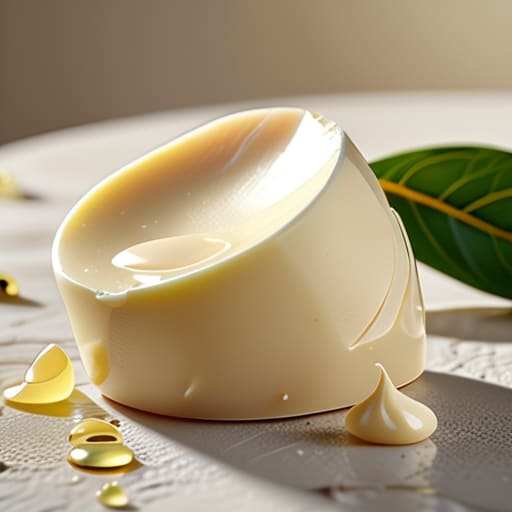
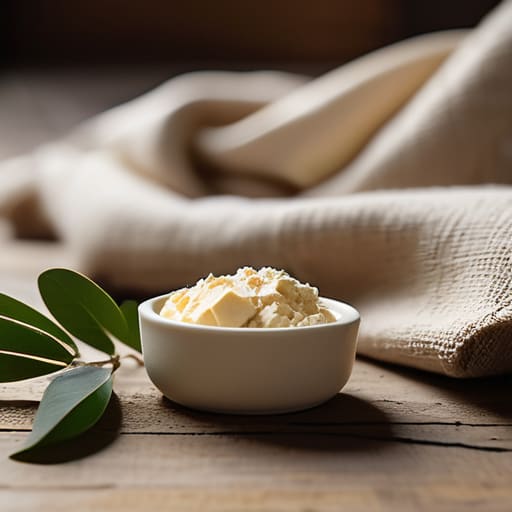
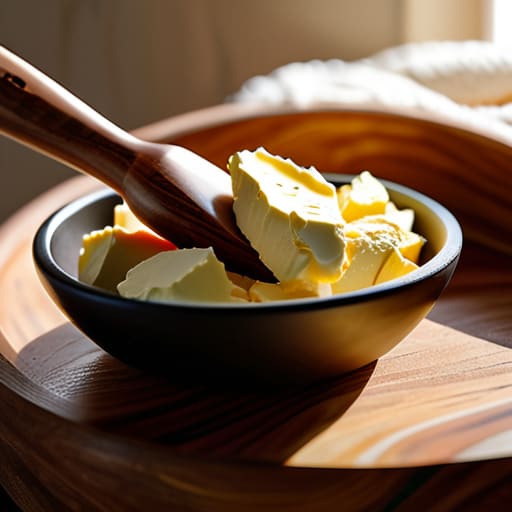
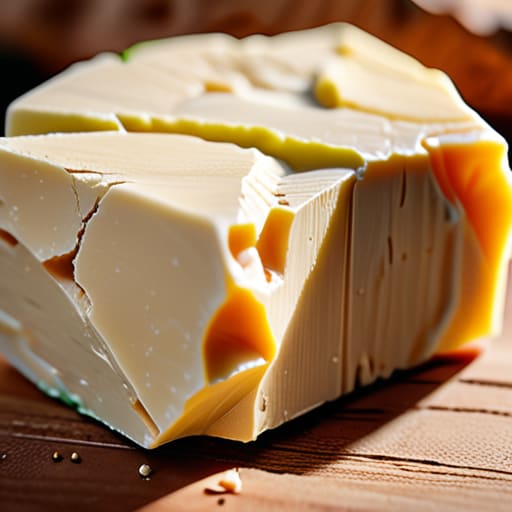
    Honestly, it can be so tricky with all the pretty packaging out there. My rule of thumb? Look for the color and the scent. Real, unrefined shea butter isn’t bright white or odorless; it should have a creamy, off-white or slightly yellowish tint and a distinct, nutty aroma. If it looks perfectly smooth and smells like absolutely nothing, it’s likely been heavily processed. Stick to the stuff that feels a bit more “real.”

    Can I use shea butter as a replacement for my expensive night creams?

    Honestly? Yes, you absolutely can. I used to spend way too much on high-end night creams, thinking the price tag equaled better results. But after I wrecked my skin barrier, I realized my skin just needed deep, honest nourishment. If you swap those pricey jars for a bit of raw shea butter, you’re getting incredible hydration without the unnecessary fillers. It’s a simple, budget-friendly way to turn your evening routine into a moment of actual peace.

  • Using Tea Tree Oil for Blemish Control

    Using Tea Tree Oil for Blemish Control

    I still remember the overwhelming, medicinal scent of tea tree oil hitting me in my early twenties, right as I was frantically dabbing it onto a face that was already red and angry from over-exfoliating. I was convinced that if I just applied more and more of these harsh “natural” remedies, I could scrub away my insecurities. But that’s the thing about the skincare industry—it loves to sell us the idea that more is better, when in reality, we’re often just stripping our skin of its dignity. I learned the hard way that using tea tree oil isn’t about aggressive warfare against your pores; it’s about finding a way to soothe them without causing a total meltdown.

    I’m not here to sell you a fancy, twenty-step ritual or a designer bottle that costs more than my monthly grocery bill. Instead, I want to share what I’ve actually learned from years of trial, error, and a very humbled skin barrier. I’ll be giving you the straightforward truth on how to use tea tree oil effectively, safely, and—most importantly—simply. Let’s cut through the marketing noise and focus on how this single ingredient can actually help you feel calm and grounded in your own skin.

    Table of Contents

    The Melaleuca Alternifolia Benefits Your Skin Actually Needs

    The Melaleuca Alternifolia Benefits Your Skin Actually Needs.

    When we talk about the melaleuca alternifolia benefits, it’s easy to get lost in the hype, but the real magic lies in how it handles the “uninvited guests” on our faces. Because of its potent antiseptic properties, it’s my go-to when I feel a hormonal breakout brewing. Instead of attacking my skin with harsh, stripping chemicals that leave me feeling raw, I find that this oil works more like a quiet mediator—calming the inflammation and helping to clear the congestion without wrecking my moisture barrier.

    It isn’t just about spot-treating a pimple, though. I’ve actually found it quite helpful for soothing an itchy, flaky scalp when I haven’t had time for a deep conditioning session. However, because it is so concentrated, I always remind myself (and you!) about essential oil safety precautions. You should never apply it straight from the bottle to your skin; always dilute it with a gentle carrier oil or look for a pre-formulated product. It’s all about finding that balance between efficacy and kindness to your skin.

    Natural Acne Treatments That Wont Overwhelm Your Routine

    Natural acne treatments that won't overwhelm your routine.

    When I first started experimenting with natural acne treatments, I was terrified of making my redness worse. After my skin barrier mishap in my early twenties, I learned the hard way that “more” isn’t always better. You don’t need a drawer full of harsh, stinging chemicals to manage a breakout. Sometimes, the most effective solution is just a single, targeted ingredient that works with your skin rather than against it.

    For me, the magic lies in how you approach tea tree oil skin application. Instead of slathering it all over your face like a moisturizer, I recommend using it as a spot treatment. A tiny dab on a blemish can work wonders because of the antiseptic properties of tea tree, helping to calm the inflammation without disrupting your entire morning flow. It’s about being intentional. Just remember to always keep essential oil safety precautions in mind—diluting it with a little carrier oil or using a pre-formulated product is much kinder to your complexion than applying it straight from the bottle. Keeping it simple is the best way to stay consistent.

    How to use tea tree oil without making things worse

    • Always dilute it first. I learned this the hard way after a little skin-barrier mishap in my early twenties. Never apply pure tea tree oil straight to your face; mix a single drop into your favorite gentle moisturizer or a carrier oil like jojoba to keep things calm.
    • Use it as a targeted spot treatment only. There’s no need to slather it all over your face. If you feel a breakout coming on, just dab a tiny bit on the specific spot. It’s about precision, not overkill.
    • Do a patch test on your inner arm. Since we’re leaning into natural ingredients, we have to remember that “natural” doesn’t always mean “non-irritating.” Give it a try on a small area for 24 hours before committing it to your full routine.
    • Keep it away from your eyes and sensitive areas. Tea tree oil is powerful stuff, and it can sting like crazy if it gets too close to your eyes. If you’re using it for a blemish near your eye area, be extra cautious and use a very diluted version.
    • Store it in a cool, dark place. To keep the oil effective and prevent it from losing its magic, keep your bottle tucked away in a drawer rather than sitting on a sunny windowsill. It helps maintain that potency we’re looking for.

    My Quick Cheat Sheet for Using Tea Tree Oil

    Don’t go in guns blazing—always dilute your tea tree oil with a gentle carrier like jojoba or squalane to keep your skin barrier happy.

    Think of it as a targeted tool, not a whole-face treatment; a little dab on a breakout is plenty.

    Listen to your skin above all else. If you notice any redness or stinging, back off and focus on hydration instead.

    ## Finding Balance in a Bottle

    “I used to think that if a product didn’t sting, it wasn’t working—until I completely wrecked my skin barrier. Now, I look at tea tree oil differently; it’s not about punishing your skin into submission, but about giving it a gentle, effective nudge back toward balance.”

    Neha Rajagopal

    Final Thoughts on Keeping It Simple

    Final Thoughts on Keeping It Simple.

    At the end of the day, tea tree oil isn’t some magic potion that will transform your skin overnight, but it is an incredibly reliable tool for those moments when your complexion feels a little out of balance. We’ve talked about how its antimicrobial properties can tackle breakouts and how it can serve as a calming addition to your routine without adding unnecessary complexity. Whether you’re using it as a targeted spot treatment or looking for a more integrated way to manage occasional imperfections, the goal is always the same: effective results without the irritation. Remember to listen to your skin and always do a patch test first, because even the most natural ingredients need to be approached with a little bit of mindful caution.

    I know how easy it is to get lost in the rabbit hole of complicated ingredient lists and expensive, multi-step regimens, but I promise you, your skin doesn’t need all that noise to thrive. Skincare should be a way to care for yourself, not another item on an overwhelming to-do list. If using a simple, plant-based oil helps you feel more grounded and confident in your own skin, then you’re doing it exactly right. Focus on the basics, be patient with your progress, and try to embrace the process of healing. You deserve to feel comfortable and calm, one small step at a time.

    Frequently Asked Questions

    Can I use tea tree oil every day, or will it end up irritating my skin like other actives?

    Honestly, this is where I learned the hard way. If you jump straight into daily use, especially undiluted, you’re likely looking at a damaged barrier—and trust me, that’s a headache you don’t need. I recommend starting slow, maybe just two or three times a week, and always mixing it with a carrier oil or your favorite moisturizer. Listen to your skin; if it feels tight or itchy, take a break. Consistency beats intensity every time.

    Do I need to dilute it with a carrier oil, or can I just dab it straight onto a breakout?

    Honestly, I’d highly recommend diluting it. I learned the hard way that dabbing pure tea tree oil straight onto a breakout can sometimes cause more irritation than it’s worth—especially if your skin barrier is already feeling a bit sensitive. I usually mix a drop or two into a little bit of jojoba or squalane oil first. It makes the application much gentler and keeps that “moment of peace” vibe going without the stinging.

    Is it safe to use tea tree oil if I have sensitive skin or a compromised skin barrier?

    If your barrier is currently feeling a bit trashed—like mine used to be—you’ll want to be extra cautious. Pure tea tree oil is potent, and applying it directly to sensitized skin can sting or cause more redness. Instead of going full force, look for it in a pre-formulated, soothing moisturizer. If you do use the essential oil, always dilute it heavily with a carrier oil first. Slow and steady wins the race here.

  • Benefits of Centella Asiatica for Irritated Skin

    Benefits of Centella Asiatica for Irritated Skin

    I still remember staring at my reflection in my bathroom mirror three years ago, my face stinging and angry from a “treatment” routine that was doing way more harm than good. I had fallen into the trap of thinking that if a product didn’t burn or smell like a chemistry lab, it wasn’t working. I was chasing high percentages of harsh acids, completely ignoring the fact that I had effectively shredded my skin barrier. It wasn’t until I stripped everything back and discovered centella asiatica that I actually started to find some peace. This little botanical wasn’t a flashy, aggressive miracle worker; it was just the gentle, steady hand my skin desperately needed to stop the cycle of irritation.

    I’m not here to sell you on a cult-favorite luxury cream that costs as much as my monthly grocery bill. Instead, I want to give you the real, unvarnished truth about how to use centella asiatica to soothe redness and rebuild your skin’s natural defenses. We’re going to cut through the marketing fluff and focus on what actually works for a busy, real-life schedule. No twenty-step rituals required—just honest advice on how to make this calming essential work for you.

    Table of Contents

    Finding Peace Through Natural Soothing Botanicals

    Finding Peace Through Natural Soothing Botanicals.

    When I was in my early twenties, I thought “more” always meant “better.” I’d layer every harsh acid I could find, thinking I was being proactive, but I ended up with a skin barrier that felt like it was constantly on fire. It took a lot of trial and error—and a few very red, very angry skin days—to realize that sometimes, the best thing you can do for your face is to just stop attacking it. That’s where natural soothing botanicals really changed the game for me. Instead of trying to strip my skin, I started looking for ingredients that felt like a soft blanket.

    This is why I’ve become such a huge advocate for tiger grass skincare benefits. It’s not just a trendy buzzword; it’s about finding those gentle powerhouses that work with your skin rather than against it. For instance, I’ve found that focusing on madecassoside skin repair has been a total lifesaver when my complexion looks dull or irritated from stress. It’s about that shift from aggressive correction to intentional, calming nourishment. It turns a frantic morning routine into a much more grounded, peaceful ritual.

    The Real Magic of Tiger Grass Skincare Benefits

    The Real Magic of Tiger Grass Skincare Benefits.

    When I look at the ingredient list of my favorite calming serums, it’s usually the concentrated compounds that do the heavy lifting. We often hear about the general tiger grass skincare benefits, but the real magic happens at a molecular level with things like madecassoside skin repair. This specific component is a powerhouse for anyone who, like me, has accidentally compromised their skin barrier with too many acids. It works to soothe inflammation from the inside out, making it feel less like a temporary fix and more like actual healing.

    If you’re currently struggling with post-breakout marks, you might find that using centella asiatica for acne scars helps fade those stubborn red spots much faster than traditional treatments. It’s not about scrubbing your skin into submission; it’s about supporting its natural ability to bounce back. I’ve found that incorporating these skin barrier repair ingredients into my evening routine has been a total game-changer for my texture. Instead of feeling tight or reactive, my face just feels… quiet. It’s that sense of stability that makes it a permanent staple on my vanity.

    How to actually use Centella without overcomplicating things

    • Look for it in your “recovery” products. Since I ruined my barrier years ago, I’ve learned that Centella works best when it’s paired with things like ceramides or hyaluronic acid to help seal everything in.
    • Don’t wait for a breakout to use it. I like to keep a Centella-based toner or essence in my routine even when my skin is behaving, just to keep that underlying calm and prevent irritation before it starts.
    • Check the ingredient list for “Madecassoside.” That’s one of the concentrated compounds derived from the plant that does the heavy lifting when it comes to soothing redness, so it’s worth looking for specifically.
    • Use it as a soothing “buffer” if you’re using harsh actives. If you’re trying a new retinol or a strong acid and your skin feels a bit jumpy, applying a Centella serum first can act like a little cushion for your face.
    • Keep it simple and layered. You don’t need a specialized Centella mask every night; just a lightweight serum or a gel-cream is usually enough to get those calming benefits without adding more steps to your morning ritual.

    My Final Thoughts on Centella

    You don’t need a complicated routine to fix irritation; sometimes, a single, soothing ingredient like centella asiatica is all your skin needs to find its balance again.

    Think of tiger grass as a safety net for your skin barrier—it’s the perfect way to calm down redness without adding any unnecessary stress or harshness.

    Focus on quality over quantity; choosing gentle, science-backed botanicals will do much more for your long-term skin health than chasing every new, aggressive active on the market.

    My Take on Centella

    After years of accidentally stripping my skin barrier with too many harsh acids, I’ve learned that sometimes the best thing you can do isn’t adding more “power”—it’s adding more peace. To me, centella asiatica is that much-needed moment of calm in a chaotic routine; it’s less about aggressive transformation and more about giving your skin the quiet strength it needs to just… heal.

    Neha Rajagopal

    Final Thoughts on Finding Your Calm

    Final Thoughts on Finding Your Calm.

    At the end of the day, centella asiatica isn’t just another trendy ingredient to add to your shelf for the sake of it. It’s about recognizing when your skin is screaming for a break and giving it the gentle, restorative support it deserves. Whether you’re dealing with a compromised barrier from too many harsh acids or just want to keep that redness at bay, this little botanical powerhouse does the heavy lifting without the irritation. We’ve looked at how it soothes, how it heals, and why it deserves a permanent spot in your minimalist routine.

    If there is one thing I’ve learned from my own skin struggles, it’s that more is rarely better. True radiance doesn’t come from a complicated, exhausting ritual; it comes from listening to what your body is actually telling you. Let centella asiatica be that simple, reliable constant in your life—a way to turn your skincare into a moment of genuine peace rather than another item on a never-ending to-do list. You don’t need to do more to see results; you just need to do what works.

    Frequently Asked Questions

    Can I use centella asiatica alongside my stronger actives like retinol or vitamin C without irritating my skin?

    Honestly, this is my favorite way to use it. After I wrecked my barrier in my early twenties, I learned that centella is the perfect “buffer.” You can absolutely use it alongside retinol or Vitamin C. Think of it as the peacekeeper in your routine; it helps soothe the irritation those stronger actives can sometimes trigger. Just apply your centella first or layer it right after to keep your skin feeling calm and resilient.

    How long does it actually take to see a difference in redness or skin texture once I start using it?

    Honestly, I wish I could say you’d wake up with perfect skin overnight, but skincare is a marathon, not a sprint. For immediate redness, you might feel a soothing difference within a few days—it’s like a cooling balm for stressed skin. But for actual changes in texture or deep healing, give it about four to six weeks. That’s usually when your skin cells have had enough time to actually turn over and show the progress.

    Is it better to look for a pure centella serum or a moisturizer that has it as one of many ingredients?

    Honestly, it really depends on what your skin is screaming for right now. If your barrier is totally trashed and you’re dealing with intense redness, go for a pure centella serum; it’s like a concentrated dose of calm that hits the spot quickly. But if you’re just looking to maintain your glow and keep things steady, a moisturizer with centella is perfect. It’s easier, more functional, and fits that low-maintenance lifestyle I love.

  • Using Beta Hydroxy Acid for Clearer Skin

    Using Beta Hydroxy Acid for Clearer Skin

    I still remember sitting on my bathroom floor in my early twenties, staring at a face that felt tight, angry, and completely raw. I had been chasing that “perfect” complexion by layering every harsh exfoliant I could find, convinced that if my skin wasn’t stinging, it wasn’t working. I was so caught up in the hype of aggressive resurfacing that I completely ignored my skin barrier, and honestly, it was a total disaster. I eventually learned that you don’t need to punish your skin to see results; you just need to understand how to use a beta hydroxy acid without turning your morning routine into a battleground.

    I’m not here to sell you a ten-step ritual or some overpriced, gold-flecked serum that promises miracles overnight. Instead, I want to give you the real, unvarnished truth about how to incorporate beta hydroxy acid into a lifestyle that actually fits yours. We’re going to focus on effective, gentle science that clears out those stubborn pores while keeping your skin calm and happy. Think of this as your guide to cutting through the noise and finally getting that healthy glow back, without the stress.

    Table of Contents

    Beyond the Hype Real Salicylic Acid Benefits

    Beyond the Hype Real Salicylic Acid Benefits

    When I first started experimenting with skincare, I thought more was always better. I’d layer every acid I could find, thinking I was doing my skin a favor, only to end up with a red, stinging mess. That’s when I realized that the real magic isn’t in the quantity, but in the specific salicylic acid benefits that target the root of the problem. Unlike some other acids, this one is oil-soluble, meaning it can actually dive deep into your skin to act as a highly effective clogged pores treatment. It doesn’t just sit on the surface; it gets in there to clear out the debris that causes those stubborn breakouts.

    If you’re someone who struggles with an oily T-zone or those tiny, textured bumps that won’t go away, this is your best friend. It works by gently dissolving the “glue” holding dead skin cells together, making it one of those essential pore minimizing ingredients you don’t want to skip. It’s not about harsh, scary exfoliating chemical peels that leave your face feeling tight and raw; it’s about finding that sweet spot where your skin stays clear, calm, and balanced.

    Bha vs Aha Finding Your Skins True Peace

    Bha vs Aha Finding Your Skins True Peace

    I know how overwhelming it gets when you’re staring at a shelf full of bottles, trying to figure out if you actually need that expensive glycolic acid or if you’re just being swayed by marketing. The biggest source of confusion I see is the classic BHA vs AHA debate. Think of AHAs (like lactic or glycolic acid) as your surface-level polishers; they work on the top layer of your skin to improve texture and brightness. They are lovely, but they don’t go deep.

    If your main struggle is feeling “congested” or dealing with those stubborn bumps that just won’t budge, you likely need something that can actually travel inside the pore. That’s where the magic of salicylic acid comes in. Unlike AHAs, this oil-soluble powerhouse acts as a targeted clogged pores treatment, diving deep to clear out debris and excess sebum. For anyone building an oil-free skincare routine, finding that balance is everything. You don’t need to use both every single day—in fact, I wouldn’t recommend it. Instead, listen to your skin; if it feels gritty or oily, lean into the BHA. If it feels dull and dry, stick to your AHAs.

    My Low-Stress Guide to Using BHA Without the Burn

    • Start slow, even if you’re tempted to dive in. Since I’ve dealt with a damaged skin barrier before, I can tell you that using BHA every single night right away is a recipe for redness. Try it once or twice a week to see how your skin reacts.
    • Don’t forget the moisture sandwich. BHA is amazing at clearing pores, but it can be a little drying. I always follow up with a gentle, soothing moisturizer to keep my skin feeling calm and hydrated rather than stripped.
    • Sunscreen is your non-negotiable BFF. While BHA isn’t as sun-sensitizing as some other acids, exfoliation still leaves your fresh skin more vulnerable to the elements. Please, don’t skip your SPF in the morning.
    • Listen to your skin’s “quiet” signals. If your face feels tight, itchy, or looks unusually shiny but feels dry, that’s your skin telling you to take a break. Skincare should feel like a moment of peace, not a stinging sensation.
    • Focus on your trouble spots first. You don’t necessarily need to slather BHA all over your face if you only struggle with congestion on your nose or chin. A targeted approach is much more mindful of your skin’s overall health.

    The Bottom Line: Keeping It Simple with BHA

    Don’t overcomplicate things—if you’re dealing with stubborn clogs or oily patches, a gentle BHA is your best friend for keeping pores clear without the drama.

    Listen to your skin; you don’t need to use it every single day, so start slow to make sure you aren’t stripping away that healthy barrier we’re working so hard to protect.

    Focus on quality over quantity, because one effective salicylic acid product is much better for your peace of mind (and your wallet) than a shelf full of ingredients you don’t actually need.

    ## Less Noise, More Glow

    “I used to think more ingredients meant better results, but my skin taught me otherwise. Honestly? A single, well-formulated BHA is worth more than a dozen products that just end up stripping your barrier and leaving you stressed.”

    Neha Rajagopal

    Finding Your Balance

    Finding Your Balance with BHA skincare.

    At the end of the day, navigating the world of BHAs doesn’t have to feel like a chemistry exam. We’ve looked at how salicylic acid works its magic deep inside your pores and why it’s such a different beast compared to your standard AHAs. The takeaway is simple: you don’t need to overdo it to see results. Whether you’re tackling stubborn blackheads or just trying to keep your texture smooth, the goal is to find that sweet spot where your skin stays clear without feeling stripped or irritated. Remember, it’s about consistency over intensity every single time.

    I know how easy it is to get lost in the endless cycle of new launches and complicated ingredient lists, but I promise you, your skin doesn’t need more noise. It just needs a little bit of intentional, gentle care. Treat your BHA step as a quiet moment in your morning or evening—a chance to reset and breathe—rather than another chore on your to-do list. You deserve to feel comfortable and confident in your own skin, and sometimes, the most effective way to get there is by simply stripping things back to the essentials. You’ve got this.

    Frequently Asked Questions

    Can I use BHA every single day without ruining my skin barrier again?

    Honestly, this is the question that keeps me up at night, especially after my own barrier disaster. The short answer? It depends on your skin’s “listening” skills. If you have oily skin, a daily, gentle BHA might be fine, but for most of us, I’d suggest starting with two or three times a week. If your face starts feeling tight or looks shiny but feels dry, back off immediately. Listen to your skin, not the hype.

    Is it okay to mix salicylic acid with my other active ingredients, or will that be too much?

    Honestly, this is where I used to make a lot of mistakes. My rule of thumb? Don’t overcomplicate it. Mixing BHA with other heavy hitters like Retinol or high-strength Vitamin C in the same session is a fast track to a compromised skin barrier—and trust me, you don’t want that redness. I prefer “layering by time”: use your BHA in the morning and your Retinol at night. Keep them separate to keep your skin calm.

    How long does it actually take before I start seeing a difference in my pores?

    I know the feeling—you want that instant gratification, especially when your pores are acting up. Honestly? Real change takes a little patience. You might see a slight smoothing effect within a week or two, but for that deep, “wow, my skin looks clear” difference, give it about four to six weeks. That’s roughly one full skin cell turnover cycle. Stick with it; consistency is much more important than intensity.

  • A Guide to Alpha Hydroxy Acids for Exfoliation

    A Guide to Alpha Hydroxy Acids for Exfoliation

    I still remember the stinging sensation of my face feeling tight and raw after I spent my entire twenty-second year chasing every “miracle” exfoliant on the market. I thought more was better, but I was actually just stripping my skin barrier into oblivion. We’ve been sold this idea that to get glowing skin, we need a cabinet full of aggressive, high-percentage serums, but the truth is that a well-formulated alpha hydroxy acid can do the heavy lifting without the drama. You don’t need to punish your face to see results; you just need to understand how to use the right ingredients without the overkill.

    I’m not here to sell you a twelve-step ritual or some overpriced luxury liquid that promises to change your life overnight. Instead, I want to give you the honest, science-backed lowdown on how to integrate alpha hydroxy acid into a routine that actually feels sustainable. We’re going to cut through the marketing noise and focus on finding your balance, so you can get that healthy glow while keeping your skin calm, happy, and completely intact.

    Table of Contents

    Decoding Exfoliating Acid Benefits Without the Stress

    Decoding Exfoliating Acid Benefits Without the Stress

    When I first started diving into the world of acids, I felt like I needed a PhD just to pick a serum. It’s overwhelming, I know. But once I stripped away the marketing fluff, I realized that understanding the exfoliating acid benefits really comes down to one thing: how they interact with your unique skin texture. Instead of thinking about “stripping” your skin, I like to think of it as a gentle way to encourage a healthier cell turnover rate. By helping those dead, dull cells shed naturally, you’re essentially clearing the path for your other products to actually sink in and do their jobs.

    If you’re someone who struggles with dryness—or if you’re like my younger self and currently nursing a damaged barrier—you don’t have to go straight for the heavy hitters. I’ve found that looking for lactic acid for hydration is a total game-changer. It’s much more forgiving on the skin, providing that much-needed glow without the aggressive sting. It’s all about finding that sweet spot where you see results, but your skin barrier protection remains completely intact.

    Aha vs Bha Skin Care Finding Your Simple Balance

    Aha vs Bha Skin Care Finding Your Simple Balance

    I know how overwhelming it feels when you’re staring at a shelf full of different bottles, trying to figure out if you need a scrub, a toner, or a serum. When it comes to aha vs bha skin care, the easiest way to decide is to listen to what your skin is actually asking for. If your main goal is to tackle dullness or address some stubborn hyperpigmentation treatment, an AHA is usually your best friend. They work on the surface to sweep away dead cells, making everything look a bit more luminous and even.

    On the other hand, if you’re struggling with clogged pores or that midday oiliness, a BHA is likely what you’re looking for because it can actually dive deeper into the pore. But here is my golden rule: don’t go overboard. If you have a history of reactive skin like I do, I highly recommend looking for lactic acid for hydration. It’s a much gentler way to encourage cell turnover without stripping away your natural oils. It’s all about finding that sweet spot where your skin looks refreshed, but your barrier stays perfectly intact.

    My Low-Stress Guide to Using AHAs Without the Drama

    • Start slow to protect your peace (and your skin). I learned the hard way that jumping straight into high percentages is a recipe for redness. Begin with a lower concentration once or twice a week and see how your barrier reacts before you even think about daily use.
    • Always, always pair your acids with SPF. AHAs make your skin a little more sensitive to the sun, and since we’re all about that healthy, long-term glow, we can’t afford sun damage. Think of sunscreen as the non-negotiable partner to your exfoliation.
    • Listen to your skin’s “whispers.” If your face feels tight, stinging, or looks a bit shiny in an unhealthy way, that’s your skin telling you it’s overwhelmed. Take a few nights off from all actives and just stick to your basic, soothing moisturizer.
    • Don’t overcomplicate your layering. You don’t need to mix your AHA with Vitamin C or other strong actives in the same routine. To keep things simple and effective, I usually use my acids at night and save my brightening serums for the morning.
    • Hydration is your best friend. Exfoliation is great for turnover, but it can leave skin feeling a bit thirsty. I always follow up my AHA with a gentle, nourishing moisturizer to seal everything in and keep that moisture barrier intact.

    Making It Work for Your Real Life

    You don’t need to layer every acid you find; start with one gentle AHA and listen to how your skin actually feels before adding more.

    Consistency beats intensity every single time—it’s much better to use a mild exfoliant twice a week than to burn your barrier with a harsh treatment once a month.

    Protect the progress you’ve made by never skipping SPF, because AHAs make your skin more sensitive to the sun, and we want a healthy glow, not sun damage.

    My Philosophy on Exfoliation

    “After years of punishing my skin with too much, too fast, I’ve learned that AHA isn’t about scrubbing away your problems—it’s about giving your skin a gentle, quiet nudge to refresh itself while you focus on everything else.”

    Neha Rajagopal

    Finding Your Flow with AHAs

    Finding Your Flow with AHAs skincare tips.

    At the end of the day, navigating the world of acids doesn’t have to feel like a chemistry exam. We’ve covered how AHAs work to gently sweep away dead skin cells, the subtle differences between them and BHAs, and how to choose the right strength for your specific skin barrier. The most important takeaway is that consistency beats intensity every single time. You don’t need to blast your face with high percentages to see results; you just need to find that sweet spot where your skin feels refreshed rather than stripped. Listen to your skin, start slow, and remember that less is almost always more when it comes to effective exfoliation.

    I know how easy it is to get caught up in the “more is better” trap, but I promise you, your skin will thank you for the restraint. Skincare should be a way to care for yourself, not another item on a stressful to-do list that leaves you feeling overwhelmed. Whether you’re just starting your journey or you’re looking to refine a routine that actually works for your busy life, I hope you feel empowered to simplify your ritual. Take a deep breath, enjoy that moment of peace during your morning routine, and trust that healthy skin is a marathon, not a sprint.

    Frequently Asked Questions

    Can I use AHAs every single night, or will I end up damaging my skin barrier like I did?

    Oh, I wish I could say yes, but please—don’t do what I did. Using AHAs every single night is a one-way ticket to a compromised skin barrier. When I was overdoing it in my early twenties, my skin felt tight, stinging, and honestly, just exhausted. For most of us, two or three times a week is the sweet spot. It’s about consistency and gentle progress, not punishing your skin into submission.

    Should I be applying my AHA before or after my moisturizer to keep things simple?

    Think of your moisturizer as the cozy blanket that settles everything in. You definitely want to apply your AHA before your moisturizer. Since AHAs are active ingredients meant to penetrate and work their magic, they need direct access to your skin. Once you’ve applied the acid and let it sink in for a minute, follow up with your moisturizer to lock in hydration and protect that barrier we’ve worked so hard to repair.

    Do I really need to wear sunscreen every day if I'm only using an exfoliant at night?

    The short answer? Yes, absolutely. Think of it this way: your AHA is doing the hard work of shedding old skin cells to reveal the fresh, new ones underneath. That new skin is incredibly delicate and much more susceptible to sun damage. If you’re exfoliating at night but skipping SPF during the day, you’re essentially leaving your skin’s most vulnerable layer unprotected. Keep it simple: exfoliate in the PM, protect in the AM.