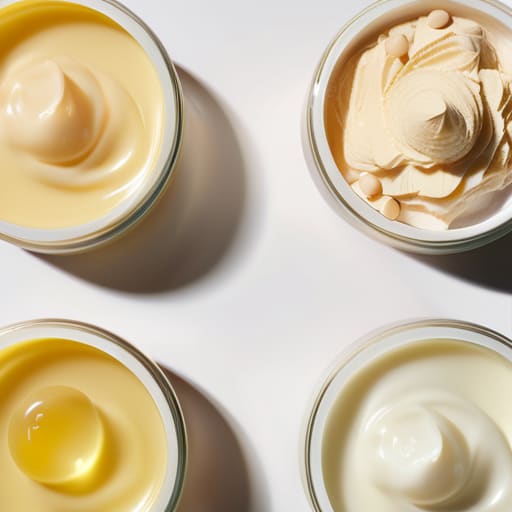
I still remember staring at my reflection in my bathroom mirror three years ago, face stinging and red, wondering why my “luxury” routine was doing more harm than good. I had fallen for the trap of thinking that more products meant better results, but all I really did was strip my skin barrier bare. The beauty industry loves to make things complicated, throwing a million terms at you to make you feel like you need a PhD just to shop for basic moisturizer types. Honestly, it’s exhausting. You don’t need a shelf full of expensive, heavy creams to achieve a healthy glow; you just need to understand what your skin is actually asking for.
I’m not here to sell you on a twenty-step ritual or some overpriced miracle jar. Instead, I want to strip away the marketing fluff and help you find the specific moisturizer types that actually work for your unique life and skin concerns. Think of this as a no-nonsense guide to finding your calm. We’re going to cut through the noise together so you can spend less time stressing over labels and more time feeling comfortable in your own skin.
Table of Contents
Humectants vs Occlusives Finding Your Skins Perfect Balance
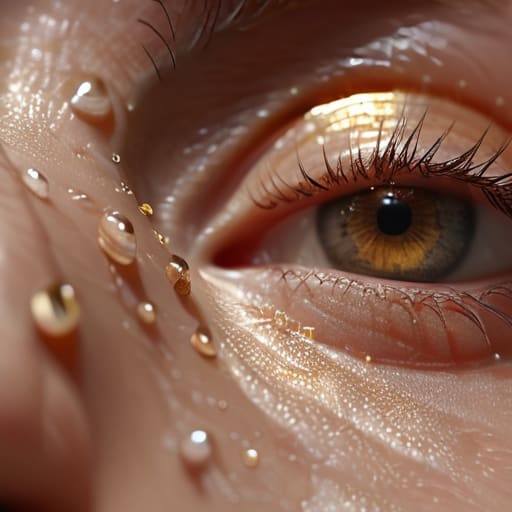
If you’ve ever felt like your skin is drinking up every drop of product only to feel parched again an hour later, you’re likely dealing with a mismatch in your humectants vs occlusives balance. Think of humectants—like hyaluronic acid or glycerin—as the thirsty travelers; they pull water deep into your skin cells to provide that immediate, bouncy feeling. They are absolute skincare routine essentials if you want that plump, dewy look, but they can’t do the job alone.
That’s where occlusives come in to save the day. If humectants are the water, occlusives are the lid on the jar. They create a protective seal on the surface to prevent that moisture from evaporating into the air. This is especially vital for skin barrier repair; when my barrier was compromised years ago, I realized I wasn’t just lacking water, I was lacking the “seal” to keep it there. Whether you’re looking for a lightweight facial moisturizer for oily skin or something richer for dry patches, the goal is the same: use a humectant to hydrate, and an occlusive to lock it all in.
Hydrating vs Moisturizing What Your Skin Actually Craves
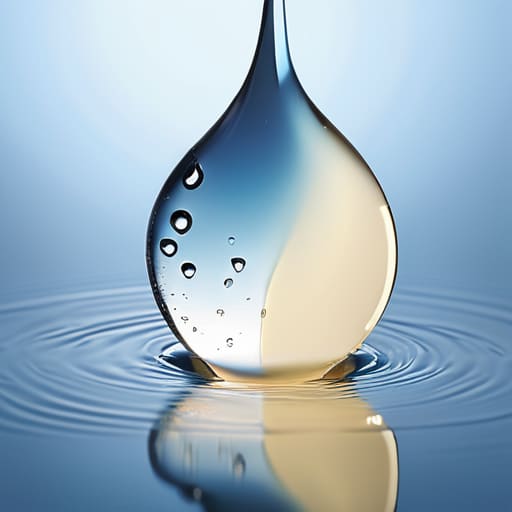
This is where things usually get confusing, and honestly, it’s where I used to waste so much money. We often use these terms interchangeably, but understanding the difference between hydrating vs moisturizing is a total game-changer for your skin. Think of hydration as water content—it’s about quenching that thirsty, tight feeling deep within your cells. If your skin feels parched or looks a bit dull, you’re likely lacking hydration.
Moisturizing, on the other hand, is more about oil and texture. It’s the act of sealing everything in and smoothing out those dry patches. When I was struggling with a damaged barrier, I realized I was trying to “moisturize” my way out of a problem that actually required deep hydration first. If you have a heavy, cream-based product but your skin still feels tight, you might be missing those water-binding ingredients. Finding that sweet spot—where you provide both water and a way to lock it in—is one of those skincare routine essentials that actually makes your skin look bouncy and healthy rather than just greasy.
5 Ways to Pick the Right Texture Without the Stress
- Listen to your skin, not the hype. If your face feels tight by midday, you probably need a richer cream with more occlusives. If you’re feeling greasy but still thirsty, a lightweight gel-cream might be your new best friend.
- Don’t be afraid to layer. Sometimes, instead of buying one expensive “do-it-all” cream, it’s easier (and cheaper) to use a simple hydrating serum followed by a basic moisturizer that suits your skin barrier.
- Match your moisturizer to your environment. I’ve learned the hard way that my skin needs a heavier, more protective balm in the dry winter months, whereas a breezy, water-based gel is all I can handle during a humid summer.
- Check the ingredient list for “barrier heroes.” Since I ruined my own skin barrier years ago, I always look for ceramides or squalane. These ingredients help seal everything in without making you feel like you’re wearing a mask.
- Keep it simple to stay consistent. If a moisturizer feels heavy or sits weirdly on your skin, you won’t want to use it. The best product is the one that feels so comfortable you actually look forward to applying it during your morning Lo-Fi session.
My Quick Cheat Sheet for Choosing Your Next Moisturizer
Don’t confuse thirst with dryness; if your skin feels tight but looks oily, you likely need more humectants (hydration) rather than heavy oils (moisture).
Layering isn’t about more products, it’s about the right order—always apply your water-based serums or hydrating gels before sealing everything in with an occlusive.
Listen to your skin barrier above all else; if your face feels stinging or irritated, ditch the complex actives and pivot to a simple, soothing moisturizer to let your skin breathe.
Less is Always More
“After years of trying to fix my skin with every heavy cream on the market, I finally realized that the goal isn’t to layer more products—it’s to find the specific type of moisture that actually speaks your skin’s language.”
Neha Rajagopal
Finding Your Skin's Rhythm
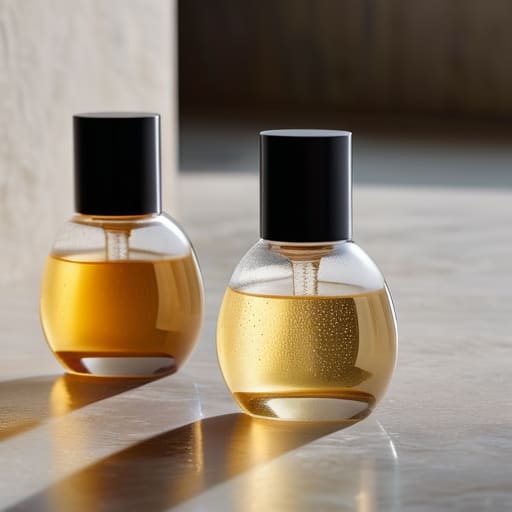
At the end of the day, choosing between humectants, occlusives, or that perfect hybrid isn’t about following a complex formula—it’s about listening to what your skin is telling you. We’ve covered how humectants pull moisture in, while occlusives lock it tight, and the crucial difference between adding hydration and actually sealing it in. If your skin feels tight, you likely need more water; if it feels flaky or dry, you need more oil. The goal isn’t to master every single ingredient on the label, but to understand the basic mechanics so you can stop guessing and start feeling confident in your choices. Once you find that sweet spot between hydration and moisture, the guesswork disappears.
I know how overwhelming the skincare aisle can feel, especially when it seems like every new product promises a miracle. But please remember that your skin doesn’t need a complicated science experiment to thrive; it just needs consistency and kindness. Treat your moisturizing routine as a small, quiet moment of self-care rather than just another task on your to-do list. Whether you’re applying a lightweight gel while your Lo-Fi playlist starts or a rich cream before bed, make it a ritual of peace. You deserve to feel comfortable in your own skin without the stress of an endless routine.
Frequently Asked Questions
If I have oily skin, will using an occlusive moisturizer actually cause more breakouts?
It’s a valid fear, especially if you’ve dealt with breakouts before. The short answer? It depends on the type of occlusive. Heavy, petroleum-based balms can definitely feel suffocating and trap oil, which leads to those frustrating congestion issues. But you don’t have to skip them entirely. Look for “non-comedogenic” options—think lighter, plant-based oils or silicone-based textures. It’s all about finding that sweet spot where your skin feels protected, not smothered.
Can I layer a hydrating serum under a thicker moisturizer, or is that just overkill?
Not at all—in fact, that’s actually my favorite way to layer. Think of it like watering your plants: the hydrating serum is the water that soaks into the soil, and the thicker moisturizer is the mulch that keeps that moisture from evaporating. It’s not overkill; it’s just smart layering. If your skin feels thirsty, a serum underneath your cream is the best way to lock in that calm, dewy feeling.
How do I know if my skin is actually lacking moisture or if it's just dehydrated?
It’s a question I used to struggle with constantly before I learned to actually listen to my skin. Think of it this way: if your skin feels tight, looks a bit dull, or gets those tiny, fine lines even when you’ve just applied oil, you’re likely dehydrated (lacking water). But if it feels rough, flaky, or lacks that natural bounce, you’re actually lacking moisture (lacking oil). Identifying which one it is changes everything.
