
I still remember the stinging sensation in my cheeks after a night of “maximalist” skincare—that frantic, misguided belief that if a product doesn’t burn, it isn’t working. I had completely trashed my skin barrier in pursuit of a glow that never actually came, leaving me with redness and a deep sense of frustration. We’ve been conditioned to think that exfoliation has to be aggressive to be effective, but honestly, that’s just exhausting. If you’re looking for a way to refresh your skin without the typical irritation caused by harsher AHAs, you need to know about polyhydroxy acid. It’s the gentle, hydrating alternative that actually respects your skin’s natural rhythm instead of fighting against it.
I’m not here to sell you a twenty-step ritual or a luxury serum that costs more than my monthly grocery bill. My goal is to cut through the marketing noise and show you how to integrate polyhydroxy acid into a minimalist routine that actually delivers results. I’ll be sharing the science-backed truth about how it works and how you can use it to find your glow without the stress. Consider this your no-nonsense guide to achieving healthy skin through intentional, gentle care.
Table of Contents
The Magic of Large Molecule Skin Penetration

The real reason I fell in love with this ingredient comes down to its structure. Unlike AHAs, which have much smaller molecules that can dive deep and sometimes cause that dreaded stinging sensation, PHAs have a much larger molecular weight. This large molecule skin penetration is actually a good thing in this case; because they sit more on the surface, they don’t rush into your skin and cause chaos. Instead, they work at a much more leisurely pace, gently lifting away dead cells without triggering the redness that usually makes me want to hide under my covers.
This slow-and-steady approach is exactly why I recommend it as a non-irritating chemical exfoliant for anyone who has struggled with a compromised barrier like I did. Because they don’t penetrate quite as aggressively, they are incredibly soothing. In fact, when I look at a PHA vs AHA comparison, the biggest win is how much more respectful these acids are to your moisture levels. They manage to polish your texture while actually supporting skin barrier hydration, making the whole process feel like a gentle hug for your face rather than a harsh scrub.
Why Gluconolactone Benefits Your Sensitive Soul

If you’re anything like me, you’ve probably had that moment of panic where your skin feels tight, red, or just plain angry after using a harsh scrub. I used to think that if it didn’t sting, it wasn’t working, but my ruined skin barrier taught me otherwise. This is where gluconolactone comes in. As a specific type of PHA, it acts as a non-irritating chemical exfoliant that respects your skin’s natural limits. Instead of aggressively stripping your surface, it works with your biology to gently sweep away dead cells.
What I love most about the gluconolactone benefits is that it isn’t just about resurfacing; it’s about soothing. Because of its unique structure, it actually helps with skin barrier hydration while it exfoliates. This makes it a total game-changer for anyone dealing with redness or looking for exfoliation for rosacea who usually has to avoid traditional acids. It feels less like a chemical treatment and more like a calming ritual, helping you achieve that healthy glow without the dreaded post-peel irritation.
My Low-Stress Guide to Incorporating PHAs into Your Routine
- Start slow and steady. Since I’ve been there with a damaged skin barrier, I can’t stress this enough: don’t jump into daily use right away. Start with two or three nights a week to see how your skin responds before making it a permanent fixture.
- Pair it with your favorites. PHAs play incredibly well with others. I love using them alongside my hyaluronic acid or a soothing ceramide cream to really lean into that “hydration-first” philosophy.
- Don’t skip the SPF. Even though PHAs are much gentler than traditional AHAs, exfoliation still leaves your fresh skin a bit more vulnerable to the sun. Make sure your morning sunscreen is non-negotiable.
- Listen to your skin’s “vibe.” If your face feels tight or looks a little red, it’s okay to take a break. Skincare should be a moment of peace, and forcing a product when your barrier is struggling is the opposite of that.
- Look for it in multi-tasking products. If you’re like me and love a minimalist approach, look for PHAs in your cleansers or hydrating toners. It’s an easy way to get those gentle exfoliating benefits without adding another heavy step to your morning chaos.
The Bottom Line: Is PHA Right for You?
If your skin barrier is feeling a bit fragile from too many harsh actives, PHA is your new best friend because it exfoliates without the usual sting.
You don’t need a complicated ritual; adding a gentle PHA to your existing routine is an easy way to get that glow without the redness or irritation.
Think of PHA as the “slow and steady” approach to skincare—it works with your skin’s natural rhythm rather than forcing it into submission.
Finding Balance in a World of Harsh Actives
“After years of accidentally stripping my skin bare with aggressive acids, I finally learned that more isn’t always better. Polyhydroxy acid feels like a deep, calming breath for your face—it gives you that healthy glow without the redness or the constant fear of a broken barrier.”
Neha Rajagopal
Finding Your Balance
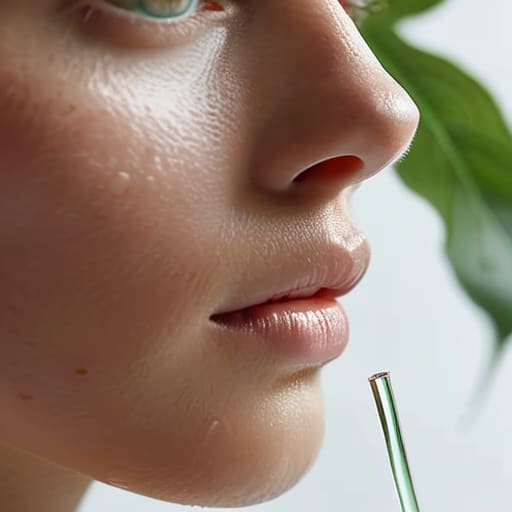
At the end of the day, switching to a PHA isn’t about adding more “stuff” to your bathroom cabinet; it’s about choosing smarter ingredients that respect your skin’s natural limits. We’ve talked about how those larger molecules stay on the surface to prevent irritation, and how gluconolactone works double duty to hydrate while it exfoliates. If you’ve spent years—like I did—chasing that aggressive “sting” thinking it meant a product was working, let this be your sign to stop. You can achieve a smooth, radiant complexion through gentle, consistent care rather than constant skin resurfacing.
Skincare should never feel like a battleground or a source of anxiety. I want you to look at your evening routine as that quiet moment of peace before the world gets loud again—maybe with some lo-fi playing in the background and your favorite tea nearby. You deserve a glow that comes from health, not irritation. Remember, your skin is a living organ, not a project to be fixed. Be patient with yourself, stick to the basics that actually work, and let your natural beauty breathe. You’ve got this.
Frequently Asked Questions
Can I use PHA at the same time as my retinol, or will that mess up my skin barrier again?
I’ve been there—the panic of wondering if you’re about to trigger another barrier meltdown. Honestly? I wouldn’t do it. Since both PHA and retinol are active ingredients, layering them at the same time can be a bit much, even for a “gentle” acid. To keep things peaceful, I recommend alternating them. Use your PHA in the morning for a soft glow and save the retinol for your evening routine. Your skin will thank you.
How long does it actually take to see a difference in my skin texture?
I know the feeling—you want that instant gratification, especially when you’re investing in new products. But with PHAs, patience is your best friend. Because they work more gently than harsher acids, you won’t see a dramatic overnight shift. Realistically, give it about four to six weeks. That’s usually when your skin cells have gone through a full turnover cycle, and you’ll finally notice that smoother, more even texture you’ve been waiting for.
Is it worth switching to PHA if I’m already using a gentle lactic acid?
Honestly, it really depends on how your skin is feeling lately. If your lactic acid is working well and your barrier feels strong, there’s no urgent need to swap. But, if you’re noticing even a tiny bit of stinging or redness, making the switch to PHA might be a lovely way to reset. Think of it as trading a slightly more active exfoliant for something even more soothing and hydrating.
