I still remember the stinging sensation of my face feeling like it was on fire after I’d spent months aggressively layering high-percentage acids, thinking more was always better. My skin barrier wasn’t just broken; it was practically nonexistent. In my desperate search for relief, I bypassed the flashy, $80 brightening serums and turned to something much humbler: colloidal oatmeal. It felt almost too simple to work, but while the skincare industry tries to convince us that we need complex, chemical-heavy concoctions to fix our problems, this soothing ingredient was the only thing that actually lowered the volume on my skin’s irritation.
I’m not here to sell you on a miracle cure or a complicated ten-step ritual that leaves you feeling overwhelmed. Instead, I want to give you the honest, no-nonsense truth about how to actually use colloidal oatmeal to soothe your skin without breaking the bank. We’re going to cut through the marketing noise and focus on intentional, gentle care that works with your biology, not against it. Consider this your guide to finding calm in the middle of a chaotic routine.
Table of Contents
Understanding How Colloidal Oatmeal Works for Your Skin
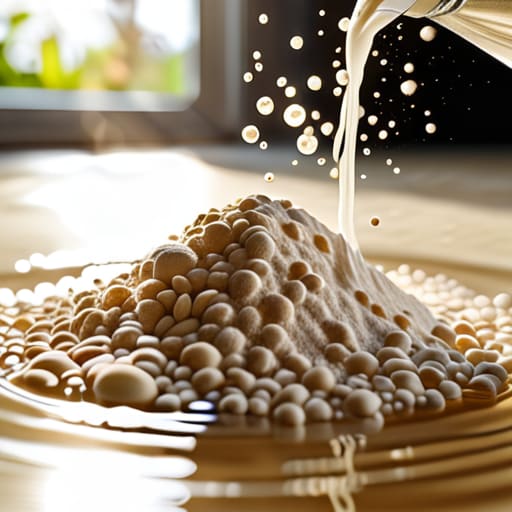
So, how does this actually work? When we talk about “colloidal” oatmeal, we aren’t just talking about the stuff you put in your morning porridge. It’s been ground into an incredibly fine, micronized powder that allows it to disperse easily in water. This creates a protective film over your skin rather than just sitting on top of it. Because of its unique structure, it acts as a physical shield, helping to lock in moisture and prevent that annoying “tight” feeling we all get after washing our faces.
What I love most is the science behind those anti-inflammatory properties of oats. When your skin is flared up or reacting to a new product, it’s essentially in a state of high alert. The avenanthramides found in oats work to soothe that redness and calm the irritation at a cellular level. It’s one of those rare, powerhouse skin barrier repair ingredients that doesn’t feel aggressive. Instead of forcing your skin to change, it simply provides the quiet, steady support it needs to heal itself and find its balance again.
The Anti Inflammatory Properties of Oats You Need to Know
When my skin barrier was at its absolute worst, everything felt like a personal attack—even plain water. That’s when I really started digging into the science of why certain ingredients act like a “reset button.” The magic lies in the anti-inflammatory properties of oats, specifically their ability to soothe redness and heat on contact. Instead of just sitting on the surface, these tiny, finely ground particles help calm the overactive immune responses that lead to that itchy, angry feeling we all dread.
It’s not just about temporary relief, though. For anyone navigating life with reactive or eczema-prone patches, using colloidal oatmeal for sensitive skin is one of the most effective ways to quiet the storm. It works by forming a protective film that helps lock in moisture while simultaneously signaling to your skin that it’s okay to stop reacting to everything. It’s less about a “fix” and more about providing the biological peace your skin needs to finally settle down and heal itself.
How to actually use it (without making a mess)
- Keep it simple and look for it in your cleanser or moisturizer. Since I’m all about that minimalist lifestyle, I prefer products where colloidal oatmeal is already formulated in so I don’t have to worry about mixing powders or making a kitchen mess.
- Don’t skip the lukewarm water rule. If you’re doing an oatmeal soak for a flare-up, make sure the water isn’t too hot. I learned the hard way that hot water is the enemy of a damaged skin barrier, even if it feels good in the moment.
- Apply to damp skin. To get that extra bit of hydration, I like to pat my face dry very gently after washing and then immediately apply my soothing cream. It helps lock that moisture in while the oats are doing their work.
- Patch test, even if it’s “gentle.” Even though my skin is much more sensitive now than it was in my early twenties, I still do a quick patch test on my jawline with any new product. It’s better to be safe than to deal with a reaction mid-workday.
- Use it as a seasonal reset. When the weather shifts and my skin starts feeling tight or itchy, I lean extra hard into oatmeal-based products. It’s my favorite way to transition my routine without adding five new steps.
The Bottom Line: Making Oats Work for You
Think of colloidal oatmeal as a reset button for your skin barrier; it’s not about adding more “stuff,” but about soothing what’s already there.
You don’t need a complicated ritual—look for oatmeal in simple cleansers or soothing masks to calm redness without the stress of a multi-step routine.
If your skin is feeling reactive or tight, skip the harsh actives for a few days and let the natural, anti-inflammatory properties of oats do the heavy lifting.
Finding Peace in Simplicity
“After years of trying to ‘fix’ my skin with aggressive acids and complicated routines, I finally realized that sometimes the most powerful thing you can do is actually just step back and let something gentle do the heavy lifting.”
Neha Rajagopal
Finding Your Calm
At the end of the day, colloidal oatmeal isn’t just another ingredient to add to your shopping list; it’s a reliable tool for when your skin barrier feels like it’s under siege. We’ve talked about how its anti-inflammatory properties work to soothe redness and how its ability to lock in moisture can turn a dry, itchy mess into something manageable. Instead of reaching for those aggressive, high-percentage actives that I used to obsess over in my early twenties, I’ve learned that sometimes the best thing you can do for your skin is to step back and simplify. Whether you’re dealing with a seasonal flare-up or just general sensitivity, letting oats do the heavy lifting is a smart, minimalist way to restore balance without the extra stress.
I want you to remember that skincare doesn’t have to be a complicated math equation or a marathon of expensive bottles. It can be—and should be—a moment of peace in your busy morning or a quiet ritual before bed. If your skin is screaming for help, don’t feel like you need to fix it with a twenty-step routine. Just listen to what your body is telling you and choose gentleness over intensity. You deserve to feel comfortable and grounded in your own skin, and sometimes, the simplest solutions are the ones that truly change everything.
Frequently Asked Questions
Can I use colloidal oatmeal if I have oily or acne-prone skin, or will it just clog my pores?
I get this question all the time, and honestly, it’s a valid fear. When you’re dealing with breakouts, the last thing you want is something heavy sitting on your skin. But here’s the thing: colloidal oatmeal is actually a win for oily skin. It’s incredibly lightweight and helps regulate sebum without being greasy. Instead of clogging pores, it helps soothe the inflammation that often makes acne feel so angry and painful. It’s pure relief.
Is there a difference between the regular oats in my pantry and the colloidal stuff you find in skincare?
It’s a great question, and honestly, I used to wonder the same thing while staring at my breakfast bowl. While they come from the same plant, the difference is all about texture and purpose. Regular oats are meant for eating, but colloidal oatmeal has been ground into an incredibly fine, micronized powder. This allows it to dissolve in water, creating a soothing, milky film that actually stays on your skin to deliver those calming benefits.
How often should I actually be using oatmeal-based products without overdoing it?
Since I spent years overdoing it with harsh actives, I’ve learned that more isn’t always better. If you’re using a gentle colloidal oatmeal cleanser or a soothing cream, you can easily incorporate it into your daily routine—morning and night. However, if you’re using a more intensive oatmeal mask, stick to two or three times a week. Think of it as a reset; listen to your skin, not a strict schedule.
