Category: Ingredients

  • How Coenzyme Q10 Protects Skin Cells

    How Coenzyme Q10 Protects Skin Cells

    I still remember sitting on my bathroom floor in my early twenties, staring at a mountain of expensive, neon-colored serums and wondering why my skin felt like it was constantly on fire. I had fallen for the trap of thinking that more was better, chasing every high-strength acid and trendy miracle worker until my skin barrier was completely shot. I was exhausted, and honestly, so was my complexion. When I finally started looking into the actual science of recovery, I discovered coenzyme q, but I was immediately met with a wall of marketing fluff and “miracle” claims that felt just as overwhelming as my old routine.

    I’m not here to sell you a twenty-step ritual or convince you that one single ingredient will magically turn back the clock overnight. Instead, I want to cut through the noise and talk about how coenzyme q can actually serve as a quiet, restorative tool for your skin’s natural energy. I’ll be sharing the straightforward truth about what this antioxidant does, how to spot a formula that actually works, and how to fit it into a lifestyle that doesn’t involve spending hours in front of a mirror.

    Table of Contents

    Boosting Cellular Energy Production Without the Complexity

    Boosting Cellular Energy Production Without the Complexity

    Think of your skin cells like little engines. Just like how I need my morning Lo-Fi jazz to find my rhythm, your cells need a steady flow of fuel to keep things running smoothly. This is where CoQ10 steps in; it plays a vital role in cellular energy production, essentially acting as the spark plug that keeps everything moving. When our cells have the energy they need, they can focus on repair and maintenance rather than just struggling to survive the day.

    I used to think “anti-aging” meant aggressive peeling, but I’ve learned it’s actually about mitochondrial function support. When we support these tiny powerhouses, we aren’t just chasing a glow; we are helping our skin perform its natural jobs more efficiently. It’s less about forcing a change and more about giving your skin the biological tools it needs to thrive. By focusing on this internal energy, you’re supporting skin rejuvenation benefits from the ground up, making your entire routine feel much more intentional and much less like a battle against time.

    Gentle Oxidative Stress Reduction for a Calmer Complexion

    Gentle Oxidative Stress Reduction for a Calmer Complexion

    If you’re anything like me, you’ve probably spent a few too many nights feeling like your skin is just… tired. Maybe it’s the lack of sleep or just the general chaos of a busy week, but that dullness often comes down to a buildup of free radicals. This is where oxidative stress reduction becomes so vital. Think of it like clearing the mental fog after a long day; you’re essentially giving your skin a chance to reset and find its balance again.

    Instead of reaching for aggressive acids that might further irritate a sensitive barrier, I look for ingredients that offer gentle, restorative protection. By helping to neutralize those environmental aggressors, this antioxidant works behind the scenes to soothe the skin. It’s not about a dramatic, overnight transformation, but rather about providing consistent skin rejuvenation benefits that leave your complexion looking calm and even-toned. For me, it’s that small, quiet way of telling my skin it’s okay to stop fighting and just be.

    How to actually use CoQ10 without overcomplicating things

    • Look for it in a serum or moisturizer rather than a heavy cream; since I’m all about that minimalist vibe, a lightweight formula helps it sink in without feeling greasy.
    • Pair it with your Vitamin C in the morning. It’s like a little tag-team for your skin, helping to ward off environmental stress while you’re out and about.
    • Don’t stress about the concentration levels. You don’t need a massive percentage to see a difference; consistency and a gentle application matter way more than a harsh, high-potency dose.
    • Keep an eye out for “Ubiquinone” on the ingredient list. That’s just the scientific name for CoQ10, and seeing it there is a good sign that the product is actually doing the work.
    • Use it as a restorative step in your evening routine. After a long day of staring at screens, applying a CoQ10-infused product can feel like a tiny, quiet reset for your skin cells.

    The Bottom Line: Keeping It Simple with CoQ10

    Think of CoQ10 as a gentle battery recharge for your skin cells, helping them work more efficiently without the need for harsh, irritating actives.

    It’s a powerhouse for calming oxidative stress, making it a perfect, low-maintenance addition to your routine if you’re looking to protect your skin barrier.

    You don’t need a complicated, multi-step ritual to see results; just look for this ingredient in a simple way to give your skin the quiet, restorative energy it deserves.

    Finding Peace in the Science

    “After years of stripping my skin bare with harsh acids, I finally realized that true radiance doesn’t come from intensity—it comes from giving your cells the quiet, steady support they need to actually function. Coenzyme Q10 is that gentle breath of fresh air for your skin.”

    Neha Rajagopal

    Finding Your Skin’s Natural Rhythm

    Finding Your Skin’s Natural Rhythm.

    At the end of the day, Coenzyme Q10 isn’t some magic potion that will rewrite your DNA overnight, and it certainly shouldn’t be a source of stress. We’ve looked at how it helps recharge your skin’s cellular energy and how it acts as a gentle shield against the environmental stressors that try to wear us down. Instead of chasing every flashy, high-percentage acid on the market, remember that consistent, gentle support is almost always more effective. By focusing on an ingredient that works with your skin’s natural biology rather than fighting against it, you’re choosing a path of sustained, healthy radiance over temporary, irritated results.

    I know how easy it is to get lost in the endless cycle of new product launches and complex ingredient lists, but I promise you, your skin doesn’t need more noise. It needs a moment of peace. Treat your skincare routine like my morning Lo-Fi playlist—a steady, calming ritual that helps you feel grounded before the world starts rushing in. You deserve to feel comfortable and confident in your own skin without the burnout. So, take a deep breath, keep things simple, and let your skin just breathe and thrive on its own terms.

    Frequently Asked Questions

    Can I use Coenzyme Q10 alongside my other skincare actives, or will it cause irritation?

    Honestly, this is one of the things I love most about CoQ10. Since it’s so gentle, you don’t have to worry about it clashing with your other favorites. I usually layer it right under my retinol or Vitamin C to help soothe things down. It’s not like those harsh acids that make your skin feel tight; it’s more of a supportive teammate that helps your barrier stay resilient while your stronger actives do their thing.

    Do I really need to look for it in a serum, or are supplements just as effective for my skin?

    Honestly, it’s not an “either/or” situation, but they do different jobs. Think of a serum as a targeted, soothing hug for your skin barrier—it hits the surface directly to fight environmental stress right where it happens. Supplements work more from the inside out, supporting your overall health. If you’re feeling overwhelmed, I’d start with a simple serum first. It’s much more direct, and for my busy mornings, it’s just one less thing to swallow.

    Is there a specific time of day when applying Coenzyme Q10 works best for my routine?

    Honestly, there’s no “wrong” time, but I personally love using it in my morning routine. Since CoQ10 is such a powerhouse at fighting off oxidative stress, applying it before you head out helps your skin defend itself against environmental stressors all day long. That said, if you’re looking for a little restorative moment before bed, it works beautifully then, too. Just pick a time that feels easy and consistent for you.


  • The Benefits of Sea Buckthorn Oil

    The Benefits of Sea Buckthorn Oil

    I remember sitting on my bathroom floor a few years ago, staring at a face that felt tight, angry, and completely raw because I’d gone way too hard on the chemical peels. I was chasing that “perfect” complexion by using every aggressive active on the market, only to end up with a ruined skin barrier and a mountain of expensive, half-empty bottles. It wasn’t until I stripped everything back and discovered the calming, golden magic of sea buckthorn oil that my skin actually started to feel human again. It wasn’t a miracle overnight, but it was the first time a product felt like it was actually working with my skin rather than fighting against it.

    I’m not here to sell you on a twenty-step ritual or promise that this single ingredient will solve every life problem you have. What I am going to do is give you the unfiltered truth about how to actually use sea buckthorn oil to soothe irritation and get that natural glow without the hype. We’re going to focus on simple, science-backed ways to integrate it into your life so your skincare feels like a moment of peace rather than another chore on your to-do list.

    Table of Contents

    The Magic in the Omega Fatty Acid Profile

    The Magic in the Omega Fatty Acid Profile

    When I first started diving into the science of plant oils, I was overwhelmed by all the jargon. But once I looked into the omega fatty acid profile of this little berry, everything clicked. Unlike some oils that just sit on top of your skin, sea buckthorn is packed with a rare balance of Omega-3, 6, 7, and 9. That specific combination is what makes it so effective for natural skin rejuvenation. It’s not just about adding moisture; it’s about actually feeding your skin the building blocks it needs to repair itself.

    I remember when my barrier was completely compromised—everything felt tight, stinging, and just plain exhausted. That’s when I realized that the healing properties of sea buckthorn weren’t just marketing hype. Because it contains Omega-7, which is incredibly rare in the plant kingdom, it works on a deeper level to soothe irritation and support cellular health. Instead of layering on five different serums to fix a dull complexion, I found that leaning into these nutrient-dense oils helped me achieve that lit-from-within glow without the usual inflammation.

    Natural Skin Rejuvenation Without the Stressful Routine

    Natural Skin Rejuvenation Without the Stressful Routine

    I used to think that “rejuvenation” meant a cabinet full of expensive, aggressive serums that left my face feeling tight and sensitized. I spent years chasing that high-intensity glow, only to end up with a compromised barrier and a lot of wasted money. But honestly? The most effective way to achieve natural skin rejuvenation doesn’t involve a dozen different steps or a complicated schedule. It’s about finding a single, potent ingredient that does the heavy lifting while you focus on the rest of your life.

    For me, incorporating a few drops of sea buckthorn oil for face massage at the end of my evening routine has been a total game-changer. It’s become my little ritual of calm—just me, my Lo-Fi jazz, and a moment to let my skin breathe. Instead of layering on harsh chemicals, I’m leaning into the healing properties of sea buckthorn to soothe redness and restore that bounce I thought I’d lost for good. It’s not about perfection; it’s about giving your skin the nutrients it actually needs to repair itself, naturally and effortlessly.

    How I Actually Use Sea Buckthorn Oil in My Daily Ritual

    • Don’t go overboard with the amount; because it’s so potent, just two or three drops mixed into your moisturizer is plenty to get that glow without feeling greasy.
    • Use it as a soothing “rescue balm” on those days when your skin barrier feels a little compromised or extra sensitive from too many harsh actives.
    • Apply it while your skin is still slightly damp from washing—it helps the oil sink in much deeper and locks in that much-needed hydration.
    • If you’re feeling a bit dull, try adding a drop to your nighttime routine to let those fatty acids work their magic while you sleep.
    • Keep your bottle in a cool, dark spot away from the window; since it’s all-natural, I want to make sure those precious nutrients stay fresh and effective.

    The Bottom Line for Your Skin

    You don’t need a cabinet full of expensive serums; a single, high-quality sea buckthorn oil can do the heavy lifting for hydration and repair.

    Think of this oil as a way to feed your skin’s barrier, especially if you’ve spent years overdoing it with harsh actives like I did.

    Keep it simple—incorporating this into your existing ritual is about adding a moment of calm, not adding more stress to your morning.

    Less Noise, More Glow

    After years of trying to ‘fix’ my skin with aggressive acids, I finally realized that healing isn’t about doing more—it’s about giving your barrier exactly what it needs to breathe. For me, sea buckthorn oil is that moment of quiet strength in a bottle.

    Neha Rajagopal

    Finding Your Glow, Simply

    Finding Your Glow, Simply with sea buckthorn.

    At the end of the day, sea buckthorn oil isn’t just another trendy bottle sitting on your vanity; it’s a powerhouse of omegas and nutrients that actually does the heavy lifting for you. We’ve looked at how its unique fatty acid profile repairs the barrier and how it can fit into a life that is already far too busy for a ten-step ritual. Instead of chasing every new, aggressive active that promises miracles, you can lean on this single, golden oil to provide deep, restorative nourishment and a much-needed dose of hydration. It’s about choosing quality over complexity every single time.

    I really want you to remember that your skincare journey shouldn’t feel like a second job. We’ve all been there—staring in the mirror, feeling overwhelmed by all the noise and the endless product cycles. But true skin health comes from listening to what your body actually needs, not what a marketing campaign tells you to buy. Let this be your permission to simplify your ritual and reclaim those few minutes in the morning for yourself. You deserve a routine that feels like a calm, grounding moment of peace rather than a stressful chore. Just a few drops, a little bit of intention, and you’re ready to take on the world.

    Frequently Asked Questions

    Is sea buckthorn oil too heavy for someone with oily or acne-prone skin?

    I get this question all the time, and honestly, I used to be terrified of oils because of my own past skin struggles. If you’re oily or acne-prone, it sounds counterintuitive, right? But sea buckthorn is actually pretty unique. It’s lightweight and non-comedogenic, meaning it won’t clog your pores. I’ve found that using just a tiny drop helps balance your natural oil production rather than adding to the grease. It’s about working with your skin, not against it.

    Can I mix a few drops directly into my favorite moisturizer, or should I apply it on its own?

    Honestly, you can do both, and I personally love mixing a few drops directly into my moisturizer. It’s such an easy way to level up your nighttime routine without adding extra steps. If your skin is feeling particularly dry or sensitive, though, applying it on its own as a facial oil can feel a bit more intentional and soothing. It’s all about what makes your ritual feel most peaceful.

    How long does it actually take to see a difference in my skin's texture and glow?

    I know the feeling—you want that instant glow right now. But since we’re focusing on actual skin health rather than just a quick fix, patience is key. Most people notice a bit more hydration within a week, but for real changes in texture and that deep, healthy radiance? Give it about four to six weeks. That’s roughly the time it takes for your skin cells to actually turn over. Stick with it; your barrier will thank you.

  • How Colloidal Oatmeal Calms Irritated Skin

    How Colloidal Oatmeal Calms Irritated Skin

    I still remember the stinging sensation of my face feeling like it was on fire after I’d spent months aggressively layering high-percentage acids, thinking more was always better. My skin barrier wasn’t just broken; it was practically nonexistent. In my desperate search for relief, I bypassed the flashy, $80 brightening serums and turned to something much humbler: colloidal oatmeal. It felt almost too simple to work, but while the skincare industry tries to convince us that we need complex, chemical-heavy concoctions to fix our problems, this soothing ingredient was the only thing that actually lowered the volume on my skin’s irritation.

    I’m not here to sell you on a miracle cure or a complicated ten-step ritual that leaves you feeling overwhelmed. Instead, I want to give you the honest, no-nonsense truth about how to actually use colloidal oatmeal to soothe your skin without breaking the bank. We’re going to cut through the marketing noise and focus on intentional, gentle care that works with your biology, not against it. Consider this your guide to finding calm in the middle of a chaotic routine.

    Table of Contents

    Understanding How Colloidal Oatmeal Works for Your Skin

    Understanding How Colloidal Oatmeal Works for Your Skin

    So, how does this actually work? When we talk about “colloidal” oatmeal, we aren’t just talking about the stuff you put in your morning porridge. It’s been ground into an incredibly fine, micronized powder that allows it to disperse easily in water. This creates a protective film over your skin rather than just sitting on top of it. Because of its unique structure, it acts as a physical shield, helping to lock in moisture and prevent that annoying “tight” feeling we all get after washing our faces.

    What I love most is the science behind those anti-inflammatory properties of oats. When your skin is flared up or reacting to a new product, it’s essentially in a state of high alert. The avenanthramides found in oats work to soothe that redness and calm the irritation at a cellular level. It’s one of those rare, powerhouse skin barrier repair ingredients that doesn’t feel aggressive. Instead of forcing your skin to change, it simply provides the quiet, steady support it needs to heal itself and find its balance again.

    The Anti Inflammatory Properties of Oats You Need to Know

    The Anti Inflammatory Properties of Oats You Need to Know

    When my skin barrier was at its absolute worst, everything felt like a personal attack—even plain water. That’s when I really started digging into the science of why certain ingredients act like a “reset button.” The magic lies in the anti-inflammatory properties of oats, specifically their ability to soothe redness and heat on contact. Instead of just sitting on the surface, these tiny, finely ground particles help calm the overactive immune responses that lead to that itchy, angry feeling we all dread.

    It’s not just about temporary relief, though. For anyone navigating life with reactive or eczema-prone patches, using colloidal oatmeal for sensitive skin is one of the most effective ways to quiet the storm. It works by forming a protective film that helps lock in moisture while simultaneously signaling to your skin that it’s okay to stop reacting to everything. It’s less about a “fix” and more about providing the biological peace your skin needs to finally settle down and heal itself.

    How to actually use it (without making a mess)

    • Keep it simple and look for it in your cleanser or moisturizer. Since I’m all about that minimalist lifestyle, I prefer products where colloidal oatmeal is already formulated in so I don’t have to worry about mixing powders or making a kitchen mess.
    • Don’t skip the lukewarm water rule. If you’re doing an oatmeal soak for a flare-up, make sure the water isn’t too hot. I learned the hard way that hot water is the enemy of a damaged skin barrier, even if it feels good in the moment.
    • Apply to damp skin. To get that extra bit of hydration, I like to pat my face dry very gently after washing and then immediately apply my soothing cream. It helps lock that moisture in while the oats are doing their work.
    • Patch test, even if it’s “gentle.” Even though my skin is much more sensitive now than it was in my early twenties, I still do a quick patch test on my jawline with any new product. It’s better to be safe than to deal with a reaction mid-workday.
    • Use it as a seasonal reset. When the weather shifts and my skin starts feeling tight or itchy, I lean extra hard into oatmeal-based products. It’s my favorite way to transition my routine without adding five new steps.

    The Bottom Line: Making Oats Work for You

    Think of colloidal oatmeal as a reset button for your skin barrier; it’s not about adding more “stuff,” but about soothing what’s already there.

    You don’t need a complicated ritual—look for oatmeal in simple cleansers or soothing masks to calm redness without the stress of a multi-step routine.

    If your skin is feeling reactive or tight, skip the harsh actives for a few days and let the natural, anti-inflammatory properties of oats do the heavy lifting.

    Finding Peace in Simplicity

    “After years of trying to ‘fix’ my skin with aggressive acids and complicated routines, I finally realized that sometimes the most powerful thing you can do is actually just step back and let something gentle do the heavy lifting.”

    Neha Rajagopal

    Finding Your Calm

    Finding Your Calm with soothing colloidal oatmeal.

    At the end of the day, colloidal oatmeal isn’t just another ingredient to add to your shopping list; it’s a reliable tool for when your skin barrier feels like it’s under siege. We’ve talked about how its anti-inflammatory properties work to soothe redness and how its ability to lock in moisture can turn a dry, itchy mess into something manageable. Instead of reaching for those aggressive, high-percentage actives that I used to obsess over in my early twenties, I’ve learned that sometimes the best thing you can do for your skin is to step back and simplify. Whether you’re dealing with a seasonal flare-up or just general sensitivity, letting oats do the heavy lifting is a smart, minimalist way to restore balance without the extra stress.

    I want you to remember that skincare doesn’t have to be a complicated math equation or a marathon of expensive bottles. It can be—and should be—a moment of peace in your busy morning or a quiet ritual before bed. If your skin is screaming for help, don’t feel like you need to fix it with a twenty-step routine. Just listen to what your body is telling you and choose gentleness over intensity. You deserve to feel comfortable and grounded in your own skin, and sometimes, the simplest solutions are the ones that truly change everything.

    Frequently Asked Questions

    Can I use colloidal oatmeal if I have oily or acne-prone skin, or will it just clog my pores?

    I get this question all the time, and honestly, it’s a valid fear. When you’re dealing with breakouts, the last thing you want is something heavy sitting on your skin. But here’s the thing: colloidal oatmeal is actually a win for oily skin. It’s incredibly lightweight and helps regulate sebum without being greasy. Instead of clogging pores, it helps soothe the inflammation that often makes acne feel so angry and painful. It’s pure relief.

    Is there a difference between the regular oats in my pantry and the colloidal stuff you find in skincare?

    It’s a great question, and honestly, I used to wonder the same thing while staring at my breakfast bowl. While they come from the same plant, the difference is all about texture and purpose. Regular oats are meant for eating, but colloidal oatmeal has been ground into an incredibly fine, micronized powder. This allows it to dissolve in water, creating a soothing, milky film that actually stays on your skin to deliver those calming benefits.

    How often should I actually be using oatmeal-based products without overdoing it?

    Since I spent years overdoing it with harsh actives, I’ve learned that more isn’t always better. If you’re using a gentle colloidal oatmeal cleanser or a soothing cream, you can easily incorporate it into your daily routine—morning and night. However, if you’re using a more intensive oatmeal mask, stick to two or three times a week. Think of it as a reset; listen to your skin, not a strict schedule.

  • Using Polyhydroxy Acids for Sensitive Skin

    Using Polyhydroxy Acids for Sensitive Skin

    I still remember the stinging sensation in my cheeks after a night of “maximalist” skincare—that frantic, misguided belief that if a product doesn’t burn, it isn’t working. I had completely trashed my skin barrier in pursuit of a glow that never actually came, leaving me with redness and a deep sense of frustration. We’ve been conditioned to think that exfoliation has to be aggressive to be effective, but honestly, that’s just exhausting. If you’re looking for a way to refresh your skin without the typical irritation caused by harsher AHAs, you need to know about polyhydroxy acid. It’s the gentle, hydrating alternative that actually respects your skin’s natural rhythm instead of fighting against it.

    I’m not here to sell you a twenty-step ritual or a luxury serum that costs more than my monthly grocery bill. My goal is to cut through the marketing noise and show you how to integrate polyhydroxy acid into a minimalist routine that actually delivers results. I’ll be sharing the science-backed truth about how it works and how you can use it to find your glow without the stress. Consider this your no-nonsense guide to achieving healthy skin through intentional, gentle care.

    Table of Contents

    The Magic of Large Molecule Skin Penetration

    The Magic of Large Molecule Skin Penetration

    The real reason I fell in love with this ingredient comes down to its structure. Unlike AHAs, which have much smaller molecules that can dive deep and sometimes cause that dreaded stinging sensation, PHAs have a much larger molecular weight. This large molecule skin penetration is actually a good thing in this case; because they sit more on the surface, they don’t rush into your skin and cause chaos. Instead, they work at a much more leisurely pace, gently lifting away dead cells without triggering the redness that usually makes me want to hide under my covers.

    This slow-and-steady approach is exactly why I recommend it as a non-irritating chemical exfoliant for anyone who has struggled with a compromised barrier like I did. Because they don’t penetrate quite as aggressively, they are incredibly soothing. In fact, when I look at a PHA vs AHA comparison, the biggest win is how much more respectful these acids are to your moisture levels. They manage to polish your texture while actually supporting skin barrier hydration, making the whole process feel like a gentle hug for your face rather than a harsh scrub.

    Why Gluconolactone Benefits Your Sensitive Soul

    Why Gluconolactone Benefits Your Sensitive Soul.

    If you’re anything like me, you’ve probably had that moment of panic where your skin feels tight, red, or just plain angry after using a harsh scrub. I used to think that if it didn’t sting, it wasn’t working, but my ruined skin barrier taught me otherwise. This is where gluconolactone comes in. As a specific type of PHA, it acts as a non-irritating chemical exfoliant that respects your skin’s natural limits. Instead of aggressively stripping your surface, it works with your biology to gently sweep away dead cells.

    What I love most about the gluconolactone benefits is that it isn’t just about resurfacing; it’s about soothing. Because of its unique structure, it actually helps with skin barrier hydration while it exfoliates. This makes it a total game-changer for anyone dealing with redness or looking for exfoliation for rosacea who usually has to avoid traditional acids. It feels less like a chemical treatment and more like a calming ritual, helping you achieve that healthy glow without the dreaded post-peel irritation.

    My Low-Stress Guide to Incorporating PHAs into Your Routine

    • Start slow and steady. Since I’ve been there with a damaged skin barrier, I can’t stress this enough: don’t jump into daily use right away. Start with two or three nights a week to see how your skin responds before making it a permanent fixture.
    • Pair it with your favorites. PHAs play incredibly well with others. I love using them alongside my hyaluronic acid or a soothing ceramide cream to really lean into that “hydration-first” philosophy.
    • Don’t skip the SPF. Even though PHAs are much gentler than traditional AHAs, exfoliation still leaves your fresh skin a bit more vulnerable to the sun. Make sure your morning sunscreen is non-negotiable.
    • Listen to your skin’s “vibe.” If your face feels tight or looks a little red, it’s okay to take a break. Skincare should be a moment of peace, and forcing a product when your barrier is struggling is the opposite of that.
    • Look for it in multi-tasking products. If you’re like me and love a minimalist approach, look for PHAs in your cleansers or hydrating toners. It’s an easy way to get those gentle exfoliating benefits without adding another heavy step to your morning chaos.

    The Bottom Line: Is PHA Right for You?

    If your skin barrier is feeling a bit fragile from too many harsh actives, PHA is your new best friend because it exfoliates without the usual sting.

    You don’t need a complicated ritual; adding a gentle PHA to your existing routine is an easy way to get that glow without the redness or irritation.

    Think of PHA as the “slow and steady” approach to skincare—it works with your skin’s natural rhythm rather than forcing it into submission.

    Finding Balance in a World of Harsh Actives

    “After years of accidentally stripping my skin bare with aggressive acids, I finally learned that more isn’t always better. Polyhydroxy acid feels like a deep, calming breath for your face—it gives you that healthy glow without the redness or the constant fear of a broken barrier.”

    Neha Rajagopal

    Finding Your Balance

    Finding Your Balance with gentle skincare.

    At the end of the day, switching to a PHA isn’t about adding more “stuff” to your bathroom cabinet; it’s about choosing smarter ingredients that respect your skin’s natural limits. We’ve talked about how those larger molecules stay on the surface to prevent irritation, and how gluconolactone works double duty to hydrate while it exfoliates. If you’ve spent years—like I did—chasing that aggressive “sting” thinking it meant a product was working, let this be your sign to stop. You can achieve a smooth, radiant complexion through gentle, consistent care rather than constant skin resurfacing.

    Skincare should never feel like a battleground or a source of anxiety. I want you to look at your evening routine as that quiet moment of peace before the world gets loud again—maybe with some lo-fi playing in the background and your favorite tea nearby. You deserve a glow that comes from health, not irritation. Remember, your skin is a living organ, not a project to be fixed. Be patient with yourself, stick to the basics that actually work, and let your natural beauty breathe. You’ve got this.

    Frequently Asked Questions

    Can I use PHA at the same time as my retinol, or will that mess up my skin barrier again?

    I’ve been there—the panic of wondering if you’re about to trigger another barrier meltdown. Honestly? I wouldn’t do it. Since both PHA and retinol are active ingredients, layering them at the same time can be a bit much, even for a “gentle” acid. To keep things peaceful, I recommend alternating them. Use your PHA in the morning for a soft glow and save the retinol for your evening routine. Your skin will thank you.

    How long does it actually take to see a difference in my skin texture?

    I know the feeling—you want that instant gratification, especially when you’re investing in new products. But with PHAs, patience is your best friend. Because they work more gently than harsher acids, you won’t see a dramatic overnight shift. Realistically, give it about four to six weeks. That’s usually when your skin cells have gone through a full turnover cycle, and you’ll finally notice that smoother, more even texture you’ve been waiting for.

    Is it worth switching to PHA if I’m already using a gentle lactic acid?

    Honestly, it really depends on how your skin is feeling lately. If your lactic acid is working well and your barrier feels strong, there’s no urgent need to swap. But, if you’re noticing even a tiny bit of stinging or redness, making the switch to PHA might be a lovely way to reset. Think of it as trading a slightly more active exfoliant for something even more soothing and hydrating.

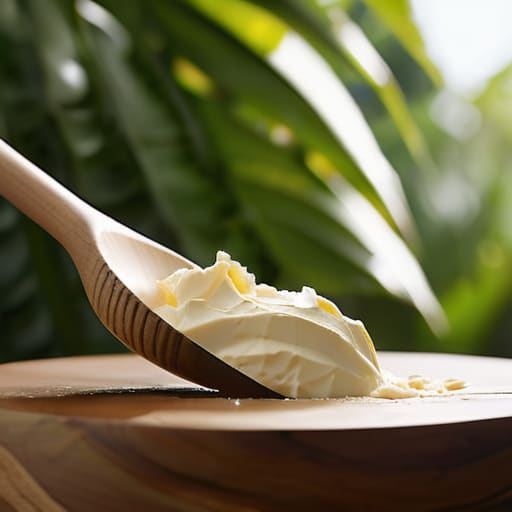
  • Using Shea Butter for Intense Skin Moisture

    Using Shea Butter for Intense Skin Moisture

    I still remember the stinging sensation of my face feeling tight and raw after I spent an entire summer in my early twenties aggressively layering chemical exfoliants, thinking more was always better. My skin barrier wasn’t just broken; it was practically non-existent. I spent a fortune on high-tech serums that promised miracles but only delivered more irritation. It wasn’t until I stripped everything back and rediscovered the simplicity of a high-quality shea butter moisturizer that my skin finally found its way back to a state of calm. I realized then that we’ve been sold this lie that skincare has to be complex and expensive to be effective, when often, our skin just needs basic, honest nourishment.

    I’m not here to sell you on a twelve-step ritual or a luxury brand with a fancy glass jar. Instead, I want to share what I’ve learned about finding a shea butter moisturizer that actually respects your skin’s natural rhythm without breaking the bank. I’ll be cutting through the marketing fluff to help you understand exactly how to use it, what to look for in an ingredient list, and how to make it a peaceful part of your morning rather than another stressful chore on your to-do list.

    Table of Contents

    The Magic of Raw Shea Butter Benefits for Quiet Skin

    The Magic of Raw Shea Butter Benefits for Quiet Skin

    When I look back at that period where I was overdoing it with acids, my skin felt perpetually tight and reactive. I needed something that didn’t just sit on the surface but actually helped with natural skin barrier repair. That’s where raw shea butter became my saving grace. Unlike those overly processed lotions that feel like they’re just coating you in silicone, raw shea butter feels alive. It’s dense and grounding, providing a level of nourishment that feels more like a hug for your skin than a chemical application.

    The real magic lies in the nutrients tucked inside that creamy texture. Because it’s packed with vitamin A and E in shea butter, it works to soothe redness while providing a protective layer against the elements. I’ve found that using it as a deeply moisturizing body butter after a warm shower helps lock in hydration without that overwhelming, greasy feeling. It’s about giving your skin the essential fatty acids it craves to stay resilient, helping you move through your day feeling calm and comfortable in your own skin.

    Nurturing Natural Skin Barrier Repair Without the Stress

    Nurturing Natural Skin Barrier Repair Without the Stress

    If you’re anything like me, you’ve probably had those “skin horror stories” from your early twenties—the ones where you tried every aggressive acid on the market only to end up with redness and irritation. When your barrier is compromised, the last thing you need is a complicated chemical cocktail. This is where natural skin barrier repair becomes the priority. Instead of adding more “noise” to your routine, I’ve found that leaning into something simple like shea butter helps soothe that frantic, tight feeling. It acts like a protective hug for your face and body, helping to seal in moisture without the stress of a ten-step process.

    What I love most is that it’s not just about surface-level hydration; it’s about nourishment. Because of the rich vitamin A and E in shea butter, you’re actually feeding your skin the nutrients it needs to heal itself from the inside out. It’s a slow, steady kind of magic. For anyone dealing with patches of dryness or even looking for shea butter for eczema relief, this kind of gentle approach is a total game-changer. It turns a moment of skin frustration into a quiet, healing ritual.

    My Little Rituals: How to Actually Use Shea Butter Without the Fuss

    • Apply it to damp skin. I’ve learned the hard way that if your skin is bone-dry, even the best moisturizer can feel a bit heavy. After your shower or a quick splash of water, pat your face gently and then massage the shea butter in. It locks that moisture right where it belongs.
    • Less is definitely more. Since I moved away from the “more is better” mindset that wrecked my barrier, I’ve realized a pea-sized amount is plenty for the face. You don’t need to layer it on thick; just enough to create that soft, protective seal.
    • Use it as a night-time reset. If you’ve had a particularly long day (or a particularly stressful one), try using a slightly more generous amount before bed. It feels like a little cocoon for your skin while you sleep, and you’ll wake up looking much more rested.
    • Mix it with your favorite serum. If you have a lightweight hydrating serum you already love, you can actually mix a tiny bit of shea butter into it in your palm. It’s an easy way to add a layer of nourishment without adding a whole new step to your routine.
    • Don’t forget your “stress points.” I always make sure to take whatever is left on my hands and run it over my cuticles and the backs of my hands. It’s a small, grounding moment that keeps your skin feeling soft without needing a separate hand cream.

    My Simple Takeaways for Your Skin

    You don’t need a shelf full of expensive actives; a single, high-quality shea butter can do the heavy lifting for both hydration and protection.

    Focus on repairing your barrier rather than stripping it—gentle nourishment is always better than harsh exfoliation.

    Treat your moisturizing step as a quiet ritual to help you decompress, not just another task on your to-do list.

    ## Finding Peace in Simplicity

    “After years of chasing the latest harsh acids and complicated serums, I finally realized that my skin didn’t need more ingredients—it just needed more kindness. A simple shea butter moisturizer isn’t just about hydration; it’s about giving your skin the quiet, nourishing reset it actually craves.”

    Neha Rajagopal

    Finding Your Calm in a Jar

    Finding Your Calm in a Jar.

    At the end of the day, navigating the endless sea of skincare marketing can feel completely overwhelming. But as we’ve talked about, you don’t need a cabinet full of expensive, harsh actives to see a real difference. By focusing on something as simple and grounding as shea butter, you’re giving your skin the essential fatty acids and vitamins it needs to repair its barrier and stay hydrated. Whether you’re using it to soothe irritation or just to keep your moisture levels steady, it’s about choosing intentional, effective simplicity over complicated, stressful routines.

    I want you to remember that your skincare routine shouldn’t feel like another item on your never-ending to-do list. Instead, let it be that small, quiet moment of peace in your morning or evening—the time when you finally put the phone down, put on some Lo-Fi, and just breathe. You deserve to feel comfortable and confident in your own skin without the burnout. So, take a beat, embrace the basics, and trust that less really is more when it comes to true, lasting radiance.

    Frequently Asked Questions

    Is shea butter too heavy for my skin if I’m prone to occasional breakouts?

    I get this question all the time, and honestly, it’s a valid fear. If you’re prone to breakouts, you don’t want to feel like you’re suffocating your pores. The trick is all about how you use it. I don’t recommend slathering it on everywhere, but using a tiny amount on dry patches or as a targeted treatment can be a game-changer. It’s about balance, not heavy-handedness.

    Should I be looking for raw, unrefined shea butter or is the processed stuff okay for my routine?

    Honestly, if you can handle the scent and the texture, go for the raw, unrefined stuff. Since I ruined my barrier years ago, I’ve learned that the less “processed” a product is, the more nutrients actually stay intact. Processed shea is smoother and smells like nothing, which is nice, but you’re losing those bioactive compounds. If your skin is feeling sensitive or reactive, stick to the raw version—it’s worth the extra effort.

    Can I use a shea butter moisturizer during the day, or is it strictly a nighttime ritual?

    Honestly, you can totally use it during the day, but it really depends on your skin type and your vibe. If you have super dry skin, a lightweight shea moisturizer is a lifesaver under sunscreen. But, if you’re prone to breakouts or live in a humid climate, it might feel a bit heavy while you’re running errands. For me, I love a thin layer in the morning to keep that calm, dewy glow going.

  • The Hydrating Benefits of Lactic Acid

    The Hydrating Benefits of Lactic Acid

    I still remember the stinging sensation of looking in the mirror after a night of using way too many aggressive exfoliants—my skin felt tight, angry, and completely betrayed. I had fallen into the trap of thinking that if a product didn’t burn, it wasn’t working, which is a total lie that the beauty industry loves to sell us. If you’re tired of the complicated, high-intensity chemical peels that leave your barrier in pieces, you need to know that lactic acid is the gentle middle ground we’ve all been searching for. It’s not about punishing your skin into submission; it’s about working with your natural biology to get that healthy radiance back.

    I’m not here to sell you a twenty-step ritual or a luxury serum that costs more than my monthly grocery bill. Instead, I want to share what I’ve learned through years of trial, error, and a lot of much-needed skin recovery. I’ll be breaking down exactly how to use lactic acid to gently clear away dullness without the stress of irritation. My goal is to give you a simple, science-backed approach that fits into your real, busy life.

    Table of Contents

    Why Lactic Acid Beats Harsh Exfoliating Chemical Peels

    Why Lactic Acid Beats Harsh Exfoliating Chemical Peels

    I used to think that if a product didn’t sting, it wasn’t working. I spent so much time chasing that intense, red-faced sensation from high-strength exfoliating chemical peels, thinking the discomfort was a sign of progress. But as I learned the hard way, that “burn” was actually just my skin screaming for help. When I finally trashed the aggressive peels and switched to something more mindful, I realized that true results don’t have to come at the cost of your comfort.

    The real magic lies in the molecular size. When comparing lactic acid vs glycolic acid, the difference is huge for anyone with a reactive complexion. Because lactic acid molecules are larger, they penetrate the skin more slowly and gently. This means you get all those lovely benefits of AHA for sensitive skin—like smoother texture and a brighter tone—without the immediate inflammatory response. It’s much more about supporting your natural glow rather than stripping everything away. For me, it’s been the ultimate way to maintain my skin without constantly feeling like I’m in a state of recovery mode.

    Choosing the Right Lactic Acid Concentration for Beginners

    Choosing the Right Lactic Acid Concentration for Beginners

    If you’re just starting out, please don’t go diving straight into the deep end with a high-percentage serum. I learned the hard way that more isn’t always better; I once thought a higher percentage would yield faster results, but I ended up with a red, stinging mess that took weeks of skin barrier repair to fix. For your first foray, I recommend looking for a concentration between 5% and 10%. This range is usually the “sweet spot” because it’s effective enough to see a difference in texture without being so aggressive that it leaves you feeling raw.

    When you’re browsing labels, you might notice people comparing lactic acid vs glycolic acid. While glycolic acid is a powerhouse, its smaller molecular size means it penetrates deeper and can feel a bit more “bitey.” Lactic acid is much larger, which is why it’s so much more forgiving for those of us with reactive skin. If you’re unsure how to use lactic acid serum safely, start by applying it just twice a week at night. Think of it as introducing a new friend to your skin—you want to take things slow to build trust.

    My Golden Rules for Using Lactic Acid Without the Drama

    • Start slow and steady. I know it’s tempting to use it every night to see results faster, but please don’t. Start with just twice a week to see how your skin barrier reacts before you even think about increasing the frequency.
    • Always follow up with moisture. Lactic acid is a humectant, which is lovely because it helps pull hydration into the skin, but you still need to seal that in with a good, simple moisturizer to keep that barrier intact.
    • Sunscreen is non-negotiable. Even though lactic acid is gentler than other AHAs, it still makes your skin a little more sensitive to the sun. If you aren’t wearing SPF the next morning, you’re basically undoing all the good work.
    • Listen to your skin’s “whispers.” If your face feels tight, stinging, or looks a little extra pink, that’s your skin telling you to take a break. Don’t try to power through the irritation; just go back to your basics for a few days.
    • Keep it simple. You don’t need to layer this with a bunch of other intense actives like retinol or vitamin C in the same routine. Let the lactic acid do its thing on its own so you don’t overwhelm your skin.

    The Bottom Line: Keeping It Simple

    Think of lactic acid as the “gentle giant” of exfoliants—it gives you that smooth, glowing texture without the redness or irritation that comes from harsher acids.

    Start low and go slow; beginning with a lower concentration helps you respect your skin barrier while you learn how your face reacts.

    Skincare doesn’t have to be a marathon; incorporating lactic acid into a minimal routine is all you need to maintain healthy, happy skin without the stress.

    ## The Gentle Middle Ground

    “I used to think that if my skin wasn’t stinging, it wasn’t working—until I completely trashed my moisture barrier. Now, I look at lactic acid as that perfect, quiet middle ground; it gives you that polished glow without the ‘everything is on fire’ feeling that comes with harsher acids.”

    Neha Rajagopal

    Finding Your Balance

    Finding Your Balance with gentle exfoliation.

    At the end of the day, transitioning to lactic acid is all about working with your skin rather than fighting against it. We’ve covered why this gentle AHA is such a game-changer compared to those aggressive, skin-stripping peels, and how starting with a lower concentration can help you avoid the dreaded irritation I used to face in my early twenties. Remember, the goal isn’t to see instant, dramatic changes overnight by using the strongest stuff on the shelf; it’s about consistent, gentle exfoliation that respects your skin barrier while slowly bringing back that natural radiance.

    I really want you to take a deep breath and remember that your skincare journey doesn’t have to be a source of anxiety. If you’ve been feeling overwhelmed by the endless sea of high-strength actives, let lactic acid be your permission slip to slow down and simplify. You deserve a routine that feels like a moment of calm in your busy morning, not another chore on your to-do list. Trust the process, listen to what your skin is telling you, and know that true healthy skin comes from patience and kindness, not intensity.

    Frequently Asked Questions

    Can I use lactic acid at the same time as my retinol, or will that mess up my skin barrier?

    Honestly? Please don’t do that. I learned the hard way that mixing lactic acid and retinol in the same session is a one-way ticket to a damaged skin barrier. They’re both powerhouses, but they’re too intense to play together at once. Instead, try “skin cycling”: use your lactic acid one night to exfoliate, and save the retinol for the next. Your skin will thank you for the breathing room.

    How long does it actually take to see a difference in my skin's texture?

    I know the feeling—you want that instant glow right now. But honestly? Skincare is a marathon, not a sprint. With lactic acid, you might notice a slight smoothness within a week, but for real, lasting changes in texture and tone, give it about four to six weeks. That’s roughly one full skin cell turnover cycle. Be patient with your skin; it’s doing the work, even when you can’t see it yet.

    Should I be applying lactic acid every single night, or is once a week enough?

    Honestly, please don’t start by applying it every single night. I learned the hard way that more isn’t always better, and overdoing it is a fast track to a broken skin barrier. If you’re just starting, aim for once or twice a week. Listen to your skin; if it feels calm and hydrated, you can slowly increase the frequency. Skincare should feel like a reset, not a punishment.

  • How Glycolic Acid Improves Skin Texture

    How Glycolic Acid Improves Skin Texture

    I still remember the stinging sensation of looking in the mirror after my twenty-something self decided that “more is better.” I had layered every harsh active imaginable, thinking I could scrub my way to perfection, only to end up with a red, angry skin barrier that felt like it was on fire. The beauty industry loves to sell us this idea that you need a complex, expensive ritual to see results, but honestly? Most of that is just noise. When it comes to brightening up dull skin, glycolic acid is often the only heavy lifter you actually need, provided you aren’t treating it like a magic wand that can fix everything overnight.

    I’m not here to sell you a twenty-step routine or convince you that you need a luxury serum to see a difference. My goal is to cut through the marketing fluff and give you the straightforward truth about how to use this exfoliant without wrecking your face. I’ll share exactly how I integrated it into my own minimalist routine to get that glow back safely, focusing on science-backed simplicity rather than hype. Let’s get your skin healthy without the stress.

    Table of Contents

    Unlocking Alpha Hydroxy Acids Benefits Without the Complexity

    Unlocking Alpha Hydroxy Acids Benefits Without the Complexity

    When I first started looking into the science of exfoliation, I felt completely overwhelmed by the sheer number of options on the shelf. It’s easy to get lost in the jargon, but once you strip away the marketing, the alpha hydroxy acids benefits are actually quite straightforward. Think of them as a way to gently nudge your skin cells along, rather than forcing them into submission. Instead of a complicated chemical peel, you can achieve that same clarity by incorporating a single, effective product into your existing evening ritual.

    For me, the goal isn’t to achieve perfection, but to manage things like lingering redness or uneven texture. If you’re dealing with stubborn spots, using glycolic acid for acne scars can be a total game-changer, provided you aren’t being aggressive about it. The trick is finding that sweet spot where you’re seeing results without compromising your skin barrier protection. It’s about working with your biology, not against it, to ensure your complexion stays resilient and, most importantly, calm.

    Targeting Hyperpigmentation Treatment for a Calm Even Glow

    Targeting Hyperpigmentation Treatment for a Calm Even Glow

    If you’ve ever stared in the mirror at a stubborn dark spot left behind by an old breakout, I know exactly how frustrating it feels. For me, those lingering marks used to be a huge source of insecurity. But instead of reaching for harsh, aggressive peels, I’ve learned that a targeted hyperpigmentation treatment doesn’t have to be painful. This specific AHA works by gently lifting away the pigmented surface cells, allowing your fresher, more even skin to peek through. It’s about working with your skin’s natural renewal process rather than forcing it to change overnight.

    When it comes to addressing glycolic acid for acne scars, the secret is definitely in the frequency and the pairing. I always remind myself that more isn’t always better; in fact, overdoing it is the fastest way to compromise your skin barrier protection. I prefer to integrate it into my evening routine a few times a week, ensuring my skin has plenty of time to recover and hydrate between applications. It’s that balance of consistency and patience that finally helped me achieve a calm, even glow without the redness.

    My Golden Rules for Using Glycolic Acid (Without the Drama)

    • Start slow and steady. Since I’ve dealt with a compromised skin barrier before, I can’t stress this enough: don’t jump into daily use right away. Start with maybe twice a week to see how your skin reacts.
    • Always, always wear your SPF. Glycolic acid makes your skin more sensitive to the sun, and the last thing we want is to trade dullness for sun damage. Think of sunscreen as your non-negotiable partner here.
    • Keep it simple. You don’t need to layer this with every other active in your cabinet. If you’re using glycolic acid, skip the heavy retinols or other harsh acids in the same routine to avoid overdoing it.
    • Listen to your skin’s “whispers.” If your face feels tight, stinging, or looks a little red, that’s your skin telling you to take a break. It’s much easier to pause for a few days than to fix a broken barrier for months.
    • Focus on the texture, not just the shine. Use it when you’re feeling that mid-week dullness, but don’t obsess over perfect skin every single day. It’s a tool for your routine, not a requirement for your worth.

    The Lowdown: My Golden Rules for Glycolic Acid

    Less is definitely more—start slow and maybe even skip a night here and there to make sure you aren’t stressing out your skin barrier.

    Consistency beats intensity every single time; you don’t need a high-strength peel to see a difference, just a gentle, regular application.

    Always, always pair your exfoliation with a good moisturizer and SPF, because a healthy glow shouldn’t come at the cost of sun sensitivity.

    Less Stress, More Glow

    “I used to think a glowing complexion required a mountain of expensive serums, but I’ve learned that sometimes, all you really need is one smart ingredient like glycolic acid to do the heavy lifting while you focus on everything else.”

    Neha Rajagopal

    Finding Your Balance

    Finding Your Balance with gentle glycolic acid.

    At the end of the day, glycolic acid doesn’t have to be some intimidating, scary ingredient that leaves your skin feeling tight or irritated. We’ve covered how it can gently sweep away dead skin cells, tackle those stubborn dark spots, and ultimately help you achieve a more even, luminous complexion without needing a cabinet full of expensive serums. The secret isn’t in how much you use, but in how thoughtfully you incorporate it into your existing rhythm. Just remember to listen to your skin; if it feels sensitive, back off for a few days. Skincare should work for you, not against you.

    I know how easy it is to get caught up in the endless cycle of new trends and complex ingredient lists, but I promise you, less is almost always more. Your skin is a living, breathing part of you, not a project that needs constant fixing. Use glycolic acid as a tool to enhance your natural glow, but let it be a simple, calming part of your routine—maybe even a quiet moment of self-care while your favorite Lo-Fi track plays in the background. You deserve to feel comfortable and confident in your own skin, and sometimes, the most effective path to get there is the simplest one.

    Frequently Asked Questions

    Can I use glycolic acid if my skin barrier is already feeling sensitive or irritated?

    Honestly? Please, don’t. If your skin is feeling stinging, tight, or just plain sensitive, that’s your barrier waving a white flag. I learned this the hard way after overdoing the actives in my early twenties. When your skin is irritated, the last thing it needs is more exfoliation. Put the glycolic acid away for a few days. Focus on hydration and soothing ingredients until your skin feels calm and grounded again.

    How often should I actually be using this, and is it okay to use it every single night?

    Honestly, please don’t jump into using it every single night right away. I learned the hard way that overdoing it is a fast track to a broken skin barrier. Start slow—maybe two or three times a week at most. Think of it as a gentle nudge for your skin, not a constant push. Once your skin feels steady and happy, you can experiment, but listen to your skin above everything else.

    Do I really need to worry about sunscreen, or is it only necessary if I'm using it during the day?

    Honestly? Yes, you absolutely do. Since we’ve been talking about using glycolic acid, your skin is going to be way more sensitive to the sun. Even if you’re just sitting by a window or running errands in the afternoon, those UV rays are still working to undo all the progress we’re making. Think of sunscreen as the protective shield that keeps your glow from turning into sun damage. It’s non-negotiable!

  • Using Kojic Acid to Even Skin Tone

    Using Kojic Acid to Even Skin Tone

    I remember sitting on my bathroom floor a few years ago, staring at a face full of stubborn dark spots and a skin barrier that felt like it was literally on fire. I had fallen for the trap of using every aggressive, high-percentage brightening serum on the market, thinking more was better. I was chasing a glow but only finding irritation. When I finally discovered kojic acid, I realized I didn’t need a twenty-step ritual or a massive budget to see real change; I just needed something that actually worked with my skin, not against it.

    I’m not here to sell you on some miracle cure or a complicated, expensive regimen that leaves you feeling overwhelmed. Instead, I want to give you the honest truth about how to integrate kojic acid into a routine that actually fits your life. We’re going to cut through all the marketing noise and focus on how this ingredient actually behaves on the skin, how to use it without causing more damage, and how to achieve that calm, even complexion you’re looking for.

    Table of Contents

    Understanding the Tyrosinase Inhibitor Mechanism Without the Stress

    Understanding the Tyrosinase Inhibitor Mechanism Without the Stress

    I know, I know—”tyrosinase inhibitor mechanism” sounds like something straight out of a heavy biology textbook. It’s enough to make anyone want to close the tab and just go back to their moisturizer. But let’s strip away the jargon and make it simple. Think of your skin like a little factory that produces pigment. When we have sun damage or acne scars, that factory goes into overdrive, pumping out extra pigment to protect itself. This is where the tyrosinase inhibitor mechanism comes into play. Instead of shutting the factory down entirely, these ingredients essentially tell the workers to slow down and take a breather.

    By targeting that specific enzyme, we’re looking at a gentle melanin production reduction rather than a harsh chemical overhaul. It’s not about bleaching your skin or changing who you are; it’s just about helping your complexion find its natural balance again. When we use these types of skin brightening ingredients, we aren’t forcing a change—we’re just quieting the noise so your skin can settle into a more even, calm state. It’s much more about harmony than force.

    The Gentle Truth About Melanin Production Reduction

    The Gentle Truth About Melanin Production Reduction.

    When we talk about melanin production reduction, it’s easy to get caught up in the science and feel a bit overwhelmed. Essentially, your skin produces melanin as a natural defense, but sometimes it goes into overdrive, leaving us with those stubborn patches or uneven tones. Instead of trying to “strip” the skin of its pigment—which is exactly how I ended up with a compromised barrier in my early twenties—the goal is to gently nudge the process. Think of it as a soft recalibration rather than a harsh takeover.

    Because this process targets the enzymes responsible for pigment, you have to be mindful of how you approach it. While many people look for dark spot correction through aggressive peels, I’ve found that a more measured approach is much kinder to your long-term skin health. If you are prone to redness, prioritizing safe usage for sensitive skin is non-negotiable. It’s not about how fast you see a change, but about ensuring your skin stays calm and hydrated while those brighter tones slowly emerge.

    How to actually use kojic acid without stressing your skin

    • Start slow. Since I learned the hard way that more isn’t always better, I recommend introducing kojic acid only two or three times a week at first. Let your skin decide if it’s ready for more before you jump into daily use.
    • Always, always wear your SPF. Kojic acid makes your skin a little more sensitive to the sun, and there’s nothing more frustrating than working hard to fade dark spots only to have the sun bring them right back.
    • Keep it simple. You don’t need to layer this with five other heavy-duty brightening actives. Pair it with something soothing, like a simple hyaluronic acid or a gentle moisturizer, to keep your barrier happy.
    • Watch for the “tingle.” A tiny bit of sensation is normal, but if your skin feels itchy or looks red, stop immediately. Your skin barrier is more important than a quick brightening result.
    • Be patient with your progress. This isn’t a magic eraser that works overnight. Real, healthy skin brightening takes a few weeks of consistent, gentle application—think of it as a slow, calming process rather than a race.

    My Quick Guide to Making Kojic Acid Work for You

    Don’t overcomplicate things—you don’t need a dozen products to see results, just a steady, gentle application of kojic acid to help manage those stubborn dark spots.

    Listen to your skin barrier; because kojic acid works by slowing down melanin, it’s vital to pair it with soothing, minimalist hydration to keep your skin feeling calm.

    Patience is your best friend here—skincare isn’t an overnight fix, so focus on consistent, low-stress use rather than chasing instant (and often irritating) results.

    ## A Little Less Noise, A Little More Glow

    “I used to think brightening my skin meant more acids, more steps, and more irritation. But after ruining my own barrier, I learned that kojic acid isn’t about attacking your skin—it’s about gently guiding it back to its most even, peaceful state.”

    Neha Rajagopal

    Finding Your Glow, Gently

    Finding Your Glow, Gently with kojic acid.

    At the end of the day, navigating the world of brightening ingredients doesn’t have to feel like a chemistry exam. We’ve covered how kojic acid works its magic by gently stepping in to manage tyrosinase, helping to fade those stubborn spots without the need for an aggressive, skin-stripping overhaul. Remember, the goal isn’t to force your skin into submission, but to support its natural processes with intention. Whether you’re incorporating it into a streamlined morning ritual or a quiet evening wind-down, just keep an eye on how your barrier feels. If you stay consistent and listen to your skin, you’ll find that you don’t need a mountain of products to see real, meaningful progress.

    I know how tempting it is to chase every new, high-strength miracle that hits the market, especially when we’re feeling self-conscious about our complexion. But please, take a breath and remember that your worth isn’t tied to having “perfect” skin. Skincare should be a way to care for yourself, a small moment of peace in a chaotic day, not another item on a stressful to-do list. Focus on what works for your unique biology, stay patient with the process, and trust the slow glow. You’re doing better than you think you are.

    Frequently Asked Questions

    Will using kojic acid make my skin more sensitive to the sun?

    This is such a common concern, and honestly, it’s a smart one to have. While kojic acid itself doesn’t technically make your skin “photosensitive” the way a retinoid might, it does mean you’re shedding those pigmented surface cells to reveal fresh skin underneath. That new skin is a bit more vulnerable. So, please—don’t skip the SPF. Think of it as protecting the progress you’ve made so you don’t undo all that hard work.

    How long does it actually take to see a difference in my dark spots?

    I know the feeling—you want those dark spots gone yesterday. But honestly, skincare is a marathon, not a sprint. Since kojic acid works by gently slowing down melanin production, you won’t see a magic transformation overnight. Typically, it takes about four to six weeks of consistent use to notice a visible difference. Just stay patient, keep your barrier protected, and let the science do its thing. Consistency is your best friend here.

    Can I use this alongside my other favorite serums, or will it cause irritation?

    This is where I usually tell people to slow down. If you’re already using heavy hitters like retinol or strong exfoliating acids, adding kojic acid might feel like “too much” for your skin barrier. I always recommend playing it safe: introduce it slowly and keep your other actives simple. If your skin feels tingly or sensitive, back off. It’s much better to build a routine that feels peaceful than one that leaves you red and irritated.

  • The Importance of Probiotics for Skin Microbiome

    The Importance of Probiotics for Skin Microbiome

    I still remember the stinging sensation of looking in the mirror after my early twenties, when I had absolutely wrecked my skin barrier by chasing every harsh, trending acid on the market. I was convinced that if it didn’t burn, it wasn’t working, but all I ended up with was a face that felt raw and perpetually angry. When I first started hearing about the hype surrounding probiotics in skincare, I was skeptical—I figured it was just another expensive marketing buzzword designed to make us feel like our skin was “broken” and needed a complex fix. But after years of trial and error, I realized that sometimes the best way to heal isn’t by adding more aggression, but by supporting the tiny, living ecosystem that’s already there.

    I’m not here to sell you on a magical, twenty-step miracle or drown you in confusing laboratory jargon. Instead, I want to share what I’ve actually learned about using these ingredients to restore balance without breaking your budget. My goal is to help you understand how to integrate these gentle powerhouses into a routine that actually fits your life, focusing on calm, resilient skin rather than temporary hype.

    Table of Contents

    Achieving Skin Microbiome Balance Without the Stress

    Achieving Skin Microbiome Balance Without the Stress

    When I first started my journey toward healing my skin, I felt like I had to buy every single “miracle” serum on the shelf. It was exhausting. But I’ve learned that true skin microbiome balance isn’t about adding more; it’s about being more intentional. Instead of stripping your face with harsh acids, try looking for products that support your natural ecosystem. Think of it as feeding your skin the good stuff so it can do the heavy lifting on its own.

    If you’re feeling overwhelmed by the labels, don’t sweat it. A simple way to start is by prioritizing microbiome friendly skincare that focuses on soothing rather than scrubbing. You don’t need a complex ritual to see a difference—sometimes, just switching to a gentle cleanser that respects your natural oils is enough to kickstart skin barrier repair. It’s about creating a little sanctuary for your skin to heal, one calm, consistent step at a time.

    The Gentle Path to Skin Barrier Repair

    The Gentle Path to Skin Barrier Repair

    If you’re anything like I was in my early twenties, you might have spent years trying to “scrub away” imperfections, only to end up with a face that felt tight, red, and perpetually irritated. That’s usually a sign that your protective shield has taken a hit. When we talk about skin barrier repair, we aren’t just talking about slapping on a heavy cream; we’re talking about rebuilding the ecosystem that keeps moisture in and irritants out. This is where incorporating microbiome-friendly skincare becomes a total game-changer. Instead of attacking the skin, we’re finally learning how to support it.

    I’ve found that the most effective way to heal is to stop the cycle of aggression. Rather than reaching for more harsh acids, I lean into products that nurture the good stuff. This might mean looking for postbiotics in topical treatments, which help provide the beneficial byproducts your skin needs to thrive without the fuss. It’s about moving away from that “scorched earth” approach to beauty and embracing a method that feels more like a gentle reset for your complexion.

    My Little Rules for Making Probiotics Work for You

    • Don’t go overboard with all your actives. If you’re introducing a probiotic serum, give your skin a break from the harsh retinols or high-percentage acids for a few days. Let the good bacteria do their job without being interrupted by a chemical fight.
    • Look for “postbiotics” if your skin is feeling extra sensitive. Sometimes, using the fermented byproducts is actually gentler and more stable than using live cultures, which is perfect if you’re still in that delicate skin-barrier-repair phase.
    • Think of it as a layering game, not a stacking game. I like to use my probiotic products after cleansing but before my heavier moisturizer. It’s all about creating that calm, hydrated base so everything else sits better on your skin.
    • Consistency beats intensity every single time. You aren’t going to see a transformation overnight by using a probiotic mask once a week; it’s about that steady, quiet support you give your skin every morning and night.
    • Check the ingredient list for more than just the buzzwords. Look for things like Lactobacillus or Bifidobacterium ferment—these are the actual workers that help keep your skin’s ecosystem feeling balanced and happy.

    My Simple Rules for Probiotic Skincare

    Less is almost always more; you don’t need a dozen new products, just one or two thoughtful ones that respect your skin’s natural rhythm.

    Look for “calm” ingredients like prebiotics and probiotics to help repair the damage from those overly aggressive actives we all used to love.

    Skincare should be a moment of peace, so focus on products that soothe your barrier rather than those that promise instant, harsh transformations.

    Finding Your Skin's Natural Rhythm

    “After years of trying to ‘fix’ my skin with aggressive acids, I finally realized that my face didn’t need more fighting—it needed more support. Adding probiotics felt less like a treatment and more like giving my skin the permission to finally just breathe and find its own balance.”

    Neha Rajagopal

    Finding Your Skin’s Natural Rhythm

    Finding Your Skin’s Natural Rhythm through probiotics.

    At the end of the day, incorporating probiotics isn’t about adding another complicated step to your sink; it’s about supporting the ecosystem that is already working hard for you. We’ve talked about how these tiny powerhouses help maintain your microbiome, protect your skin barrier, and ultimately reduce that constant cycle of irritation and redness. Instead of chasing the next harsh, aggressive active that promises instant results but leaves your skin feeling raw, try focusing on nourishing the foundation. When you prioritize balance over intensity, you aren’t just treating symptoms—you’re helping your skin find its own steady, healthy rhythm.

    I know how easy it is to get lost in the sea of marketing claims and ten-step routines that feel more like a chore than a ritual. But I promise you, your skin doesn’t need more noise; it needs more intentionality. Think of your skincare routine as that quiet moment of peace before the workday chaos begins—just you, your Lo-Fi tracks, and a few products that actually respect your biology. You don’t need a massive budget or a laboratory to achieve a healthy glow. Just trust the process, be gentle with yourself, and remember that true skin health is a marathon, not a sprint.

    Frequently Asked Questions

    If I'm already using a gentle cleanser and moisturizer, do I actually need to add a probiotic serum to the mix?

    Honestly? It depends on how your skin is behaving. If your current gentle routine has you feeling steady and calm, you’re doing great—don’t feel pressured to add more just because it’s a trend. But, if you’re still dealing with random redness or that “unsettled” feeling despite being gentle, a probiotic serum can be the missing piece. Think of it as an extra layer of peace for your skin’s ecosystem.

    Will adding probiotics to my routine cause any breakouts or irritation, especially if my skin is already feeling sensitive?

    Honestly, that’s such a valid fear, especially if your barrier is already feeling a bit fragile. Generally, probiotics are the “calm” in the skincare world, not the chaos. They’re designed to soothe, not irritate. However, if you’re already sensitive, I’d suggest starting with a gentle moisturizer containing prebiotics or probiotics rather than a high-strength serum. Just patch test first—give your skin a little breathing room to adjust without any sudden surprises.

    How long does it actually take to see a difference in my skin's texture and redness once I start using these products?

    I know the feeling—you want that glow yesterday. But since we’re focusing on healing rather than forcing results with harsh actives, patience is key. For redness, you might notice things calming down in a week or two. Texture, though? That takes a bit longer. Think in terms of a full skin cycle—about 28 to 40 days. Stick with it; your skin needs time to actually find its rhythm again.

  • Choosing a Salicylic Acid Cleanser for Acne

    Choosing a Salicylic Acid Cleanser for Acne

    I still remember staring at my reflection in my bathroom mirror five years ago, my skin stinging and angry because I thought “more” meant “better.” I was layering every aggressive exfoliant I could find, convinced that if I wasn’t scrubbing my face into submission, I wasn’t actually cleaning it. It took a complete skin barrier meltdown for me to realize that most of the skincare hype is just noise designed to empty your wallet. If you’re currently hunting for a salicylic acid cleanser because you’re tired of feeling like your pores are constantly clogged, I want you to know that you don’t need a ten-step ritual to fix it. You just need the right tools that work with your skin, not against it.

    I’m not here to sell you on a miracle in a bottle or a complicated, expensive regimen that feels like a second job. Instead, I’m going to give you the honest, no-nonsense truth about how to use a salicylic acid cleanser to actually clear your skin without the irritation. My goal is to help you find that perfect balance between effective results and a gentle touch, so you can get back to your morning coffee and your peace of mind.

    Table of Contents

    The Magic of Beta Hydroxy Acid Benefits

    The Magic of Beta Hydroxy Acid Benefits.

    When we talk about the magic of BHA, we’re really talking about how it works inside the skin, not just on the surface. Unlike physical scrubs that can be a bit too aggressive (trust me, I learned that the hard way), a BHA is oil-soluble. This means it can actually dive deep into your pores to dissolve the “glue” holding dead skin and excess oil together. It’s essentially the ultimate clogged pores treatment because it cleans out the debris that causes those stubborn bumps and breakouts in the first place.

    Beyond just clearing things up, I love how it helps with overall sebum control skincare. It doesn’t just strip your skin bare; it helps regulate how much oil your skin produces, which is a game-changer if you’re prone to that midday shine. For those of us who have dealt with a compromised barrier, the beauty of a well-formulated BHA is that it provides a gentle way to resurface your complexion without the redness or irritation that often comes with harsher peels. It’s all about that steady, consistent glow.

    Your Gentle Clogged Pores Treatment

    Your Gentle Clogged Pores Treatment application.

    If you’re like me, you’ve probably spent way too much time staring in the mirror, obsessing over those tiny, stubborn bumps that just won’t budge. When my skin barrier was compromised years ago, I learned the hard way that scrubbing your face until it’s red doesn’t help; it actually makes things worse. Instead of physical scrubs that tear at your skin, a targeted clogged pores treatment using a gentle chemical exfoliant is much more effective. It works deep inside the pore to dissolve the “glue” holding onto dead skin and oil, rather than just scraping the surface.

    I always look for a non-comedogenic facial wash because, at the end of the day, I want my skin to breathe, not be smothered by heavy ingredients. The goal is to achieve better sebum control skincare without that tight, stripped feeling that usually follows a heavy-duty acne wash. It’s about finding that sweet spot where you’re clearing out the debris but still respecting your skin’s natural rhythm. When you find a formula that balances efficacy with kindness, your morning routine finally starts feeling like a moment of peace rather than a battle.

    How to Use It Without Breaking Your Barrier

    • Don’t overdo it. I learned the hard way that using a salicylic acid cleanser twice a day can leave your skin feeling tight and angry. If you’re just starting out, stick to once a day—or even every other day—to see how your skin reacts.
    • Give it a minute to work. Instead of rinsing it off immediately, try massaging the cleanser into your skin for about 60 seconds. This gives the acid a chance to actually get into those pores rather than just sliding right off.
    • Focus on the “hot zones.” You don’t always need to scrub your entire face. If you’re mostly dealing with congestion on your nose or chin, spend a little extra time massaging the cleanser in those specific areas.
    • Hydration is non-negotiable. Because salicylic acid is an exfoliant, it can be a little drying. Always follow up with a gentle, soothing moisturizer to lock in hydration and keep that barrier intact.
    • Listen to your skin’s volume. If your face starts feeling stinging, red, or flaky, it’s your skin’s way of saying “slow down.” Scale back the frequency and focus on calming, barrier-repairing products for a few days.

    The Bottom Line for Your Skin

    Don’t overcomplicate things; a reliable salicylic acid cleanser is often the only heavy lifter you need to keep pores clear without a massive, expensive routine.

    Focus on consistency over intensity—using a gentle BHA helps manage breakouts and texture without the risk of stripping your skin barrier like I learned the hard way.

    Listen to your skin; if you feel tightness or irritation, scale back, because true healthy skin comes from balance, not from using the harshest actives possible.

    Finding Balance in a Bottle

    “I used to think more was better, but after I wrecked my skin barrier with too many harsh treatments, I learned that true clarity comes from being intentional. A good salicylic acid cleanser isn’t about stripping your skin bare; it’s about giving it that quiet, effective reset it needs to breathe again.”

    Neha Rajagopal

    Finding Your Skin's Balance

    Finding Your Skin's Balance with BHA.

    At the end of the day, finding the right salicylic acid cleanser isn’t about chasing some impossible standard of perfection; it’s about giving your skin the tools it needs to function better. We’ve talked about how BHA works its magic deep within your pores and how it can be a total game-changer for managing congestion without needing a cabinet full of expensive serums. Remember, the goal is to unclog and clarify without stripping away that essential moisture that keeps your barrier intact. If you approach your routine with this mindset—focusing on effective, targeted ingredients rather than sheer quantity—you’re already halfway to seeing the results you want.

    I know how overwhelming the beauty industry can feel sometimes, especially when it feels like every new product is a “must-have” for survival. But if my journey through ruined skin barriers taught me anything, it’s that consistency beats complexity every single time. Let your skincare be that quiet, grounding moment in your morning or evening—a little bit of self-care that actually works for your lifestyle, not against it. You don’t need a complicated ritual to feel confident; you just need a few reliable staples that honor your skin’s natural rhythm. Take a deep breath, keep it simple, and trust the process.

    Frequently Asked Questions

    Can I use a salicylic acid cleanser if I have really sensitive or dry skin?

    Honestly, this is such a common worry, and I’ve definitely been there. If your skin is feeling tight or reactive, you have to be careful. You don’t want to trade breakouts for a damaged barrier. If you’re dry or sensitive, I’d suggest using it only a few times a week rather than every day, or even just as a spot treatment. Always follow up with a really nourishing, soothing moisturizer to keep that peace.

    How often should I actually be using this, or will it strip my skin if I use it every day?

    This is exactly where I messed up in my early twenties—trying to do too much, too fast. If you have oily skin, you might be fine using it daily, but if your barrier feels even a little sensitive, please pull back. I personally stick to three or four times a week. Listen to your skin; if it feels tight or “squeaky clean,” that’s actually a sign you’re stripping it. Slow and steady wins.

    Should I be looking for a specific percentage of salicylic acid, or does any cleanser work?

    Honestly, don’t get too caught up in the math. For a cleanser, most effective formulas sit around 0.5% to 2%. Since the product is being washed off, you don’t necessarily need a massive percentage to see results. If you have super sensitive skin or a compromised barrier (trust me, I’ve been there), start with a lower concentration. It’s more about consistency and being gentle than chasing the highest number on the bottle.