
I remember sitting on my bathroom floor in my early twenties, staring at a face that felt tight, angry, and completely stripped of its natural bounce. I had been chasing every “miracle” serum on the market, convinced that if I just applied enough aggressive acids, I could force my skin into submission. I was obsessed with boosting my collagen production, but all I actually did was wreck my skin barrier and end up with more redness than radiance. It took a long time—and a lot of much-needed healing—to realize that skin health isn’t about forcing results through sheer willpower or expensive, complicated chemistry.
I’m not here to sell you a twelve-step ritual or a gold-flecked cream that costs more than my monthly grocery bill. Instead, I want to share what actually works for a busy, real-world lifestyle. We’re going to cut through the marketing noise and focus on the gentle, science-backed ways you can support your skin’s natural strength. My promise to you is simple: no-nonsense advice that respects your time and your budget, helping you find that healthy glow without the stress.
Table of Contents
The Quiet Magic of the Collagen Synthesis Process

Think of the collagen synthesis process as your skin’s own internal construction crew. It’s not just one single thing happening; it’s a complex, beautiful dance where your body takes raw materials—mostly specific amino acids for skin health—and weaves them into a sturdy, supportive scaffolding. This scaffolding, which we call the dermal matrix integrity, is what gives your face that bouncy, resilient feeling we all crave. When this process is humming along smoothly, your skin feels firm and holds onto moisture beautifully.
However, it’s not a constant upward climb. We’re all fighting a silent battle against various collagen degradation factors, like UV exposure and even just the natural passage of time, which can slow our internal crew down. This is why I’m such a big advocate for working with your biology rather than against it. Instead of trying to force your skin into submission with aggressive peels, I prefer looking for gentle ways to support these natural pathways. It’s about providing the right building blocks so your skin can do what it was designed to do: stay strong and supple.
Protecting Your Dermal Matrix Integrity From Daily Stressors

It’s easy to get caught up in the excitement of adding new serums to your shelf, but we often forget that skincare is just as much about defense as it is about repair. Think of your skin like my little herb garden; it’s not enough to just add nutrients; you also have to protect them from the harsh elements. Things like UV rays and even the constant blue light from our laptops act as major collagen degradation factors, essentially chipping away at the structural foundation we’re working so hard to build.
If we want to maintain our dermal matrix integrity, we have to be proactive about shielding our skin from these daily stressors. I’ve learned the hard way that once your barrier is compromised, everything else feels like an uphill battle. This is why I’m such a big advocate for a solid antioxidant shield. Incorporating something like vitamin C for collagen support isn’t just a trend; it’s a way to neutralize the free radicals that try to break down your natural glow before it even has a chance to shine.
Small, Sustainable Ways to Support Your Collagen
- Focus on your plate first. Instead of chasing expensive serums, try adding more vitamin C-rich foods like bell peppers or berries to your meals; it’s one of the simplest ways to give your body the raw materials it needs to actually build that collagen.
- Don’t skip the SPF. I learned this the hard way after my skin barrier mishap—UV rays are basically collagen thieves, so wearing sunscreen isn’t just about avoiding a burn, it’s about protecting the structural integrity you’ve already worked hard to build.
- Prioritize your sleep hygiene. I know it sounds cliché, but your skin does its heavy lifting while you’re dreaming; treating your sleep as a non-negotiable part of your beauty routine is much more effective than any overnight mask.
- Be gentle with your skin barrier. If you’re over-exfoliating with harsh acids, you’re actually creating inflammation that can break down collagen faster—switch to a calm, minimalist routine that respects your skin’s natural rhythm.
- Incorporate peptides into your evening ritual. If you want to add a step, make it a functional one; a simple peptide serum can act as a gentle messenger, telling your skin it’s time to focus on repair and replenishment while you rest.
My Simple Philosophy for Keeping Your Glow
Focus on protection over perfection; preventing collagen breakdown with SPF and gentle care is much easier than trying to fix damage after it happens.
Skip the twenty-step hype and prioritize a few science-backed, gentle ingredients that support your skin’s natural rhythm without causing irritation.
Treat your skincare as a moment of calm, not another chore on your to-do list—consistency matters way more than intensity.
A Shift in Perspective
“We often treat collagen like something we need to aggressively force our skin to make, but it’s really more about creating the right, peaceful environment for it to thrive on its own.”
Neha Rajagopal
Finding Your Rhythm with Collagen
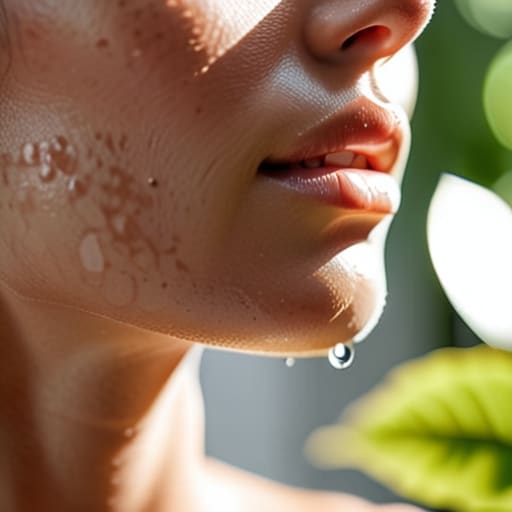
At the end of the day, supporting your collagen isn’t about chasing every shiny new ingredient or following a complicated, exhausting regimen. It’s about understanding that your skin is a living, breathing system that needs gentle, consistent support rather than aggressive intervention. We’ve talked about how the synthesis process works, how to protect your dermal matrix from the chaos of daily life, and why less is often more. By focusing on sun protection, a balanced lifestyle, and science-backed nourishment, you aren’t just adding another step to your sink; you are investing in the long-term resilience of your skin barrier.
I want you to remember that your skincare routine should be a sanctuary, not a source of anxiety. There will be days when you skip a step or days when your skin feels a little more tired than usual, and that is perfectly okay. Beauty isn’t about achieving some impossible, filtered perfection; it’s about feeling comfortable and grounded in the skin you’re in. So, take a deep breath, put on your favorite playlist, and treat your routine as a small, quiet act of self-care. You deserve to feel healthy, and you don’t need a miracle to make that happen—just a little bit of patience and a lot of kindness toward yourself.
Frequently Asked Questions
Should I actually bother with collagen supplements, or is it better to just focus on topical products?
Honestly, I used to think I needed to swallow every collagen powder on the market, but it’s not a magic fix. Supplements can be a nice little boost for your body overall, but they won’t magically fix a compromised skin barrier. I’d rather put my money into high-quality, gentle topicals and a solid SPF. Focus on feeding your skin from the outside and protecting it from the sun—that’s where the real, lasting magic happens.
Are there specific foods I can add to my diet that won't break the bank but actually support my skin?
Honestly, you don’t need expensive supplements to see a difference. I’ve found that keeping it simple with grocery store staples works best. Think colorful bell peppers or citrus for that Vitamin C boost—it’s essential for collagen synthesis. I also love adding a bit of bone broth or even just some beans and lentils to my meals for amino acids. It’s about nourishing your skin from the inside out without overcomplicating your budget.
How long does it realistically take to see a difference in my skin's texture once I start prioritizing collagen?
I know the feeling—you start a new routine and want results by tomorrow morning. But skin cells aren’t instant gratification. Realistically, you’re looking at about 8 to 12 weeks to see a noticeable shift in texture. It takes time for those new collagen fibers to actually organize themselves. Be patient with your skin; it’s a slow, steady process, not a sprint. Just keep showing up for your routine, and the glow will follow.
