Author: Neha Rajagopal

  • How to Perform a Double Cleanse

    How to Perform a Double Cleanse

    I still remember sitting on my bathroom floor in my early twenties, staring at a face that felt tight, angry, and completely stripped of its natural glow. I had spent months chasing the “perfect” glow by layering aggressive acids and expensive serums, thinking more was always better. But the truth was, I was actually making things worse by not even getting the basics right. I thought double cleansing was just another marketing gimmick designed to sell me two bottles instead of one, but I eventually realized that my skin wasn’t actually clean—it was just irritated.

    I’m not here to sell you a complicated fifteen-step ritual or tell you that you need a luxury balm that costs as much as my weekly groceries. Instead, I want to share what actually works for a busy, realistic lifestyle. I’m going to walk you through the simple, science-backed logic behind double cleansing so you can clear away the day without wrecking your skin barrier. Let’s cut through the noise and focus on a routine that feels less like a chore and more like a much-needed moment of peace.

    Table of Contents

    Gentle Facial Cleansing Techniques to Unwind

    Gentle Facial Cleansing Techniques to Unwind

    When it comes to the actual process, I’ve learned that it’s less about scrubbing and more about intentional movement. I like to start with a cleansing oil or balm—personally, I find a balm feels a bit more luxurious and grounding after a long day—and massage it into my dry skin using slow, circular motions. This isn’t just about removing waterproof sunscreen or the day’s grime; it’s a tactile way to signal to my brain that the workday is officially over. If you find yourself rushing, you’re likely missing the point of the ritual.

    Once the first layer is rinsed away, I follow up with a water-based cleanser that feels soft, not stripping. This second step is vital for clogged pores prevention, as it ensures no oily residue is left behind to disrupt your skin’s natural balance. I always remind myself to use lukewarm water; anything too hot can compromise your skin barrier protection, which is something I learned the hard way during my “over-active ingredient” phase. Treat your face like you’re tending to my delicate indoor herbs—with patience and a very light touch.

    Removing Waterproof Sunscreen Without the Stress

    Removing Waterproof Sunscreen Without the Stress

    If you’re like me, you probably swear by a high-SPF sunscreen to protect your skin during those long afternoon walks or outdoor errands. But let’s be real: those waterproof formulas are stubborn. I used to try scrubbing my face with whatever harsh foaming wash I had on hand, thinking more friction meant more clean. All that did was leave my face feeling tight and angry. I quickly learned that removing waterproof sunscreen requires a much softer touch to avoid stripping away your natural oils.

    When I’m deciding between a cleansing oil vs balm, I usually lean toward a balm if I’ve been wearing a heavier layer of SPF. There is something so soothing about the way a balm melts into the skin, turning that thick, water-resistant film into something manageable and soft. It’s a crucial part of my evening wind-down. By focusing on a gentle dissolution rather than a hard scrub, you’re prioritizing skin barrier protection while ensuring you aren’t leaving any residue behind that could lead to breakouts. It’s about being thorough without being aggressive.

    My Simple Rules for a Stress-Free Double Cleanse

    • Start with an oil-based cleanser while your skin is still dry. It sounds counterintuitive, but applying an oil or balm to dry skin is what actually helps melt away that stubborn SPF and daily grime without needing to scrub.
    • Don’t rush the massage. Instead of a quick splash and dash, take a full minute to massage your oil cleanser in circular motions. It’s a tiny bit of mindfulness that helps you decompress while ensuring everything is actually breaking down.
    • Use lukewarm water, never hot. I learned the hard way that steaming hot water feels good in the moment, but it’s a one-way ticket to a compromised skin barrier. Keep it gentle to keep your moisture intact.
    • Follow up with a water-based cleanser that actually loves your skin. Now that the heavy lifting is done, your second cleanser can focus on cleaning your pores and hydrating your skin rather than fighting through layers of makeup.
    • Less is definitely more with your tools. You don’t need fancy silicone brushes or abrasive cloths; your clean hands are usually the gentlest and most effective tools you have for a calming nightly ritual.

    My Quick Takeaways for a Stress-Free Cleanse

    Don’t overthink it—double cleansing isn’t about adding more steps to your day, it’s just about making sure your skin actually feels clean and calm at the end of it.
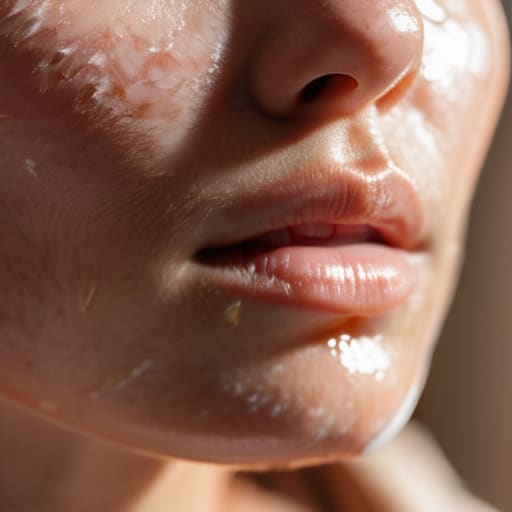
    If you’re wearing heavy sunscreen or makeup, an oil-based cleanser is your best friend for breaking things down without having to scrub your skin raw.

    Listen to your skin; if your barrier feels sensitive, stick to the gentlest formulas and focus on soothing hydration rather than harsh stripping.

    Why I Finally Embraced the Double Cleanse

    “I used to think more steps meant better results, but after my skin barrier took a hit from over-scrubbing, I realized that double cleansing isn’t about adding more work—it’s about giving your skin the space to actually breathe and reset at the end of a long day.”

    Neha Rajagopal

    Finding Your Rhythm

    Finding Your Rhythm with mindful skincare.

    At the end of the day, double cleansing isn’t about adding more “work” to your evening; it’s about making sure your skin actually gets the chance to breathe. Whether you are breaking down stubborn, waterproof sunscreen or just washing away the day’s pollution, the goal is to ensure your second, gentler cleanser can actually reach your pores. We’ve covered how to navigate those tricky waterproof formulas and how to keep your movements mindful and soft to protect that delicate skin barrier we worked so hard to repair. Remember, it’s not about perfection or using the most expensive oils on the market; it’s about consistency and kindness toward your skin.

    I know how easy it is to feel overwhelmed by all the beauty noise out there, but I promise you don’t need a complex ritual to see real results. Think of this extra step as a tiny, intentional bridge between the chaos of your day and the quiet of your evening. As I put on my favorite Lo-Fi tracks and start my own routine, I remind myself that this is my time to reset. I hope you can view your skincare not as another item on a never-ending to-do list, but as a small moment of peace that belongs entirely to you. You deserve to feel comfortable in your own skin.

    Frequently Asked Questions

    Do I really need to double cleanse every single night, or is it okay to skip it sometimes?

    Honestly? No, you don’t have to do it every single night. I used to think skincare had to be this rigid, disciplined ritual, but that’s a fast track to burnout. If you’ve spent the day indoors and only wore a light moisturizer, a single gentle cleanse is plenty. But if you’ve been out in the city or wearing SPF, your skin will thank you for that extra step. Listen to your skin, not the hype.

    Will using an oil cleanser every day end up making my skin feel greasy or causing more breakouts?

    Honestly, I used to worry about this too—especially after I’d already done a number on my skin barrier. But here’s the thing: oil cleansers don’t leave your skin greasy; they actually help dissolve the excess sebum and grime that cause breakouts in the first place. As long as you follow up with a gentle water-based cleanser to rinse everything away, your skin will feel clean and balanced, never heavy or oily.

    Can I just use a regular moisturizer to get rid of my makeup, or do I actually need a dedicated first cleanser?

    Honestly, I’ve been there—trying to save a step when you’re exhausted. While a thick moisturizer can technically break down some makeup, it’s not ideal. Most moisturizers aren’t formulated to lift away pigment and grime, so you often end up just smearing the makeup around your face rather than actually removing it. To keep your skin clear and your barrier happy, I’d stick to a dedicated oil or balm first. It makes a world of difference.

  • Different Ways to Exfoliate Your Skin

    Different Ways to Exfoliate Your Skin

    I still remember the stinging sensation of my face feeling tight and raw after a night of “over-exfoliating” with every harsh scrub my twenty-year-old self could find. I thought I was doing something right, chasing that perfect, polished look, but I was actually just shredding my skin barrier to pieces. It took a long time—and a lot of redness—to realize that the skincare industry has conditioned us to believe that if it doesn’t burn or feel intense, it isn’t working. But honestly? Most of the hype surrounding exfoliating skin is just noise designed to make you buy more products than you actually need.

    I’m not here to sell you on a complicated, ten-step ritual that leaves you feeling more stressed than refreshed. Instead, I want to share what I’ve learned through trial, error, and a lot of psychology-backed research about what your skin actually needs to thrive. I promise to give you a straightforward, no-nonsense guide to exfoliating skin that respects your time and your budget. We’re going to focus on gentle, effective methods that bring back your natural glow without the drama.

    Table of Contents

    Effective Dead Skin Cell Removal Made Simple

    Effective Dead Skin Cell Removal Made Simple

    When I was in my early twenties, I thought more was always better. I’d scrub my face until it felt tight and raw, thinking I was doing something right. In reality, I was just stripping away my natural defenses. Now, I view dead skin cell removal as a delicate balancing act. You want to clear away that dull, flaky layer to reveal the fresh skin underneath, but you have to do it without compromising your skin barrier protection.

    If you’re feeling overwhelmed by the sheer number of acids on the market, let’s break it down simply. For those of us dealing with congestion or breakouts, beta hydroxy acids for acne (like salicylic acid) are total lifesavers because they work inside the pore. However, if your main goal is just improving skin radiance and smoothing out texture, you might find that alpha hydroxy acids are your best friend. They’re much more surface-level and hydrating. The key isn’t to use the strongest stuff you can find, but to find the gentlest method that leaves your face feeling calm, not irritated.

    Alpha Hydroxy Acids Benefits for Natural Radiance

    Alpha Hydroxy Acids Benefits for Natural Radiance

    If you’re looking to bring some life back to a dull complexion, AHAs are usually my first recommendation. Unlike physical scrubs that can feel a bit abrasive, alpha hydroxy acids work by dissolving the “glue” that holds dead cells together. This makes improving skin radiance feel less like a chore and more like a slow, steady glow-up. I personally love glycolic or lactic acid because they feel so much more sophisticated than just scrubbing your face with beads.

    However, because I’ve spent my fair share of time accidentally stripping my own moisture barrier, I always advocate for a cautious approach. The real magic of alpha hydroxy acids benefits lies in their ability to resurface the skin without the aggression of a harsh physical exfoliant. Just remember that because they increase cell turnover, your skin becomes a bit more sensitive to the sun. I always pair my acid treatments with a solid moisturizer to ensure I’m prioritizing skin barrier protection while I work on that glow. It’s all about finding that sweet spot between effectiveness and kindness to your skin.

    My Golden Rules for Exfoliating Without the Drama

    • Listen to your skin barrier above all else. If your face feels tight, stinging, or looks a little too pink, that is your skin’s way of telling you to back off. I learned the hard way that more is definitely not better when it comes to actives.
    • Keep it infrequent. You don’t need to be exfoliating every single morning to see results. For most of us, two or three times a week is the sweet spot to keep things glowing without causing irritation.
    • Always follow up with hydration. Think of exfoliation as clearing the path; you need to replenish that moisture immediately after. A simple, soothing moisturizer is your best friend to seal everything in and calm the skin down.
    • Don’t forget the SPF. Exfoliating makes your fresh, new skin much more sensitive to the sun. If you aren’t wearing sunscreen the next morning, you’re essentially undoing all the hard work you just did.
    • Choose your method based on your mood and skin state. Some days I love a gentle chemical exfoliant for a deep clean, but if my skin feels particularly sensitive, I’ll skip the acids entirely and just stick to a soft, damp washcloth.

    My Golden Rules for Stress-Free Exfoliation

    Listen to your skin above everything else; if you feel any stinging or see redness, it’s your body’s way of telling you to back off and focus on hydration instead.

    Less is definitely more when it comes to frequency, so aim for just one or two gentle sessions a week rather than trying to scrub your way to perfection every single day.

    Always prioritize your skin barrier by following up your exfoliation with a soothing, reliable moisturizer to lock in that goodness and keep your skin feeling calm.

    Listen to Your Barrier

    “Exfoliation shouldn’t feel like a battle against your own face; it’s about gently clearing the way for your natural glow to breathe, not stripping your skin until it screams for help.”

    Neha Rajagopal

    Finding Your Skin's Rhythm

    Finding Your Skin's Rhythm through gentle exfoliation.

    At the end of the day, exfoliating shouldn’t feel like a chemistry experiment or a high-stakes mission. We’ve talked about how AHAs can bring back that natural radiance and why choosing the right method is so much more important than how many steps you can cram into your evening. Remember, the goal isn’t to strip your skin down to nothing, but to gently clear the way for your products to actually do their jobs. If you listen to your skin and focus on consistency over intensity, you’ll find that sweet spot where your complexion looks healthy without ever feeling tight or irritated.

    I know how easy it is to get caught up in the “more is better” trap, especially when you see those complicated routines all over social media. But I promise you, your skin doesn’t need a marathon; it just needs a little bit of mindful care. Treat your exfoliation like that quiet moment with your Lo-Fi playlist—a small, intentional act of self-care that sets the tone for everything else. Stop chasing perfection and start prioritizing your skin barrier instead. You deserve to feel comfortable and confident in your own skin, one gentle step at a time.

    Frequently Asked Questions

    How do I know if I've overdone it and actually damaged my skin barrier?

    Honestly, I’ve been there, and it’s a scary feeling. If your skin suddenly feels tight, looks unusually shiny (but not in a good way), or starts stinging when you apply even your most basic moisturizer, your barrier is likely crying for help. Watch out for unexpected redness or those tiny, itchy patches. If your skin feels more like a raw nerve than a soft surface, stop the actives immediately and just stick to hydration.

    Can I still exfoliate if I have sensitive skin or active breakouts?

    Absolutely, you can—but you have to approach it with a lot of kindness. If your skin is sensitive or breaking out, the last thing you want to do is scrub it raw. I used to make that mistake constantly. Instead of harsh physical scrubs, stick to gentle chemical exfoliants like PHA or a low-percentage lactic acid. It’s all about calming the inflammation while slowly clearing the way for fresh skin. Slow and steady wins here.

    How often should I actually be doing this without making my skin more irritated?

    Honestly, the “more is better” mindset is exactly what ruined my skin barrier back in the day. If you’re just starting out, I’d suggest once or twice a week. That’s plenty to see results without triggering redness. Listen to your skin—if it feels tight, stinging, or looks extra shiny, take a break. Skincare should feel like a reset, not a punishment. Slow and steady always wins the long game.