Category: Skincare

  • Skincare Strategies for Aging Skin

    Skincare Strategies for Aging Skin

    I still remember sitting on my bathroom floor in my early twenties, staring at a face that felt raw and angry because I thought more was always better. I was convinced that if I just layered enough aggressive acids and high-strength retinols, I could somehow outrun time itself. But all that “hardcore” anti aging skincare actually did was strip my skin barrier bare, leaving me with redness and a deep sense of frustration. We’ve been sold this lie that aging gracefully requires a massive, expensive arsenal of chemicals, when in reality, most of those high-octane products are just noise designed to empty your wallet.

    I’m not here to sell you on a twenty-step ritual that feels like a second job. Instead, I want to share what I’ve learned through years of trial, error, and a lot of much-needed healing: how to support your skin with intention and science. My goal is to help you navigate the world of anti aging skincare by focusing on a few gentle, effective essentials that actually work. We’re going to cut through the marketing hype and focus on a minimalist approach that keeps your skin healthy and your morning routine peaceful.

    Table of Contents

    The Power of Retinol for Skin Rejuvenation
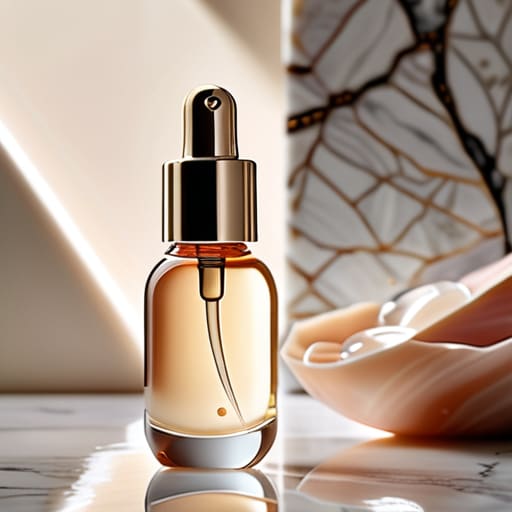
    The Power of Retinol for Skin Rejuvenation

    If there is one ingredient that I think is worth the hype, it’s retinol. After my skin barrier mishap in my early twenties, I was terrified of anything too strong, but I eventually learned that when used correctly, retinol for skin rejuvenation is a total game-changer. It works by speeding up cell turnover, which helps smooth out those fine lines we all start to notice. However, because it can be a bit intense, I always recommend starting slow—maybe just twice a week—to let your skin adjust without the dreaded redness.

    To keep things balanced, I’ve learned that retinol shouldn’t live alone in your routine. I always pair it with something soothing, like a serum focused on hyaluronic acid hydration, to prevent that “tight” or flaky feeling. It’s all about that delicate balance: you want the active ingredient to do the heavy lifting for your skin elasticity and firmness, but you also need to respect your moisture barrier. Think of it as a slow, steady process rather than an overnight miracle.

    Vitamin C Antioxidant Serum Your Morning Moment of Calm
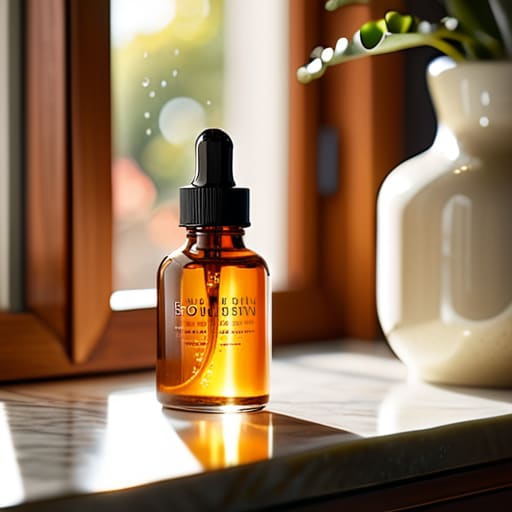
    Vitamin C Antioxidant Serum Your Morning Moment of Calm

    If retinol is my evening ritual for repair, then a vitamin C antioxidant serum is my non-negotiable morning essential. I like to think of it as a little shield for my face while I’m sipping my coffee and listening to my Lo-Fi tracks. While I was in my early twenties, I used to jump straight into heavy acids, but I’ve learned that consistency and protection beat intensity every single time. Vitamin C works quietly in the background, neutralizing the environmental stressors that try to dull your glow throughout the day.

    When I layer it under my moisturizer, I can feel the immediate boost in brightness. It’s not just about looking awake; it’s about supporting skin elasticity and firmness over the long haul. Pairing it with a good SPF is the real secret sauce, though—because even the best serum can’t do its job if you aren’t prioritizing sun protection and skin aging prevention. It’s one of those small, intentional steps that turns a frantic morning scramble into a moment of genuine, skin-loving peace.

    Less is More: My 5 Non-Negotiables for Aging Gracefully

    • Prioritize sun protection every single day. I know, it sounds basic, but a solid SPF is the best “anti-aging” tool in your kit. It’s much easier to prevent sun damage than it is to try and reverse it later.
    • Don’t forget your neck and chest. I used to stop my routine right at my jawline, but those areas show age just as fast as your face. Treat them with the same gentle love you give your cheeks.
    • Hydration is your best friend. When my skin barrier feels compromised, fine lines look so much more pronounced. Keeping your moisture levels up with a simple, soothing cream makes a world of difference in how your skin reflects light.
    • Listen to your skin instead of the trends. If a high-strength active makes your face sting or turn red, back off. A damaged barrier will age your skin much faster than any serum can fix it.
    • Consistency over intensity. You don’t need to use every powerful ingredient at once. It’s better to use a gentle, effective routine consistently than to cycle through harsh products that leave your skin stressed and reactive.

    My Simple Rules for Aging Gracefully

    Focus on quality over quantity; you don’t need a shelf full of products, just a few heavy hitters like Vitamin C and Retinol that actually do the work.

    Listen to your skin barrier above all else—if your face feels tight or irritated, scale back the actives and prioritize hydration.

    Consistency is your best friend, so build a routine that feels like a peaceful ritual rather than another overwhelming task on your to-do list.

    Less is More When It Comes to Aging

    “We’ve been conditioned to think that more ingredients mean better results, but after years of breaking my own skin barrier, I’ve learned that true anti-aging isn’t about aggressive correction—it’s about consistent, gentle nourishment that respects your skin’s natural rhythm.”

    Neha Rajagopal

    Finding Your Flow
    Finding Your Flow with skincare simplicity.

    At the end of the day, anti-aging isn’t about racing against the clock or trying to erase every single line on your face. It’s about being intentional with the tools you choose. We’ve talked about how a targeted retinol can help with cell turnover and how a bright, antioxidant-rich Vitamin C serum acts as your morning shield, but remember: these are just supports for your skin, not magic wands. You don’t need a cabinet overflowing with expensive serums to see a difference. By focusing on high-quality, science-backed essentials and protecting your skin barrier, you’re already doing the heavy lifting. Keep it simple, keep it consistent, and stop overcomplicating the process.

    As you head back to your routine—maybe with your Lo-Fi jazz playing in the background—I want you to take a breath. Skincare should be a way to reconnect with yourself, a quiet moment of self-care before the chaos of the day takes over. Your skin tells the story of your life, and there is so much beauty in that. Don’t let the marketing noise make you feel like you’re “failing” at aging. Instead, embrace a routine that makes you feel grounded and confident. You deserve to feel comfortable in your own skin, and I promise, it’s much easier than they want you to believe.

    Frequently Asked Questions

    Since I've already ruined my skin barrier before, how do I know if my skin can actually handle these stronger anti-aging ingredients?

    I’ve been exactly where you are, and honestly, that fear is valid. After I wrecked my barrier in my early twenties, I learned to stop guessing. The best way to test the waters is the “patch test and pause” method. Introduce one new active at a time—never two at once—and wait at least two weeks to see how your skin reacts. If you feel stinging or see redness, back off immediately. Listen to your skin; it’s much better to go slow than to start over.

    Do I really need to use both Vitamin C and Retinol, or is that just overkill for a simple routine?

    Honestly, it can definitely feel like overkill when you’re just trying to keep things simple. But here’s the thing: they actually play different roles. Think of Vitamin C as your morning shield against environmental stress and Retinol as your nighttime repair crew. If your skin barrier is feeling sensitive, you don’t have to use them both every single day. Just space them out—Vitamin C in the AM, Retinol in the PM—to get the benefits without the chaos.

    How long should I actually wait before I expect to see a real difference in my fine lines?

    I know the feeling—you start a new routine and find yourself checking the mirror every single morning. But honestly? Skincare is a marathon, not a sprint. For things like retinol or vitamin C, you’re likely looking at 8 to 12 weeks before those fine lines actually start to soften. It’s frustrating, I get it, but consistency is everything. Stick with it; your future, glowing skin will thank you for the patience.

  • Choosing Products for Sensitive Skin

    Choosing Products for Sensitive Skin

    I still remember the stinging heat creeping up my cheeks after I decided to “level up” my routine with a high-percentage retinol acid. I thought I was being proactive, but all I actually did was tear my skin barrier to shreds. Looking in the mirror and seeing raw, angry patches instead of a “glow” was a massive wake-up call. For a long time, I felt like I was failing at the most basic level of sensitive skin care, constantly fighting my own face just to get through a workday.

    I’m done with the complicated, expensive nonsense that promises miracles but only delivers irritation. In this guide, I’m stripping everything back to the basics. I want to share the gentle, science-backed essentials that actually work for real life, without the twenty-step madness. My goal is to help you build a routine that feels like a moment of peace rather than a stressful chore. No hype, no filler—just honest advice on how to soothe your skin and finally feel comfortable in it.

    Table of Contents

    The Power of a Gentle Hypoallergenic Skincare Routine

    The Power of a Gentle Hypoallergenic Skincare Routine.

    When I was in my early twenties, I thought “more” always meant “better.” I’d layer on every harsh acid I could find, thinking I was being proactive, only to end up with a face that felt tight, itchy, and perpetually red. That’s when I learned that a truly effective hypoallergenic skincare routine isn’t about intensity; it’s about respect. It’s about choosing products that work with your biology rather than fighting against it.

    Instead of trying to scrub away imperfections, I shifted my focus toward supporting my skin’s natural defenses. This means looking for specific barrier repair ingredients—think ceramides or fatty acids—that help seal in moisture and keep irritants out. I’ve found that when I prioritize soothing, simple formulas, my skin finally stops reacting to everything and starts feeling resilient again. It’s less about a dramatic transformation and more about finding a sense of stability in your complexion. Once you stop the cycle of irritation, you actually have the headspace to enjoy your morning ritual rather than dreading it.

    Choosing a Fragrance Free Moisturizer for Lasting Peace

    Choosing a Fragrance Free Moisturizer for Lasting Peace

    If there is one thing I learned the hard way after my own skin barrier meltdown, it’s that “scent” is often just a polite word for “irritant.” We’ve been conditioned to think that a product isn’t luxurious unless it smells like a botanical garden, but for us, those floral notes are often just a one-way ticket to redness and stinging. When I’m looking for a new staple, I bypass the pretty packaging and head straight for a fragrance-free moisturizer. It might feel a little less “spa-like” at first, but the peace of mind you get knowing your skin won’t react halfway through the day is worth so much more.

    When you’re scanning labels, try to look for more than just the absence of perfume. I always prioritize products packed with barrier repair ingredients like ceramides or squalane. These aren’t just buzzwords; they are the actual building blocks that help your skin stay resilient against the environment. Think of your moisturizer as a protective hug for your face. By choosing something simple and intentional, you’re not just applying cream—you’re actively helping your skin find its way back to a state of calm.

    My Non-Negotiable Rules for Keeping the Irritation at Bay

    • Stop the “more is better” mindset. I learned the hard way that layering too many actives—like Vitamin C, Retinol, and AHAs all at once—is a one-way ticket to a broken skin barrier. If your face feels tight or stings, strip it back to just the basics for a few days.
    • Always patch test, even if the bottle says “gentle.” I know, it’s a bit of a chore, but applying a new serum to your whole face only to realize it’s causing a reaction is a heartbreak I don’t want you to experience. Test it on your jawline first and wait 24 hours.

    • Keep an eye on the ingredient list for “hidden” irritants. Just because a product is marketed as natural doesn’t mean it’s safe for sensitive skin. Things like essential oils or certain botanical extracts can be surprisingly aggressive, so I always look for simple, boring ingredient lists.
    • Temperature matters more than you think. I used to love a steaming hot shower, but those hot waters are absolute chaos for sensitive skin. Switch to lukewarm water for washing your face to keep your natural oils intact and prevent that post-wash redness.
    • Listen to your skin’s “vibe.” Your skin isn’t a static thing; it changes with your stress levels, the weather, and even your sleep. If it feels reactive one morning, don’t force your usual routine. It’s okay to swap your exfoliant for a soothing, hydrating balm and just breathe.

    Keeping It Simple: My Golden Rules for Sensitive Skin

    Less is almost always more; when your skin is acting up, strip your routine back to the basics and stop chasing the latest “miracle” active.

    Always prioritize fragrance-free and hypoallergenic labels to avoid the hidden irritants that trigger redness and discomfort.

    Listen to your skin barrier instead of your ego—if a product stings or feels heavy, it’s okay to walk away and try something gentler.

    Less is More

    I learned the hard way that more products don’t equal better skin; sometimes, the most radical thing you can do for a reactive complexion is to simply stop fighting it and start listening to what it actually needs.

    Neha Rajagopal

    Finding Your Skin's Calm

    Finding Your Skin's Calm with gentle skincare.

    At the end of the day, managing sensitive skin isn’t about chasing every new viral ingredient or building an expensive, complicated shelfie. We’ve talked about why leaning into a gentle, hypoallergenic routine and prioritizing fragrance-free moisture is so vital for keeping your barrier intact. It’s really about stripping away the excess and focusing on what your skin actually needs to feel settled. When you stop trying to “fix” your skin with harsh actives and start supporting it with soothing, science-backed essentials, you’ll notice that the redness and irritation start to fade into the background. It’s a shift from fighting your skin to finally working with it.

    I know how frustrating it can be when your skin feels like it’s constantly on high alert, but please remember that healing takes time. Don’t let a bad skin day make you feel like you’ve failed; skin is a living, breathing organ, and it has its own rhythm. Use your routine as a moment to breathe, maybe put on that favorite Lo-Fi track, and just be kind to yourself. You deserve to feel comfortable and confident in your own skin without the stress. Focus on the slow, steady wins, and I promise, peace will follow.

    Frequently Asked Questions

    How do I know if my skin barrier is actually damaged or if I'm just having a random flare-up?

    It’s a tough distinction to make, especially when you’re staring in the mirror feeling frustrated. A random flare-up usually feels localized and passes in a few days. But if your skin feels tight, looks constantly shiny (but not oily), or stings when you apply even your most basic moisturizer, that’s a huge red flag for a damaged barrier. If the sensitivity is constant and your skin feels “reactive” to everything, it’s time to strip things back.

    Is it okay to use active ingredients like retinol if I have sensitive skin, or should I avoid them entirely?

    Honestly, I used to think it was a hard “no,” but it’s really more about how you approach it. After I wrecked my skin barrier in my early twenties, I learned that you don’t have to avoid actives entirely—you just have to be patient. If you want to try retinol, start slow with a low concentration and “sandwich” it between layers of moisturizer. It’s all about listening to your skin, not forcing it.

    How can I tell if a product is actually "gentle" or if it's just clever marketing?

    Honestly, it’s exhausting how many brands use “gentle” as a buzzword. To see past the marketing, you have to look at the actual ingredient list. I always skip the front of the bottle and head straight for the back. If you see long lists of drying alcohols or heavy fragrances, it’s not as soothing as they claim. Look for calming, science-backed ingredients like ceramides or centella instead. Don’t let the pretty packaging fool you.

  • Managing Oily Skin Throughout the Day

    Managing Oily Skin Throughout the Day

    I still remember sitting in my twenties, staring at my reflection in the bathroom mirror after a long day, feeling like my face was coated in a layer of heavy grease. I was convinced that the only way to handle it was to scrub my skin raw with harsh, stinging cleansers and endless layers of mattifying powders. I thought I was winning the battle, but in reality, I was just destroying my moisture barrier and making the oil production even worse. If you feel like you’re constantly fighting a losing war against your own face, please know that effective oily skin management shouldn’t feel like a punishment for having pores.

    I’m not here to sell you a twelve-step routine or a collection of expensive, trendy serums that promise miracles but only deliver irritation. Instead, I want to share what actually works for a busy, real-world lifestyle—the kind of science-backed, gentle approach that keeps you looking fresh without the midday meltdown. We are going to focus on a few intentional, minimalist steps that balance your skin rather than stripping it bare. Consider this my promise to help you cut through the marketing noise and find a sense of calm in your routine.

    Table of Contents

    A Minimalist Skincare Routine for Oily Skin

    A Minimalist Skincare Routine for Oily Skin.

    When I was in my early twenties, I thought “more is better.” I’d scrub my face until it felt tight, thinking I was actually cleaning it, but I was really just stripping my barrier and making the oil production even worse. Now, my approach is much more intentional. A successful skincare routine for oily skin doesn’t need to be a marathon; it just needs to be consistent. I start with a gentle, pH-balanced cleanser to remove the day’s grime without that scary, “squeaky clean” feeling that actually signals damage.

    Next, I look for targeted ingredients that do the heavy lifting. I’ve found that incorporating a gentle exfoliant can make a world of difference. Understanding the salicylic acid benefits is a game-changer here, as it helps clear out the gunk inside your pores rather than just sitting on the surface. To finish, the biggest mistake I see people make is skipping hydration entirely. You actually need a non-comedogenic moisturizer to tell your skin it’s okay to stop overproducing oil. It’s all about sending the right signals to your face so it can finally find its balance.
    Why Balancing Skin Ph Is Your Secret Weapon

    Why Balancing Skin Ph Is Your Secret Weapon

    I used to think that if my face felt “squeaky clean,” it meant I was doing a good job. In reality, I was stripping my skin bare and sending my oil production into a total tailspin. When you use harsh, high-pH cleansers, you’re essentially destroying your skin’s natural protective barrier. This sends a frantic signal to your sebaceous glands to produce even more oil to compensate for the dryness, creating a vicious cycle that’s incredibly hard to break.

    That’s where balancing skin pH becomes a total game-changer. When your skin sits at its natural, slightly acidic level, it stays calm and resilient. Instead of fighting against your biology, a pH-balanced approach helps regulate sebum production naturally. This is a crucial part of any effective skincare routine for oily skin because it prevents that mid-day grease slick without leaving you feeling tight or irritated. Think of it as setting the foundation; once your pH is stable, everything else—from your hydration to your active treatments—actually starts to perform the way it’s supposed to.

    Small Changes, Big Results: My Go-To Tips for Keeping the Shine in Check

    • Stop the “Squeaky Clean” habit. I know that tight, stripped feeling after washing can be tempting, but it actually tells your skin to produce more oil to compensate. Stick to a gentle, non-foaming cleanser that respects your barrier.
    • Don’t skip the moisturizer. It sounds counterintuitive, but if you leave oily skin dehydrated, it’ll just pump out more sebum to fix the imbalance. Look for lightweight, oil-free gel creams that sink in quickly without feeling heavy.
    • Use Niacinamide as your best friend. It’s one of those science-backed ingredients I swear by; it helps regulate oil production and calms redness without being harsh like some of the actives I used to overdo in my twenties.
    • Blot, don’t powder. If you’re mid-day and feeling greasy, try using blotting papers instead of layering more powder on top. Adding more powder can lead to a cakey mess and actually clog your pores further.
    • Watch your “hands-on” time. It’s a hard habit to break, but constantly touching your face or leaning your chin on your hands transfers dirt and oil right back onto your skin. Let your skin breathe!

    The Bottom Line for Your Skin

    Stop the cycle of stripping your skin; more isn’t always better, and over-cleansing often backfires by triggering even more oil production.

    Focus on hydration rather than just oil control—using lightweight, non-comedogenic moisturizers helps keep your barrier intact.

    Consistency beats complexity every single time; a few reliable, science-backed steps are much more effective than a chaotic, multi-step routine.

    The Mindset Shift

    “Managing oily skin isn’t about trying to strip it dry or fighting a constant battle against your own biology; it’s about learning to work with your skin, not against it, through gentle balance rather than harsh correction.”

    Neha Rajagopal

    Finding Your Flow

    Finding Your Flow with healthy skin.

    Managing oily skin doesn’t have to feel like a constant battle against your own biology. As we’ve talked about, it really comes down to working with your skin rather than against it—focusing on a minimalist routine that respects your moisture barrier and prioritizing that crucial pH balance. You don’t need a cabinet full of expensive, stripping cleansers to see progress; you just need consistency and a few high-quality, functional products that do the heavy lifting for you. Remember, the goal isn’t to strip your skin of every drop of oil, but to find that healthy equilibrium where your skin feels comfortable and controlled.

    At the end of the day, I want you to remember that your skin is a living organ, not a problem to be solved or a surface to be scrubbed raw. There will be days when the shine is a bit more stubborn or your pores feel a little more prominent, and that is perfectly okay. Take a deep breath, put on your favorite playlist, and treat your skincare as a quiet moment of self-care rather than another item on your to-do list. You deserve to feel confident and calm in your own skin, and I promise, simplicity is your superpower.

    Frequently Asked Questions

    Is it actually possible to control oil without stripping my skin and causing more breakouts?

    Honestly, I used to think the only way to stop the shine was to scrub my face until it felt tight and squeaky clean. I was wrong. That “squeaky” feeling is actually your skin screaming because you’ve stripped its natural defenses. When you over-dry, your skin panics and produces even more oil to compensate. The trick is using gentle, non-stripping cleansers and focusing on hydration. It’s about balance, not warfare.

    How can I tell if my skin is actually oily or if I'm just dehydrated and overcompensating?

    This is such a common point of confusion, and honestly, I spent years thinking I was just “naturally oily” when my skin was actually screaming for moisture. Here’s the trick: if your skin feels tight or flaky but still looks shiny on the surface, you’re likely dehydrated. True oily skin usually feels supple, not parched. Try skipping the harsh cleansers for a few days; if the shine settles down without the tightness, you’ve found your culprit.

    Are there specific ingredients I should avoid if I'm trying to keep my routine minimalist but effective?

    Honestly, when you’re trying to keep things simple, the biggest mistake is overcomplicating your shelf with too many harsh actives. I learned that the hard way. If you’re aiming for a minimalist routine, try to avoid high concentrations of denatured alcohol or heavy, comedogenic oils that just clog everything up. You don’t need aggressive scrubs that strip your barrier; those usually just trigger more oil production. Stick to gentle, soothing ingredients instead.

  • How to Manage Dry Skin

    How to Manage Dry Skin

    I still remember sitting on my bathroom floor in my early twenties, staring at a face that felt tight, itchy, and borderline raw. I had spent a small fortune on “miracle” serums and aggressive exfoliants, thinking that more was always better, only to realize I had completely shredded my skin barrier. It turns out, most of the trending dry skin remedies you see all over social media are just expensive ways to irritate an already angry complexion. We’ve been conditioned to believe that if a product doesn’t sting or come in a heavy glass jar, it isn’t working, but that noise is exactly what keeps us stuck in a cycle of dryness and frustration.

    I’m not here to sell you a twelve-step ritual or a product that costs more than my monthly grocery bill. Instead, I want to share the gentle, science-backed approach that actually helped me heal. I’m going to walk you through a few dry skin remedies that focus on restoring your barrier rather than stripping it away. We’re going to cut through the marketing fluff and focus on simple, intentional steps that bring your skin back to a place of calm and comfort.

    Table of Contents

    The Magic of Hyaluronic Acid Benefits and Deep Hydration

    The Magic of Hyaluronic Acid Benefits and Deep Hydration

    If you’re anything like me, you’ve probably seen hyaluronic acid mentioned a thousand times, but it’s more than just another marketing buzzword. I think of it as a giant sponge for my face. It’s one of those best ingredients for skin hydration because it can hold onto a massive amount of water, pulling moisture directly into your skin cells. When I was struggling with that post-active-overuse flare-up, this was the first thing that actually made my skin feel “plump” rather than just coated in oil.

    However, there’s a trick to it that most people miss. If you apply it to bone-dry skin in a dry room, it can actually pull moisture out of your deeper layers, leaving you feeling even tighter. To get the most out of the hyaluronic acid benefits, I always apply it to slightly damp skin. This helps in preventing transepidermal water loss by trapping that surface moisture before it can evaporate. It’s a small, intentional step that turns a simple application into a moment of real, soothing relief for your complexion.

    How to Soothe Itchy Skin Without the Stress

    How to Soothe Itchy Skin Without the Stress

    There is nothing quite as distracting as that nagging, persistent itch that makes you want to scratch your skin raw. When my own barrier was compromised years ago, I used to reach for anything with a heavy scent, only to make the irritation worse. If you’re feeling that tightness right now, the first thing I recommend is to stop everything. Put down the harsh exfoliants and focus entirely on skin barrier repair. When your skin feels like it’s stinging or itching, it’s usually a signal that your protective layer is struggling to keep moisture in and irritants out.

    To find some actual relief, I’ve learned to look for products centered around ceramides for dry skin. Think of ceramides as the “glue” that holds your skin cells together; when they are replenished, that itchy, sandpaper feeling starts to fade. I also love layering a soothing, fragrance-free cream over a gentle serum to help with preventing transepidermal water loss. It’s not about adding more steps to your morning—it’s about choosing the right, calming ingredients that tell your skin it’s finally safe to relax.

    Small Shifts for a Softer Complexion

    • Stop reaching for the hot water. I know a steaming shower feels amazing when you’re stressed, but it actually strips those precious natural oils right off your face. Try lukewarm water instead; your skin barrier will thank you.
    • Layer your hydration like a cozy sweater. Instead of just slapping on a thick cream, try applying your hydrating serum to slightly damp skin. It helps lock that moisture in before it evaporates into the air.
    • Audit your cleanser. If your skin feels tight or “squeaky clean” after washing, your cleanser is likely too harsh. I switched to a creamy, non-foaming formula, and it was a total game-changer for my dryness.
    • Don’t forget your lips and hands. We often focus so much on our face that we neglect the smaller areas that crack easily. Keep a simple, fragrance-free balm nearby so you aren’t constantly fighting that uncomfortable tightness.
    • Embrace the “less is more” approach with actives. When my skin is feeling particularly parched, I temporarily pause my exfoliating acids. Giving your skin a break from the heavy hitters allows it to focus entirely on repairing itself.

    My Simple Rules for Keeping Skin Calm

    Stop overcomplicating things; focus on layering hydration while your skin is still damp to actually lock that moisture in.

    Listen to your skin’s signals—if it’s feeling tight or itchy, it’s usually a sign to strip back the harsh actives and go back to basics.

    Consistency beats intensity every single time, so choose a few gentle products you actually enjoy using rather than a complicated routine you’ll eventually abandon.

    Finding Peace in the Process

    “We’ve been taught that more is better, but when your skin is feeling tight and irritated, the real remedy isn’t a cabinet full of new products—it’s learning when to strip things back and just give your barrier the quiet, gentle care it’s actually asking for.”

    Neha Rajagopal

    Finding Your Calm

    Finding Your Calm with skin hydration.

    At the end of the day, managing dry skin doesn’t have to be a battle against your own reflection. We’ve talked about how the right hydration—like that deep, moisture-binding magic of hyaluronic acid—can change everything, and how simply listening to your skin when it feels itchy or irritated can prevent a full-blown flare-up. Remember, it’s not about finding a miracle cure or buying every trendy bottle on the shelf; it’s about identifying the few, intentional steps that actually soothe your barrier and keep your moisture locked in. Whether it’s a thicker cream at night or just being a little more gentle with your cleansers, those small shifts make the biggest difference.

    I know how frustrating it feels when your skin just won’t cooperate, especially on those days when you’re already feeling overwhelmed. But please, try to view your skincare not as another chore on your to-do list, but as a small moment of peace in an otherwise chaotic day. You deserve to feel comfortable and grounded in your own skin. Take a breath, put on your favorite playlist, and remember that healing takes time. Be patient with yourself and your skin—you’re doing much better than you think you are.

    Frequently Asked Questions

    Can I still use my favorite exfoliating acids if my skin feels tight and dry, or should I pause them entirely?

    Honestly? If your skin is feeling tight and dry, please hit the pause button on those acids. I learned the hard way that pushing through the discomfort only damages your barrier further. Think of your skin like a tired plant; it doesn’t need more stimulation, it needs rest and hydration. Skip the exfoliation for a week or two, focus on soothing, barrier-repairing creams, and wait until that tight sensation is completely gone before reintroducing them.

    Is it better to apply my moisturizer while my skin is still damp from washing, or should I wait until it's completely dry?

    I used to make the mistake of waiting until my face was bone-dry, but after a few barrier-repairing lessons, I’ve learned better. Definitely apply your moisturizer while your skin is still slightly damp. Think of it like trapping moisture in; the cream seals that hydration into your skin rather than letting it evaporate. It makes the whole process feel much more soothing and helps those products sink in without any tugging.

    How can I tell if my skin is actually dehydrated from lack of water or just dry from a lack of oil?

    It’s a distinction that tripped me up for years. Think of it this way: dry skin lacks oil (it feels rough or flaky), while dehydrated skin lacks water (it feels tight and looks dull, even if it seems oily). A quick trick I use? If your skin feels tight like a drum after cleansing but still looks shiny, you’re likely dehydrated. You don’t need more heavy oils; you need deep, soothing hydration.

  • Essential Steps for a Morning Routine

    Essential Steps for a Morning Routine

    I still remember the stinging sensation in my cheeks every single morning back in my early twenties, a direct result of my obsession with every “miracle” acid and harsh exfoliant the internet threw at me. I thought more was better, but all I really achieved was a shattered skin barrier and a lot of unnecessary stress. Honestly, the way the beauty industry markets a “perfect” morning skincare routine is exhausting; they want you to believe you need twelve different serums and a specialized tool just to step out the door. It’s not about perfection or following a complicated ritual that leaves you feeling rushed and overwhelmed.

    I’m here to tell you that we can do better. In this guide, I’m stripping away the marketing hype to share the minimalist, science-backed essentials that actually work for a busy, real-world lifestyle. I’ll show you how to build a morning skincare routine that feels less like a chore and more like a moment of peace before the chaos of the day begins. No twenty-step madness here—just honest, effective steps that respect your skin and your time.

    Table of Contents

    Starting Softly With a Gentle Facial Cleanser

    Starting Softly With a Gentle Facial Cleanser

    I used to think that if my face didn’t feel “squeaky clean,” I hadn’t actually washed it. I spent years scrubbing away at my skin with harsh, foaming cleansers, thinking I was being thorough, when really I was just stripping away everything my skin needed to stay healthy. After my skin barrier took a serious hit, I learned the hard way that more isn’t always better. Now, I always start my morning by choosing a gentle facial cleanser that feels more like a soothing hug than a deep scrub.

    The goal here isn’t to strip your skin, but to gently sweep away any sweat or leftover nighttime products from the night before. I look for creamy or milky textures that leave my face feeling soft rather than tight. This step is crucial for skin barrier protection, especially if you’re dealing with any redness or sensitivity. If you treat this first step with kindness, everything else you apply afterward—from your serums to your moisturizer—will actually work more effectively. It’s all about creating a calm, hydrated canvas before moving on to the next step.

    The Magic of Vitamin C Serum Benefits

    The Magic of Vitamin C Serum Benefits.

    Once you’ve patted your face dry with a soft towel, it’s time for the heavy lifter: your antioxidant step. I used to think I needed a dozen different serums to see a difference, but honestly, a well-formulated Vitamin C is where the real magic happens. The primary vitamin C serum benefits revolve around brightening your complexion and fighting off the environmental stressors we encounter every single day. Since I moved away from those aggressive acids that wrecked my barrier, I’ve leaned into Vitamin C because it helps defend your skin while adding that subtle, healthy luminosity we all crave.

    The trick is to apply it while your skin is still slightly damp from your cleanser to help with absorption. Just a few drops are enough—don’t go overboard. I like to think of it as a protective shield for my face. After letting it sink in for a minute, you can move on to your next step in the skincare order of application. It’s such a small, intentional moment in my morning, usually while my Lo-Fi tracks are still playing, that makes me feel like I’m actually doing something kind for myself.

    My Non-Negotiables for a Stress-Free Morning

    • Don’t skip the moisturizer just because you’re wearing sunscreen; a lightweight layer helps lock in that hydration so your skin doesn’t feel tight by lunchtime.
    • Treat your application like a mini-meditation—take sixty seconds to actually massage your products in rather than just slapping them on while you check your emails.
    • Always wait a minute or two after applying your serum before moving to the next step; giving those active ingredients a moment to settle makes a huge difference in absorption.
    • Protect your progress with SPF every single day, even if you’re working from home near a window; UV rays are sneaky and your skin barrier will thank you for the extra shield.
    • Listen to your skin’s cues; if you woke up feeling particularly sensitive or dry, it is perfectly okay to swap your active serums for something extra soothing that morning.

    The Bottom Line for Your Morning

    Less is always more—don’t feel pressured to layer on a dozen products when your skin just needs a few reliable essentials.

    Focus on protecting your barrier by choosing gentle cleansers and antioxidant-rich serums that work with your skin, not against it.

    Turn your routine into a ritual; use these few minutes to breathe and find a little calm before your busy day kicks in.

    ## Finding Calm in the Chaos

    “Your morning routine shouldn’t feel like another item on your to-do list; it should be that quiet, Lo-Fi moment of peace that prepares you to face the world, one gentle layer at a time.”

    Neha Rajagopal

    Finding Your Rhythm

    Skincare routine for Finding Your Rhythm.

    At the end of the day, a solid morning routine doesn’t need to be complicated to be effective. We’ve talked about the importance of starting with a gentle cleanser to respect your skin barrier, followed by the brightening power of a Vitamin C serum to protect you throughout the day. By layering these simple, science-backed steps, you aren’t just applying products; you are building a foundation of health. Remember, it’s much better to have a consistent, three-step routine that you actually enjoy than a massive collection of expensive serums that just sit on your shelf gathering dust. Focus on the essentials that work for your specific skin needs, and let the rest go.

    I hope this helps you look at your bathroom counter with a little less overwhelm and a little more intention. Skincare should never feel like another daunting item on your to-do list; it should be that quiet, Lo-Fi jazz moment of the day where you just breathe and reset. Whether you’re a minimalist like me or still finding your way, please be kind to your skin and yourself. You don’t need perfection to achieve a healthy glow—you just need consistency and a little bit of grace. Now, go enjoy your morning.

    Frequently Asked Questions

    Is it okay to skip cleanser in the morning if I washed my face before bed?

    Honestly? It depends on your skin type. If you woke up with a layer of oil or sweat, I’d suggest a quick, gentle cleanse to start fresh. But if your skin feels calm and dry, skipping the cleanser and just rinsing with lukewarm water is totally fine—and honestly, a bit more soothing for a compromised barrier. I’ve learned that sometimes, less really is more, especially when you’re trying to keep things peaceful.

    Can I use Vitamin C if I have sensitive skin or a compromised barrier?

    Honestly, this is where I struggled for a long time. If your barrier is currently feeling raw or reactive, I’d actually suggest hitting pause on the Vitamin C for a few days. Your skin needs peace right now, not more stimulation. Once you’re feeling more stable, look for a derivative like Sodium Ascorbyl Phosphate—it’s much gentler than pure L-Ascorbic Acid. It gives you those bright, glowy benefits without that stinging sensation we all dread.

    Do I really need to apply sunscreen every single day, even if I'm working from home?

    Honestly? Yes. I used to think I could skip it since I wasn’t commuting, but even through a window, UVA rays are hanging out. Since I ruined my skin barrier years ago, I’ve become pretty protective of it. Think of sunscreen as your daily insurance policy—it’s the simplest way to prevent premature aging and keep your skin calm. Just a quick, lightweight layer makes it feel less like a chore and more like a shield.

  • Building a Nighttime Skincare Routine

    Building a Nighttime Skincare Routine

    I still remember the stinging sensation of my skin after I spent an entire month aggressively layering every “miracle” acid and retinol I could find, thinking more was better. My face was red, raw, and completely stripped of its natural barrier—a direct result of following a trend instead of listening to my own body. We’ve been conditioned to believe that a proper nighttime skincare routine requires a literal pharmacy’s worth of products and a massive credit card limit, but honestly? That’s just exhausting.

    I’m not here to sell you on a twelve-step ritual that feels like a second job. Instead, I want to share the streamlined, science-backed approach that actually helped me heal my skin and reclaim my sanity. I’ll be walking you through a minimalist nighttime skincare routine that focuses on recovery and gentle nourishment, ensuring you get the results you deserve without the unnecessary stress. Let’s cut through the marketing noise and focus on what your skin actually needs to rest and reset.

    Table of Contents

    The Gentle Art of the Double Cleansing Method

    The Gentle Art of the Double Cleansing Method.

    If you’re still just splashing your face with a foaming cleanser and calling it a night, I want to gently nudge you toward a better way. For a long time, I thought more bubbles meant a deeper clean, but I was actually stripping my skin raw. Now, I swear by the double cleansing method. It starts with an oil-based cleanser or balm to melt away the day—think of it as dissolving the stubborn SPF and pollutants that water alone just won’t touch. It’s incredibly soothing, almost like a mini facial after a long day of copywriting.

    Once that heavy lifting is done, follow up with a gentle, water-based cleanser to actually clean the skin itself. This two-step process ensures your pores are truly clear without compromising your moisture levels. By removing that layer of buildup, you’re setting the perfect stage for your serums and skin barrier repair products to actually penetrate rather than just sitting on top of a film of grime. It’s a small shift, but it makes a world of difference in how your skin feels when you finally hit the pillow.

    Moisturizing for Overnight Hydration and Calm

    Moisturizing for Overnight Hydration and Calm.

    Once you’ve finished your double cleansing, your skin is essentially a blank canvas, primed and ready to absorb whatever goodness you give it. This is where the magic happens. While we sleep, our bodies are hard at work with skin cell regeneration overnight, which is why I view this step as more than just “putting on lotion.” It’s about sealing in that moisture and giving my skin the tools it needs to heal from the day’s environmental stressors.

    When I’m looking for the best way to approach moisturizing for overnight hydration, I always look for ingredients that mimic the skin’s natural lipids. I personally lean toward ceramides and hyaluronic acid because they focus on skin barrier repair products that actually soothe rather than just sit on the surface. If you’ve been following my advice on using actives, this is also your chance to layer a rich cream over your treatments to prevent any irritation. Think of it as a warm, comforting hug for your face—simple, effective, and deeply restorative.

    Small Shifts for a More Restful Routine

    • Listen to your skin’s cues. If your barrier feels tight or stinging after a long day, skip the heavy-duty retinols and just stick to a basic, soothing moisturizer. It’s okay to have a “reset night” when your skin needs a break.
    • Don’t forget your neck and chest. I used to ignore them, but I realized they need the same hydration and gentle care as my face. Think of it as extending that moment of calm a little further down.
    • Keep your nighttime products within arm’s reach of your bed. Sometimes, after a long freelance deadline, the last thing I want to do is stand over a sink. Having a gentle mist or a rich balm nearby makes it easy to stay consistent even when I’m exhausted.
    • Prioritize sleep as much as your serums. You can use the most expensive products in the world, but they won’t work nearly as well if you’re running on four hours of sleep. Skincare is a holistic thing; rest is part of the process.
    • Dim the lights while you prep. Instead of harsh bathroom lighting, try using a softer light or even a candle. It helps signal to your brain that the workday is over and it’s time to transition into a more grounded, peaceful headspace.

    My Three Golden Rules for a Restorative Night

    Listen to your skin barrier above all else; if your face feels tight or stinging, it’s time to strip back the actives and go back to basics.

    Consistency beats complexity every single time, so choose a few reliable products you actually enjoy using rather than a drawer full of half-used serums.

    View your evening ritual as a mental reset, not just a chore, letting the process help you transition from a busy workday into a calm night’s sleep.

    Finding Peace in the PM

    “Your nighttime routine shouldn’t feel like another item on your to-do list; it should be the moment you finally exhale and let your skin—and your mind—simply rest.”

    Neha Rajagopal

    Finding Your Rhythm

    Finding Your Rhythm with skincare routines.

    At the end of the day, your nighttime routine doesn’t need to be a complicated production to be effective. We’ve covered how a gentle double cleanse can melt away the day’s grit without stripping your barrier, and how a solid moisturizer acts as that essential safety net for your skin while you sleep. Remember, it’s not about how many bottles you line up on your vanity; it’s about the intentionality behind each step. Whether you’re using a rich cream or a simple soothing serum, the goal is to provide your skin with the nourishment it needs to repair itself while you drift off.

    I know how easy it is to feel overwhelmed by the constant stream of new ingredients and “must-have” products, but please, give yourself permission to keep it simple. Skincare should be your sanctuary, a quiet moment of peace that signals to your brain that the workday is officially over. Treat these few minutes as a way to reconnect with yourself, rather than just another item on your to-do list. You deserve to feel comfortable and calm in your own skin, and sometimes, the most radical thing you can do for your beauty is to simply let your skin breathe and rest.

    Frequently Asked Questions

    Do I really need to double cleanse if I didn't wear heavy makeup today?

    Honestly, no, you don’t have to. If you spent the day in nothing but moisturizer and SPF, a single thorough cleanse is usually plenty. I used to think I needed to scrub my face every single night, but that’s how I ended up with a compromised barrier. Save the double cleanse for those days when you’re wearing heavy foundation or waterproof sunscreen. On light days, just keep it simple and don’t overwork your skin.

    Is it okay to skip certain steps on nights when my skin feels extra sensitive or irritated?

    Honestly? Yes. Absolutely. If your skin is stinging or feeling extra reactive, listen to it. This is exactly what I learned the hard way after wrecking my own barrier. On those nights, I ditch the actives—no retinols or exfoliating acids allowed. Just stick to the basics: a gentle cleanse and a thick, soothing moisturizer. Think of it as a “skincare reset.” Sometimes, less really is more when your skin is crying for help.

    Should I apply my moisturizer while my skin is still damp, or wait until it's completely dry?

    I’ve learned this the hard way: definitely apply your moisturizer while your skin is still slightly damp. When I was overdoing the actives and my barrier was a mess, I realized that sealing in that extra moisture is a total game-changer. Waiting until your face is bone-dry can actually make it harder for products to sink in. Think of it like watering your indoor herbs—a little moisture helps everything absorb and stay hydrated.

  • When to Use Clay Masks

    When to Use Clay Masks

    I used to think that if my skin wasn’t feeling tight, itchy, or slightly uncomfortable, my skincare wasn’t actually “working.” I spent years chasing that intense, stripping sensation, thinking that the more aggressive the product, the better the results. But after I completely wrecked my skin barrier in my early twenties, I realized that most of the hype surrounding clay masks is actually just marketing masquerading as efficacy. You shouldn’t have to feel like your face is being pulled into a thousand tiny pieces just to get a little extra clarity.

    I’m not here to sell you on a ten-step ritual or a luxury jar that costs more than my monthly grocery bill. Instead, I want to share what I’ve learned about using clay masks as a gentle, intentional reset for your skin. I’ll walk you through which ingredients actually respect your barrier and how to integrate them into a busy life without the stress. My goal is to help you find that perfect balance of deep cleaning and true skin nourishment, so you can get back to your morning coffee and your peace of mind.

    Table of Contents

    Understanding Kaolin Clay Benefits for a Gentler Glow

    Understanding Kaolin Clay Benefits for a Gentler Glow

    When I first started my journey of repairing my skin barrier, I realized that not all clays are created equal. While some people swear by the intense pull of bentonite clay for acne, I found that it often left my face feeling tight and slightly irritated—a sensation I definitely wanted to avoid. That’s where kaolin clay became my best friend. Unlike more aggressive options, the kaolin clay benefits lie in its incredible gentleness. It works by softly drawing out excess oil and extracting impurities from pores without stripping away the essential moisture your skin needs to stay healthy.

    For me, it’s about finding that sweet spot between deep cleaning and maintaining peace. If you’re building a skincare routine for congested skin, I highly recommend incorporating a white or pink kaolin mask once a week. It provides that refreshing reset your skin craves after a long week of city pollution and makeup, but it feels more like a soothing treatment than a harsh chemical peel. It’s the perfect way to clear out the gunk while still feeling soft and hydrated afterward.

    Why Bentonite Clay for Acne Is Worth the Extra Effort

    Why Bentonite Clay for Acne Is Worth the Extra Effort

    Now, if kaolin is our gentle friend, bentonite is the heavy hitter. I used to be terrified of it because I thought “stronger” meant “more irritation,” but after my barrier mishap in my early twenties, I learned that there is a massive difference between harshness and effectiveness. When you’re dealing with stubborn breakouts, bentonite clay for acne is worth that extra bit of caution. It has this incredible ability to act like a vacuum for your skin, pulling at the oil and debris that feel stuck deep down.

    I don’t recommend using it every single day, though. Because it’s so potent at extracting impurities from pores, you have to treat it like a deep reset rather than a casual step. If you have a particularly congested area, a targeted application can work wonders without stripping your entire face. Just remember to listen to your skin—if it feels tight or uncomfortable, it’s time to rinse. It’s all about finding that sweet spot between deep cleansing and keeping your moisture barrier intact.

    My Little Rules for a Stress-Free Mask Session

    • Don’t let it dry until it cracks. I know it’s tempting to wait until your face feels tight and uncomfortable, but that’s actually when it starts sucking moisture out of your skin. Rinse it off while it’s still slightly tacky to keep your barrier happy.
    • Less is definitely more. You don’t need a thick, heavy layer to get the benefits; a thin, even coating is plenty. Overloading your skin just makes the cleanup a nightmare and can lead to unnecessary irritation.
    • Treat it like a ritual, not a chore. Since I’m all about those quiet morning moments, I like to put my mask on and then just… breathe. Put on your favorite Lo-Fi track, step away from your laptop, and let the mask do its thing while you decompress.
    • Target your trouble spots instead of your whole face. If you have oily skin only in your T-zone, there’s no reason to put a heavy bentonite mask on your cheeks. I usually multi-mask—using a gentler kaolin on my drier areas and the stronger stuff only where I need it.
    • Always follow up with hydration. Clay is great at pulling things out, but it can leave your skin feeling a bit “naked.” Once you rinse, immediately follow up with a soothing moisturizer to lock in that calm, clean feeling.

    Finding Your Clay Match

    Don’t feel pressured to use the strongest stuff; if your skin barrier is feeling sensitive, stick to Kaolin for a gentle, calming reset.

    Save the Bentonite for those days when you’re dealing with extra breakouts or oiliness, but remember to follow up with plenty of moisture.

    Treat your mask time as a ritual rather than a chore—it’s about taking five minutes of peace for yourself, not just cleaning your pores.

    Finding Your Skin’s Reset Button

    I used to think a skincare routine had to be this intense, high-stakes battle against my pores, but I’ve learned that sometimes the most effective thing you can do is just slow down, apply a mask, and let the earth do the work while you breathe.

    Neha Rajagopal

    Finding Your Perfect Match

    Finding Your Perfect Match: Kaolin vs Bentonite

    At the end of the day, choosing between Kaolin and Bentonite isn’t about finding the “best” product on the market—it’s about listening to what your skin is actually asking for. If you’re feeling sensitive or just want a subtle refresh, reach for that gentle Kaolin. But, if you’re dealing with a breakout or feeling extra oily, don’t be afraid to let the Bentonite do its thing. The goal isn’t to achieve perfection through a complicated ritual; it’s about selecting the right tool for your specific needs so you can get back to your life without the guesswork.

    I know how easy it is to get caught up in the endless cycle of new ingredients and heavy-duty treatments, but please remember that skincare should serve you, not the other way around. Use these masks as a way to pause, breathe, and reconnect with yourself for a few minutes. Whether you’re listening to your favorite Lo-Fi tracks or just enjoying a quiet moment in your garden, let this be a time of restoration. You deserve to feel comfortable and confident in your own skin, one intentional, gentle step at a time.

    Frequently Asked Questions

    How do I know if I'm leaving a clay mask on for too long and actually hurting my skin barrier?

    Honestly, I’ve been there—trying to get “extra” results only to end up with a stinging, red mess. The biggest giveaway? If your mask starts feeling tight, itchy, or starts cracking like a desert floor, it’s time to wash it off. You want it to feel slightly tacky, not bone-dry. If your skin feels stripped or tight immediately after rinsing, you’ve definitely gone too long. Listen to that tightness; your barrier will thank you.

    Can I use a clay mask every day, or will that just strip my skin of all its natural oils?

    Oh, I’ve been there—the urge to deep-clean your pores every single morning is real, especially when you’re feeling a breakout coming on. But honestly? Please don’t. Using a clay mask every day is a one-way ticket to a damaged skin barrier. I learned that the hard way. Stick to once or twice a week. Let the clay do its thing, then let your skin breathe and recover. Your moisture barrier will thank you.

    Is it better to use a clay mask on my whole face or just as a spot treatment on problem areas?

    Honestly, it really comes down to how your skin is feeling that day. If you’re feeling a bit congested all over, a full-face mask is lovely for a deep reset. But, if your barrier feels a little sensitive or you’re just dealing with one stubborn breakout, I’m a huge advocate for spot treating. It saves your drier areas from getting stripped while still giving those problem spots the attention they need.

  • Understanding Chemical Exfoliants

    Understanding Chemical Exfoliants

    I still remember the stinging sensation in my bathroom mirror five years ago, staring at skin that felt tight, angry, and completely raw. I had fallen for the “more is better” trap, layering every high-percentage acid I could find in a desperate attempt to fix my texture. I thought I was doing something right, but I was actually just nuking my skin barrier. The truth is, the skincare industry loves to make chemical exfoliation sound like this intense, scary, medical-grade procedure that you need to prepare for like a major surgery. In reality, most of that high-octane hype is just a way to sell you products that are way too aggressive for your daily life.

    I’m not here to give you a complicated manual or suggest a ten-step acid ritual that leaves you red-faced. Instead, I want to share what I’ve learned through years of trial, error, and a lot of much-needed healing. I’m going to break down how to use chemical exfoliation to actually get that healthy glow without the chaos or the cost. Consider this your no-nonsense guide to choosing the right ingredients that work with your skin, not against it.

    Table of Contents

    Chemical vs Physical Exfoliation Choosing Peace Over Irritation

    Chemical vs Physical Exfoliation Choosing Peace Over Irritation

    I used to be a huge fan of those gritty, walnut-shell scrubs. There was something satisfying about that immediate “squeaky clean” feeling, but looking back through the lens of my psychology background, I realize I was basically punishing my skin. Physical scrubs can be so unpredictable; one heavy-handed scrub session can cause micro-tears that leave your face feeling tight and angry. When we talk about chemical vs physical exfoliation, the real difference lies in how much stress you’re actually putting on your face.

    Chemical options, like AHAs or BHAs, work by gently dissolving the “glue” that holds dead skin cells together, rather than manually ripping them off. For me, the shift to using alpha hydroxy acids benefits—like smoothing out texture without the friction—was a total game-changer for my skin barrier protection. Instead of a chaotic scrubbing session, it’s more like a quiet, controlled reset. If you’re prone to breakouts, looking into beta hydroxy acids for acne can help clear out pores without that harsh, abrasive sensation. It’s about working with your skin’s natural rhythm, not fighting against it.

    Unlocking Alpha Hydroxy Acids Benefits for a Natural Glow

    Unlocking Alpha Hydroxy Acids Benefits for a Natural Glow

    If you’re feeling like your skin looks a bit dull or “tired,” AHAs might be your new best friend. Unlike physical scrubs that can feel a bit aggressive, alpha hydroxy acids work by gently dissolving the “glue” that holds dead skin cells together. This process allows those cells to shed more evenly, revealing the fresher, brighter skin underneath. I personally love them because they don’t just exfoliate; they also help with hydration, which is a huge win for anyone trying to maintain skin barrier protection while seeking a glow.

    The beauty of exploring the various alpha hydroxy acids benefits is that you can tailor them to your specific needs. For instance, Glycolic acid is a powerhouse for texture, while Lactic acid is much gentler and more hydrating—perfect if your skin is feeling a little sensitive. Just remember, since these acids work deeper than a surface scrub, it’s vital to start with lower concentrations. You want to nurture your skin, not overwhelm it, so listen to how your face feels as you introduce them into your morning or evening ritual.

    My Golden Rules for Exfoliating Without the Drama

    • Start slow and steady. I know it’s tempting to use a new acid every night to see fast results, but please don’t. I learned the hard way that overdoing it is the fastest route to a broken skin barrier. Start with just once or twice a week and see how your skin actually reacts.
    • Always patch test first. Since I’m all about that science-backed approach, I never skip this. Apply a tiny bit of the product on your jawline or behind your ear and wait 24 hours. It’s much better to deal with a tiny spot of redness there than a full-face flare-up.
    • Respect the “sandwich” method if you’re sensitive. If your skin feels a little temperamental, try applying a thin layer of moisturizer before your exfoliant. It acts as a buffer, helping the acids work without being quite so aggressive.
    • Sunscreen is non-negotiable. This is the one rule I refuse to budge on. Chemical exfoliants make your skin much more vulnerable to UV damage. If you’re exfoliating at night, you absolutely have to wear SPF the next morning—no exceptions.
    • Listen to your skin, not the hype. If your face feels stinging, tight, or looks extra shiny in an unhealthy way, your skin is telling you to stop. Skincare should feel like a moment of peace, not a battle against irritation. If it hurts, back off.

    My Golden Rules for Exfoliating Without the Stress

    Listen to your skin above all else; if you feel stinging or see redness, it’s your body’s way of saying you’ve gone too far, so scale back immediately.

    Less is definitely more when it comes to frequency—start with just once or twice a week to avoid the dreaded barrier damage I went through in my early twenties.

    Always pair your exfoliation with a gentle, nourishing moisturizer to lock in hydration and keep your skin feeling calm and resilient.

    Finding Your Skin's Rhythm

    “I used to think more was better, scrubbing my face until it felt raw, but I’ve learned that true radiance doesn’t come from force—it comes from giving your skin the gentle, smart ingredients it needs to heal itself.”

    Neha Rajagopal

    Finding Your Rhythm

    Finding Your Rhythm with chemical exfoliation.

    At the end of the day, navigating the world of chemical exfoliation doesn’t have to feel like a chemistry experiment gone wrong. We’ve talked about how choosing the right acid—whether it’s a gentle AHA for that soft glow or a targeted BHA for congestion—is much more effective than scrubbing your face into submission with harsh physical exfoliants. Remember, the goal isn’t to strip your skin bare, but to gently nudge your cells into a healthier cycle. Focus on consistency over intensity, and always, always prioritize your skin barrier by listening to what it’s actually telling you.

    I know how easy it is to get caught up in the hype of a new, aggressive product, but I promise you, less is almost always more. Skincare should be a quiet ritual that grounds you, not another source of anxiety on your to-do list. Take a breath, start slow, and give your skin the grace to adjust. You don’t need a cabinet full of miracles to feel confident; you just need a few reliable tools that respect your skin’s natural rhythm. You’ve got this, and your future, glowy self will thank you for being patient.

    Frequently Asked Questions

    How do I know if I’m overdoing it and actually damaging my skin barrier again?

    Honestly, I’ve been there—staring in the mirror, wondering if my face is actually glowing or just inflamed. If your skin suddenly feels tight, looks unusually shiny (but not in a good way), or starts stinging when you apply even your most basic moisturizer, stop everything. That’s your barrier screaming for help. If you’re seeing redness or unexpected breakouts, it’s time to put the acids away and just focus on hydration for a few days.

    Can I use chemical exfoliants on the same nights as my retinol, or is that asking for trouble?

    Honestly? Please don’t. I learned that lesson the hard way when I trashed my skin barrier in my early twenties. Using chemical exfoliants and retinol on the same night is a recipe for redness, peeling, and major irritation. Instead, try “skin cycling.” Use your exfoliant one night, your retinol the next, and then give your skin two nights of pure, gentle hydration. Your barrier—and your peace of mind—will thank you.

    Is it really necessary to use sunscreen every single day if I'm only exfoliating once or twice a week?

    Oh, I wish I could say no, but honestly? It’s a non-negotiable. Think of it this way: exfoliation gently clears away those dead skin cells, leaving your fresh, new skin more exposed to the elements. If you’re skipping SPF after using AHAs, you’re basically inviting sun damage and irritation. Even if you’re only exfoliating once a week, that new skin is extra sensitive. Protect your progress—wear your sunscreen every single morning.

  • What Niacinamide Does for Your Skin

    What Niacinamide Does for Your Skin

    I still remember staring at my reflection in my bathroom mirror a few years ago, my skin looking angry, red, and completely raw after I’d spent months aggressively chasing “perfect” skin with every harsh acid on the market. I thought more was better, but I was actually just destroying my barrier. When I finally discovered niacinamide, it wasn’t some magical, overnight miracle that cost a month’s rent, but it was the first thing that actually felt kind to my face. It felt like a deep breath for my skin, helping to calm the chaos I’d created in my pursuit of a glow that didn’t exist.

    I’m not here to sell you on a twenty-step routine or a luxury serum that promises the moon but delivers nothing. Instead, I want to cut through the marketing noise and talk about what niacinamide actually does for a real, busy life. I’ll be sharing the honest, science-backed truth about how to use it without overcomplicating your morning, so you can focus on finding your calm rather than managing a complicated shelf of products.

    Table of Contents

    The Simple Magic of Vitamin B3 Skincare Benefits

    The Simple Magic of Vitamin B3 Skincare Benefits

    What I love most about this ingredient is how it acts like a multitasker for your skin without the drama. Instead of overwhelming your face with harsh acids, it works quietly in the background. For me, the biggest win has been the niacinamide skin barrier repair; after I accidentally stripped my skin years ago, finding something that actually helps rebuild that protective layer felt like a miracle. It doesn’t just sit on the surface; it helps your skin feel more resilient and less reactive to the world around you.

    Beyond just soothing, it’s incredible at helping with balance. If you struggle with that midday shine, the sebum regulation benefits can be a total game-changer for keeping things matte but hydrated. It’s one of those rare ingredients that manages to tackle redness and uneven tone simultaneously. While some people might jump straight to more aggressive options when comparing niacinamide vs retinol, I always find myself leaning toward this one when I need to calm things down rather than cause more irritation. It’s just honest, effective support for your complexion.

    Finding Balance Through Gentle Sebum Regulation Benefits

    Finding Balance Through Gentle Sebum Regulation Benefits

    If you’ve ever dealt with that frustrating cycle of waking up with a shiny T-zone only to feel tight and dry by lunchtime, you know exactly how exhausting it is to chase “balance.” For a long time, I thought the answer was to strip my skin bare with harsh foaming cleansers, but that just left me more reactive. What I discovered instead is that the real secret lies in sebum regulation benefits. Rather than attacking oil with aggressive acids, this ingredient works behind the scenes to help your skin decide how much oil it actually needs to produce.

    It’s a much more peaceful way to manage breakouts. While I used to reach for heavy-duty treatments, I’ve found that using niacinamide for acne prone skin is far more sustainable for my lifestyle. It doesn’t cause that intense peeling or irritation you often get with more aggressive options; instead, it gently nudges your pores into submission. It’s about teaching your skin to behave, rather than forcing it into submission, which is a philosophy I try to bring into my life far beyond my skincare routine.

    How to Actually Use Niacinamide Without Overcomplicating Things

    • Keep it simple by layering it with your moisturizer. Since I’ve learned the hard way that too many actives can wreck your barrier, I like to apply my niacinamide serum right after cleansing and before my cream. It’s a seamless way to get the benefits without the fuss.
    • Don’t go overboard with the concentration. You’ll see some serums boasting 20% niacinamide, but honestly, my skin (and my wallet) prefers something in the 2% to 5% range. Anything higher can actually be a bit irritating if your skin is already feeling sensitive.
    • Pair it with your favorite soothing ingredients. If your skin is feeling a bit reactive, look for a niacinamide formula that also includes things like hyaluronic acid or ceramides. It turns your routine from a “treatment” into a calming moment of peace.
    • Use it both morning and night if you need to. One of the things I love about this ingredient is its versatility. I use it in the morning to help manage oil throughout my workday and again at night to help my skin recover while I sleep.
    • Be patient and listen to your skin. Skincare isn’t an overnight fix, and it shouldn’t be a source of stress. Give it a few weeks of consistent use to see how your texture and tone improve, and if your skin feels tight or itchy, scale back. Your skin will tell you what it needs.

    The Bottom Line: Keeping It Simple

    You don’t need a complicated, expensive routine to see real results; niacinamide is a versatile, gentle powerhouse that does the heavy lifting for you.

    Focus on skin health rather than perfection by using this ingredient to strengthen your barrier and calm down redness or irritation.

    Think of niacinamide as your skin’s peacekeeper—it works behind the scenes to regulate oil and refine texture without the stress of harsh actives.

    Less Noise, More Balance

    After years of chasing results with harsh acids that only left my skin feeling raw and reactive, I finally realized that true progress isn’t about how much you can strip away—it’s about finding that one reliable ingredient, like niacinamide, that actually helps your skin find its own calm.

    Neha Rajagopal

    Keeping It Simple and Effective

    Keeping It Simple and Effective skincare routine.

    At the end of the day, niacinamide is just one of those rare ingredients that actually lives up to the hype without causing unnecessary drama for your skin. We’ve talked about how it can soothe redness, help regulate that mid-day shine, and strengthen your barrier—which, if you’ve ever dealt with a compromised skin barrier like I have, you know is absolutely vital. You don’t need to chase every single new, aggressive active that hits the market. Instead, focusing on a versatile powerhouse like Vitamin B3 allows you to cut through the noise and build a routine that is both effective and incredibly easy to maintain.

    I really want you to remember that skincare shouldn’t feel like a math equation or a stressful chore on your to-do list. Whether you’re adding a serum to your existing steps or just looking for one reliable product to anchor your morning, let this be your permission to stop overcomplicating things. Your skin deserves care, but it also deserves peace. Focus on what works, listen to what your skin is telling you, and remember that consistency beats complexity every single time. You’ve got this.

    Frequently Asked Questions

    Can I use niacinamide at the same time as my retinol, or will that mess up my skin barrier?

    Honestly, this is one of the questions I get most often, and it’s a valid fear. After what I did to my own skin barrier in my early twenties, I’m all about playing it safe. The short answer? Yes, you can! In fact, I love pairing them. Niacinamide is like the calm, steady friend to retinol’s high-energy intensity; it helps soothe the irritation and redness that retinol can sometimes trigger.

    Is it okay to mix niacinamide with Vitamin C, or should I keep them in separate parts of my routine?

    This is such a common question, and honestly, it’s one that used to stress me out when I was first learning about ingredients. The short answer? You can use them together, but I usually recommend keeping them separate. Vitamin C loves a morning routine for that antioxidant boost, while niacinamide feels much more soothing in the evening. It just keeps things simple and prevents any potential irritation—which is exactly what we’re aiming for.

    How long does it actually take to see a real difference in my skin texture?

    I know the feeling—you want that glow right now. But honestly? Skincare is a marathon, not a sprint. Since niacinamide works by supporting your skin’s natural functions, you’ll likely notice a smoother texture in about four to eight weeks. It takes time for those cellular cycles to actually turn over. Be patient with yourself; just keep showing up for your routine, and the results will follow. It’s all about consistency over intensity.

  • Benefits of Vitamin C for Skin Radiance

    Benefits of Vitamin C for Skin Radiance

    I still remember staring at my reflection in the bathroom mirror three years ago, my skin looking angry, red, and completely stripped after I’d gone overboard with every “miracle” acid on the market. I was convinced that if I just added more high-strength ingredients, I’d finally find that elusive glow. I fell for the hype, thinking a vitamin c serum had to be some expensive, complex concoction to actually work. But the truth is, most of those multi-step, luxury regimens are just marketing noise designed to make you feel like your current routine isn’t enough.

    I’m not here to sell you on a ten-step ritual or a gold-flecked bottle that costs more than my monthly grocery budget. Instead, I want to share what I’ve learned about finding a reliable vitamin c serum that actually delivers results without wrecking your skin barrier. I’ll be breaking down what to look for, what to avoid, and how to fit it into a minimalist routine that actually feels like a moment of peace rather than another chore on your to-do list.

    Table of Contents

    The Real L Ascorbic Acid Benefits for Your Skin

    The Real L Ascorbic Acid Benefits for Your Skin

    When you start looking into the science, you’ll see L-ascorbic acid mentioned everywhere. It is essentially the purest, most potent form of Vitamin C, and for good reason. While other derivatives can be a bit hit-or-miss, this specific version is a powerhouse when it comes to providing oxidative stress protection. Think of it as a tiny shield for your face, defending your skin against the environmental chaos—like pollution and UV rays—that we deal with every single day.

    Beyond just protection, I love it because it actually tackles the stuff that makes us feel self-conscious. If you’ve been struggling with uneven patches, it’s a fantastic hyperpigmentation treatment that works by gently fading those stubborn spots. It also provides a much-needed collagen production boost, which helps keep your skin feeling firm and bouncy rather than tired. It’s not about magic; it’s just about giving your skin the fundamental building blocks it needs to repair itself and stay resilient.

    Simple Oxidative Stress Protection for Busy Days

    Simple Oxidative Stress Protection for Busy Days

    Between back-to-back client calls and trying to keep my basil plants alive, my days can get pretty chaotic. When life gets loud, my skin usually shows it first through dullness or that tired, sallow look. This is where oxidative stress protection becomes my absolute non-negotiable. Think of it as a tiny, invisible shield that works in the background while I’m busy staring at my laptop screen. By neutralizing those pesky free radicals from pollution and UV exposure, I’m not just preventing damage; I’m making sure my skin stays resilient even on my most frantic afternoons.

    I used to think I needed a complex ritual to combat this, but I’ve learned that simplicity is actually more effective for long-term health. Integrating a reliable serum into my morning routine acts as a safety net for my complexion. It’s much easier to maintain a healthy glow by protecting the skin you have rather than trying to fix deep-seated damage later. For me, it’s about that peace of mind—knowing my skin is defended so I can focus on my work without worrying about the environmental toll.

    How to actually use Vitamin C without the headache

    • Keep it simple and apply your serum right after cleansing. I’ve learned the hard way that layering too many things at once can just lead to irritation, especially if your barrier is feeling a bit sensitive.
    • Don’t forget your SPF. Vitamin C and sunscreen are like best friends; the serum works to protect your skin from the inside out, while your SPF handles the external shield. They make each other better.
    • Watch the color. If your serum starts looking dark or amber, it’s likely oxidized and won’t do much for you anymore. I always keep mine in a cool, dark drawer to make sure it stays fresh.
    • Give it a minute to settle. I used to rush my routine, but now I wait a beat for the serum to fully sink in before moving to my moisturizer. It helps everything absorb much more effectively.
    • Start slow if you’re new to it. Since I’ve dealt with my fair share of skin barrier issues, I always recommend starting with just a few drops every other day. You can always increase the frequency once your skin feels comfortable.

    My Quick Cheat Sheet for Vitamin C

    Don’t let the science intimidate you; look for L-ascorbic acid if you want the most direct results, but don’t be afraid of gentler derivatives if your skin barrier is feeling a bit sensitive.

    Consistency beats complexity every single time—applying a good serum daily is much more effective than using a high-strength one once a week and wondering why your skin is irritated.

    Think of Vitamin C as your skin’s daily insurance policy against pollution and stress, helping you maintain a natural glow without needing a massive, expensive routine.

    My Skincare Philosophy

    “I used to think more was better, but after my skin barrier took a hit, I learned that real radiance doesn’t come from a complicated shelf of products—it comes from one reliable, gentle dose of Vitamin C that actually does its job while you’re busy living your life.”

    Neha Rajagopal

    Finding Your Glow

    Brightening skin by Finding Your Glow.

    At the end of the day, finding the right vitamin C serum doesn’t have to feel like a chemistry experiment. We’ve talked about how L-ascorbic acid works its magic to brighten your complexion and how a simple application can act as a shield against the daily grind of oxidative stress. You don’t need to overhaul your entire bathroom cabinet or follow a complicated manual to see a difference. By focusing on a single, high-quality serum that fits into your existing rhythm, you’re already doing the most important work for your skin barrier. It’s about being intentional rather than excessive, choosing products that actually serve a purpose instead of just adding more steps to your morning.

    I know how easy it is to get lost in the hype of ten-step routines and expensive miracle cures, but I promise you, your skin doesn’t need all that noise to thrive. Skincare should be a way to check in with yourself, a quiet moment of peace before the chaos of the day begins. Whether you’re sipping coffee or tending to your herbs, let your skincare be a gentle act of self-care rather than another item on your to-do list. Trust the science, keep it simple, and remember that consistency is always more powerful than complexity. You’ve got this.

    Frequently Asked Questions

    How can I tell if my vitamin C serum has gone bad or oxidized?

    Honestly, the easiest way to tell is by looking at the color. If your serum has turned a dark amber or a brownish hue, it’s likely oxidized and lost its magic. It might also have a slightly different, metallic smell. I used to think I could power through with a slightly darkened bottle, but once it oxidizes, it’s basically just an expensive, ineffective liquid. If it looks off, it’s time to toss it.

    Should I be worried about using vitamin C if my skin barrier is feeling a bit sensitive?

    Honestly, if your barrier is feeling sensitive, take a breather. I’ve been there—redness, stinging, the whole works—and the last thing you want to do is pour more actives onto compromised skin. My advice? Put the Vitamin C away for a few days. Focus on soothing, barrier-repairing creams and hydration first. Once your skin feels calm and stable again, you can slowly reintroduce it, maybe even buffering it with your moisturizer to keep things gentle.

    Does it actually matter if I apply it in the morning or at night?

    Honestly, if you had to pick just one, go with the morning. Since vitamin C is such a powerhouse at neutralizing environmental stressors, applying it early gives your skin a little shield against pollution and UV damage while you’re out and about. That said, if your morning routine feels too rushed, applying it at night isn’t a total waste—it just shifts the focus from protection to repair. For me? Morning is the sweet spot.