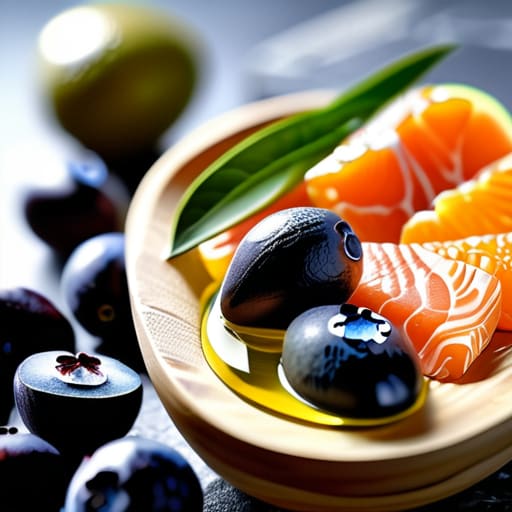
I still remember the stinging sensation of looking in the mirror after a night of over-exfoliating, my face feeling tight, angry, and completely betrayed by my own routine. I had spent so much money on high-end serums, thinking I could just “fix” my skin from the outside, but I was ignoring the foundation entirely. We’re constantly told that the secret to a glow is a more expensive bottle of acid, but the truth is much simpler and, frankly, a lot cheaper. If you want to actually repair that damaged layer, you have to start looking at skin barrier foods that support your body from the inside out.
I’m not here to sell you a complicated supplement regimen or a list of “superfoods” that cost a fortune at a boutique grocer. Instead, I want to share a straightforward, science-backed approach to eating that helps your skin find its natural calm. I’ve spent years learning through trial and error—and a fair amount of skin redness—so I can cut through the marketing noise for you. We are going to focus on nourishing, accessible ingredients that actually work, helping you build a resilient barrier without the stress of a twenty-step lifestyle change.
Table of Contents
Nourishing Your Glow With Essential Fatty Acids for Skin
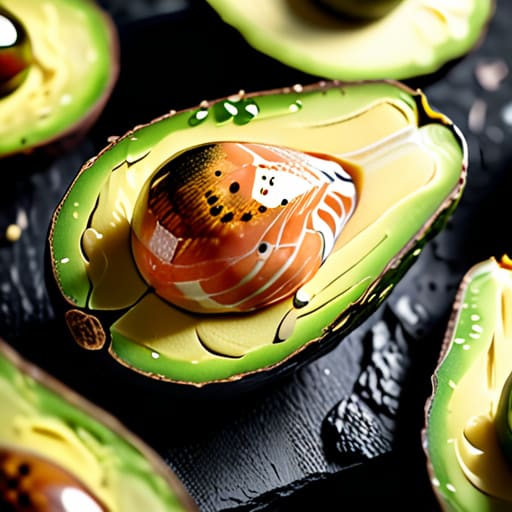
If there is one thing my years of skin mishaps taught me, it’s that topical creams can only do so much if your foundation is lacking. Think of your skin barrier like a brick wall; the cells are the bricks, but the fats are the mortar holding everything together. When we talk about essential fatty acids for skin, we’re really talking about the building blocks that keep that mortar flexible and strong. Without them, your skin starts to feel tight, flaky, and just plain reactive.
I’ve found that leaning into omega-3 rich foods for skin health has been a total game-changer for my own texture. I try to weave things like chia seeds, walnuts, or even a bit of wild-caught salmon into my week. These healthy fats work from the inside out to support the natural lipids that keep moisture locked in. It’s not about a sudden overhaul, but rather those small, consistent choices—like swapping a processed snack for some avocado—that help your skin find its natural, resilient calm.
The Magic of Ceramides in Diet for Lasting Resilience
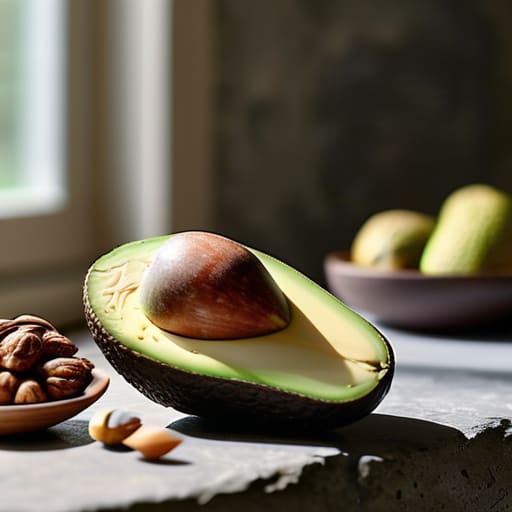
We often hear about ceramides in topical moisturizers—and don’t get me wrong, a good barrier cream is a lifesaver—but we rarely talk about how we can support them from the inside out. Think of ceramides as the “mortar” between your skin cell “bricks.” When these lipids are depleted, your skin starts to feel tight, flaky, and just plain reactive. By focusing on ceramides in diet, you’re essentially giving your body the raw materials it needs to rebuild that protective shield from the ground up.
I’ve found that leaning into omega-3 rich foods for skin health is one of the most effective ways to do this. Incorporating things like walnuts, chia seeds, or even a bit of salmon into your meals helps keep that lipid layer intact. It’s not about a quick fix; it’s about steady, consistent nourishment. When you prioritize these building blocks, you’ll notice that your skin doesn’t just look better on the surface—it actually feels more resilient and less prone to that midday tightness that used to drive me crazy.
Small Swaps for a Stronger, Calmer Barrier
- Don’t fear the healthy fats; try adding a few slices of avocado to your morning toast to get those essential lipids straight into your system.
- Swap your afternoon sugary snack for a handful of walnuts, which are packed with the kind of nutrients your skin barrier actually craves.
- Think about incorporating more colorful berries into your routine—the antioxidants act like a little protective shield against environmental stress.
- I’ve found that adding a bit of fatty fish, like salmon, just a couple of times a week makes a massive difference in how much “bounce” my skin has.
- Keep it simple with hydration; drinking enough water is basic, but pairing it with water-rich foods like cucumber helps keep your cells plump and happy.
My Simple Takeaways for a Calmer Skin Barrier
Focus on healthy fats like omega-3s to help your skin hold onto moisture, rather than just applying more creams.
Think of your food as the foundation; topical products work best when your body has the building blocks, like ceramides, to do its job.
Don’t overcomplicate it—small, consistent additions of nutrient-dense foods are much more effective than a sudden, stressful dietary overhaul.
## Feeding Your Barrier from the Inside Out
“After years of trying to fix my skin with aggressive serums and complicated routines, I finally realized that my barrier wasn’t just crying out for better products—it was hungry for real, nourishing fuel. True resilience starts on your plate, not just in your vanity cabinet.”
Neha Rajagopal
Finding Your Balance
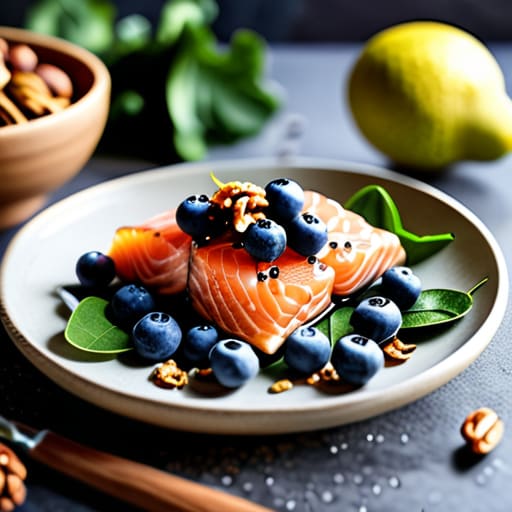
At the end of the day, feeding your skin barrier isn’t about achieving some unattainable, filtered perfection; it’s about giving your body the raw materials it needs to do its job. Whether you’re adding more omega-3s through salmon and walnuts or making sure you’re getting enough antioxidants and ceramides from whole, unprocessed foods, every small choice adds up. I’ve learned the hard way that you can’t just fix a damaged barrier with expensive serums alone if you aren’t supporting it from the inside out. It’s about consistency over complexity, focusing on those nutrient-dense building blocks that help your skin stay resilient and hydrated regardless of what the weather or your stress levels are doing.
If you’re feeling overwhelmed by all the conflicting advice out there, just take a breath and start small. You don’t need to overhaul your entire pantry overnight to see a difference. Think of your nutrition as a way to extend that sense of peace we talk about in our skincare routines—a way to nurture yourself from the inside. Skincare should never feel like a battle against your own body. Instead, let it be a gentle, intentional act of self-care that leaves you feeling grounded and comfortable in your own skin. You’ve got this, and your skin will thank you for it.
Frequently Asked Questions
Do I really need to eat these specific foods every single day to see a difference in my skin?
Honestly? No, you don’t need to be perfect. I used to think if I missed one “superfood” day, my skin would immediately rebel, but that’s just more unnecessary stress. Think of it more like a slow, steady rhythm rather than a strict rulebook. It’s about the cumulative effect of consistent, nourishing choices over weeks and months. Just aim for balance—your skin responds better to long-term kindness than to occasional perfection.
If I'm already using a ceramide-rich moisturizer, will eating more ceramides actually make a noticeable impact?
It’s a great question, and honestly, one I used to ask myself constantly. Think of it like this: your moisturizer is a topical bandage, while your diet is the actual building material. Using a ceramide cream is fantastic for immediate surface repair, but eating ceramides and healthy fats provides the internal “bricks and mortar” your body needs to build that barrier from the inside out. You’re essentially attacking the problem from both sides.
Are there any specific foods I should actually avoid if I'm trying to heal a damaged skin barrier?
While we’re focusing on what to add, it’s just as important to watch what we pull back on. If your barrier is feeling sensitive, I’d suggest scaling back on high-sugar snacks and highly processed foods. They can trigger inflammation, which is the last thing a compromised barrier needs. Think of it as giving your skin a little breathing room—less systemic stress means less work for your skin to do.
