I still remember sitting on my bathroom floor in my early twenties, staring at a red, stinging mess in the mirror after I’d gone way too hard with some harsh, alcohol-based astringent. I thought more was better, and I thought “skincare” meant punishing my face into submission. I was convinced that proper toner application required this intense, stinging ritual to “cleanse” my pores, when in reality, I was just wrecking my skin barrier for the sake of a trend. It took a lot of trial, error, and a very broken complexion to realize that most of the hype surrounding these products is just noise designed to make you feel like your routine is incomplete.
I’m not here to sell you on a ten-step process or a luxury bottle that costs more than my weekly grocery haul. Instead, I want to share the gentle, science-backed way I approach my morning ritual—the kind that actually works with your life, not against it. I promise to walk you through the simplest, most effective methods for toner application so you can stop stressing and start treating your skin with the kindness it deserves. No fluff, no expensive gimmicks, just honest advice to help you find your glow.
Table of Contents
The Truth About Ph Balancing Skincare

I remember when I first started diving into the science of my own skin, I was completely overwhelmed by terms like “acid mantle” and “alkalinity.” For a long time, I thought a stinging sensation meant the product was working, but in reality, I was just stripping away my protection. This is where pH balancing skincare actually becomes a game-changer. Our skin is naturally slightly acidic, and when we use harsh cleansers that disrupt that delicate balance, we end up with that dreaded tightness or unexpected breakouts.
Instead of seeing it as just another step, I’ve learned to view it as essential facial skin preparation. When you use a toner to reset your skin’s pH, you aren’t just adding moisture; you are essentially smoothing the way for everything else you apply. It makes your serums and moisturizers work much harder because they aren’t fighting an uphill battle against a compromised barrier. Think of it as realigning your skin’s natural defenses so it can actually stay healthy and resilient, rather than just looking temporarily “clean.”
Applying Toner With Cotton Pads or Hands

This is one of those debates that pops up in every skincare forum, and honestly, there’s no “wrong” way—only what feels best for your skin in the moment. If you’re someone who likes a bit of physical exfoliation, applying toner with cotton pads can be a game-changer. I used to do this every single morning, using the pad to gently sweep away any leftover residue from my cleanser. It feels like a deep clean, and it’s great if you’re using a formula designed to prep the skin for the next steps. Just be careful not to scrub too hard; remember, we’re aiming for gentle facial skin preparation, not an abrasive scrub.
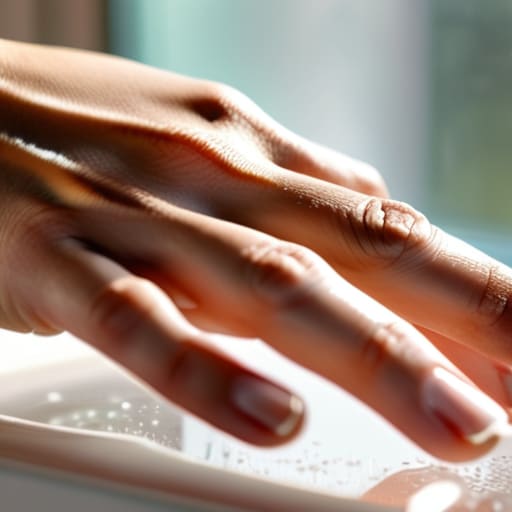
On the other hand, if you’ve been struggling with a compromised barrier like I was, I highly recommend skipping the pads entirely and using your hands. There is something so much more grounding about warming the product between your palms and pressing it directly into your face. This method allows you to maximize the hydrating toner benefits without wasting any product on a piece of cotton. It turns a quick step into a mini moment of self-care that feels much more intentional.
My Little Rituals: 5 Ways to Make Toner Work Harder for You
- Don’t wait for your skin to feel tight. I’ve learned the hard way that if your face feels “squeaky clean,” your barrier is already struggling. Apply your toner while your skin is still slightly damp from cleansing to lock in that moisture immediately.
- Treat your hands like a tool, not just a delivery system. If you’re using your hands, press the product gently into your skin rather than rubbing. It feels a bit more like a mini massage and helps the product sink in without causing unnecessary friction.
- Listen to your skin’s “volume.” On days when my skin feels extra sensitive or a little reactive, I skip the cotton pads entirely. The physical exfoliation from a pad can be too much when your barrier is already feeling thin.
- Layering is your secret weapon. If you’re dealing with those stubborn dry patches, try the “seven skin method” lite—just apply two or three thin layers of a hydrating toner instead of one heavy one. It’s much more soothing for a busy, stressed-out complexion.
- Keep it cool for an extra boost. I love keeping my soothing, milky toners in a tiny skincare fridge (or just the regular one). The cold sensation is such a grounding way to wake up my senses during my morning Lo-Fi ritual.
My Quick Guide to Making Toner Work for You
Whether you use a cotton pad for a quick sweep or your hands for a little extra hydration, the goal is to make the step feel seamless, not like another chore on your to-do list.
Don’t overthink the science—just focus on using toner to prep your skin so your serums and moisturizers can actually do their jobs more effectively.
Listen to your skin barrier; if a toner feels tingly or harsh, it’s okay to scale back and stick to the absolute basics.
## Finding Your Flow
“At the end of the day, toner shouldn’t feel like another task on your to-do list; it’s just a quiet, hydrating bridge between cleansing and treating your skin—a little moment of calm before the day really begins.”
Neha Rajagopal
Finding Your Own Flow
At the end of the day, whether you’re reaching for a cotton pad for a quick sweep or using your palms to press that hydration deep into your skin, the goal remains the same: feeling good. We’ve looked at why pH balance matters and how the method you choose can change the way your skin absorbs those precious ingredients. Remember, there is no “wrong” way to do this, as long as you are listening to what your skin is actually telling you. If your barrier feels sensitive, keep it simple; if you need a boost, lean into those hydrating layers. It’s all about finding that sweet spot between effective science and personal comfort.
I know how easy it is to get lost in the sea of complicated skincare rules, but please don’t let it become another source of anxiety in your busy life. Skincare shouldn’t feel like a test you’re constantly failing; it should be that quiet, Lo-Fi moment in your morning where you just breathe and reset. You don’t need a cabinet full of expensive tools to achieve a healthy glow. Just take a moment for yourself, apply your toner with intention, and remember that consistency beats complexity every single time. You’ve got this.
Frequently Asked Questions
Can I use toner if I have really sensitive or compromised skin?
Honestly, if your skin is feeling raw or stinging, the best thing you can do is hit the pause button. When my barrier was trashed from over-exfoliating, I learned that “more” isn’t better. If you must use something, skip the astringents and look for a milky, soothing toner with things like ceramides or centella. Think of it as a soothing drink for your skin, not a treatment. If it burns, wash it off immediately.
Does it matter if I apply my toner before or after my serum?
Think of your toner as the primer for everything else. You’ll want to apply it before your serum. Since I spent years messing up my barrier, I’ve learned that damp skin is much more receptive to treatment. Applying toner first preps your skin and helps that expensive serum sink in deeper rather than just sitting on the surface. It’s all about creating that smooth, hydrated base so your next steps can actually do their job.
Is it okay to skip toner if my cleanser is already very gentle?
Honestly? Yes, it is absolutely okay. If your cleanser is truly gentle and leaves your skin feeling soft—not tight or “squeaky”—you aren’t missing much. I used to think I needed that extra step to “fix” my skin, but after ruining my barrier years ago, I learned that less is often more. If your skin feels balanced and hydrated right after washing, feel free to skip the toner and move straight to your serum or moisturizer.
