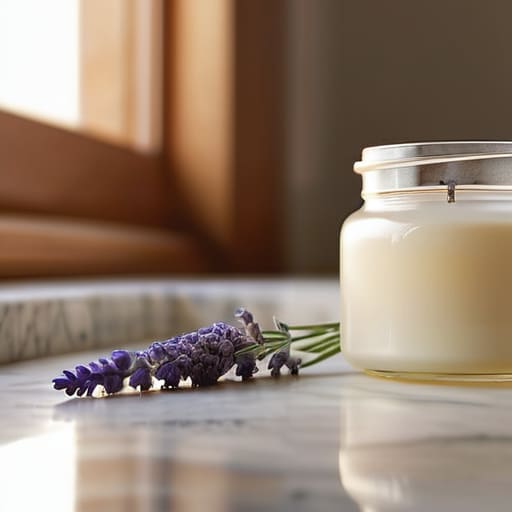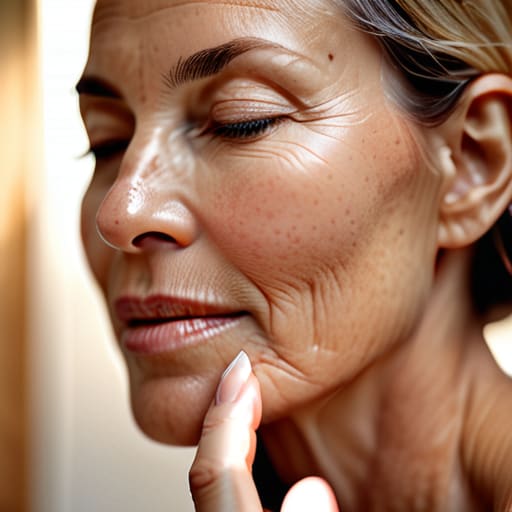
I still remember staring at my reflection in my bathroom mirror three years ago, my face stinging and red from a “holy grail” routine that was actually destroying me. I had fallen for the hype, thinking that more products meant better results, but all I really had was a compromised barrier and a lot of regret. We’ve been conditioned to believe that effective skin cleansing steps have to involve a dozen different bottles and a massive time commitment, but honestly? That’s just marketing noise designed to make you feel like your current routine isn’t enough.
I’m not here to sell you a complicated lifestyle or a shelf full of expensive serums you don’t actually need. Instead, I want to share the stripped-back, science-backed approach that finally helped me find my footing again. I’m going to walk you through the essential skin cleansing steps that actually respect your skin’s natural rhythm, focusing on gentle efficacy over complicated checklists. Let’s cut through the clutter and get back to the basics of what your skin actually requires to stay healthy, calm, and glowing.
Table of Contents
Mastering the Double Cleansing Method Without the Stress
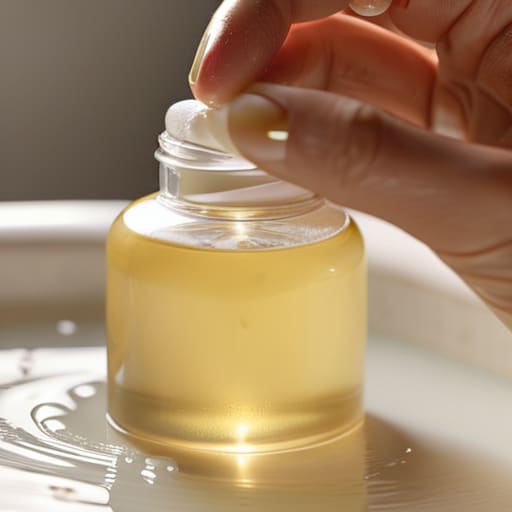
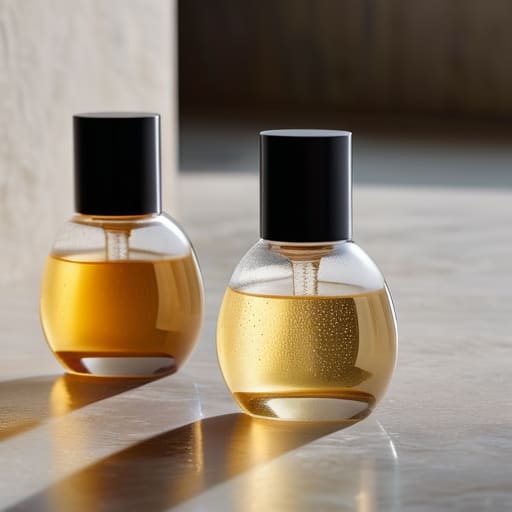
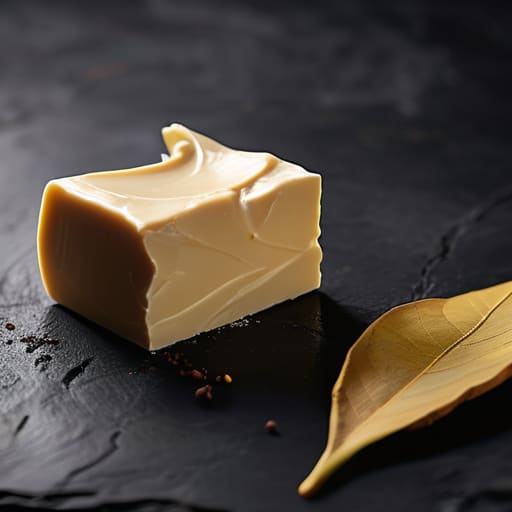
If you’ve ever felt like your face is still “filmy” even after a wash, you might need to embrace the double cleansing method. I used to think washing my face once was plenty, but after I accidentally compromised my skin barrier with harsh scrubs, I learned that a single pass often leaves behind more than it removes. Think of it as a two-act play: first, you use an oil-based cleanser or balm to break down the stubborn stuff—like SPF and long-wear foundation—and then you follow up with a gentle water-based wash to actually clean the skin itself.
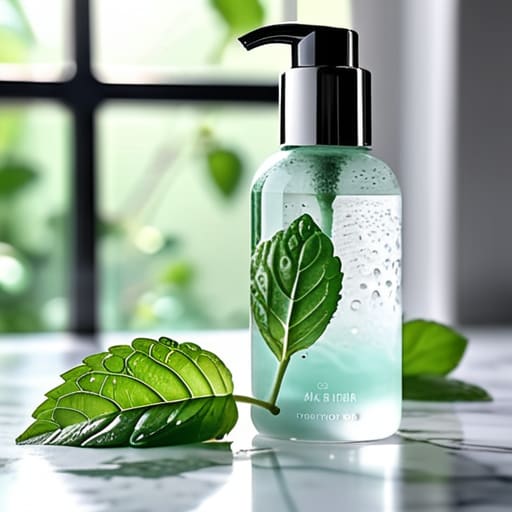
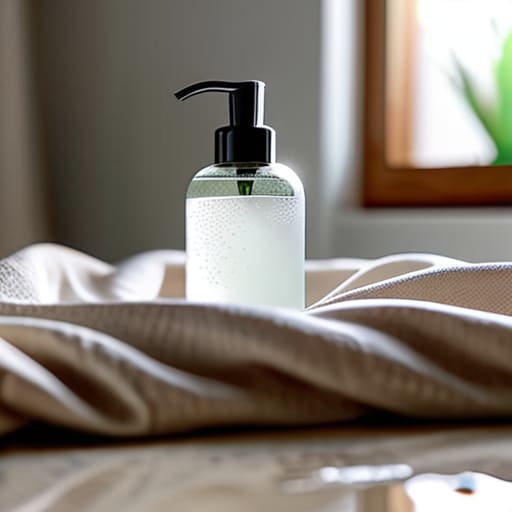
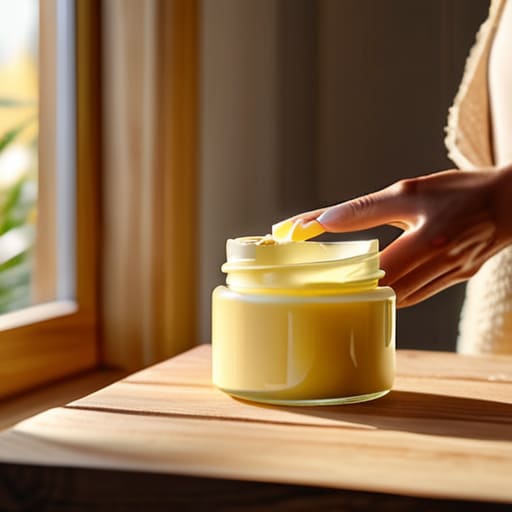
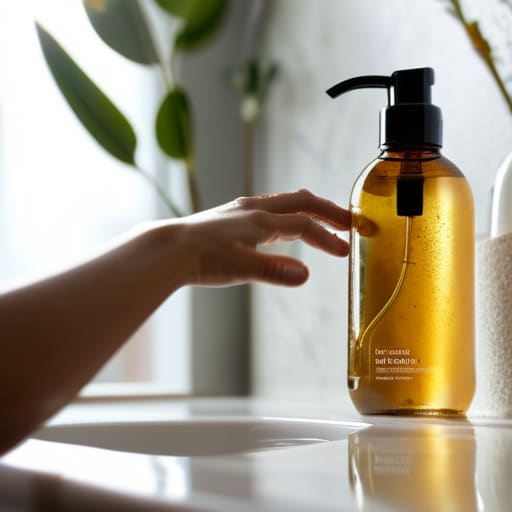
The secret to doing this without feeling overwhelmed is to keep your products simple. You don’t need a cupboard full of specialized serums; you just need the right facial cleanser types for your specific skin needs. I personally love starting with a lightweight cleansing balm that melts away the day, followed by a milky, non-stripping wash. This approach is incredibly effective for removing makeup and impurities without that tight, “squeaky clean” feeling that actually signals your skin is thirsty for moisture. It’s less about adding more steps and more about making the steps you do take more effective.
Removing Makeup and Impurities the Gentle Way

If you’re anything like me, the end of a long workday usually means you just want to melt into the couch, not spend twenty minutes scrubbing your face. But when it comes to removing makeup and impurities, the temptation to just grab whatever harsh wipe is nearby is real. I learned the hard way that those quick fixes are often the biggest culprits behind a compromised skin barrier. Instead of aggressive scrubbing, I’ve found that working with your skin’s natural texture is much more effective.
When choosing between different facial cleanser types, I always lean toward something that feels more like a treat than a chore. If you’ve used a heavy SPF or a full face of foundation, a gentle cleansing balm or oil is a game-changer. It allows you to massage away the day without tugging at your skin. It’s less about a rigorous scrubbing session and more about a mindful, soothing ritual that helps you transition from the chaos of the day into a calm evening. Just focus on being gentle; your skin will definitely thank you for it.
My Little Rules for a Calmer, Cleaner Routine
- Temperature matters more than you think. I learned the hard way that steaming hot water feels good in the moment, but it’s a total nightmare for your skin barrier. Stick to lukewarm water to keep your skin feeling calm and hydrated rather than stripped.
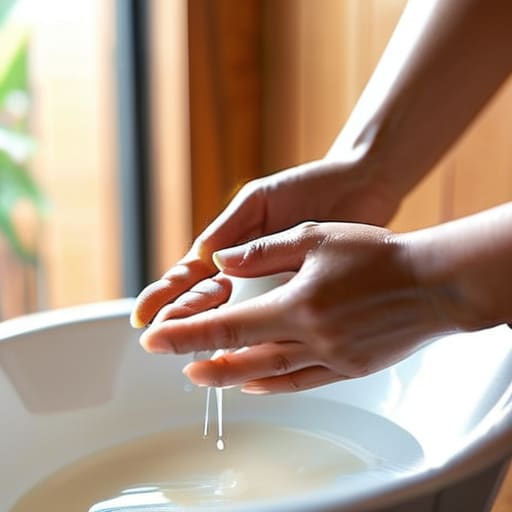
- Don’t rush the massage. Instead of scrubbing your face like you’re trying to clean a kitchen counter, use your fingertips in slow, circular motions. It turns a chore into a tiny moment of mindfulness—plus, it helps your cleanser actually do its job.
- Treat your towel like skincare. If you’re still using that crusty hand towel from the bathroom, please stop! I switched to dedicated, soft microfiber face cloths that I change frequently. It’s a small change, but it makes a massive difference in preventing breakouts.
- Listen to your skin’s “noise.” Some days your skin feels bouncy and resilient; other days, it feels tight and sensitive. On those “reactive” days, skip the exfoliating cleansers and just stick to a basic, creamy milk cleanser. There’s no shame in simplifying when your barrier needs a break.
- Pat, don’t rub. When you’re drying off, be incredibly gentle. Rubbing your face dry with a towel can cause micro-irritation that leads to redness. Just a soft patting motion is all you need to keep things gentle and irritation-free.
My Golden Rules for a Calmer Cleanse
Listen to your skin above all else—if your face feels tight or “squeaky clean” after washing, your cleanser is likely too harsh and is stripping your precious barrier.
Consistency beats complexity every single time; you don’t need a dozen different products to see results, just a few reliable ones that you actually enjoy using.
Make cleansing a ritual, not a chore, by turning those few minutes into a mindful moment of peace to help you reset for the day (or wind down for the night).
## Finding Peace in the Process
“We’ve been conditioned to think that more steps equals better results, but after years of stripping my own skin bare, I’ve learned that true radiance comes from a routine that respects your barrier, not one that battles it.”
Neha Rajagopal
Finding Your Rhythm
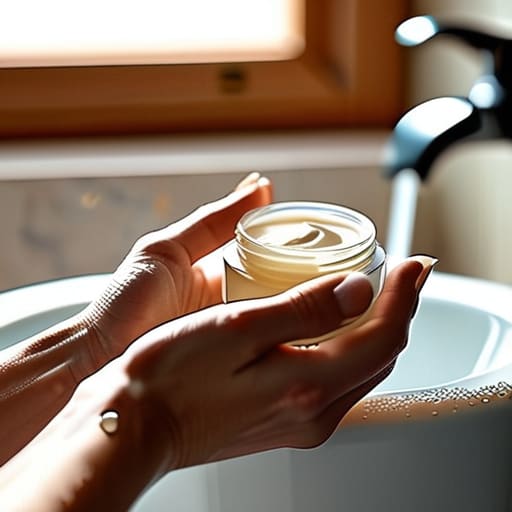
At the end of the day, mastering your cleansing steps isn’t about following a rigid, clinical checklist or buying every trendy product on the shelf. It’s about understanding that whether you’re opting for a thorough double cleanse or just a quick, gentle sweep to remove the day’s grime, the goal is the same: respecting your skin barrier. We’ve covered how to melt away makeup without stripping your natural oils and how to make sure those impurities are actually gone. Remember, if your skin feels tight, squeaky, or irritated after washing, you’ve gone too far. Consistency beats intensity every single time, so listen to what your face is telling you rather than what an influencer is telling you.
I know how easy it is to get lost in the noise of the beauty industry, but I promise you, you don’t need a complicated ritual to see real results. Skincare should be your quiet moment of peace—a way to ground yourself before the chaos of the day begins or as a way to exhale once the sun goes down. Treat your routine as an act of self-kindness rather than another chore on your to-do list. You deserve to feel comfortable and confident in your own skin, and sometimes, the most powerful thing you can do is keep it simple and keep it gentle.
Frequently Asked Questions
Do I really need to double cleanse every single night, or is that overkill for my skin type?
Honestly, it depends on what your skin is telling you. If you’re wearing SPF or makeup, I’d say yes—it’s the best way to ensure nothing is clogging your pores. But if you’ve had a light day with just moisturizer and a bit of sunscreen, a single, gentle cleanse is perfectly fine. Don’t let the “rules” stress you out; if your skin feels clean and balanced, you’re doing just fine.
Is it okay to use my gentle cleanser if I've just spent the day working in my herb garden and feeling a bit sweaty?
Oh, absolutely. Honestly, after a day of digging in the soil and feeling that post-garden sweat, your skin probably needs that reset more than ever. Don’t feel like you need to reach for something “heavy-duty” just because you’ve been active. A gentle cleanser is perfect for washing away the salt and grit without stripping your barrier. Think of it as a quick, calming rinse to bring you back to center.
How can I tell if my cleansing routine is actually stripping my skin barrier instead of helping it?
Honestly, I learned this the hard way. If your skin feels tight, “squeaky clean,” or looks a little shiny but feels parched right after washing, that’s a massive red flag. It usually means your cleanser is stripping away those essential lipids. You might also notice random patches of redness or even a sudden breakout of tiny bumps. If your skin feels reactive or itchy, stop. It’s your barrier’s way of screaming for a little kindness.