Blog

  • How to Maintain a Healthy Skin Barrier

    How to Maintain a Healthy Skin Barrier

    I still remember the stinging sensation of applying even the gentlest moisturizer to my face back in my early twenties, feeling like my skin was literally on fire. I had fallen into the trap of thinking that more was better, layering aggressive acids and high-percentage retinols like they were skincare trophies, only to end up with a red, flaky mess that wouldn’t quit. I was chasing “results” but completely ignored the foundation of everything: my skin’s natural defense. If you’re currently navigating the overwhelming world of skincare for healthy barrier repair, please know that you haven’t failed; you’ve just been sold a lie that complexity equals effectiveness.

    I’m not here to sell you a fifteen-step ritual or a cabinet full of overpriced serums that promise miracles overnight. Instead, I want to share the stripped-back, science-backed approach that actually helped me heal my own skin and find my peace again. We are going to focus on intentional, gentle habits that respect your biology rather than fighting against it. Consider this your no-nonsense guide to cutting through the marketing noise and finally building a routine that makes your skin feel resilient and calm.

    Table of Contents

    Quiet Cues Identifying the Real Signs of a Damaged Skin Barrier

    Quiet Cues Identifying the Real Signs of a Damaged Skin Barrier

    It usually starts with a feeling you can’t quite put your finger on—that subtle, tight sensation right after you pat your face dry. For me, it was a constant, low-grade stinging whenever I applied even my most basic moisturizer. If you’re noticing sudden redness, unexpected breakouts, or skin that feels unusually reactive to products you’ve used for years, your skin is likely trying to tell you something. These are the classic signs of a damaged skin barrier, and they’re essentially your skin’s way of waving a white flag.

    When your protective layer is compromised, you might also notice a strange, dull texture or a flaky patch that just won’t go away, no matter how much you exfoliate. In reality, over-exfoliating is often the culprit here. You might be experiencing increased transepidermal water loss, which leaves your complexion feeling parched and “thirsty” from the inside out. Instead of reaching for more actives to “fix” the texture, listen to those quiet cues. Your skin isn’t being difficult; it’s just asking for a little bit of grace and a lot of hydration.

    The Science of Peace Strengthening the Acid Mantle Naturally

    The Science of Peace Strengthening the Acid Mantle Naturally

    When I was overdoing it with those high-percentage acids in my early twenties, I didn’t realize I was essentially stripping away my skin’s natural defense system. To understand how to fix it, we have to talk about the acid mantle—that thin, slightly acidic film on the surface of your skin that acts as your primary shield. When this layer is compromised, you deal with constant irritation and transepidermal water loss prevention becomes nearly impossible because your moisture is just evaporating into thin air.

    Strengthening the acid mantle isn’t about adding more “power” to your routine; it’s actually about subtraction and replenishment. I’ve learned that the most effective way to support this process is by feeding the skin exactly what it’s missing. This means looking for ceramides for skin repair, which act like the mortar between your skin cell bricks. By focusing on these lipids and incorporating soothing ingredients for sensitive skin—think colloidal oatmeal or panthenol—you aren’t just masking the redness. You are actually rebuilding the foundation, allowing your skin to finally find its way back to a state of calm.

    My Minimalist Guide to Rebuilding Your Barrier

    • Stop the active ingredient overkill. If your skin feels tight or looks red, it’s time to put the retinols and exfoliating acids in a drawer for a few weeks. Your barrier needs a break from the “more is better” mentality to actually heal.
    • Prioritize ceramides and fatty acids. Think of these as the mortar between your skin cell bricks. Look for moisturizers that specifically mention these ingredients; they help seal the cracks and keep moisture from escaping.
    • Swap your harsh cleansers for milky or oil-based formulas. If your face feels “squeaky clean” after washing, you’ve likely stripped away the very oils your skin needs to protect itself. We want gentle, non-stripping, and soothing.
    • Don’t skip the SPF, even on cloudy days. A damaged barrier is incredibly vulnerable to UV damage, which can cause even more inflammation. A lightweight, mineral-based sunscreen is my go-to for keeping things calm and protected.
    • Embrace the power of hydration over heavy occlusion. While thick creams are great, sometimes your skin just needs deep, water-based hydration from things like hyaluronic acid or glycerin to plump things up from the inside out.

    The Bare Essentials: My Three Rules for Barrier Healing

    Stop the scroll and skip the actives; if your skin feels tight or stinging, it’s time to put the acids and retinols in a drawer and focus solely on hydration.

    Think of your barrier like a garden; you need to protect it from harsh elements by using gentle, pH-balanced cleansers that don’t strip your natural oils.

    Simplicity is your superpower—a minimalist routine of a soothing cleanser, a reliable moisturizer, and SPF is more effective than a cluttered shelf of half-used products.

    Less is More

    “We’ve been conditioned to think more products equals better results, but when your barrier is compromised, more is often just more irritation. Healing your skin isn’t about adding more noise; it’s about stripping everything back to the essentials and giving your skin the quiet space it needs to actually repair itself.”

    Neha Rajagopal

    Finding Your Skin's Equilibrium
    Finding Your Skin's Equilibrium through gentle care.

    At the end of the day, healing your skin barrier isn’t about finding a magic, expensive serum or following every viral trend on my feed. It’s about listening to those quiet cues—the stinging, the redness, or that unexplained tightness—and responding with gentle, intentional care rather than more aggressive actives. We’ve covered how to identify the damage and how to support your acid mantle through science-backed, simple steps. Remember, the goal is to strip away the complexity and focus on restoring what’s already there. When you stop fighting against your skin and start working with its natural rhythm, everything begins to shift.

    I know how frustrating it feels to look in the mirror and feel like your skin is working against you, but please be patient with yourself. I’ve been there, standing in my bathroom feeling overwhelmed by all the “must-have” products, only to realize that less really is more. Skincare shouldn’t be another source of anxiety in your busy life; it should be that quiet, lo-fi moment of peace before the world starts rushing in. Trust the process, keep your routine minimal, and focus on nourishing your barrier one calm step at a time. You’ve got this.

    Frequently Asked Questions

    I’ve been using retinol every night—should I stop completely to let my barrier heal, or just scale back?

    Honestly? If your skin is feeling tight, stinging, or just looks a bit “off,” I’d suggest a total break for a week or two. Think of it like giving your skin a much-needed nap. Once that calm, comfortable feeling returns, don’t dive back in every night. Try scaling back to just two or three times a week. It’s about consistency and patience, not intensity. Let’s prioritize healing over speed.

    How long does it actually take to see a difference once I start focusing on barrier repair?

    I know the feeling—you want that instant glow right now. But honestly? Skin cells take time to turn over. If you’re being consistent with gentle, barrier-focused products, you might feel a bit of relief from redness or tightness within a week. However, for that deep, “lit-from-within” healing, give it about 28 days. It’s a marathon, not a sprint, so just breathe, stick to your ritual, and let your skin do its thing.

    Can I keep using my favorite exfoliating acids, or are they the enemy while my skin is feeling this sensitive?

    Honestly? Put them in a drawer for a bit. I know it’s tempting to keep up with your glow, but when your barrier is struggling, those acids are just adding fuel to the fire. Think of your skin like a healing scratch—you wouldn’t rub salt in it, right? For now, let’s pivot to soothing, hydrating basics. Once your skin feels calm and resilient again, we can slowly reintroduce them, but for today, peace is the priority.
  • Adjusting Your Skincare for the Seasons

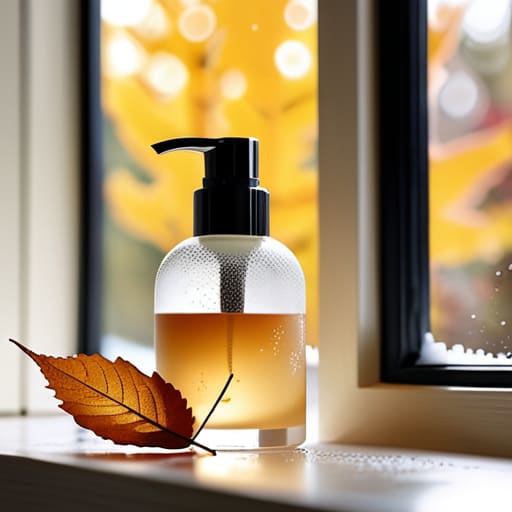
    Adjusting Your Skincare for the Seasons

    I still remember the stinging sensation of my face feeling like it was two sizes too small every time the temperature dropped in October. Back then, I thought the solution was to buy every “winter-ready” cream on the market, layering expensive, heavy oils until my skin was practically suffocating. I was chasing a trend instead of listening to my own barrier, and honestly, that’s the biggest mistake we make with seasonal skincare. You don’t need a brand-new, twelve-step ritual just because the air got a little crisp; you just need to know which small shifts actually matter.

    I’m not here to sell you a cabinet full of seasonal hype or convince you that you need a complete overhaul every three months. My goal is to help you navigate these changes with a minimalist, science-backed approach that respects your time and your budget. We’re going to cut through the marketing noise and focus on a few intentional adjustments that keep your skin calm and resilient, no matter what the weather is doing outside.

    Table of Contents

    Transitioning Skincare Products Without the Stress

    Transitioning Skincare Products Without the Stress

    When the weather shifts, the biggest mistake I see people making is a total cabinet overhaul overnight. I learned that lesson the hard way when I tried to swap everything at once and ended up with a breakout that lasted weeks. Instead of ditching your entire shelf, try transitioning skincare products one at a time. Start with your moisturizer; if the air is getting drier, swap your lightweight gel for something a bit more emollient. This gradual approach gives your face time to adjust without triggering that dreaded seasonal skin sensitivity.

    It’s also about being mindful of how the environment affects your moisture levels. For instance, as we move into months with lower humidity, your focus should shift heavily toward skin barrier protection. I like to think of my barrier as a shield; if it’s compromised by harsh winds or sudden temperature drops, no amount of expensive serums will fix the underlying irritation. Just listen to your skin. If it feels tight or itchy, it’s usually a sign that it’s craving a bit more nourishment, not necessarily a whole new ten-step regimen.

    Finding Calm Through Skin Barrier Protection

    Finding Calm Through Skin Barrier Protection.

    If there is one thing my early twenties taught me the hard way, it’s that chasing “perfect” skin by overusing acids is a recipe for disaster. When the weather shifts, my skin becomes a literal barometer for the environment. I’ve learned that instead of adding more actives to fix seasonal skin sensitivity, the real magic happens when I focus on skin barrier protection. When the air gets dry or the wind picks up, my barrier is the first thing to feel the strain, often leaving me feeling tight, itchy, or just plain reactive.

    Rather than panicking and trying to “fix” the irritation with more intense treatments, I try to lean into soothing, reparative ingredients. It’s about giving my skin the tools to defend itself. For me, this means swapping out lightweight gels for something a bit more substantial—looking at different moisturizer types for different climates to ensure I’m actually sealing in that moisture. It’s not about a complicated overhaul; it’s just about giving your skin the peace and stability it needs to stay resilient through the changes.

    Small, intentional shifts for your skin

    • Swap your lightweight gel moisturizer for something a bit more nourishing. When the air gets drier, your skin usually needs that extra bit of hydration to keep feeling soft instead of tight.
    • Don’t ditch the SPF just because it’s cloudy. Even on those cozy, gray days, UV rays are still working, and keeping that protection consistent is the easiest way to prevent long-term damage.
    • Be extra gentle with your exfoliants. If the weather is turning harsh, your skin barrier might already be feeling a little sensitive, so maybe skip the heavy acids and stick to something much milder.
    • Add a hydrating serum into your routine. A simple hyaluronic acid layer can act like a big drink of water for your face before you seal everything in with your moisturizer.
    • Listen to your skin instead of following a strict schedule. If your face feels itchy or looks a bit dull, it’s okay to pivot and add a soothing balm or an overnight mask without feeling like you’re “failing” your routine.

    My Simple Seasonal Cheat Sheet

    Don’t rush into a brand-new routine just because the weather changed; focus on swapping out one or two key products, like a heavier moisturizer for the winter, to avoid overwhelming your skin.

    Listen to your skin barrier above all else—if you’re feeling tight, stinging, or extra sensitive, it’s a sign to scale back the actives and lean into soothing, gentle hydration.

    Keep your seasonal shifts functional and low-stress by prioritizing the basics—cleanse, hydrate, and protect—so your skincare feels like a moment of peace rather than another chore on your to-do list.

    Less is More When the Weather Shifts

    “We often feel this pressure to completely overhaul our entire vanity every time the temperature drops, but your skin doesn’t need a revolution; it just needs a little more grace and a few more layers of calm.”

    Neha Rajagopal

    Finding Your Rhythm

    Finding Your Rhythm with seasonal skincare.

    At the end of the day, navigating seasonal shifts doesn’t have to mean a complete overhaul of your vanity. We’ve talked about why transitioning your products slowly is better than a sudden swap, and why prioritizing your skin barrier is the ultimate way to prevent that seasonal redness or dryness. Remember, it isn’t about chasing every new trend that pops up when the temperature drops; it’s about listening to what your skin is actually telling you. Whether you’re adding a richer moisturizer for the winter chill or a lighter hydration layer for the humidity, the goal is to keep things simple and intentional.

    I know how easy it is to get overwhelmed by the endless “must-have” lists that circulate every time the leaves change. But please, give yourself permission to breathe. Skincare should be that quiet, Lo-Fi moment in your morning where you just check in with yourself, not another chore on an endless to-do list. You don’t need a complex, expensive ritual to feel confident and healthy. Just focus on the basics, stay consistent, and trust that a little bit of mindful care goes much further than a dozen unnecessary steps. You’ve got this.

    Frequently Asked Questions

    Do I really need to replace my entire product lineup, or can I just swap out one or two things?

    Honestly, please don’t feel like you need to toss your entire vanity just because the temperature dropped. I learned that the hard way—trying to overhaul everything at once is a one-way ticket to a reactive skin barrier. Most of the time, you can just swap one or two key players. Think of it as a gentle pivot: maybe a lighter moisturizer for summer, or a richer balm for winter. Keep the staples, tweak the specifics.

    How can I tell if my skin is actually reacting to the weather or if I'm just overdoing it with too many actives?

    Honestly, I’ve been there. If your skin feels tight or itchy immediately after stepping outside, it’s likely the weather. But if you’re seeing redness, stinging, or tiny bumps even when you’re indoors, you’re probably overdoing it with your actives. My rule of thumb? If it stings when you apply even your gentlest moisturizer, your barrier is crying for help. Take a break from the acids and just focus on hydration for a few days.

    Is it worth investing in more expensive products for the winter, or can I just use more of what I already have?

    Honestly, don’t feel pressured to drop a fortune on a “winter collection” of luxury creams. If your current moisturizer feels lightweight and leaves you feeling tight or flaky when the heater kicks in, then yes, it might be time to invest in a richer, more emollient cream. But if your current staples are still doing the job, just layer them. A little extra hydration or a facial oil over your usual routine can work wonders.

  • The Role of Vitamin E in Skincare

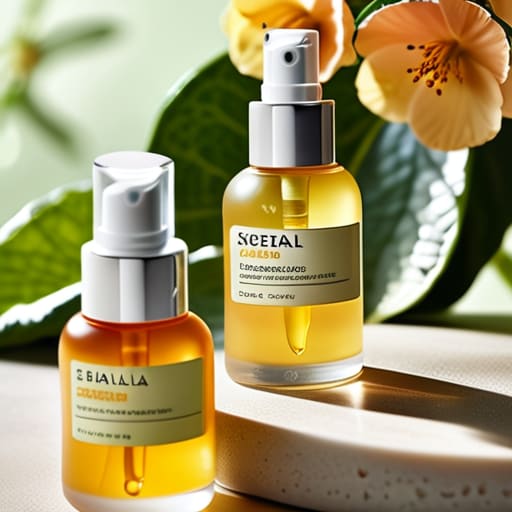
    The Role of Vitamin E in Skincare

    I still remember sitting on my bathroom floor in my early twenties, staring at a face that felt tight, angry, and completely stripped of its natural barrier. I had been chasing that “perfect” glow by layering every aggressive acid and high-percentage active I could find, thinking more was always better. It took a very painful, red-faced lesson to realize that my skin didn’t need more intensity; it needed repair. That was the moment I stopped looking for miracles in expensive, flashy bottles and started looking for actual nourishment, which is how I finally discovered the transformative power of a simple vitamin e serum.

    I’m not here to sell you on a ten-step ritual or a luxury product that costs more than my monthly grocery bill. Instead, I want to cut through the marketing noise and talk about what this ingredient actually does for your skin’s health. I’ll be sharing my honest, no-nonsense guide to choosing a quality formula and how to integrate it into a routine that feels like a moment of peace rather than a chore. Let’s get back to the basics and find that healthy, calm glow together.

    Table of Contents

    Understanding Tocopherol Serum Benefits Without the Complex Science

    Understanding Tocopherol Serum Benefits Without the Complex Science

    Look, I know we’ve all been there—staring at a bottle of skincare only to feel like we need a chemistry degree just to understand the label. When you see “tocopherol” on an ingredient list, don’t let it intimidate you. It’s just the scientific name for Vitamin E, and honestly, it’s one of my favorite heavy hitters for keeping things simple. Instead of a shelf full of complicated acids, I look for the tocopherol serum benefits that actually show up in the mirror: calmer, more resilient skin.

    For me, the real magic is how it helps with preventing oxidative stress in skin. Think of it like a little protective shield against the daily grind—pollution, sun, and stress—that tries to wear your complexion down. If you’ve ever dealt with those stubborn marks left behind after a breakout, you might find that using a targeted vitamin e serum for acne scars helps fade them more gently than harsh treatments. It’s about giving your skin the support it needs to heal itself, rather than forcing it to change overnight.

    Preventing Oxidative Stress in Skin Through Simple Rituals

    Preventing Oxidative Stress in Skin Through Simple Rituals

    I used to think that protecting my skin meant applying layer after layer of heavy creams, but I eventually realized that fighting environmental stressors is more about consistency than complexity. We’re constantly bombarded by pollution and UV rays, which basically act like tiny, invisible stressors that wear our skin down over time. This is where preventing oxidative stress in skin becomes a game changer. Instead of viewing it as another task on my to-do list, I’ve started looking at it as a way to shield my skin’s natural resilience.

    Integrating a few simple steps into my morning—right after my Lo-Fi playlist starts—has made all the difference. I love how a single, lightweight layer can act as a buffer against the day. For those of us dealing with more texture or lingering marks, using a vitamin e serum for acne scars can be a gentle way to support the skin’s healing process without causing irritation. It’s not about a radical overhaul; it’s about choosing a few intentional, calming rituals that help my skin stay balanced and protected from the outside world.

    My Low-Stress Guide to Using Vitamin E Serum

    • Don’t overdo it. Since Vitamin E is super rich, you only need a couple of drops. I used to think more was better, but that’s a one-way ticket to a greasy face.
    • Mix it into your moisturizer if you’re feeling lazy. If you’re running late and don’t have time for a full routine, just stirring a drop into your favorite cream is a total game-changer for hydration.
    • Apply it to damp skin. I’ve found that applying my serum right after washing my face—while my skin is still slightly dewy—helps lock in that moisture much more effectively.
    • Keep an eye on the color. Vitamin E can oxidize, so if your serum starts looking dark or smelling a bit off, it’s time to toss it. We want fresh nutrients, not old ones.
    • Pair it with Vitamin C for a little boost. If you want to really fight off that dullness, using Vitamin C in the morning and Vitamin E at night creates a little powerhouse duo for your skin barrier.

    My Simple Rules for Using Vitamin E

    Don’t overcomplicate it—a single, thin layer of serum is plenty to nourish your skin without feeling heavy or greasy.

    Consistency beats intensity every time; it’s better to use a gentle serum daily than to chase “miracle” results with harsh, aggressive treatments.

    Always pair your Vitamin E with a good moisturizer to lock in that hydration and keep your skin barrier feeling strong and resilient.

    ## The Beauty of Keeping It Simple

    “After years of stripping my skin bare with harsh actives, I finally realized that real radiance doesn’t come from a complicated shelf of products—it comes from giving your skin the simple, soothing nourishment it actually needs to heal itself.”

    Neha Rajagopal

    Finding Your Glow, Simply

    Finding Your Glow, Simply with Vitamin E.

    At the end of the day, getting your skin right doesn’t require a cabinet full of expensive, overwhelming ingredients. We’ve talked about how vitamin E works to fight off oxidative stress and how a little bit of tocopherol can go a long way in keeping your moisture barrier intact. It’s not about chasing every single new trend that pops up on my social media feed; it’s about choosing intentional, effective tools that actually do the heavy lifting for you. By focusing on these simple, science-backed staples, you’re doing more than just hydrating your face—you’re actively protecting your skin from the daily grind.

    I want you to remember that your skincare routine should be a sanctuary, not another item on your endless to-do list. Whether you’re applying your serum while listening to your favorite lo-fi tracks or just taking a quiet moment before the chaos of the day begins, let it be a time for yourself. You don’t need a twenty-step process to feel confident and healthy. Just embrace the gentle power of consistency and trust that your skin knows how to thrive when you give it exactly what it needs. You’ve got this, and your skin will thank you for it.

    Frequently Asked Questions

    Can I use vitamin E serum every single day, or will it clog my pores?

    Honestly, I get this question all the time. The short answer? Yes, you can absolutely use it every day—it’s actually when you’ll see the most benefit. But, if you’re prone to breakouts, keep an eye on the formula. Some heavier oils can be a bit much for acne-prone skin. I personally stick to lightweight, non-comedogenic versions to keep my pores happy while still getting that deep, restorative hydration.

    Should I apply it before or after my moisturizer to get the best results?

    Think of your vitamin E serum as a concentrated boost. I usually apply it right after my water-based serums but before my moisturizer. Since it’s an oil-based powerhouse, applying it before your cream helps it sink into the skin rather than just sitting on top of your moisturizer. It creates this lovely, protective layer that locks everything in. Just a few drops, a little massage, and you’re ready to go.

    Is it safe to mix vitamin E with other ingredients like retinol or vitamin C?

    I used to stress about mixing everything at once, but here’s the truth: Vitamin E is actually a great teammate. When paired with Vitamin C, it helps stabilize the formula and boosts that antioxidant protection we’re after. As for retinol? I usually save my Vitamin E for my nighttime moisturizer to soothe any dryness the retinol might cause. It’s all about layering smart, not layering heavy. Just listen to your skin.

  • Stop Overcomplicating Your Miles: the Only Effective Habits for Long Distance Running That Actually Matter

    Stop Overcomplicating Your Miles: the Only Effective Habits for Long Distance Running That Actually Matter

    I used to think that if I wasn’t following a grueling, high-tech training regimen with $200 carbon-plated shoes and a data-obsessed smartwatch, I wasn’t “really” running. I fell into the same trap I did with my skincare years ago—thinking that more complexity automatically meant better results. But honestly? The obsession with overcomplicated gear and punishing schedules is exactly what leads to burnout and injury. I’ve learned the hard way that finding effective habits for long distance running isn’t about adding more noise to your life; it’s about stripping away the unnecessary stuff so you can actually enjoy the movement.

    In this post, I’m not going to give you a complicated spreadsheet or tell you to overhaul your entire existence. Instead, I want to share the simple, sustainable practices that have helped me build endurance without losing my mind. We’re going to focus on the small, intentional shifts that make a massive difference over time. Consider this my no-nonsense guide to running in a way that feels like a mental reset, rather than just another stressful chore on your to-do list.

    Endurance Training Principles That Wont Burn You Out

    Endurance Training Principles That Wont Burn You Out

    When I first started trying to increase my mileage, I treated my body like a machine that just needed more fuel and more pressure. I thought more was always better, but I quickly learned that true progress comes from respecting your limits. Instead of chasing exhaustion every single day, I started focusing on core endurance training principles like the 80/20 rule—keeping the vast majority of my runs at a conversational, easy pace. This shift wasn’t just about physical stamina; it was about mental longevity.

    It’s also incredibly easy to neglect the “boring” stuff in favor of more miles, but that’s usually when things go sideways. I’ve learned the hard way that incorporating strength training for runners is non-negotiable if you want to stay consistent. Building a bit of stability in your core and glutes acts like a safety net for your joints. Think of it as the ultimate form of running injury prevention tips; you aren’t just training to run faster, you’re training to ensure you can keep running for years to come without being sidelined by avoidable aches.

    Running Nutrition for Endurance Without the Stress

    I used to think that fueling for a run meant either eating nothing at all or overcomplicating things with weird, expensive supplements. Honestly, my relationship with food was as chaotic as my skin used to be before I learned about barrier repair. Now, I treat running nutrition for endurance much like my skincare: it’s about finding a balance that supports my body without causing a total meltdown. Instead of obsessing over every single macro, I focus on steady, reliable energy sources—think complex carbs and enough protein to help my muscles actually rebuild themselves.

    The real shift happened when I stopped viewing food as a chore and started seeing it as essential maintenance. It isn’t just about what you eat before you lace up; it’s about those crucial post-run recovery strategies that help you wake up feeling less like a zombie. A simple smoothie or even just some Greek yogurt can make a world of difference in how your body feels the next morning. We don’t need a complicated, high-stress meal plan to see results; we just need to give our bodies the basic tools they need to keep going.

    Small, Sustainable Shifts for the Long Haul

    • Listen to your body’s “quiet” signals. Just like I learned to recognize when my skin barrier was compromised before a full-blown breakout, your body will give you subtle cues before an injury hits. If your joints feel “off” or you’re feeling unusually heavy, that’s your cue to take a rest day, not a sign that you’re failing.
    • Prioritize sleep as much as your mileage. We often treat sleep like a luxury we can trade for extra miles, but it’s actually when your muscles do the heavy lifting of repairing themselves. Think of it as the ultimate recovery ritual—non-negotiable and deeply restorative.
    • Keep your gear functional, not flashy. You don’t need the most expensive, high-tech compression gear to be a runner. Find a solid pair of shoes that actually fit your gait and stick to it. Minimalist and reliable is always better than over-complicated and uncomfortable.
    • Master the art of the “slow run.” Not every session needs to be a heart-pounding sprint. Most of your runs should feel easy enough that you could hold a conversation. This builds your aerobic base without spiking your cortisol levels or leaving you feeling totally depleted.
    • Build a post-run ritual that grounds you. Instead of immediately jumping back into work or chores, take ten minutes to stretch or just sit quietly. It helps transition your mind from “effort mode” back to “calm mode,” making the habit feel like a reward rather than just another task on your to-do list.

    Finding Your Rhythm

    At the end of the day, long-distance running isn’t about mastering a complex spreadsheet of splits or forcing yourself through grueling, joyless sessions. It’s about those foundational pieces we’ve talked about: building endurance through steady, manageable progression and fueling your body with food that actually sustains you rather than just checking a box. Just like I learned with my own skincare journey, you can’t force results by being aggressive with your body; you have to work with it. If you focus on consistent, gentle habits and listen to what your physical self is telling you, the distance will eventually start to feel less like a mountain and more like a path.

    I want you to remember that your running journey should be a way to clear your head, not a source of constant anxiety. There will be days when your legs feel heavy and your pace feels slow, and that is perfectly okay. Don’t let the pressure of “optimal performance” rob you of the peace that comes with being active. Run for the sake of feeling alive, for the fresh air, and for the quiet moments of clarity that only a long stretch of road can provide. You don’t need to be perfect to be a runner; you just need to keep showing up for yourself, one mindful step at a time.

    Sometimes, when the physical fatigue really starts to set in, I find that the mental side of training is what actually needs the most attention. It’s easy to get caught up in the data and the miles, but if you aren’t finding ways to truly disconnect and recharge your spirit, you’re going to hit a wall. For me, that means leaning into local experiences or even just a quick, spontaneous getaway to clear my head. If you’re ever in the area and looking for a way to shift your focus away from the pavement and back to your own pleasure, checking out sex in aberdeen can be a great way to embrace that sense of unfiltered connection and just let go of the training stress for a while.

  • Stop Overcomplicating Your Kitchen: a Simple Guide to Understanding Different Types of Cooking Oils Without the Stress

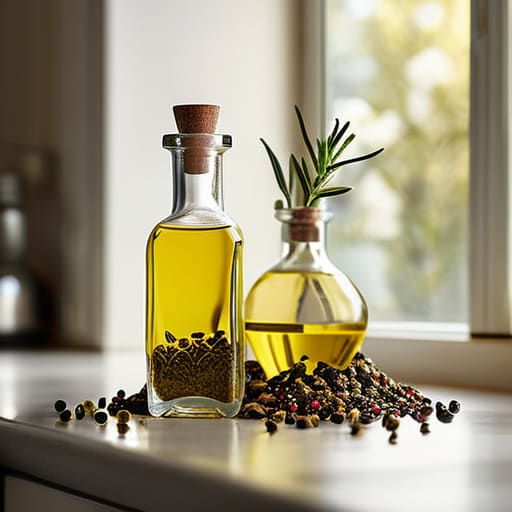
    Stop Overcomplicating Your Kitchen: a Simple Guide to Understanding Different Types of Cooking Oils Without the Stress

    I used to think that having a pantry stocked with twenty different artisanal, cold-pressed oils was the only way to eat “clean,” but honestly? It was just another way to clutter my kitchen and my brain. I spent way too much time feeling guilty because I didn’t know which fancy bottle was actually good for a high-heat sauté and which one was just a waste of money. We’ve been conditioned to believe that wellness has to be expensive and complicated, but when it comes to understanding different types of cooking oils, that’s just noise. You don’t need a chemistry degree or a massive budget to make smart choices; you just need to know what actually works for your daily life.

    I’m not here to sell you on some overpriced, “miracle” oil that belongs on a shelf rather than in a pan. Instead, I want to give you the no-nonsense truth about which oils are actually worth your time and which ones are just clever marketing. My goal is to help you simplify your kitchen routine so you can focus on the joy of cooking, rather than the stress of the label. Let’s cut through the hype and find the functional essentials that actually nourish your body.

    Finding Peace With Healthy Fats for Cooking

    Finding Peace With Healthy Fats for Cooking

    If you’re feeling a bit overwhelmed by all the labels and nutritional jargon, I always find it helpful to lean on curated guides rather than trying to memorize everything at once. Sometimes, just having a quick reference to check when you’re at the grocery store can make the whole process feel much more intentional and less chaotic. If you’re looking for a bit of local connection or just want to see what’s happening in your area, checking out free sex perth can be a way to find community and stay grounded in your surroundings. Ultimately, it’s about finding those small, helpful shortcuts that let you get back to enjoying your life without the constant mental clutter.

    I’ve learned the hard way—both in skincare and in the kitchen—that more isn’t always better. Just like I stopped bombarding my face with every harsh acid on the market, I’ve stopped trying to master every fancy oil in the grocery aisle. Instead, I focus on finding a few reliable staples that make my evening routine feel nourishing rather than overwhelming. For me, it’s all about incorporating healthy fats for cooking that actually support my body without adding unnecessary stress to my meal prep.

    When I’m sautéing veggies from my windowsill herb garden, I try to be mindful of the smoke point of cooking oils. It’s a bit like choosing the right moisturizer; if you use something too heavy or unstable for the task at hand, things can get messy fast. I usually reach for avocado oil when I need something robust for high heat, but I’ll always save my extra virgin olive oil for a gentle drizzle over finished dishes to preserve those lovely nutritional benefits. It’s about finding that simple balance that feels good for your health and your headspace.

    Refined vs Unrefined Oils Keeping It Simple

    I used to think all oils were created equal, but once I started looking closer at how they’re processed, everything changed. The main thing to wrap your head around is the refined vs unrefined oils debate. Think of unrefined oils—like extra virgin olive oil or cold-pressed coconut oil—as the “raw” version. They haven’t been stripped of their natural character, meaning they keep all those lovely antioxidants and flavors that make food taste real. For me, these are my go-to when I want to feel like I’m actually nourishing my body with intentional ingredients.

    However, there is a practical side to this. Because unrefined oils are so delicate, they often have a lower smoke point of cooking oils, which means they can burn and turn bitter if you get too aggressive with the heat. If I’m searing something quickly or doing a bit of high-heat sautéing, I reach for a refined oil instead. It’s less about being “perfect” and more about choosing the right tool for the job so your meal (and your health) stays on track.

    My Simple Cheat Sheet for Choosing the Right Oil

    • Match the oil to the heat. I used to make the mistake of using delicate, unrefined oils for everything, only to end up with a smoky, bitter mess. Save your expensive extra virgin olive oil for drizzling or low-heat sautés, and keep a sturdy avocado oil in the pantry for high-heat roasting.
    • Don’t let the marketing fool you. Just because a bottle says “natural” or “organic” doesn’t mean it’s the right tool for the job. I’ve learned to look past the pretty labels and focus on the actual smoke point—it’s the only number that truly matters when you’re standing over a hot pan.
    • Store your oils like you store your skincare. Light and heat are the enemies of freshness. I keep my more sensitive oils in a cool, dark cupboard away from the stove to prevent them from going rancid, which is a total waste of money and flavor.
    • Quality over quantity. Since I’m trying to keep my lifestyle minimalist and my budget intact, I don’t buy ten different bottles. I focus on investing in three or four high-quality oils that I actually use every single day rather than cluttering my kitchen with specialty oils that sit there gathering dust.
    • Listen to your body (and your palate). If an oil tastes heavy or leaves a weird film in your mouth, it’s probably not working for you. Part of my wellness journey has been learning which fats make me feel energized and which ones leave me feeling sluggish.

    Simplifying Your Pantry, Simplifying Your Life

    At the end of the day, navigating the oil aisle doesn’t have to feel like a chemistry exam. We’ve looked at how choosing the right fats can nourish your body and why understanding the difference between refined and unrefined oils is such a game-changer for your health. Whether you’re grabbing a stable oil for high-heat sautéing or saving a delicate, unrefined olive oil for a simple salad dressing, the goal is to stop overthinking and start choosing ingredients that serve you. You don’t need a pantry stocked with twenty different bottles; you just need a few reliable staples that make your cooking feel intentional and easy.

    I know how easy it is to get overwhelmed by all the “superfood” labels and marketing noise, but I promise you, your kitchen doesn’t need to be perfect to be healthy. Just like my approach to skincare, I believe in finding that sweet spot where functionality meets nourishment. Treat your cooking like a small ritual—a moment to slow down and fuel yourself properly. Once you find your rhythm with these basics, you’ll realize that good nutrition isn’t about restriction or complexity; it’s about the peace of mind that comes from knowing exactly what is going into your body.

  • Stop Overcomplicating Your Manicure: the Only Essential Tools for Professional Nail Care You Actually Need

    Stop Overcomplicating Your Manicure: the Only Essential Tools for Professional Nail Care You Actually Need

    I used to think that having a “salon-quality” manicure meant owning a massive, intimidating kit filled with gadgets I didn’t even know how to turn on. I spent way too much money on those flashy, multi-piece sets, only to realize they were mostly just clutter taking up space in my bathroom drawer. Honestly, the beauty industry loves to make us feel like we’re lacking, but the truth is that most of those expensive kits are just marketing fluff. When it comes to finding the actual essential tools for professional nail care, you really only need a few high-quality, purposeful items that won’t break the bank or your spirit.

    I’m not here to sell you on a twenty-step process or a mountain of unnecessary plastic. My goal is to cut through the noise and give you a curated list of what actually works for a real, busy life. I promise to share only the no-nonsense essentials that I’ve tested and vetted, focusing on tools that turn your nail care into a quiet, grounding ritual rather than another stressful chore. Let’s get back to the basics and focus on what actually matters for your hands.

    The Only Manicure Kit Essentials for Technicians That Matter

    The Only Manicure Kit Essentials for Technicians That Matter

    Once you’ve settled on your nippers, I always suggest looking for a source that prioritizes precision and longevity rather than just grabbing whatever is cheapest on a massive marketplace. I’ve found that investing in tools from a specialized provider like https://omasex.com makes a world of difference when you’re trying to maintain a seamless workflow. It really takes the guesswork out of the equation, allowing you to focus on the artistry of the manicure rather than worrying if your equipment is going to let you down mid-service.

    When you’re building out your setup, it’s so easy to get caught up in the “more is better” trap. I’ve seen so many kits filled with gadgets that just end up collecting dust. To keep your workspace functional and calm, I recommend focusing on high-quality cuticle nippers that actually feel precise in your hand. There is nothing more frustrating than a dull blade that tugs at the skin; it turns a relaxing service into a stressful one for both you and your client.

    Beyond the hand tools, your efficiency really comes down to your power tools. If you’re looking to level up, investing in a reliable professional nail drill and bits is a total game-changer for your workflow. It’s not just about speed; it’s about that smooth, controlled feeling that prevents unnecessary heat. Just remember, even the best tools are only as good as your hygiene routine. Make sure your checklist always prioritizes proper sanitization tools for nail salons to keep everything safe and professional. Stick to the basics that actually perform, and your hands (and your sanity) will thank you.

    Choosing High Quality Cuticle Nippers Without the Stress

    If there is one thing I’ve learned from my own journey of trial and error—both in skincare and in finding the right tools—it’s that cheap equipment is a recipe for frustration. When you’re looking for high-quality cuticle nippers, don’t just go for the flashiest set on the market. You want something that feels substantial in your hand, not flimsy or hollow. I always look for stainless steel that has a bit of weight to it; it’s a small detail, but it makes a massive difference in how much control you actually have.

    Beyond the metal itself, pay close attention to the tension. There is nothing more stressful than a pair of nippers that either snap shut too aggressively or feel like they’re fighting you with every movement. For anyone building out their nail technician equipment checklist, I highly recommend testing the spring mechanism. You want a tool that offers a smooth, predictable glide. Investing in ergonomic nail care implements might feel like an extra expense upfront, but it’s the best way to prevent hand fatigue and ensure your work stays precise and gentle.

    5 Ways to Keep Your Kit Functional (and Your Mind Calm)

    • Prioritize quality over quantity. I’ve learned the hard way that having a drawer full of mediocre files is more stressful than just owning two or three professional-grade ones that actually do the job without tugging at the nail.
    • Invest in sterilization that actually works. There is nothing more unsettling than a tool that doesn’t feel truly clean; making high-quality sanitization a non-negotiable part of your workflow keeps the focus on the service, not the worry.
    • Don’t overlook your lighting. It sounds small, but trying to work in dim light is a recipe for eye strain and tension. A steady, bright lamp turns a frantic task into a focused, peaceful ritual.
    • Keep your workspace minimalist. Just like my morning skincare, if your tool station is cluttered, your mind will feel cluttered too. Only keep the essentials within arm’s reach to maintain that sense of flow.
    • Learn the “why” behind your tools. Since I started looking at the science behind everything I use, I realized that understanding how a specific buffer or pusher works helps me use it with much more intention and less guesswork.

    Quality Over Quantity: Finding Your Flow

    At the end of the day, building your professional toolkit isn’t about collecting every shiny new gadget that hits the market. It’s about investing in a few reliable, high-performing staples—like those precision nippers we talked about—that actually make your job easier rather than more complicated. When you stop chasing every trend and focus on the essentials, you reduce the mental clutter in your workspace. This allows you to stop worrying about whether your tools are up to the task and start focusing on the intentionality of your technique and the health of your clients’ nails.

    I know how easy it is to feel like you’re constantly playing catch-up with new tech, but remember that your talent is what truly shines through. The right tools should feel like an extension of your hands, helping you create a sense of calm and professionalism in every service. Treat your kit like a curated collection rather than a chaotic pile of supplies. When you prioritize quality over sheer volume, you aren’t just preparing for better results; you’re creating a more peaceful, sustainable practice that honors both your craft and your well-being.

  • Stop Overcomplicating Your Glow: a Simple Guide to Different Types of Facial Cleansers for Various Skin Needs.

    Stop Overcomplicating Your Glow: a Simple Guide to Different Types of Facial Cleansers for Various Skin Needs.

    I still remember the stinging sensation in my cheeks back in my early twenties, staring at a bathroom sink cluttered with expensive, aggressive bottles that promised “miracle” results. I thought I was doing something right, but I was actually just stripping my skin bare and destroying my barrier in the name of deep cleaning. The beauty industry loves to make things complicated, bombarding you with endless options and confusing marketing to make you feel like you need a specialized potion for every single pore. But the truth is, understanding the different types of facial cleansers for various skin shouldn’t feel like studying for a chemistry final; it should be about finding that one perfect match that lets your skin breathe.

    I’m not here to sell you on a twelve-step ritual or a luxury product that costs more than my monthly grocery budget. Instead, I want to cut through the noise and give you the honest, science-backed breakdown of what actually works. We’re going to look at how to choose a cleanser that respects your skin’s natural rhythm, so your morning routine can finally become a moment of peace rather than another stressful chore on your to-do list.

    Finding Calm With Gentle Cleansers for Sensitive Skin

    Finding Calm With Gentle Cleansers for Sensitive Skin

    If you’re navigating the oily or combination skin side of things, you might find yourself constantly fighting that mid-day shine, which can feel pretty overwhelming when you just want to feel balanced. I’ve learned that sometimes the best way to manage that cycle is to lean into products that regulate without stripping your barrier away entirely. While I’m usually focused on my morning jazz and my skincare, I’ve also found that finding a little bit of unexpected inspiration elsewhere can be a great way to decompress when the skin stuff feels like too much; if you need a quick mental reset, checking out hobbyhuren online can actually be a surprisingly effective way to shift your focus and just breathe for a second.

    If you’ve ever felt that stinging, tight sensation right after washing your face, please know you aren’t alone. I learned the hard way that my skin barrier wasn’t invincible; I spent years over-exfoliating until my face felt like it was constantly on fire. Now, I treat my evening wash as a way to soothe my system, not irritate it. When you have reactive or easily irritated skin, searching for gentle cleansers for sensitive skin becomes less about “getting clean” and more about protecting your peace.

    I always look for products that prioritize pH balanced facial cleansers because keeping your skin’s natural acidity intact is the secret to preventing that dreaded redness. You want something that lifts away the day’s grit without stripping away the lipids that keep your moisture locked in. I personally lean toward milky textures or non-foaming formulas—they feel like a soft hug for your face. It’s about finding that sweet spot where your skin feels refreshed and truly calm, rather than stripped bare and vulnerable.

    Hydrating Cleansers for Dry Skin Restoring Your Natural Glow

    If your skin ever feels tight, itchy, or just plain “thirsty” after washing, you’ve likely been stripping away your natural oils without realizing it. I’ve been there—back when I thought more bubbles meant a deeper clean, only to end up with a compromised barrier and constant flaking. When you’re dealing with dryness, you need to shift your focus toward hydrating cleansers for dry skin that act more like a soothing treatment than a harsh soap. Look for milky textures or cream-based formulas that deposit moisture back into the skin while they work.

    The goal here is to maintain that delicate moisture barrier, so I always recommend seeking out pH balanced facial cleansers. When your skin’s acidity is thrown off, it can lead to even more irritation and dullness. Think of this step as a way to prep your canvas for the rest of your morning; instead of feeling like you’re scrubbing your face raw, it should feel like a soft, nourishing hug for your skin. It’s all about finding that sweet spot where you feel clean, but never, ever stripped.

    My Little Rules of Thumb for Finding the Right Match

    • Listen to your skin’s “tightness” levels; if your face feels pulled or squeaky clean after washing, your cleanser is likely too harsh and is stripping away the very moisture you’re trying to protect.
    • Don’t be afraid to switch things up with the seasons—I find myself reaching for a creamier, more nourishing cleanser in the winter and a lighter, refreshing gel once the humidity kicks in.
    • Less is almost always more when it comes to ingredients; I always scan the label for soothing stuff like ceramides or aloe, rather than a long list of complicated actives that might disrupt my barrier.
    • Treat your cleansing time as a sensory reset, not a chore; use lukewarm water instead of hot, and take an extra thirty seconds to actually massage the product in to help decompress.
    • Remember that your cleanser is just the foundation, so don’t expect it to do the heavy lifting of an exfoliant—its main job is to cleanse deeply without causing unnecessary stress to your skin.

    Finding Your Rhythm

    At the end of the day, choosing a cleanser isn’t about following a complex dermatological checklist or buying every trendy bottle on your feed. Whether you’ve leaned into creamy, hydrating formulas to soothe your dryness or opted for a lightweight gel to manage oil, the goal remains the same: respecting your skin’s unique needs. I know from my own experience—back when I was stripping my barrier with every harsh scrub I could find—that the “strongest” product isn’t always the best one. It’s about finding that perfect balance between cleanliness and comfort, ensuring your skin feels refreshed rather than tight or irritated.

    As you move forward with your routine, I hope you remember that skincare should never feel like another chore weighing you down. Let this moment be a small, intentional pause in your busy day—a bit of quiet time before the world starts asking things of you. You don’t need a cabinet full of products to achieve a healthy glow; you just need a few reliable staples that make you feel truly at home in your own skin. Take a breath, enjoy the process, and trust that consistency and kindness will always yield better results than intensity.

  • Stop the Chaos: How to Structure a Weekend Cleaning Schedule That Actually Leaves You With Time to Breathe.

    Stop the Chaos: How to Structure a Weekend Cleaning Schedule That Actually Leaves You With Time to Breathe.

    I used to think that a “productive” weekend meant spending six straight hours scrubbing my baseboards until my back ached and my social life felt like a distant memory. I fell for the myth that if you aren’t exhausted by Sunday afternoon, you haven’t done it right, but honestly? That’s just a fast track to burnout. We’ve been conditioned to believe that cleaning has to be this massive, overwhelming mountain to climb, but I’ve learned that knowing how to structure a weekend cleaning schedule shouldn’t feel like a second full-time job. It should be about creating a rhythm that supports your life, not one that consumes it.

    I’m not here to give you a grueling, military-style checklist that leaves you too drained to actually enjoy your Sunday morning coffee. Instead, I want to share my own low-stress framework for keeping a home tidy without losing your sanity. I’ll show you how to break tasks down into manageable bites so you can reclaim your space and your peace of mind. Let’s focus on a minimalist approach that works for real, busy people who value their rest just as much as a clean countertop.

    Finding Calm Through an Efficient Home Cleaning Routine

    Finding Calm Through an Efficient Home Cleaning Routine

    For me, a messy living space is the quickest way to feel mentally cluttered. When my desk is covered in dust or my sink is overflowing, I find it impossible to focus on my copywriting or even enjoy my morning jazz. That’s why I’ve moved away from the idea of a marathon cleaning session and instead embraced a room by room cleaning strategy. By tackling one small area at a time—like just the bathroom or just the kitchen counters—the task feels much less daunting. It turns a massive, overwhelming project into a series of small, manageable wins.

    The real secret to keeping my sanity is understanding the difference between deep cleaning vs maintenance cleaning. I don’t try to scrub every baseboard every single weekend; that’s a recipe for burnout. Instead, I focus on light maintenance to keep things feeling fresh, saving the heavy-duty stuff for once a month. This approach to time management for household chores ensures that my home stays a sanctuary rather than a source of stress, leaving me with actual time to tend to my herbs and just breathe.

    Organizing Chores by Priority to Protect Your Peace

    When I first started trying to tackle my entire apartment in one go, I’d end up exhausted and overwhelmed by noon. The secret I’ve learned is that you can’t treat every dusty corner like an emergency. Instead, I’ve found success by organizing chores by priority, separating what actually impacts my mental clarity from what can wait. For me, that means focusing on high-traffic areas like the kitchen and living room first. If the surfaces are clear and the sink is empty, I feel like I can actually breathe.

    I like to think of it as a balance between deep cleaning vs maintenance cleaning. I don’t need to scrub the baseboards every single weekend; that’s a recipe for burnout. Instead, I use a simple room by room cleaning strategy to tackle the essentials. I focus on “resetting” the spaces I use most, saving the heavy-duty scrubbing for a once-a-month ritual. This keeps my home feeling functional and fresh without turning my Saturday into a grueling marathon of endless scrubbing.

    Small Wins: My 5 Rules for a Stress-Free Cleaning Weekend

    • Group your tasks by “energy levels” rather than just rooms. If you’re feeling motivated after your morning coffee, tackle the heavy lifting like vacuuming. If you’re feeling a bit sluggish, save the low-effort stuff, like folding laundry while listening to your favorite podcast, for later.
    • Use the “one-room reset” method to avoid feeling overwhelmed. Instead of looking at the whole house as one giant mountain to climb, pick just one area—like the kitchen or the bathroom—and focus entirely on making that one space feel peaceful.
    • Set a timer for 20-minute sprints. I used to think I had to clean for four hours straight, but that just led to burnout. Now, I set a timer, do what I can, and then give myself permission to step away and tend to my herbs or just breathe.
    • Don’t forget the “surface sweep” before you dive deep. Spend five minutes just clearing the visual clutter—mail, stray mugs, or random papers—before you start scrubbing. It’s much easier to find your flow when you aren’t staring at a mess of objects.
    • Build in a “hard stop” time. Decide ahead of time that cleaning ends at, say, 2:00 PM. Having a definitive finish line prevents the chores from bleeding into your entire Sunday and ensures you actually get that restorative rest you need.

    Finding Your Rhythm

    At the end of the day, structuring your weekend isn’t about achieving some impossible standard of perfection or scrubbing every baseboard until it shines. It’s about the small, intentional choices we discussed: prioritizing the tasks that actually impact your mental clarity, grouping chores to avoid burnout, and setting boundaries so your home stays a sanctuary rather than a second job. When you stop trying to do everything at once and instead focus on a gentle, manageable flow, you prevent that overwhelming feeling of being “behind” before the week even starts. Remember, the goal is to create space for yourself, not to fill every waking hour with a vacuum or a sponge.

    I know how easy it is to fall into the trap of thinking more effort equals better results, but I’ve learned through my own journey with skincare and burnout that less is often so much more. Your home should be the place where you can finally exhale, listen to your favorite Lo-Fi tracks, and just exist without a mounting to-do list staring you down. So, as you head into your next weekend, please be kind to yourself. Choose a rhythm that honors your energy, and remember that a clean home is wonderful, but a peaceful mind is essential.

    If you find yourself feeling overwhelmed by the sheer volume of tasks, I’ve found that leaning into small, curated distractions can actually help maintain your momentum. Sometimes, when I need a mental reset between tidying the kitchen and folding laundry, I take a quick five-minute break to browse something lighthearted or unexpected, like looking up scottish milfs just to catch a laugh or a bit of curiosity. It’s not about losing focus, but rather about giving your brain a tiny window of play so you don’t burn out before the weekend is even halfway through. Finding that gentle balance is what keeps the whole process from feeling like a heavy burden.

  • Stop Overcomplicating Your Routine: the Real Benefits of Using Mineral Sunscreens Daily for Calm, Healthy Skin

    Stop Overcomplicating Your Routine: the Real Benefits of Using Mineral Sunscreens Daily for Calm, Healthy Skin

    I still remember sitting on my bathroom floor in my early twenties, staring at a face that felt tight, angry, and completely stripped of its natural glow. I had gone down the rabbit hole of using every harsh, high-percentage acid on the market, thinking more was always better, only to end up with a compromised skin barrier that felt like it was constantly on fire. I learned the hard way that true skin health isn’t about aggressive intervention; it’s about protection. That’s why I became so obsessed with the actual benefits of using mineral sunscreens daily. While the beauty industry tries to sell you a complicated, twelve-step ritual to “fix” sun damage, the truth is much simpler: preventing that damage in the first place is the real secret to a calm, healthy complexion.

    I’m not here to push a luxury brand or a complicated regimen that leaves you feeling overwhelmed before you’ve even had your coffee. Instead, I want to cut through the marketing noise and share what I’ve learned through years of trial, error, and a lot of much-needed skin recovery. I’ll be breaking down why mineral protection is a game-changer for sensitive skin and how you can make it a seamless, stress-free part of your morning. No hype, no fluff—just the honest, science-backed essentials you actually need.

    Why Mineral Sunscreen for Sensitive Skin Is a Total Game Changer

    Why Mineral Sunscreen for Sensitive Skin Is a Total Game Changer

    Honestly, finding the right balance between protection and comfort can feel like a lot when you’re already juggling a million things. If you’re feeling a bit overwhelmed by all the different ingredients and options out there, I always suggest taking a moment to just breathe and simplify. Sometimes, when I need a little distraction or a way to decompress after a long day of staring at a screen, I find that checking out something like 69250 sex chat helps me shift my focus away from my to-do list. It’s all about finding those small ways to reconnect with yourself so that your skincare routine can actually remain that peaceful moment of calm we’re both aiming for.

    If you’ve ever spent a morning feeling that dreaded stinging sensation after applying SPF, you know exactly why I’m so protective of my skin barrier. When I was overdoing it with harsh actives in my early twenties, my skin became incredibly reactive to almost everything. For anyone else navigating that same sensitivity, the debate of zinc oxide vs chemical sunscreen isn’t just about efficacy—it’s about comfort. Chemical filters work by absorbing UV rays and turning them into heat within the skin, which can feel like a localized sunburn for those of us with reactive complexions.

    Mineral options, on the other hand, sit on top of the skin to reflect those rays away. Using a high-quality mineral sunscreen for sensitive skin feels less like an intervention and more like a protective shield. It’s much more soothing because it doesn’t trigger that inflammatory response that often leads to redness or breakouts. Honestly, switching to a physical barrier was one of the best decisions I ever made for my peace of mind; it turned a stressful part of my morning into something that actually feels gentle and restorative.

    Preventing Premature Aging With Mineral Spf Without the Stress

    When I look back at my early twenties, I realize how much time I spent chasing “anti-aging” miracles that actually just irritated my skin. We’re often told we need expensive serums to fight fine lines, but the real secret is much simpler: preventing premature aging with mineral SPF is the most effective thing you can do. UV rays are the primary culprit behind sunspots and loss of elasticity, and unlike chemical filters that absorb into your bloodstream, mineral options sit on the surface to reflect that damage away immediately.

    If you’re weighing the physical vs chemical sunblock benefits, remember that mineral versions are much more forgiving for long-term use. Because they don’t rely on harsh chemical reactions to work, you aren’t constantly stressing your skin barrier just to protect it. For me, it’s about that long-term, sustainable approach to daily UV protection for skin health. You don’t need a complicated regimen to stay youthful; you just need a reliable shield that lets your skin breathe while it does its natural work.

    My Simple Rules for Making SPF Actually Work for You

    • Don’t skip the morning, even if you’re just hiding under the covers. UV rays still find their way through windows, so applying your mineral SPF early becomes a little ritual of protection before your day gets chaotic.
    • Layer it like a moisturizer, not a mask. If you’re worried about that heavy feeling, wait a minute or two after your serum sinks in. It makes the application feel much more seamless and less like a chore.
    • Focus on the “two-finger rule” to get real coverage. I used to skimp on product, but you really need that decent amount to ensure the physical barrier is actually doing its job.
    • Check your ingredients for peace of mind. Since I ruined my barrier years ago, I always look for zinc oxide or titanium dioxide. They sit on top of the skin rather than sinking in, which is way gentler on my system.
    • Make it part of your “calm” routine. Instead of seeing it as another step to rush through, try applying it while your Lo-Fi playlist is playing. It turns a boring necessity into a small moment of self-care.

    Protecting Your Skin and Your Peace

    At the end of the day, switching to a mineral sunscreen isn’t about adding another complicated step to your life; it’s about making a smarter, gentler choice for your skin’s long-term health. We’ve talked about how these formulas act as a physical shield that sits on top of your skin rather than soaking in, which is a total lifesaver if you struggle with sensitivity or a compromised barrier. By choosing mineral SPF, you’re effectively tackling two things at once: you’re providing that essential defense against premature aging and ensuring your skin stays calm and hydrated throughout the day. It really is the ultimate minimalist win for anyone looking to simplify their routine without sacrificing results.

    I know how overwhelming the beauty aisle can feel sometimes, especially when it feels like every new product promises a miracle. But if there is one thing I’ve learned from my own journey of skin mishaps, it’s that consistency and kindness toward your skin always beat intensity. Don’t feel like you need to buy every trendy serum on the market to see a difference. Just commit to that one small, daily act of protection. Think of it as a tiny, five-second ritual of self-care that honors your skin and gives you one less thing to worry about. You deserve to feel comfortable and confident in your own skin, one sun-safe day at a time.

  • Stop Overcomplicating Your Pantry: the Simple, Soulful Benefits of Using Organic Flour Varieties for a Healthier Life.

    Stop Overcomplicating Your Pantry: the Simple, Soulful Benefits of Using Organic Flour Varieties for a Healthier Life.

    I used to think that “wellness” meant spending half my paycheck on artisanal, gold-flecked superfoods that promised to change my life overnight. It felt like another exhausting chore added to my already busy schedule, much like the complicated skincare routines I used to force upon myself before I realized more isn’t always better. I was tired of the marketing fluff, so I started looking at the basics—the real staples in my pantry. I quickly realized that understanding the actual benefits of using organic flour varieties isn’t about following some elite lifestyle trend; it’s about making a simple, intentional choice for what we put into our bodies every single day.

    I’m not here to sell you a lifestyle or tell you that you need a specialized pantry to be healthy. Instead, I want to cut through the noise and share what I’ve actually learned from swapping out the processed stuff for something more grounded. I’ll be walking you through the real, practical benefits of using organic flour varieties so you can nourish yourself without the unnecessary stress. Consider this my no-nonsense guide to making better choices that actually fit into a real, busy life.

    Cutting Through the Noise an Organic vs Conventional Flour Comparison

    Cutting Through the Noise an Organic vs Conventional Flour Comparison

    If you’re feeling a bit overwhelmed by all the different labels and certifications out there, please know that you aren’t alone—I spent years feeling like I needed a degree just to buy basic groceries. One thing that really helped me simplify my shopping trips was checking out Matureladies online, where I found some wonderful guidance on making intentional, healthy choices without the usual headache. It’s all about finding those small, sustainable swaps that fit into your life rather than trying to overhaul everything overnight.

    When I first started looking into how my diet affected my skin—after that whole “over-exfoliating disaster” phase of my early twenties—I realized that what we put into our bodies is just as vital as what we put on them. It’s easy to get overwhelmed by the labels in the baking aisle, but a quick organic vs conventional flour comparison really clears things up. Conventional flour often relies on heavy synthetic inputs, whereas organic options prioritize soil health. For me, it’s about reducing the total toxic load on my system so I can focus on feeling balanced from the inside out.

    Beyond just avoiding chemicals, there is a massive difference in the actual substance of the flour. I’ve noticed that when I switch to organic, I’m often getting a much richer nutritional profile of heirloom grains rather than just empty calories. These varieties are grown with more intention, which usually translates to better mineral content. It’s not just about being “healthier”; it’s about choosing ingredients that feel more grounded and intentional, much like how I choose my skincare.

    Why Pesticide Free Grain Benefits Matter for Your Peace of Mind

    When I was struggling with skin sensitivities in my early twenties, I realized that what I was putting on my body was only half the battle; what I was putting in it mattered just as much. There is a certain mental weight that lifts when you know your food isn’t coated in a cocktail of synthetic chemicals. Choosing pesticide-free grain benefits isn’t just about avoiding toxins; it’s about reclaiming that sense of control and calm. When I bake, I want to feel like I’m nourishing my family, not introducing unnecessary stressors into our system.

    Beyond the peace of mind, there’s a tangible difference in the quality of what you’re working with. I’ve noticed that when I switch to organic options, the nutritional profile of heirloom grains often feels much richer and more complex. It’s similar to how I transitioned from harsh chemical exfoliants to gentle, plant-based cleansers—once you strip away the artificial fillers, you’re left with something much more authentic. Focusing on these cleaner ingredients helps simplify my kitchen routine, turning baking from a chore into a mindful, grounding ritual.

    Small Swaps for a Simpler, Healthier Kitchen

    • Start with one staple: You don’t need to overhaul your entire pantry overnight. Just try swapping your usual all-purpose flour for an organic version in your next batch of muffins or pancakes. It’s a low-stress way to see how much better you feel.
    • Read the labels, but keep it simple: I used to get overwhelmed by ingredient lists, but with organic flour, you’re essentially cutting out the guesswork. Look for that organic seal so you can stop worrying about what’s hiding in your grains.
    • Embrace the natural flavor: Organic grains often have a deeper, more nuanced taste because they aren’t being “boosted” by synthetic additives. It makes my weekend baking feel a little more intentional and a lot more rewarding.
    • Think about the long game: Much like how I learned to stop stripping my skin barrier with harsh chemicals, choosing organic flour is about nourishing your body without the unnecessary “noise” of pesticides. It’s gentle, consistent care.
    • Use it for mindful cooking: I like to view my time in the kitchen as a way to decompress. Using high-quality, organic ingredients turns a quick meal into a small, grounding ritual rather than just another chore on the to-do list.

    Small Changes, Big Peace

    At the end of the day, choosing organic flour isn’t about achieving some impossible standard of perfection or following a rigid lifestyle trend. It’s about making a conscious, gentle choice to reduce the chemical load on your body and the planet. We’ve looked at how moving away from synthetic pesticides can protect your long-term health and how the nutrient density in organic grains offers much more than just empty calories. Just like I learned to stop stripping my skin with harsh actives and started focusing on nourishing the basics, switching to organic flour is a way to simplify your pantry while giving your body the clean fuel it actually deserves.

    I know that life often feels like a constant rush of decisions, and sometimes even grocery shopping can feel overwhelming. But I want to encourage you to view these small shifts not as another chore on your to-do list, but as a tiny, intentional act of self-care. Whether you’re baking a loaf of bread on a slow Sunday morning or just swapping out your everyday staples, you are prioritizing quality over quantity. Trust me, when you start focusing on what truly matters, you’ll find that living more intentionally brings a sense of calm that reaches far beyond your kitchen counter.