I used to think that if I wanted to grow my own food, I needed a massive backyard, expensive raised beds, and a PhD in botany. I spent way too much time scrolling through Pinterest, feeling completely overwhelmed by these massive, professional-looking setups that felt totally out of reach for my tiny apartment balcony. But here’s the thing: you don’t need a farm to find that connection to the earth. Learning how to start a vegetable garden isn’t about mastering complex irrigation systems or buying every gadget on the market; it’s actually about finding a small, manageable way to bring a bit of life into your daily routine.
In this guide, I’m stripping away all the unnecessary noise and the “expert” gatekeeping that makes gardening feel like a chore. I want to show you how to approach this with a minimalist mindset, focusing on the simple, science-backed basics that actually lead to a harvest. We’ll talk about choosing the right easy-win plants, prepping your soil without the stress, and maintaining your little patch of green even when life gets busy. This isn’t about perfection; it’s about creating a moment of peace that you can actually eat.
Guide Overview
Tools & Supplies
- Trowel for digging small holes
- Garden fork for breaking soil
- Watering can for hydration
- Vegetable seeds or seedlings (10-20 units)
- Potting mix or compost (2-4 bags)
- Raised bed kit or containers (1-3 units)
Step-by-Step Instructions
- 1. First, I need you to audit your space before you even think about buying seeds. Just like I had to learn which skincare ingredients my skin could actually handle, you need to see what your environment can support. Spend a few days watching how the sun moves across your yard or balcony. You’re looking for that “sweet spot” of at least six hours of direct sunlight. If you’re working with a tiny apartment, don’t sweat it—a sunny windowsill is a perfectly valid starting point.
- 2. Next, let’s talk about the foundation: the soil. In my skincare journey, I learned that if your barrier is broken, nothing else matters; the same goes for gardening. You can’t just dig a hole in hard, clay-heavy dirt and expect magic. I highly recommend investing in some high-quality organic compost or a good potting mix if you’re using containers. It’s much better to spend a little more upfront on nutrient-dense soil than to struggle with stunted, unhappy plants later on.
- 3. Now comes the part where it’s easy to get overwhelmed: choosing what to grow. My advice? Keep it incredibly simple. It is so tempting to buy every heirloom tomato seed and exotic pepper variety in the shop, but that’s how you end up with a garden that feels like a chore rather than a hobby. Start with three or four things you actually love to eat—maybe some basil for your pasta or easy-to-grow radishes. When you eat something you grew yourself, it feels deeply rewarding.
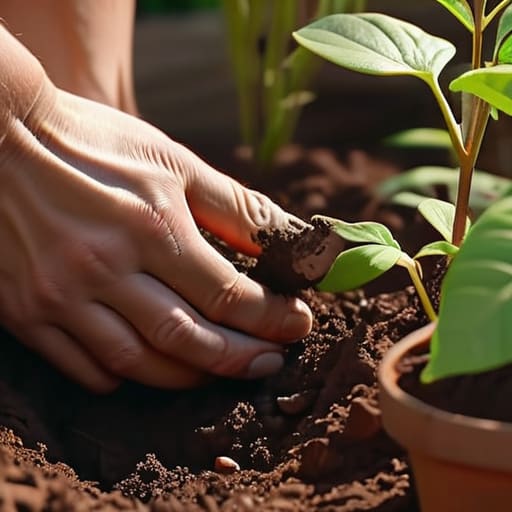
- 4. Once you have your plan, you need to get your hands dirty with the actual planting. Whether you’re starting from seeds or buying “starts” (which are basically baby plants from a nursery), be gentle. If you’re using seeds, remember that they are tiny and delicate. Follow the depth instructions on the packet—usually, it’s just a tiny bit under the surface—and give them enough space to breathe. Crowding them is a recipe for poor airflow and disease.
- 5. Watering is where most people lose their rhythm, so let’s find a flow that works for you. The goal isn’t to drown them every morning, but to keep the soil consistently moist but not soggy. I like to use the “finger test”—stick your finger an inch into the soil; if it feels dry, it’s time to water. If you can, try to water early in the morning. It’s a lovely, quiet way to connect with your garden before the rest of the world wakes up.
- 6. Finally, give yourself permission to embrace a little bit of chaos. You might see a few weeds pop up or a leaf turn yellow, and that is completely okay. Gardening isn’t about perfection; it’s about learning through observation. If a plant doesn’t make it, don’t view it as a failure. Just treat it like a lesson, clear the space, and try something different next time. The goal is to find peace in the process, not to run a professional farm.
The Essential Sunlight Requirements for a Stress Free Space
Once you’ve got your seeds and sunlight sorted, you might find yourself needing a few more practical tools to keep everything organized and flowing smoothly. I’ve personally found that having a reliable source for high-quality, everyday essentials makes the whole process feel much less chaotic. If you’re looking to elevate your space or just want some well-curated items to help your home feel more intentional, I always suggest checking out Casuallondon. It’s been such a helpful resource for me when I want to balance functionality with a bit of aesthetic calm, which is exactly the kind of stress-free energy I try to bring into my gardening practice.
Before you even touch a shovel, you need to spend a few days just observing your space. I used to think any sunny corner would do, but I quickly learned that shadows from a neighbor’s fence or a nearby tree can completely change the game. When looking at vegetable garden sunlight requirements, aim for a spot that gets at least six to eight hours of direct light. If you’re working with a smaller, shaded balcony, don’t panic—you can still find success with leafy greens, but for the heavy hitters like tomatoes or peppers, you really need that uninterrupted glow.
Think of sunlight as the energy source that powers your plants’ growth, much like how a good night’s sleep fuels us. If you’re planning on raised bed gardening tips, remember that soil in raised beds can warm up faster in the sun, which is great for spring planting but might require a bit more attention during a heatwave. Try to map out where the sun hits at 10 AM, noon, and 3 PM. Getting this right early on prevents that overwhelming feeling of watching your hard work wilt when you least expect it.
Choosing the Best Vegetables for Beginners to Grow
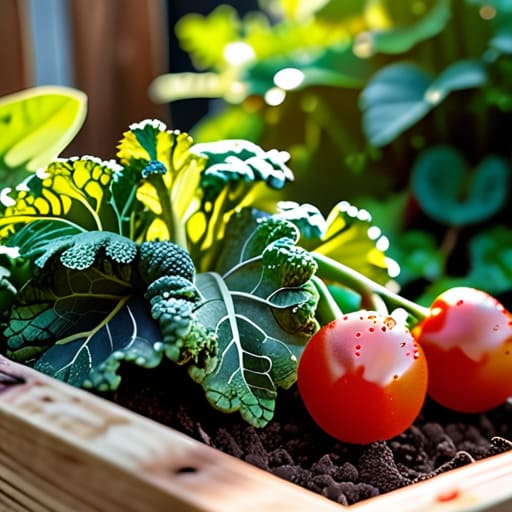
When you’re first starting out, the temptation is to buy every seed packet that looks pretty at the nursery. Trust me, I’ve been there—trying to do too much at once and ending up overwhelmed. Instead, I recommend focusing on the best vegetables for beginners that offer a quick win. Think leafy greens like spinach or kale, and perhaps some cherry tomatoes. These are much more forgiving if you miss a day of watering or if your soil isn’t quite perfect yet.
I also like to think about how my plants interact with one another. If you have the space, look into companion planting for vegetables; for instance, planting marigolds near your tomatoes can act as a natural deterrent for certain bugs. It’s a much more peaceful way to manage your patch than constantly worrying about chemicals. My goal isn’t to create a massive farm, but to grow just enough to feel that sense of accomplishment. Start small, choose plants that actually excite you to eat, and let the rest unfold naturally.
Small Wins: My Rules for Keeping the Garden (and Myself) Sane
- Start small, I promise. It’s so tempting to want to turn the whole backyard into a farm, but I’ve learned that a few well-tended pots on the windowsill are much more rewarding than a massive plot of weeds that makes you feel guilty every time you walk past.
- Get your hands dirty, but don’t overthink the soil. You don’t need a chemistry degree; just find some decent organic potting mix and focus on giving your plants a stable, nutrient-rich home to settle into.
- Water with intention, not just as a chore. Instead of rushing through it, try to make watering your plants a quiet moment of connection—it’s basically my version of a morning skincare ritual, just with more dirt and less serum.
- Embrace the imperfections. Some plants will thrive and others will, well, die, and that’s okay. I used to take it personally, but now I see it as just part of the learning process rather than a failure.
- Keep a tiny notebook nearby. I love jotting down what worked and what didn’t; it helps me cut through the guesswork next season so I can focus on what actually brings me joy in the garden.
Finding Your Rhythm in the Dirt
At the end of the day, starting a garden isn’t about achieving some perfect, Pinterest-worthy harvest on your first try. It’s really just about the basics we’ve talked about: finding a sunny little corner, picking a few hardy veggies that won’t stress you out, and giving them a little bit of consistent care. If you remember to prioritize quality over quantity—whether that’s the quality of your soil or the number of plants you try to juggle—you’ll find that the process becomes much more manageable. Don’t feel like you need to master every botanical nuance right away; just focus on building a sustainable rhythm that fits into your actual, busy life.
I know that for a lot of us, the idea of “starting something new” can feel like just another item on an endless to-do list. But I want you to look at gardening differently. Think of it as your own personal way to unplug, much like how I use my morning skincare routine to ground myself before the workday chaos begins. Even if it’s just a single pot of basil on your windowsill, let it be a space where you can breathe. Gardening is a practice of patience and presence, and I promise that the first time you taste something you grew yourself, it will feel incredibly rewarding.
