
I still remember the stinging sensation of my face feeling like it was on fire after a night of over-exfoliating with every trendy, high-percentage acid I could find. I was in my early twenties, convinced that if it didn’t burn, it wasn’t working, and I ended up completely wrecking my moisture barrier. That painful lesson in skin sensitivity taught me that more isn’t always better; sometimes, more is just more irritation. I spent months hiding behind heavy concealers, feeling totally disconnected from my own reflection because I was so focused on “fixing” things that I was actually breaking them.
I’m not here to sell you a twelve-step ritual or a collection of overpriced, fragranced serums that promise miracles but deliver redness. Instead, I want to share what I’ve learned about stripping things back to the essentials that actually soothe and protect. We’re going to cut through the marketing noise and focus on a minimalist approach that respects your skin’s natural rhythm. My goal is to help you find that calm, steady ground again, so your routine feels like a moment of peace rather than another stressful chore on your to-do list.
Table of Contents
Identifying Skin Triggers to Quiet the Irritation

Before we can fix the problem, we have to figure out what’s actually causing the flare-ups. For me, it wasn’t just one thing; it was a slow build-up of too many acids and not enough rest. Identifying skin triggers is a bit like detective work, but I promise it’s worth the effort. Start by looking at your environment and your products. Is it the hard water in your shower? A new laundry detergent? Or maybe that “miracle” serum you bought last week? I’ve learned that even the most expensive products can be the culprit if they don’t play nice with your unique chemistry.
Once you suspect a culprit, try a “process of elimination” approach. I like to temporarily strip my routine back to just the basics—a gentle cleanser and a simple balm—to see if the irritation subsides. This is where you can really see the fragrance-free moisturizer benefits in action, as it allows your skin to breathe without extra interference. If you notice that your face feels tight or looks blotchy after a specific step, you’ve likely found your answer. Pay close attention to how your skin reacts to temperature changes and even stress, as these are often the hidden culprits behind sudden redness.
Redness and Inflammation Relief for a Peaceful Complexion

Once you’ve figured out what’s setting your skin off, the next step is actually calming the storm. When my face feels hot or looks blotchy, I stop reaching for the high-strength acids and pivot entirely toward redness and inflammation relief. It’s about moving away from “correction” and moving toward “comfort.” I’ve learned the hard way that trying to treat redness with more active ingredients is like trying to put out a fire with gasoline. Instead, I look for dermatologist recommended soothing ingredients like centella asiatica, colloidal oatmeal, or panthenol. These aren’t just buzzwords; they are the gentle helpers that tell your skin it’s okay to relax.
During these flare-ups, I lean heavily into a minimalist approach focused on damaged skin barrier repair. I swap my usual complex serums for a simple, fragrance-free moisturizer. There are so many fragrance-free moisturizer benefits to consider, but the biggest one for me is simply removing the irritation that synthetic scents often cause. It’s not about being boring; it’s about giving your complexion the quiet space it needs to heal itself without constant interruption.
My Bare-Minimum Toolkit for Soothing Reactive Skin
- Strip your routine back to the basics. When my barrier feels compromised, I ditch the fancy acids and high-strength retinols entirely. Just stick to a gentle cleanser, a basic moisturizer, and SPF until your skin stops feeling like it’s on fire.
- Watch out for “fragrance” in everything. I used to think a floral scent meant a product was “natural,” but for sensitive skin, it’s often just a one-way ticket to redness. Look for labels that explicitly say fragrance-free, not just unscented.
- Temperature matters more than you think. I’ve learned the hard way that splashing my face with hot water feels great in the moment, but it’s devastating for a reactive barrier. Stick to lukewarm water to keep the irritation at bay.
- Stop the “product hopping” cycle. It’s tempting to try a new trending serum every week, but every time you introduce something new, you’re asking your skin to do a lot of heavy lifting. Introduce one new thing at a time and give it at least two weeks to settle.
- Listen to your skin’s “quiet” signals. Irritation doesn’t always look like a bright red rash; sometimes it’s just a slight tightness or a weirdly shiny texture. If your skin feels “off,” treat it with extra kindness that day instead of pushing through with your usual actives.
Finding Your Calm: The Bottom Line
Stop the cycle of irritation by stripping your routine back to the basics; when your skin is acting up, less is always more.
Learn to listen to your skin’s subtle cues rather than fighting through the discomfort with more harsh actives.
Focus on repairing your barrier with soothing, science-backed ingredients instead of chasing the latest complicated skincare trend.
## Listening to What Your Skin is Actually Saying
“We often treat skin sensitivity like an enemy to be conquered with more products, but I’ve learned it’s actually just your skin asking for a little more grace and a lot less noise.”
Neha Rajagopal
Finding Your Calm Again
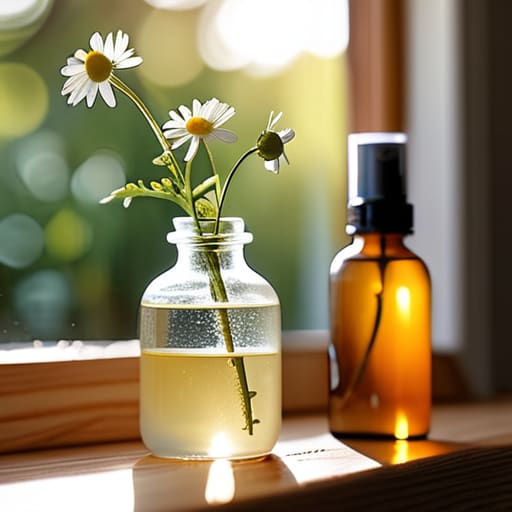
At the end of the day, managing sensitive skin isn’t about finding a magic, expensive cure-all; it’s about listening to what your skin is actually telling you. We’ve talked about identifying those sneaky environmental triggers, stripping back your routine to the essentials, and using soothing ingredients to tackle redness when it flares up. It’s easy to get caught in a cycle of trying every new “miracle” product on the market, but I’ve learned the hard way that more is rarely better. The goal is to stop the guesswork and focus on building a stable, predictable foundation that respects your skin’s natural barrier.
Please remember that your skin is a living organ, not a problem to be solved or a project to be perfected. There will be days when it feels reactive or just plain difficult, and that is perfectly okay. Instead of viewing a breakout or some redness as a failure, try to see it as a signal to slow down and embrace a simpler approach. Skincare should be a way to nurture yourself, a quiet moment of peace in an otherwise hectic morning. You deserve to feel comfortable and at ease in your own skin, one gentle step at a time.
Frequently Asked Questions
How can I tell if my skin is actually sensitive or if I've just damaged my skin barrier with too many actives?
Honestly, I’ve been exactly where you are. If your skin feels tight, looks shiny but is still flaky, or stings when you apply even basic moisturizer, you’ve likely compromised your barrier. True sensitivity is often a lifelong trait, but barrier damage is a reaction to overdoing it. If your skin was fine until you introduced that new retinol or acid, it’s not “sensitive”—it’s just exhausted. Take a breath, pause the actives, and focus on healing.
Are there specific ingredients I should look for in a moisturizer that won't trigger a flare-up?
When you’re in the middle of a flare-up, I like to think of my moisturizer as a cozy blanket for my face. Look for “barrier-builders” like ceramides and fatty acids—they help patch up those tiny cracks in your skin. Hyaluronic acid and glycerin are also great for pulling in moisture without being heavy. Just avoid anything with heavy fragrances or essential oils; right now, your skin needs peace, not a botanical garden.
Is it possible to maintain a functional routine if I have both sensitive skin and occasional breakouts?
Honestly, it’s a total balancing act, but it is absolutely possible. I used to think I had to choose between soothing my redness or fighting a breakout, but that usually just ended in a compromised barrier. The trick is to focus on “gentle intervention.” Use calming, hydrating basics as your foundation, and then strategically spot-treat only the active breakouts with a targeted treatment. It keeps your routine functional without overworking your skin.
