Category: Routines

  • How to Exfoliate Your Skin Safely

    How to Exfoliate Your Skin Safely

    I still remember the stinging sensation in my bathroom mirror five years ago, staring at skin that looked more angry than “radiant.” I had fallen for the hype, thinking that a heavy-duty, daily exfoliation routine was the secret to a perfect complexion. In reality, I was just aggressively stripping my moisture barrier away in a desperate attempt to fix a problem I was actually creating. We’ve been sold this idea that more is better—that if you aren’t using harsh scrubs or high-percentage acids every single night, you aren’t doing it right—but that’s just exhausting and, frankly, quite damaging.

    I’m not here to sell you a twelve-step ritual or convince you that you need a cabinet full of expensive, stinging liquids. Instead, I want to help you build an intentional exfoliation routine that actually respects your skin’s natural rhythm. I’m going to share the gentle, science-backed approach I use to keep my glow without the redness or the stress. Consider this your permission slip to stop overcomplicating things and finally focus on what your skin actually needs to thrive.

    Table of Contents

    Gentle Dead Skin Cell Removal Without the Overwhelm

    Gentle Dead Skin Cell Removal Without the Overwhelm

    When I first started overdoing it with harsh scrubs, I thought more friction meant more progress. I couldn’t have been more wrong. The secret to effective dead skin cell removal isn’t about scrubbing until your face feels tight; it’s about choosing the right way to lift those dull layers without compromising your skin barrier protection. For me, that meant moving away from physical beads and embracing chemical exfoliants that work with my skin rather than against it.

    If you’re feeling a bit lost in the ingredient aisle, you don’t need to master a chemistry degree to get it right. A good rule of thumb is to look at the difference between alpha hydroxy acids vs beta hydroxy acids based on your specific needs. AHAs are lovely for surface brightness, while BHAs are great if you’re prone to congestion. Most importantly, remember that less is almost always more. Instead of a daily ritual, I find that once or twice a week is plenty to keep things glowing while keeping my morning routine calm and intentional.

    Alpha Hydroxy Acids vs Beta Hydroxy Acids Decoded

    Alpha Hydroxy Acids vs Beta Hydroxy Acids Decoded

    When you’re standing in the skincare aisle, the sheer number of acronyms can feel a bit much. I remember staring at bottles of AHAs and BHAs in my early twenties, thinking I needed both to see any real change. In reality, understanding the difference between alpha hydroxy acids vs beta hydroxy acids is the secret to choosing what your specific skin type actually needs. AHAs, like glycolic or lactic acid, are water-soluble and work beautifully on the surface to smooth out texture and boost radiance. They’re my go-to when my skin feels a bit dull from a long week of deadlines.

    BHAs, on the other hand, are oil-soluble, meaning they can actually dive deeper into your pores to clear out congestion. If you struggle with occasional breakouts or oily patches, a BHA is a lifesaver. However, because I’ve learned the hard way about skin barrier protection, I always remind myself that more isn’t always better. If you have reactive skin, look for BHAs that are formulated with soothing ingredients to ensure you’re getting the benefits without the irritation.

    My Golden Rules for Exfoliating Without the Burn

    • Listen to your skin above all else. If your face feels tight, stinging, or looks a little too pink, that’s your skin’s way of telling you to take a break. Pushing through the discomfort won’t get you a better glow; it’ll just wreck your barrier like I did in my early twenties.
    • Less is definitely more. You don’t need to exfoliate every single day to see progress. Start with just once or twice a week and see how your skin reacts before you even think about increasing the frequency.
    • Always, always follow up with hydration. Exfoliation removes those dead cells, but it also leaves your skin temporarily more vulnerable. I never skip my soothing moisturizer immediately after to make sure my moisture barrier stays intact and happy.
    • Don’t forget the sun protection. Since exfoliation reveals fresh, new skin cells, you’re much more susceptible to sun damage. If you’re exfoliating in the morning, SPF is a non-negotiable part of the routine.
    • Patch test before you commit. I know it’s tempting to dive right into a new acid, but try a tiny bit on your jawline first. It’s much better to find out a product is too harsh on a small patch than to deal with a full-face reaction.

    My Golden Rules for Exfoliating Without the Stress

    Less is definitely more; start with just once or twice a week to make sure you aren’t stripping your skin barrier.

    Listen to your skin over the hype—if it feels tight, stinging, or looks red, it’s time to back off and focus on hydration.

    Choose your acid based on your skin’s needs, whether it’s a gentle AHA for surface glow or a BHA to help with congestion.

    ## Less is More When It Comes to Glow

    “I learned the hard way that more acid isn’t better acid; true skin health comes from listening to your barrier, not trying to scrub your way to perfection.”

    Neha Rajagopal

    Finding Your Skin's Natural Rhythm

    Finding Your Skin's Natural Rhythm.

    At the end of the day, building an exfoliation routine isn’t about following every viral trend or buying every acid on the shelf. It’s about understanding that your skin is a living, breathing organ that needs balance, not a battleground. Whether you decide to go with a gentle AHA for that extra glow or a targeted BHA to clear out pores, the goal is to listen to what your skin is actually telling you. Remember, more is rarely better; a little bit of intentional, consistent care will always beat a week of aggressive, skin-stripping treatments that leave your barrier in pieces.

    I hope you can look at your skincare shelf not as a list of chores, but as a way to reclaim a few quiet moments for yourself. Skincare should be your sanctuary, a way to ground yourself before the chaos of the workday begins. Don’t be afraid to strip your routine back to the basics if things feel overwhelming. You deserve to feel comfortable and confident in your own skin without the stress of perfection. Take it slow, be kind to your barrier, and let your natural radiance do the rest of the work.

    Frequently Asked Questions

    How can I tell if I've over-exfoliated and actually damaged my skin barrier?

    Honestly, I’ve been there, and it’s a scary feeling. If your skin suddenly feels tight, looks unusually shiny (but not oily), or starts stinging when you apply even your most basic moisturizer, that’s a huge red flag. Redness and unexpected breakouts are also common signs. If your skin feels more like a raw wound than a smooth surface, your barrier is likely compromised. When that happens, stop all actives immediately and just focus on hydration.

    Can I use chemical exfoliants on the same night as my retinol, or will that be too much?

    Honestly? I wouldn’t. After I wrecked my skin barrier in my early twenties, I learned the hard way that “more” isn’t better. Using a chemical exfoliant and retinol in the same night is a recipe for irritation and redness. Instead, try alternating them—maybe acids on Monday and retinol on Tuesday. It gives your skin time to breathe and recover, which is much better for your long-term glow.

    How often should I really be exfoliating if I have sensitive or reactive skin?

    If you have sensitive or reactive skin, please—less is more. I learned this the hard way after wrecking my own barrier. For most of us in this category, once a week is plenty. If your skin is feeling particularly calm, you might try twice, but the second you feel any stinging or see redness, back off immediately. Think of it as a gentle nudge for your skin, not a forced overhaul.

  • Understanding the Double Cleansing Method

    Understanding the Double Cleansing Method

    I still remember sitting on my bathroom floor in my early twenties, staring at a face that felt tight, angry, and completely stripped. I had been following every “must-have” trend, convinced that if I wasn’t using ten different high-strength acids, I wasn’t doing enough. I thought more was always better, but I was actually just destroying my skin barrier one expensive mistake at a time. I eventually realized that the secret to healthy skin wasn’t about adding more complexity, but about mastering the basics—like the double cleansing method. It’s not some magical, high-tech ritual you need a pharmacy’s worth of products for; it’s just about being intentional with how you wash away the day.

    I’m not here to sell you on a complicated fifteen-step system or convince you that you need a luxury oil that costs as much as my monthly groceries. Instead, I want to share what actually works for a real, busy lifestyle. I’m going to walk you through how to use the double cleansing method to truly clear your pores without leaving your skin feeling raw or irritated. Consider this my no-nonsense guide to making your evening routine a moment of peace, rather than another stressful chore on your to-do list.

    Table of Contents

    Removing Sunscreen Effectively Without the Stress

    Removing Sunscreen Effectively Without the Stress

    If you’re like me, you probably wouldn’t dream of leaving the house without SPF. It’s the one non-negotiable in my life, but let’s be honest: those mineral sunscreens can feel like they’re practically glued to your face by 6:00 PM. If you try to scrub them off with just a standard water-based cleanser, you often end up with a patchy residue that feels heavy and uncomfortable. This is where most people run into trouble, as failing at removing sunscreen effectively is a one-way ticket to irritation and breakouts.

    I’ve learned the hard way that leaving that film behind is a recipe for clogged pores prevention struggles. Instead of scrubbing harder—which just wreaks havoc on your skin barrier—I recommend using an oil-based balm or oil first. It gently dissolves the stubborn filters without any harsh tugging. Once you’ve massaged it in, you’ll notice how the product begins to break down the grime. It’s a much more soothing way to transition from a long day into your evening wind-down, ensuring your skin is actually breathable and clean before you move on to your treatment steps.

    The Gentle Science of the Emulsification Process

    The Gentle Science of the Emulsification Process.

    This is where the real magic happens, and it’s a bit more scientific than most people realize. When you’re using an oil-based cleanser, you aren’t just rubbing grease onto your face; you’re actually utilizing the principle that oil dissolves oil. As you massage the product into your dry skin, it binds to the stubborn sebum and makeup sitting on the surface. But the real turning point is the emulsification process. When you introduce a little bit of lukewarm water, the oil transforms into a milky, lightweight texture. This step is crucial because it allows the cleanser to lift away the impurities so they can be easily rinsed away, rather than just moving them around your face.

    I used to rush through this part, but I’ve learned that taking an extra thirty seconds to let that milky texture form is vital for clogged pores prevention. If you don’t emulsify properly, you might leave behind a film that actually works against your skin. By ensuring the oil fully breaks down and rinses clean, you’re prioritizing skin barrier protection and making sure your second, water-based cleanse can actually reach your skin to do its job.

    My Little Rules for a Stress-Free Double Cleanse

    • Start with dry hands and a dry face. It sounds simple, but applying your oil cleanser or balm to damp skin can make it harder to actually break down that stubborn sunscreen and daily grime.
    • Don’t rush the massage. Take a full minute to gently work your first cleanser into your skin using circular motions; it’s a great way to massage away the day’s tension while the product does its work.
    • Temperature matters, but keep it lukewarm. I used to think hot water felt “cleaner,” but after I wrecked my skin barrier, I learned that hot water just strips away the good stuff your skin needs to stay hydrated.
    • Focus on the “high-traffic” areas. Spend a little extra time on your nose and chin where congestion usually likes to hide, but always be mindful to use light, soothing pressure.
    • Follow up with your gentle water-based cleanser immediately. This second step isn’t about scrubbing harder; it’s just about sweeping away any leftover residue so your skin feels fresh and ready for the rest of your routine.

    Making it Work for You: My Three Golden Rules

    Listen to your skin above everything else; if your barrier feels tight or irritated, it’s okay to scale back and just stick to the basics.

    Think of double cleansing as a ritual, not a chore—it’s your five-minute window to decompress and wash the day away.

    Focus on quality over quantity by choosing gentle, effective products that actually respect your skin’s natural rhythm rather than fighting against it.

    Finding Calm in the Cleanse

    “I used to think a deep clean meant scrubbing until my face felt tight, but I’ve learned that true skin health comes from being gentle. Double cleansing isn’t about adding more steps to your life; it’s about giving your skin a quiet, effective way to reset after a long day.”

    Neha Rajagopal

    Finding Your Rhythm

    Finding Your Rhythm with double cleansing.

    At the end of the day, double cleansing isn’t about adding another complicated step to your to-do list; it’s about ensuring that your skin actually has a clean canvas to heal and breathe. By using an oil-based cleanser to break down that stubborn sunscreen and daily grime, followed by a gentle water-based wash to clear away the residue, you’re doing more than just washing your face. You are preventing the clogged pores and irritation that I used to struggle with so much during my own “over-active” phase. It’s a simple, two-step process that respects your skin barrier while making sure your expensive serums actually have a chance to sink in and do their jobs.

    I really want you to view this evening ritual as a way to decompress. After a long day of staring at screens or running errands, those few minutes spent massaging a cleanser into your skin can be a small act of self-care that grounds you. Skincare doesn’t have to be a battleground of high percentages and harsh chemicals to be effective. If you can commit to this gentle rhythm, you’ll find that your skin—and your mind—will feel much more at peace. Remember, you don’t need a pharmacy on your bathroom counter to achieve healthy, glowing skin; you just need consistency and a little bit of kindness toward yourself.

    Frequently Asked Questions

    Do I really need to do this every single night, or is it okay to skip a few days?

    Honestly, I get it—some nights, you just want to crawl into bed. If you’ve had a light day with just a little moisturizer and no SPF, skipping a night won’t ruin your skin. But if you’re wearing sunscreen or makeup, I’d really recommend sticking to it. Leaving those products on can clog pores and disrupt your barrier. Think of it as a tiny, non-negotiable reset for your skin.

    Can I use an oil cleanser if I’m currently dealing with an active breakout?

    Honestly, I used to avoid oil cleansers like the plague whenever I had a breakout, fearing I’d just feed the inflammation. But after my barrier mishap, I learned that it’s actually quite the opposite. If you choose a lightweight, non-comedogenic oil, it can help dissolve the excess sebum and debris that often clog pores and fuel those breakouts. Just keep it gentle, focus on the emulsification, and don’t over-scrub.

    Is it possible to overdo it and actually end up stripping my skin barrier again?

    Honestly, yes. I’ve been there, and it’s a frustrating place to be. If you’re using a heavy-duty oil cleanser followed by a harsh, foaming wash every single night, you might be doing more harm than good. The goal is to lift away the day, not scrub your skin raw. If your face feels tight or “squeaky clean” after washing, that’s a huge red flag. Listen to your skin—if it feels sensitive, scale back.

  • Addressing Skin Damage From Sun Exposure

    Addressing Skin Damage From Sun Exposure

    I remember sitting on my bathroom floor in my early twenties, staring at a face full of redness and dark spots, feeling completely defeated by a shelf full of “miracle” serums that promised the world. I had spent a small fortune trying to fix my skin, only to realize I was actually making things worse by over-layering aggressive acids. The beauty industry loves to sell us this idea that repairing sun damage requires a complex, expensive ritual, but honestly? That’s just marketing noise. Finding effective skincare for sun damage shouldn’t feel like a high-stakes chemistry experiment or a drain on your bank account.

    I’m not here to sell you a twenty-step routine or a collection of luxury jars that do nothing but look pretty on your vanity. Instead, I want to share what actually works for a real, busy life—the kind of science-backed, gentle approach that focuses on healing your barrier first. We’re going to cut through the hype and focus on a few reliable essentials that will help your skin recover and stay resilient. Let’s keep this simple, grounded, and actually effective.

    Table of Contents

    Gentle Melanin Regulation Without the Stress

    Gentle Melanin Regulation Without the Stress

    When I first started looking into hyperpigmentation treatment, I felt completely overwhelmed by the sheer number of aggressive acids being pushed on us. My instinct was to grab the strongest stuff possible to “scrub away” those stubborn spots, but if my years of ruining my skin barrier taught me anything, it’s that aggression usually leads to more inflammation. Instead of trying to force your skin to change overnight, I’ve learned to focus on calming the process of melanin regulation.

    The goal isn’t to punish your skin, but to gently guide it back to an even tone. I’ve found that incorporating a stable vitamin C serum for sun damage into my morning ritual is a total game-changer. It provides that much-needed antioxidant boost without the stinging sensation I used to dread. It’s about finding that sweet spot where you’re actively addressing those dark patches while still nurturing your natural glow. For me, skincare is most effective when it feels like a quiet, restorative moment rather than a battle against my own reflection.

    Restoring Peace Through Skin Barrier Repair

    Restoring Peace Through Skin Barrier Repair.

    If you’re anything like me, you probably spent years trying to “fix” your skin by scrubbing harder or using every aggressive acid on the market. I learned the hard way that when your skin feels tight, stinging, or just plain reactive, more actives aren’t the answer. Instead, we need to focus on skin barrier repair. When your barrier is compromised, your skin loses its ability to hold onto moisture, making any sun-induced redness or texture feel ten times worse.

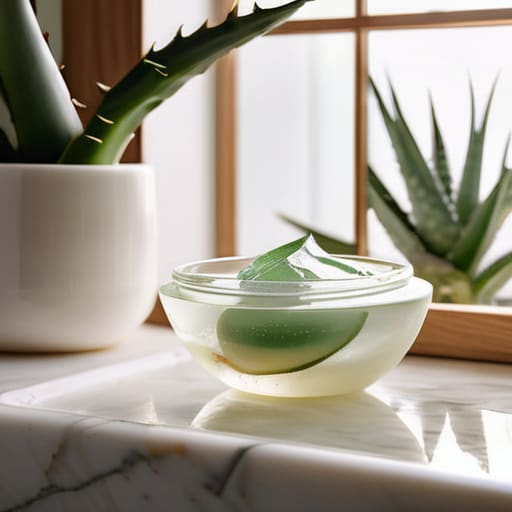
    Think of your skin barrier as your body’s natural shield; when it’s broken, everything else—like a potent vitamin C serum for sun damage—might actually cause more irritation than help. My approach is to lean into soothing, lipid-rich ingredients like ceramides or squalane. By prioritizing hydration and calming moisture, you’re essentially giving your skin the quiet space it needs to heal itself. Once that foundation is steady and peaceful, you can slowly reintroduce the targeted treatments you actually want, without the constant fear of a flare-up.
    My Minimalist Approach to Reversing Sun Damage

    • Prioritize hydration over harshness. When your skin is dealing with sun damage, it’s often thirsty and compromised. Instead of reaching for aggressive peeling acids, look for soothing ingredients like hyaluronic acid or glycerin to plump the skin back up.
    • Don’t skip the SPF, even on cloudy days. It feels counterintuitive when you’re trying to “fix” damage, but you can’t heal if you’re still getting hit by UV rays. Think of sunscreen as the protective shield that allows your repair work to actually stick.
    • Incorporate gentle antioxidants. I love using a Vitamin C serum in the morning—not because it’s a magic wand, but because it helps neutralize the free radicals that sun exposure leaves behind. Just make sure it’s a stable, gentle formula that won’t irritate your barrier.
    • Simplify your active ingredients. I’ve learned the hard way that using too many things at once is a recipe for disaster. If you’re using a brightening agent for sun spots, pair it with something calming like niacinamide rather than piling on five different serums.
    • Listen to your skin’s “quiet” signals. If your face feels tight, itchy, or looks extra red, that’s your skin telling you to back off. Sun-damaged skin needs rest more than it needs more products; sometimes the best “treatment” is just a simple moisturizer and a few days of doing nothing at all.

    My Simple Rules for Healing Sun-Damaged Skin

    Prioritize barrier repair over harsh peels; if your skin feels tight or stinging, back off the actives and lean into soothing, moisture-rich ingredients.

    Consistency beats complexity, so focus on a handful of reliable products—like a gentle cleanser, a nourishing moisturizer, and daily SPF—rather than a complicated ten-step ritual.

    Protect your progress by making sunscreen a non-negotiable part of your daily rhythm, treating it as a way to safeguard the hard work your skin is doing to heal.

    ## Finding Your Rhythm Again

    “Repairing sun damage isn’t about punishing your skin with aggressive acids to ‘fix’ the past; it’s about slowing down, rebuilding your barrier, and giving your skin the quiet, consistent nourishment it needs to heal itself.”

    Neha Rajagopal

    Finding Your Rhythm Again

    Finding Your Rhythm Again through skin healing.

    At the end of the day, healing sun damage isn’t about chasing perfection or buying every new brightening serum that hits the shelves. It’s about coming back to the basics: protecting your skin with SPF, calming inflammation with gentle ingredients, and—most importantly—prioritizing your skin barrier above all else. We’ve talked about regulating melanin without the irritation and why repairing that protective layer is the real secret to a healthy glow. If you focus on these core pillars, you’ll find that your skin doesn’t just look better; it actually feels more resilient and steady.

    I know how overwhelming it feels when you look in the mirror and see spots or texture that weren’t there before, but please be kind to yourself. Your skin has been working hard to protect you every single day. Skincare should be a way to honor that work, not a way to punish yourself for past mistakes. Take it slow, listen to what your skin is telling you, and remember that consistency beats intensity every single time. You don’t need a complicated ritual to find your glow; you just need a little patience and a peaceful routine that makes you feel at home in your own skin.

    Frequently Asked Questions

    Can I actually reverse sun damage if I've already started seeing dark spots, or am I just managing them at this point?

    Honestly, I used to ask myself the exact same thing when I first saw those stubborn spots. The short answer? It’s a mix of both. While you can’t literally “undo” the past, you can definitely fade the appearance of hyperpigmentation and prevent new damage from settling in. Think of it less as a total reversal and more as a deep reset. With consistent, gentle care, those spots can soften significantly.

    I’m already using a few actives; how do I add sun repair steps without totally wrecking my skin barrier again?

    I’ve been exactly where you are—staring at a shelf of actives and feeling terrified of a breakout or redness. The trick is to treat your sun repair steps as “support” rather than “attack.” Instead of adding a harsh new acid, try introducing a soothing antioxidant like Vitamin C or a calming niacinamide. Layer them gently, and if your skin feels tight or itchy, back off. Slow and steady wins the race for a healthy barrier.

    Do I really need to spend a lot on specialized serums, or can I get decent results with just a few basic, reliable products?

    Honestly? No, you don’t. I learned that the hard way when I trashed my barrier trying to chase every high-end “miracle” serum on the market. You don’t need a luxury price tag to see real progress. If you have a reliable sunscreen, a gentle cleanser, and maybe one targeted active like Vitamin C or Niacinamide, you’re already ahead of the game. Focus on quality ingredients and consistency, not the prestige of the brand name.

  • Treating Hyperpigmentation With Skincare

    Treating Hyperpigmentation With Skincare

    I still remember sitting on my bathroom floor in my early twenties, staring at a face full of angry, red marks and dark patches, feeling like I’d completely failed. I had spent a small fortune on every aggressive, high-percentage acid the internet told me to use, thinking more was better. Instead of clearing my skin, I just ended up with a compromised skin barrier and more stubborn spots than when I started. It’s incredibly frustrating how the beauty industry tries to sell us the idea that effective skincare for hyperpigmentation requires a complicated, expensive, and often painful ritual of harsh actives.

    I’m not here to sell you a twelve-step system or a product that promises miracles overnight. My goal is to help you cut through all that marketing noise and focus on the few, gentle ingredients that actually move the needle. I want to share what I’ve learned about building a minimalist, science-backed routine that fades those marks without stripping your skin bare. Let’s get back to basics and find a way to treat your hyperpigmentation that actually feels like self-care, not a chore.

    Table of Contents

    Gentle Melanin Production Inhibition for a Calm Complexion

    Gentle Melanin Production Inhibition for a Calm Complexion

    When we talk about fading dark spots, the goal isn’t to blast your skin with harsh acids. After my own experience with a damaged barrier, I’ve learned that the most effective approach is actually the most patient one. Instead of trying to “scrub” the pigment away, we want to focus on melanin production inhibition. This basically means using ingredients that gently tell your skin cells to slow down their pigment output, rather than forcing them into a state of shock.

    I’ve found that incorporating niacinamide for skin brightening is a total game-changer for this. It’s a multitasker that feels incredibly soothing—almost like a deep breath for your face—and it helps regulate oil without the irritation you get from stronger actives. It works by blocking the transfer of pigment to your skin cells, which is much more sustainable for a long-term routine. By choosing these calmer, more intentional ingredients, you’re working with your skin’s natural rhythm rather than fighting against it, which is exactly how we achieve that healthy, lit-from-within glow.

    The Essential Role of Sunscreen for Dark Spots

    The Essential Role of Sunscreen for Dark Spots

    If there is one thing I’ve learned from my own journey of repairing a damaged skin barrier, it’s this: you can spend hundreds on the most expensive serums in the world, but if you aren’t wearing SPF, you’re essentially fighting a losing battle. Sunlight is the primary trigger that tells your skin to pump out more pigment, which only serves to deepen those stubborn marks. Think of it as the ultimate hyperpigmentation prevention tip—you have to stop the damage before it even starts.

    I used to think I could just skip sunscreen on cloudy days or when I was just working from my desk, but UV rays don’t take breaks. When you’re actively looking for sunscreen for dark spots, you want something that provides broad-spectrum protection without feeling heavy or greasy. For me, finding a lightweight formula that plays well with my other products is non-negotiable. It’s not about adding another “chore” to your morning; it’s about protecting the progress you’ve already made with your other treatments. Without that shield, those dark spots will simply keep coming back, no matter how many brightening ingredients you use.

    My realistic approach to fading dark spots

    • Don’t rush the process with harsh acids. I learned the hard way that scrubbing your skin into submission just causes more inflammation, which can actually trigger even more pigment. Slow and steady wins the race.
    • Look for “gentle giants” like Tranexamic acid or Azelaic acid. They work behind the scenes to calm down those pigment-producing cells without making your skin feel like it’s on fire.
    • Incorporate a Vitamin C serum in the mornings. It’s like a little antioxidant shield that helps brighten things up while you’re out tackling your to-do list.
    • Moisturize like your life depends on it. A healthy, hydrated skin barrier is much better at repairing itself. If your skin is dry and flaky, those dark spots are going to be much harder to fade.
    • Be consistent, even on the days you’re exhausted. You don’t need a massive routine, but showing up for your skin with just a cleanser, treatment, and SPF every single day is what actually moves the needle.

    My Golden Rules for Fading Dark Spots

    Stop chasing every new “miracle” ingredient; focus on one or two gentle actives like Vitamin C or Azelaic Acid that won’t wreck your skin barrier.

    Consistency beats intensity every single time—it’s better to use a mild treatment daily than to blast your skin with harsh acids once a week.

    Never skip your SPF, because even the best brightening serums are a waste of money if you aren’t protecting your skin from the sun every morning.

    ## Real Talk on Dark Spots

    “We’ve been conditioned to think that if a product isn’t stinging or burning, it isn’t working—but when it comes to hyperpigmentation, aggression is usually the enemy. I’ve learned that the best way to fade those stubborn marks is to work with your skin’s natural rhythm, not against it.”

    Neha Rajagopal

    Finding Your Rhythm

    Finding Your Rhythm with skin care consistency.

    At the end of the day, treating hyperpigmentation isn’t about finding a “miracle” product that works overnight; it’s about consistency and being kind to your skin barrier. We’ve talked about how targeted ingredients can help slow down melanin production and why sunscreen is your absolute non-negotiable defense against further darkening. If you try to rush the process with harsh acids, you’ll likely just end up back where I was—dealing with redness and a compromised barrier. Stick to the basics, protect yourself from the sun, and let the science do the heavy lifting at its own pace.

    I know how frustrating it is to look in the mirror and see spots that weren’t there before, but please remember that your skin is a living organ, not a project to be “fixed.” Skincare should be a way to care for yourself, not another item on a stressful to-do list that leaves you feeling inadequate. Focus on the small, intentional wins, and give yourself the grace to let your skin heal. You deserve to feel comfortable and confident in your own skin, and that journey starts with being gentle with yourself—both inside and out.

    Frequently Asked Questions

    Can I use vitamin C and retinol at the same time, or will that just wreck my skin barrier again?

    Honestly, I’ve been there—trying to use everything at once and ending up with a red, stinging mess. To answer your question: please don’t use them at the exact same time. Mixing them in one go is a recipe for a wrecked skin barrier. Instead, try the “split” method. Use your Vitamin C in the morning to brighten and protect, and save the retinol for your nighttime routine. Your skin (and your peace of mind) will thank you.

    How long should I actually wait before I expect to see a difference in my dark spots?

    I know the feeling—you apply that brightening serum, look in the mirror the next morning, and feel a little let down when nothing has changed. But please, be patient with your skin. Since we’re focusing on gentle methods rather than harsh peels, it usually takes about 4 to 8 weeks to see real progress. Your skin needs time to go through its natural renewal cycles. Just stay consistent and keep breathing; the glow will come.

    Are there any natural or DIY remedies that actually work, or is that just more noise I should ignore?

    Honestly? Most DIY trends are just more noise. I’ve seen too many people try kitchen-counter remedies—like lemon juice or baking soda—that end up wrecking their skin barrier, much like I did in my early twenties. While things like green tea or licorice root are lovely, they work best when formulated into a stable, gentle product. Save your time and your skin; stick to proven ingredients rather than risking a DIY disaster.

  • Balancing Combination Skin Types

    Balancing Combination Skin Types

    Have you ever looked in the mirror and felt like your face was having two completely different conversations at once? It’s that frustrating phenomenon where your T-zone feels like an oil slick by noon, yet your cheeks are pulling so tight they practically feel brittle. I used to think the answer was to buy a dozen different products for every single zone, but honestly, that’s a fast track to a broken skin barrier. Finding the right skincare for combination skin shouldn’t feel like a high-stakes chemistry experiment or a massive drain on your bank account; it should just feel like finding a balance.

    I’m not here to sell you on a complex, twelve-step ritual that leaves you feeling exhausted before your first cup of coffee. Instead, I want to share what actually works for a real, busy life. I’ll be cutting through all the marketing noise to show you how to select a few reliable, science-backed essentials that respect both your oily and dry patches. My goal is to help you build a routine that feels like a moment of peace, not another chore on your to-do list.

    Table of Contents

    Understanding the Oily T Zone vs Dry Cheeks Tension

    Understanding the Oily T Zone vs Dry Cheeks Tension.

    If you’ve ever felt like your face is living two different lives at once, you aren’t alone. I used to spend my mornings blotting away shine from my forehead and nose, only to realize my cheeks felt tight and uncomfortable by lunchtime. This constant tug-of-war—the classic oily T-zone vs dry cheeks struggle—is exactly what defines combination skin. It’s frustrating because the very thing that makes your nose shiny often makes your cheeks feel parched, leaving you stuck in a cycle of over-cleansing or under-moisturizing.

    The trick isn’t to treat your entire face as one single unit, but to recognize that different zones have different needs. When I was struggling with my own barrier damage, I realized that a heavy cream on my forehead was a recipe for breakouts, while a light gel on my cheeks felt like nothing. Finding a skincare routine for uneven skin types means learning how to zone your products. You want to target the congestion in your T-zone without stripping away the precious moisture your cheeks are begging for. It’s all about finding that sweet spot of balance.

    A Balancing Facial Cleanser to End the Struggle

    A Balancing Facial Cleanser to End the Struggle

    When it comes to picking a wash, I used to make the classic mistake of trying to “scrub away” the shine. I’d use these aggressive, foaming cleansers thinking they’d help my forehead, but I’d end up with cheeks that felt tight and flaky by lunchtime. If you’re dealing with that constant tug-of-war between an oily T-zone vs dry cheeks, you have to stop treating your skin like an enemy to be conquered.

    The secret is finding a balancing facial cleanser that actually respects your skin’s natural barrier. I always look for something creamy or a gentle gel that lifts away excess sebum without stripping the moisture from your drier areas. You want a formula that leaves your face feeling clean but supple, not “squeaky” (which is usually just code for “my barrier is compromised”). It’s the foundation of a sustainable skincare routine for uneven skin types; if you get the cleansing step right, everything else—from your serums to your moisturizers—will work so much more effectively.

    Five ways to stop the tug-of-war on your face

    • Stop treating your whole face like one single skin type. I used to apply heavy creams everywhere, which just made my forehead a grease trap. Instead, try “multi-moisturizing”—use a lightweight gel on your T-zone and a richer, more nourishing cream on those dry patches on your cheeks.
    • Look for “non-comedogenic” on your labels, but don’t obsess over it. What I really look for is something that won’t clog my pores while still providing enough hydration to keep my skin barrier from feeling tight and itchy.
    • Don’t skip the exfoliation, but please, be gentle. When I ruined my barrier in my early twenties, I thought more scrubbing was better. Now, I stick to a gentle BHA (salicylic acid) just a couple of times a week to keep my pores clear without stripping my skin raw.
    • Hydration is different from moisture. You can have oily skin that is actually incredibly dehydrated. Using a soothing, water-based essence or a lightweight hyaluronic acid serum can help balance things out without adding that heavy, greasy feeling we all dread.
    • Keep your routine minimal on busy mornings. If you’re rushing, just stick to the essentials: a gentle cleanse, a targeted moisturizer, and SPF. You don’t need a dozen serums to manage combination skin; you just need products that respect your skin’s natural rhythm.

    My Golden Rules for Finding Your Balance

    Stop the tug-of-war by treating your T-zone and cheeks as two different zones; you don’t need one heavy product for everything, just a smarter way to layer.

    Focus on repairing your moisture barrier rather than stripping away oil, because an over-cleansed face usually just leads to more reactive oil production.

    Keep your routine minimal and intentional—aim for a few reliable, science-backed staples that calm your skin instead of a shelf full of products that do nothing.

    Finding Your Skin's Middle Ground

    Dealing with combination skin feels like a constant tug-of-war between oil and dryness, but you don’t need to fight it with aggressive products; you just need to listen to what your skin is actually asking for.

    Neha Rajagopal

    Finding Your Balance

    Finding Your Balance with combination skincare.

    At the end of the day, managing combination skin isn’t about fighting against your biology; it’s about learning to work with it. We’ve talked about how to navigate that tricky tension between an oily T-zone and those dry, thirsty patches on your cheeks, and why choosing a gentle, non-stripping cleanser is the absolute foundation of everything. You don’t need a cabinet full of expensive, conflicting serums to see a difference. Instead, focus on targeted hydration and a few reliable staples that respect your skin’s unique map. When you stop trying to treat your entire face with a “one size fits all” approach, you’ll find that consistency beats complexity every single time.

    I know how frustrating it can be when your skin feels like it’s constantly changing its mind, but please remember that your skin is a living organ, not a problem to be solved. I’ve been there—standing in front of the mirror, feeling overwhelmed by redness or shine—and I promise it gets easier once you strip away the noise. Skincare should be your quiet moment of peace, a little ritual of self-care that grounds you before the chaos of the day begins. Be patient with yourself and be gentle with your barrier. You deserve to feel comfortable and confident in your own skin, without the stress of a twenty-step routine.

    Frequently Asked Questions

    Should I be using different moisturizers for my oily areas and my dry areas, or is that just too much work?

    Honestly, I used to think I needed a separate routine for every single patch of my face, but that’s exactly how you end up with a cluttered bathroom counter and a stressful morning. You don’t need two different moisturizers. Instead, I find it much easier to use one reliable, lightweight moisturizer everywhere, and then just “spot treat” the dry areas with a tiny bit of a richer cream. It’s much more sustainable for a busy life.

    How do I know if a product is actually helping my balance or if it's just making my breakouts worse?

    It’s so easy to get caught in that cycle of “is this working or is it breaking me out?” Honestly, look for the texture. If your skin feels tight or looks flaky but you’re still seeing new bumps, your barrier is likely crying for help. True balance feels like stability—your T-zone stays matte but your cheeks don’t feel parched. If you’re seeing constant, angry redness, it’s probably time to scale back.

    Can I still use my favorite exfoliating acids, or will they mess up my skin barrier even more?

    I totally get the hesitation. After I wrecked my own barrier years ago, I was terrified of acids. The short answer? Yes, you can still use them, but we have to change how you approach them. Instead of daily aggressive peels, think of acids as a gentle weekly reset. Focus on low-percentage BHAs for that oily T-zone or mild AHAs for dry patches, and always—always—follow up with a soothing moisturizer to keep things calm.

  • Skincare Strategies for Mature Skin

    Skincare Strategies for Mature Skin

    I still remember the stinging sensation in my cheeks after I spent an entire summer in my early twenties aggressively layering high-percentage acids, thinking more was always better. I was chasing a “glow” that actually just left my skin barrier completely compromised and reactive. Now, as I navigate the shift into a new decade, I see the beauty industry trying to sell us the same frantic energy: expensive, complicated, and frankly exhausting. There is so much noise surrounding skincare for aging skin, with brands insisting you need a dozen different serums just to keep up with a few fine lines. But honestly? Most of that hype is just a way to clutter your bathroom counter and your mind.

    I’m not here to sell you a miracle in a jar or a grueling twenty-step ritual that feels like a second job. Instead, I want to share a more grounded approach—one rooted in science and a bit of much-needed self-compassion. In this guide, we’re going to strip away the marketing fluff and focus on a few intentional, effective steps that actually support your skin’s health. My goal is to help you build a routine that feels like a moment of peace, not a stressful chore.

    Table of Contents

    Gentle Essentials Preventing Premature Aging Without the Stress

    Gentle Essentials Preventing Premature Aging Without the Stress

    When I look back at my early twenties, I see a version of myself that thought more was always better. I used to layer every harsh acid I could find, thinking I was “fixing” things, when I was actually just stripping my barrier bare. If you’re looking into preventing premature aging, please don’t make that same mistake. You don’t need to punish your face to see results; you just need to support it.

    For me, a successful anti-aging skincare routine isn’t about a long list of actives, but about consistency and moisture. I always start with a high-quality hyaluronic acid for hydration to plump up those fine lines that tend to show up when I’m stressed or dehydrated. It’s like giving your skin a big, cool drink of water.

    Then, I move into targeted treatments. While I do use a gentle retinol for wrinkles at night, I never skip the most important step: daily SPF. Honestly, sun protection for mature skin is the absolute non-negotiable. It’s the simplest way to protect the work you’re already doing.

    The Simple Path to Skin Elasticity Improvement

    The Simple Path to Skin Elasticity Improvement

    When I look at my skin now, I’m less concerned with erasing every single fine line and more focused on how it feels. For me, that means prioritizing bounce and resilience. Achieving real skin elasticity improvement doesn’t require a cabinet full of expensive serums; it’s about feeding your skin the building blocks it needs to stay plump. I’ve learned the hard way that stripping your skin back with harsh acids only makes things worse. Instead, I lean heavily on hyaluronic acid for hydration, which acts like a big drink of water for my cells, keeping things looking supple rather than parched.

    It’s also about being strategic with your actives. I used to be terrified of anything “strong,” but I’ve found my rhythm with a low-dose, gentle retinol. Incorporating a bit of retinol for wrinkles into my evening routine has been a game-changer for texture, provided I don’t overdo it. The goal isn’t to transform into a different person, but to support the skin I have. By keeping things simple and consistent, I’ve found that my skin stays much more resilient through the daily chaos of life.

    My Low-Stress Cheat Sheet for Ageless Skin

    • Prioritize hydration over heavy actives. When I ruined my barrier in my early twenties, I learned the hard way that thirsty skin looks older than it actually is. Instead of chasing high percentages of harsh acids, focus on humectants like hyaluronic acid to plump things up from the inside out.
    • Don’t skip the SPF, even on cloudy days. It’s the one non-negotiable for me. Think of sunscreen as your daily insurance policy against sun damage; it’s much easier to protect the skin you have than to try and reverse years of UV damage later.
    • Embrace the power of facial massage. I love incorporating a quick two-minute massage into my evening routine while my Lo-Fi playlist is playing. It helps with lymphatic drainage and honestly, it’s just a lovely way to decompress after a long day of copywriting.
    • Look for gentle retinoids, not “scorched earth” formulas. If you want to tackle fine lines, you don’t need to peel your skin off. I prefer slow and steady—using a mild retinol or bakuchiol that respects your skin’s natural rhythm rather than causing constant irritation.
    • Listen to your skin’s “quiet” signals. If your face feels tight, itchy, or looks unusually red, that’s your skin asking for a break. Aging skin needs more grace, not more products. When in doubt, strip it back to just a cleanser, moisturizer, and SPF until things settle down.

    My Golden Rules for Aging Gracefully

    Stop chasing the “burn”—if a product feels too aggressive, it’s likely doing more harm than good to your barrier.

    Consistency beats intensity every single time; a simple, gentle routine you actually stick to is better than a complex one you abandon.

    Focus on hydration and protection as your foundation, because healthy, plump skin is always more resilient than skin that’s been over-processed.

    Rethinking the Glow

    “Aging isn’t something we need to fight with aggressive acids and a dozen different serums; it’s about nourishing the skin we have so it feels resilient, calm, and deeply cared for.”

    Neha Rajagopal

    Finding Your Rhythm

    Finding Your Rhythm with gentle skincare.

    At the end of the day, navigating aging skin doesn’t have to feel like a battle against the clock. We’ve talked about why stripping your barrier with harsh actives is a mistake, how to prioritize gentle hydration, and why focusing on elasticity through consistent, simple steps is far more effective than chasing every new miracle ingredient. It really comes down to quality over quantity. By sticking to those gentle essentials and supporting your skin’s natural resilience, you’re building a foundation that lasts, rather than just chasing temporary fixes that leave your face feeling irritated and overwhelmed.

    I want you to remember that your skin is a living, breathing part of you, not a project that needs constant fixing. As I sit here with my morning tea, listening to my jazz playlist and looking at my little herb garden, I’m reminded that the best things in life—and in beauty—take time to grow and settle. Don’t let the fear of a few fine lines steal your peace. Instead, treat your routine as a small act of self-care that honors where you are right now. You deserve to feel comfortable, calm, and truly at home in your own skin.

    Frequently Asked Questions

    If I'm already using retinol, should I stop or just change how I apply it to avoid irritation?

    Please don’t ditch the retinol just yet! It’s a powerhouse, but it can definitely be a bully if you aren’t careful. Instead of stopping, try the “sandwich method”: apply a thin layer of moisturizer, then your retinol, and then another layer of moisturizer on top. This creates a buffer that helps minimize irritation without neutralizing the benefits. Also, try using it every other night to let your skin barrier catch its breath.

    How can I tell if my skin is actually aging or if my barrier is just compromised from too many actives?

    Honestly, I’ve been there—staring in the mirror, wondering if I’m actually getting older or if I just nuked my face with too much retinol. Here’s the litmus test: a compromised barrier usually feels tight, stinging, or looks red and flaky, often reacting painfully to products that used to be fine. True aging is more about gradual changes in texture or fine lines. If your skin feels “angry,” it’s likely your barrier crying for help.

    Are there specific budget-friendly ingredients I should look for that actually deliver results for fine lines?

    Honestly, you don’t need to drop a paycheck to see a difference. If you’re hunting for fine-line fighters on a budget, look for Hyaluronic Acid—it’s like a big drink of water for your skin cells. Also, don’t sleep on Niacinamide; it’s a multitasking superstar that helps with texture and tone without being harsh. Just keep it simple and focus on these heavy hitters that actually respect your skin barrier.

  • Managing Acne Prone Skin With Topical Care

    Managing Acne Prone Skin With Topical Care

    I still remember sitting on my bathroom floor in my early twenties, staring at a reflection that felt like a stranger. I was convinced that if I just scrubbed harder or layered more aggressive, high-percentage acids, I could somehow force my skin to behave. I thought more was better, but all I ended up with was a red, stinging mess and a completely shattered skin barrier. It took a long time to realize that the industry’s obsession with “purging” and intense treatments is often just a recipe for burnout. If you’re currently drowning in a sea of expensive, complicated products, I want you to know that effective skincare for acne prone skin doesn’t have to be a punishing marathon of harsh actives.

    I’m not here to sell you a twelve-step ritual or convince you that you need a luxury serum to see results. Instead, I want to offer you a gentle, science-backed roadmap that focuses on calming inflammation rather than attacking it. We’re going to cut through the marketing noise and focus on a few essential, functional steps that actually work for a busy life. My goal is to help you find a routine that feels like a moment of peace, helping you achieve clear skin without sacrificing your sanity or your bank account.

    Table of Contents

    Gentle Facial Cleansers Over Harsh Stripping

    Gentle Facial Cleansers Over Harsh Stripping.

    I learned this the hard way: when I was in my early twenties, I thought “squeaky clean” meant my skin was actually getting cleaner. In reality, I was just aggressively stripping away my natural oils, which only triggered more breakouts. If you’re dealing with persistent congestion, it’s tempting to reach for the most aggressive, foaming scrubs you can find, but please, resist the urge. When you compromise your moisture barrier, your skin often overcompensates by producing even more oil, leading to a vicious cycle of inflammation.

    Instead, I’ve shifted my focus toward gentle facial cleansers that respect the skin’s natural pH. I look for formulas that prioritize clogged pores prevention without leaving my face feeling tight or itchy. If you do want to use an active, try a creamy wash with a low percentage of salicylic acid; it helps dissolve debris while keeping things calm. Think of your cleansing step as a soft reset for your face—a quiet moment to wash away the day’s grime without causing a defensive reaction from your skin.

    Clogged Pores Prevention Without the Stress

    Clogged Pores Prevention Without the Stress

    If you’re like me, you’ve probably spent way too much time trying to “scrub away” those stubborn bumps, only to end up with red, irritated skin. I learned the hard way that aggressive scrubbing is a one-way ticket to a damaged barrier. Instead of fighting your skin, I’ve found that clogged pores prevention is much more about being consistent and intentional with what you apply.

    I usually lean toward a BHA—specifically salicylic acid for blemishes—because it actually gets inside the pore to dissolve the gunk without making me feel like my face is being stripped bare. It’s much more effective than a physical scrub, and it feels way more respectful to your skin’s natural rhythm.

    The real secret, though, is balancing that oil control with hydration. If you focus too heavily on an oil control skincare routine and forget to replenish moisture, your skin might actually overcompensate by producing even more oil. It’s a frustrating cycle, but once you find that sweet spot between keeping pores clear and keeping your barrier happy, everything starts to settle down.

    My Five Non-Negotiables for Keeping Acne at Bay

    • Listen to your skin barrier first. If your face feels tight or stinging after washing, stop reaching for those high-percentage acids. Sometimes, the best way to fight a breakout is to actually step back and focus on hydration rather than more “treatment.”
    • Don’t sleep on the power of a lightweight moisturizer. I used to think oily skin meant I should skip moisturizer entirely, but that actually makes things worse. When your skin is dehydrated, it overcompensates by producing even more oil.
    • Keep your hands off. I know, it’s hard, especially when you see a new bump in the mirror, but picking is the fastest way to turn a small annoyance into a long-lasting scar. If you need a distraction, go tend to your herb garden instead.
    • Simplify your active ingredients. You don’t need to layer salicylic acid, benzoyl peroxide, and retinol all at once. Pick one targeted treatment that works for you and let it do its job without overwhelming your system.
    • Clean pillowcases are a low-effort win. If you’re like me and have a busy schedule, this is one of the easiest things to automate. Swapping your pillowcase once or twice a week helps keep bacteria away from your face while you sleep.

    My Three Golden Rules for Acne-Prone Skin

    Stop the “scorched earth” approach; more actives won’t fix a broken barrier, so prioritize soothing ingredients that calm inflammation instead of just stripping oil.

    Keep your routine lean and functional to avoid overwhelming your skin, focusing on a few high-quality essentials that actually do the heavy lifting.

    Consistency over intensity—it’s much better to use gentle, effective products daily than to cycle through harsh treatments that leave your skin reactive and stressed.

    ## Finding Peace with Your Skin

    “I used to think that if my skin wasn’t stinging from a harsh acid, it wasn’t actually working. But after years of fighting my own barrier, I’ve learned that treating acne isn’t about an aggressive war against your face; it’s about calming the inflammation and giving your skin the gentle, consistent care it needs to finally heal itself.”

    Neha Rajagopal

    Finding Your Balance

    Finding Your Balance with gentle skincare.

    At the end of the day, managing acne-prone skin isn’t about punishing your face with the strongest acids you can find. We’ve talked about why switching to a gentle cleanser is a game-changer, and how keeping your pores clear doesn’t have to mean a stressful, complicated ordeal. It really comes down to consistency over intensity. By choosing products that support your skin barrier rather than stripping it away, you’re playing the long game. Remember, the goal is to find those few, reliable essentials that work with your biology, not against it, so you can stop fighting your skin and start listening to it.

    I know how exhausting it can be to wake up, look in the mirror, and feel like you’re starting from scratch every single morning. I’ve been there, staring at a shelf full of products that promised miracles but only left my skin red and irritated. But please know that your skin is resilient, and it deserves a little kindness. Skincare should be your quiet moment of peace—maybe even paired with that Lo-Fi playlist I love—rather than another item on a stressful to-do list. Be patient with yourself, embrace the process, and remember that your worth is never defined by the clarity of your complexion.

    Frequently Asked Questions

    Should I be worried about using oils on my acne-prone skin, or is that just another myth?

    Honestly, I used to be terrified of oils. After I wrecked my skin barrier years ago, I thought anything “heavy” was the enemy. But it’s actually a total myth that oils automatically cause breakouts. It all comes down to whether the oil is comedogenic (pore-clogging) or not. If you use a lightweight, non-comedogenic oil like jojoba or squalane, it can actually help balance your sebum production rather than making things worse.

    How do I know if my skin barrier is actually damaged or if I'm just dealing with a standard breakout?

    It’s a fine line, and honestly, I’ve been there. A standard breakout usually feels localized—just a few bumps or a flare-up in your usual spots. But a damaged barrier? That feels different. It’s a generalized tightness, stinging when you apply even the gentlest moisturizer, or a weird, shiny texture that isn’t oily. If your skin feels sensitive all over rather than just in one spot, your barrier is likely crying for a break.

    Is it worth adding a targeted treatment like salicylic acid if I'm already trying to keep my routine minimal?

    Honestly? If your skin is feeling stable, you don’t need it. But if you’re dealing with stubborn breakouts that won’t budge, a targeted salicylic acid treatment can be a game-changer—provided you use it sparingly. I like to think of it as a “special guest” in my routine rather than a daily staple. Just apply it only where you need it, maybe two or three times a week, to keep that barrier intact.

  • Gentle Skincare Approaches for Sensitive Skin

    Gentle Skincare Approaches for Sensitive Skin

    I still remember the stinging sensation of my face feeling like it was on fire after I followed a “viral” routine that promised a glass-skin glow. In my early twenties, I thought more was better, piling on harsh acids and exfoliants until my skin barrier was practically non-existent. It was a painful, expensive lesson in why you can’t just chase trends. If you’re currently navigating the frustrating world of skincare for sensitive skin, please know that the redness and irritation aren’t your fault—they’re often just a reaction to a beauty industry that values intensity over integrity.

    I’m not here to sell you a twelve-step ritual or a collection of overpriced serums that promise miracles overnight. Instead, I want to share the gentle, science-backed approach that actually helped me heal. My goal is to help you cut through the marketing noise and build a routine that feels like a moment of peace rather than a stressful chore. We’re going to focus on a few reliable essentials that respect your skin’s natural rhythm and, most importantly, actually work without the drama.

    Table of Contents

    Building a Gentle Hypoallergenic Skincare Routine

    Building a Gentle Hypoallergenic Skincare Routine.

    When I was in my early twenties, I thought more was always better. I’d layer every acid and exfoliant I could find, thinking I was “fixing” my skin, when really I was just screaming for help. If you’re feeling that same redness or tightness, the first step to a successful hypoallergenic skincare routine is actually doing less. Start with a non-foaming, creamy cleanser that doesn’t leave your face feeling stripped or “squeaky clean”—because that feeling is usually just a sign that your moisture barrier is crying.

    Once your skin is clean, focus on replenishing what you’ve lost. This is where you look for barrier repair ingredients like ceramides or fatty acids that help seal the cracks in your skin’s natural defense. I love using a simple, fragrance-free cream that feels more like a hug for my face than a heavy mask. Instead of chasing the latest trendy active, look for soothing aloe vera benefits or centella asiatica to quiet down any inflammation. It’s about feeding your skin the nutrients it needs to heal itself, rather than forcing it to change.

    The Quiet Power of Soothing Aloe Vera Benefits

    The Quiet Power of Soothing Aloe Vera Benefits

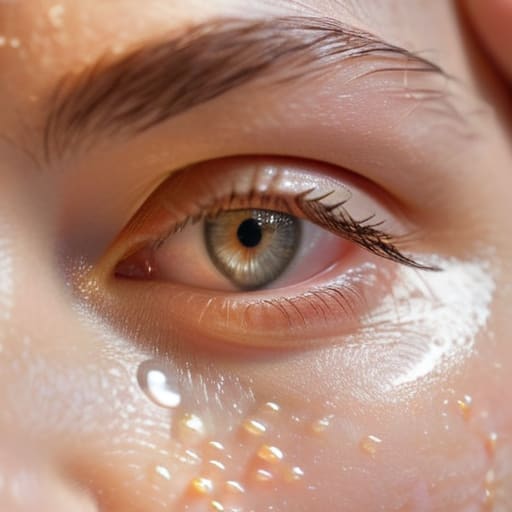
    If there is one ingredient that feels like a deep exhale for my face, it’s aloe vera. After I spent my early twenties stripping my skin bare with aggressive acids, I learned that sometimes the best thing you can do is actually stop fighting your skin and start soothing it. The soothing aloe vera benefits aren’t just hype; it’s one of those rare, simple botanical wonders that works to cool down redness and ease that tight, uncomfortable feeling we all know too well.

    I love incorporating it into my morning ritual because it feels weightless. Unlike some heavy creams that can feel suffocating, aloe provides a burst of hydration that settles beautifully under other products. It’s a cornerstone for anyone building a hypoallergenic skincare routine because it lacks the heavy fragrances or complex oils that often trigger a flare-up. For me, it’s not about adding more complexity to my shelf; it’s about finding those reliable, quiet essentials that help my skin feel calm and grounded again.
    Small Shifts for a Happier Skin Barrier

    • Stop the “more is better” mindset. When my skin was flared up, I realized that adding more products just meant more potential irritants. Stick to the basics—cleanse, hydrate, protect—and let your skin breathe.
    • Always patch test new arrivals. I know, it’s tempting to use that new serum immediately, but please, give it twenty-four hours on a small patch of skin first. It’s a tiny bit of patience that saves you from a week of redness.
    • Watch out for “hidden” fragrance. Even if a bottle looks beautiful on your shelf, if it’s heavily scented, it might be a trigger. I’ve learned to prioritize fragrance-free over “scented like nature” every single time.
    • Temperature matters more than you think. I used to love a steaming hot shower, but that’s basically a recipe for stripping your natural oils. I’ve switched to lukewarm water, and my skin feels so much less tight afterward.
    • Listen to your skin’s signals. If your face feels stinging or looks extra blotchy, that’s your skin asking for a break. On those days, skip the actives and just lean into something simple and soothing.

    Finding Your Calm: The Essentials

    Less is almost always more; when your skin is feeling reactive, strip your routine back to just the basics to let your barrier heal.

    Look for ingredients that soothe rather than strip, focusing on things like aloe vera or ceramides that respect your skin’s natural state.

    Listen to your skin’s signals instead of following every new trend—if a product stings or feels heavy, it’s okay to let it go.

    Less Noise, More Peace

    “I learned the hard way that your skin doesn’t need a battlefield of harsh actives to thrive; it just needs a little bit of kindness and a routine that feels like a deep breath rather than another item on your to-do list.”

    Neha Rajagopal

    Finding Your Calm

    Finding Your Calm with gentle skincare.

    At the end of the day, managing sensitive skin isn’t about chasing every new, aggressive trend that pops up on my social media feed. It’s about returning to those basics we talked about: building a routine around hypoallergenic essentials, listening to your skin’s cues, and leaning into the soothing, restorative power of ingredients like aloe vera. I’ve learned the hard way that more is rarely better when your barrier is compromised. By stripping things back to a few high-quality, gentle products, you aren’t just protecting your skin; you are reducing the mental clutter that often comes with complicated beauty regimens.

    I want you to remember that your skin is a living organ, not a project that needs constant fixing. Some days it will feel resilient, and other days it might feel a little reactive—and that is perfectly okay. Treat your skincare not as another item on your never-ending to-do list, but as a quiet moment of self-care to ground yourself before the day gets loud. You deserve to feel comfortable and at peace in your own skin, without the stress or the heavy price tag. Just keep it simple, keep it gentle, and be kind to yourself.

    Frequently Asked Questions

    How can I tell if a new product is actually causing a reaction or if my skin barrier is just having a bad week?

    Honestly, I’ve been there—staring in the mirror wondering if I’ve actually messed up or if my skin is just acting out. If it’s a reaction, you’ll usually see localized redness, itching, or tiny bumps right where you applied the product. But if your skin just feels tight, flaky, or “stingy” everywhere, that’s usually your barrier crying for help. When in doubt, strip it back to the basics and breathe.

    Is it possible to use active ingredients like Retinol or Vitamin C without triggering a flare-up?

    It’s the million-dollar question, isn’t it? Honestly, I used to think it was an “either/or” situation, but you can definitely use actives without the drama. The trick is all about the “low and slow” approach. Instead of diving into high percentages, try encapsulated retinol or a stable, buffered Vitamin C derivative. I always suggest sandwiching your retinoids between layers of moisturizer to protect your barrier. It’s about patience, not intensity.

    Are there specific ingredients I should look for that act as "safety nets" for my skin on days when it feels extra reactive?

    Think of these as your “emergency brake” ingredients. When my skin starts feeling tight or looks a little angry, I immediately look for ceramides to help repair that broken barrier, or centella asiatica (cica) to calm the redness. Panthenol is another lifesaver for instant soothing. These aren’t just trendy buzzwords; they’re the quiet little helpers that step in to stabilize everything when your skin decides to be extra sensitive.

  • Moisturizing Techniques for Dry Skin Types

    Moisturizing Techniques for Dry Skin Types

    I still remember the stinging sensation of waking up after a night of using way too many harsh, “miracle” acids, staring in the mirror at skin that felt less like a face and more like cracked parchment. I was convinced that the only way to fix my dehydration was to layer on more and more expensive serums, but all I did was compromise my barrier even further. If you feel like you’re constantly chasing a glow that never arrives, please know that your struggle with skincare for dry skin isn’t because you aren’t doing enough—it’s likely because you’re doing too much.

    I’m not here to sell you a fifteen-step ritual or a cabinet full of luxury jars that promise the moon. Instead, I want to share the stripped-back, science-backed approach that finally helped me find my footing again. We’re going to focus on intentional, soothing steps that actually repair your moisture barrier without breaking the bank. Consider this my no-nonsense guide to reclaiming your comfort and finding a routine that actually feels like a moment of peace.

    Table of Contents

    How to Soothe Flaky Skin With Gentle Essentials

    How to Soothe Flaky Skin With Gentle Essentials

    When my skin starts feeling tight and looks a bit patchy, my first instinct is to reach for the strongest exfoliant I own. I’ve learned the hard way that this is a mistake. Instead of scrubbing the flakes away, we need to focus on how to soothe flaky skin by replenishing what’s actually missing. I’ve found that the secret lies in layering products that mimic our skin’s natural structure. This is where looking for ingredients like ceramides for skin barrier health becomes a game-changer; they act like the mortar between your skin cells, sealing everything in and preventing that constant moisture loss.

    I also like to keep things simple during these flare-ups. I swap my foaming washes for creamy, non-stripping options—essentially looking for the best cleansers for dry skin types that won’t leave me feeling “squeaky clean” (which is usually just a polite way of saying “stripped”). If you’re feeling particularly parched, try focusing on a few high-quality, soothing layers rather than a dozen different serums. It’s about being intentional, not exhaustive.

    Choosing the Best Cleansers for Dry Skin Types

    Choosing the Best Cleansers for Dry Skin Types

    I used to think that if my face didn’t feel “squeaky clean,” I hadn’t actually washed it. I was wrong. That tight, stripped sensation is actually a huge red flag that you’re damaging your moisture barrier. When you’re searching for the best cleansers for dry skin types, look for milky, cream, or oil-based textures rather than anything that foams up aggressively. Foaming agents can act like a vacuum for your natural oils, leaving you feeling even more parched by the time you reach for your towel.

    Instead, I’ve leaned into formulas that prioritize ceramides for skin barrier health. These little lipids act like the mortar between your skin cells, helping to lock moisture in rather than letting it evaporate. If you can find a cleanser that includes soothing ingredients like glycerin or squalane, grab it. It makes the whole process feel less like a chore and more like a soft, nourishing ritual. It’s all about supporting your skin’s natural defenses from the very first step of your morning or evening routine.

    My non-negotiables for keeping hydration locked in

    • Stop washing your face with hot water. I know, it feels amazing in the shower, but it’s basically stripping your natural oils away. Stick to lukewarm water to keep your barrier intact.
    • Apply your moisturizer while your skin is still damp. If you wait until your face is bone-dry, you’re missing the best window to trap that hydration in. Think of it like sealing in moisture rather than just layering it on top.
    • Ditch the harsh scrubs. When my skin gets flaky, my instinct used to be to scrub it all away, but that just creates more micro-tears. Switch to a gentle chemical exfoliant like Lactic Acid once a week—it’s much kinder to a sensitive barrier.
    • Layer a hydrating serum under your cream. If your skin is feeling particularly tight, a simple Hyaluronic Acid serum can act like a big drink of water before you seal everything in with your moisturizer.
    • Don’t forget the neck and chest. I used to stop at my jawline, but those areas are just as prone to dryness and fine lines. Treat your neck with the same gentle love you give your face.

    My simple rules for staying hydrated

    Stop chasing the “burn”—if a product stings or feels too aggressive, your skin barrier is likely crying for help, so switch back to basics.

    Layering is your best friend; applying your moisturizer while your skin is still slightly damp from washing helps lock in that much-needed moisture.

    Less really is more—focus on a few high-quality, soothing ingredients rather than overwhelming your skin with a dozen different actives.

    Finding peace in your routine

    “When your skin feels tight and uncomfortable, the instinct is to reach for more products, but usually, what your barrier actually needs is less—less friction, less harshness, and more of that quiet, intentional hydration that lets your skin finally breathe.”

    Neha Rajagopal

    Finding Your Calm

    Finding Your Calm with gentle skincare.

    At the end of the day, managing dry skin isn’t about hunting down every single miracle ingredient on the market or following a complicated ritual that leaves you feeling overwhelmed. We’ve covered how the right, non-stripping cleanser can set the stage, and how focusing on soothing, moisture-locking essentials can help calm those flaky patches. It really comes down to listening to what your skin is actually telling you rather than following a trend. If your barrier feels compromised, strip things back, lean into gentle hydration, and focus on consistency over complexity.

    I know how frustrating it is to look in the mirror and see tightness or dullness, especially when you feel like you’ve tried everything. But please remember that your skin is a living organ, not a project to be “fixed.” Skincare should be a quiet moment of self-care—maybe even a little ritual while your Lo-Fi playlist plays in the background—rather than another item on your stressful to-do list. Be patient with yourself and your skin. Once you stop fighting against it and start nurturing it with intention, you’ll find that a minimalist approach is often the most rewarding way to glow.

    Frequently Asked Questions

    Should I stop using my exfoliating acids altogether if my skin is feeling extra flaky?

    Honestly? Yes. If your skin is actively flaking, that’s your barrier’s way of screaming for a timeout. I’ve been there—trying to “scrub away” the flakes with more acid, only to make the irritation way worse. For now, put the AHAs and BHAs in a drawer. Focus entirely on hydration and barrier repair. Once your skin feels calm and supple again, you can slowly reintroduce them, but for today, let’s just prioritize peace.

    Is it actually possible to stay hydrated throughout the day without feeling like my face is covered in heavy grease?

    Honestly, I used to think “hydrated” meant “greasy,” but I was just using the wrong textures. The trick isn’t more oil; it’s about layering lightweight, water-based hydration. Think hyaluronic acid or a soothing glycerin serum on damp skin, then sealing it in with a breathable, gel-cream moisturizer. It gives you that plump, dewy look without that heavy, suffocating feeling. It’s all about feeding your skin water, not just coating it in wax.

    How do I know if my skin is actually dry or if I'm just dealing with a damaged moisture barrier?

    Honestly, I used to confuse the two all the time until I wrecked my own barrier with too many acids. Here’s the difference: true dry skin just feels tight and looks a bit dull because you lack oil. But a damaged barrier? That’s a different kind of chaos. It’s usually accompanied by stinging, redness, or unexpected breakouts. If even your “gentle” moisturizer makes your face sting, your barrier is likely screaming for help.

  • Managing Oily Skin Through Consistent Care

    Managing Oily Skin Through Consistent Care

    I still remember the feeling of blotting my face every twenty minutes during my early twenties, feeling like my skin was a constant, shiny distraction from everything else I was trying to achieve. I used to think that the only way to handle it was to strip my face raw with harsh, alcohol-heavy toners, thinking I could just scrub the oil away. I was wrong, and honestly, I was making it worse by destroying my skin barrier in the process. If you’ve been told that effective skincare for oily skin requires a mountain of expensive, aggressive products that leave your face feeling tight and irritated, I’m here to tell you that the industry has been lying to you.

    I’m not interested in selling you a twenty-step ritual that feels like a second job. Instead, I want to share a more grounded, minimalist approach that actually works with your biology rather than against it. In this guide, I’m cutting through the marketing noise to give you the honest, science-backed essentials you actually need. We’re going to focus on finding that sweet spot where your skin feels calm, balanced, and clear without the unnecessary stress or the massive price tag.

    Table of Contents

    The Magic of Oil Free Cleanser Benefits

    The Magic of Oil Free Cleanser Benefits.

    I used to think that if my skin felt “squeaky clean,” it meant I was actually winning the battle against shine. In reality, I was just stripping my barrier and triggering even more oil production. Switching to an oil-free cleanser was the first step in my journey toward balancing facial oils without the rebound effect. When you use a formula that doesn’t add unnecessary lipids to the mix, you’re essentially giving your skin a chance to find its own equilibrium.

    The real beauty of these formulas lies in how they respect your texture. Instead of heavy creams that sit on the surface, I look for something that offers gel-based hydration to soothe the skin while lifting away excess sebum. This is a cornerstone of a solid non-comedogenic skincare routine, as it ensures you aren’t inadvertently clogging the very pores you’re trying to clear. It’s about being intentional—removing what you don’t need while keeping the peace for the layers underneath. For me, it’s less about a harsh deep-clean and more about a gentle, effective reset.

    Balancing Facial Oils Without the Stress

    Balancing Facial Oils Without the Stress.

    Once I realized that stripping my skin bare was actually making my oil production worse, everything changed. It’s such a frustrating cycle: you feel greasy by noon, so you scrub harder, only to wake up even oilier the next day. The secret isn’t about fighting your biology; it’s about balancing facial oils through gentle, consistent care. I’ve learned that when you treat your skin with kindness rather than aggression, it stops feeling the need to go into “overdrive” mode to protect itself.

    When building a non-comedogenic skincare routine, I always look for products that provide moisture without adding heaviness. For me, that usually means swapping out thick creams for something like gel-based hydration. It feels weightless on the skin and sinks in almost instantly, which is perfect for those mornings when I’m rushing to finish a client project. You want to nourish your skin barrier so it stays resilient, rather than just trying to soak up every bit of shine. It’s about finding that sweet spot where your skin feels comfortable, calm, and—most importantly—like you.

    My Low-Stress Rules for Keeping Oil in Check

    • Stop over-cleansing. I know it’s tempting to scrub your face until it feels “squeaky clean,” but that’s exactly how I ruined my barrier years ago. If you strip away all your natural oils, your skin will just panic and produce even more. Stick to a gentle, pH-balanced wash and call it a day.
    • Embrace the lightweight hydration. One of the biggest myths I used to believe was that oily skin doesn’t need moisturizer. In reality, if your skin is dehydrated, it’ll compensate by overproducing sebum. Look for oil-free, water-based gels that sink in quickly without feeling heavy or greasy.
    • Let your ingredients do the heavy lifting. Instead of a cabinet full of random bottles, look for a few reliable actives like Niacinamide. It’s a total game-changer for regulating oil production and calming redness without being harsh on your skin.
    • Don’t skip the SPF, even on cloudy days. A lot of people avoid sunscreen because they think it’ll make them look like a grease ball, but there are so many amazing, matte-finish formulas now. Finding one that feels weightless is a huge win for your morning routine.
    • Listen to your skin’s rhythm. Some days your skin might feel extra oily, and other days it might feel a bit sensitive. Instead of sticking to a rigid, punishing schedule, allow yourself to pivot. If you’re feeling extra reactive, skip the extra steps and just focus on soothing, basic hydration.

    My Top Three Rules for a Calm, Clear Complexion

    Stop stripping your skin; when you chase that “squeaky clean” feeling with harsh products, you’re actually just triggering your skin to produce even more oil to compensate.

    Focus on lightweight, breathable hydration rather than heavy creams—your skin needs moisture, but it doesn’t need to feel smothered.

    Keep your routine simple and consistent; it’s much better to have three reliable products you actually enjoy using than a drawer full of actives that leave your barrier feeling stressed.

    Finding Your Balance

    Finding Your Balance with healthy oily skin.

    “I used to think that if my skin felt ‘squeaky clean,’ I was doing something right, but I was actually just stripping away my barrier and causing more oil production. Now, I treat my skin like a garden—you don’t fix it by being harsh; you fix it by providing the right environment to let it settle into its own natural balance.”

    Neha Rajagopal

    Finding Your Balance

    At the end of the day, managing oily skin doesn’t have to feel like a constant battle against your own biology. We’ve talked about how a gentle, oil-free cleanser can do the heavy lifting without stripping your barrier, and how finding that sweet spot of hydration is the real secret to preventing that midday shine. It’s all about working with your skin rather than trying to force it into submission with harsh, aggressive actives. Remember, the goal isn’t to achieve a matte, porcelain finish that feels tight and uncomfortable; it’s about finding a steady, healthy equilibrium that lasts from your morning coffee until you hit the pillow.

    If there is one thing I want you to take away from this, it’s that your skin is not the enemy. I know how frustrating it can be when you feel like you’re doing everything “right” and still seeing excess oil, but please be kind to yourself. Skincare should be a ritual that grounds you, not another item on a stressful to-do list. Focus on those few reliable essentials that make you feel good, and let the rest of the noise fade away. You deserve to feel calm and confident in your own skin, one simple step at a time.

    Frequently Asked Questions

    If I'm already using an oil-free cleanser, do I still need to use a moisturizer to keep my skin from overcompensating?

    This is such a common question, and honestly, it’s exactly where I went wrong in my early twenties. The short answer? Yes, please. I used to think skipping moisturizer would “dry out” my oil, but I was actually just stripping my barrier and causing my skin to panic and produce even more oil. Think of moisturizer as the peacekeeper; it tells your skin it’s hydrated enough so it can finally stop overcompensating.

    How can I tell the difference between my skin being actually oily versus just being dehydrated and stripped?

    This is such a common point of confusion, and honestly, it’s exactly how I ended up ruining my own skin barrier years ago. Here’s the easiest way to tell: if your skin feels tight, itchy, or looks a bit flaky but still produces a layer of oil on top, you’re likely dehydrated. Your skin is actually crying out for water, not more oil. True oily skin usually feels supple and flexible, even when it’s shiny.

    Are there specific ingredients I should avoid that might accidentally trigger more breakouts while I'm trying to manage the shine?

    Honestly, it’s so easy to accidentally make things worse when you’re trying to control shine. I used to reach for heavy, comedogenic oils thinking I needed “moisture,” but it just clogged everything up. Watch out for thick silicones or heavy coconut oil if you’re breakout-prone. Also, be careful with high concentrations of denatured alcohol; it feels great for that instant matte look, but it can strip your barrier and trigger even more oil production.