Category: Guides

  • Using Clay Masks for Skin Health

    Using Clay Masks for Skin Health

    I still remember the stinging sensation of my skin after I spent my entire early twenties aggressively attacking my breakouts with every harsh acid on the market. I thought more was better, but I was actually just destroying my barrier and leaving my face raw and reactive. I used to think that achieving “clear skin” required a complex, expensive chemical cocktail, but I’ve learned that sometimes the most effective way to reset is to go back to basics. Realizing the actual clay mask benefits isn’t about stripping your skin until it’s tight and uncomfortable; it’s about finding that sweet spot where you can actually clear out impurities without the chaos.

    I’m not here to sell you on a twenty-step ritual or a luxury jar that costs more than my monthly grocery bill. Instead, I want to share what I’ve learned from years of trial, error, and a lot of skin-repairing research. I’m going to walk you through the real, science-backed clay mask benefits that actually matter for a busy, realistic lifestyle. My goal is to help you cut through the marketing noise so you can treat your skincare like the moment of peace it’s meant to be.

    Table of Contents

    Extracting Impurities From Pores Without the Stress

    Extracting Impurities From Pores Without the Stress

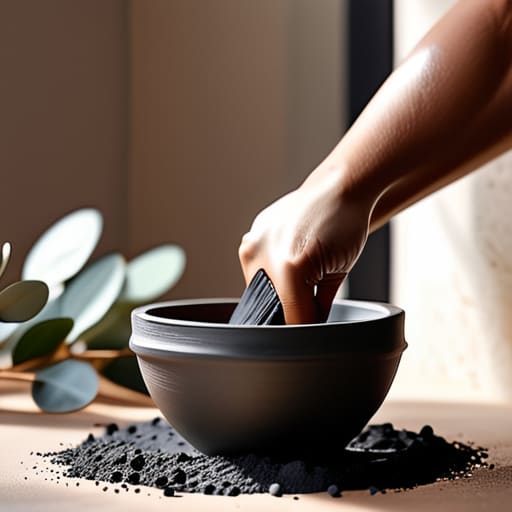
    When I was in my early twenties, I used to think “deeper is better,” scrubbing my face until it felt raw and tight. I thought that was the only way to get clean, but I was actually just destroying my barrier. Now, I view extracting impurities from pores much more gently. A good clay mask works like a magnet, drawing out excess sebum and environmental pollutants without you having to do any of the heavy lifting or aggressive scrubbing. It’s about letting the minerals do the work while you just sit there and breathe.

    If you’re wondering which one to reach for, the debate of kaolin vs bentonite clay usually comes down to your skin’s specific needs. I personally lean toward kaolin when I’m feeling a bit reactive, as it’s much milder. Bentonite is amazing for a deep clean, but if you have a more delicate complexion, you’ll want to look specifically for a clay mask for sensitive skin to avoid that “stripped” feeling. It’s all about finding that balance between a thorough clean and keeping your moisture barrier intact.

    Kaolin vs Bentonite Clay Finding Your Skins Peace

    Kaolin vs Bentonite Clay Finding Your Skins Peace

    When you’re standing in the skincare aisle, staring at a dozen different jars, it’s easy to feel overwhelmed. But once you understand the basics of kaolin vs bentonite clay, choosing the right one becomes much more intuitive. Think of it like choosing the right tea for your mood; one is a gentle hug, while the other is a much-needed wake-up call.

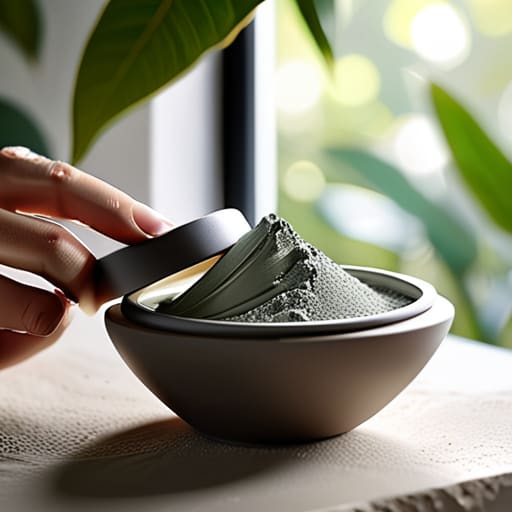
    If you have a delicate complexion or have dealt with a damaged barrier like I once did, Kaolin is your best friend. It’s much milder and acts as a gentle cleanser that lifts away debris without leaving your face feeling tight or stripped. It’s truly the gold standard for anyone searching for a reliable clay mask for sensitive skin.

    On the flip side, if you’re navigating a more intense skincare routine for oily skin, Bentonite is the heavy hitter. It has a much stronger ability to absorb excess sebum and pull out deep-seated congestion. It can feel a bit more intense as it dries, but for those of us dealing with stubborn congestion, it’s incredibly effective at calming the chaos of an oily T-zone.

    How to Make Clay Work for You (Without the Drama)

    • Don’t let it crack. I used to think a mask only worked if it felt tight and dry, but that’s actually when it starts sucking the moisture right out of your skin. Rinse it off while it’s still slightly tacky to keep your barrier happy.
    • Less is definitely more. You don’t need a thick, heavy layer to see results; a thin, even coating is plenty. Overdoing it just makes a mess and wastes your product.
    • Consistency over intensity. Instead of a heavy-duty session once a week that leaves your face feeling stripped, try a gentler, more frequent approach that fits into your actual life.
    • Always follow up with love. Because clay is so good at pulling things out, you have to give back. Always follow your mask with a soothing, hydrating moisturizer to seal everything in.
    • Listen to your skin’s cues. If your face feels red or irritated after a mask, your skin is telling you it’s too much. Back off the frequency and maybe switch to a gentler clay like Kaolin.

    Finding Your Flow with Clay Masks

    Don’t overdo it; treat your clay mask as a weekly moment of calm rather than a daily chore to avoid stripping your skin’s natural barrier.

    Choose your clay wisely by matching the intensity to your skin type—think gentle Kaolin for sensitivity and stronger Bentonite for deeper cleaning.

    Focus on the feeling, not just the results; use your mask time to unplug, breathe, and give your skin the reset it deserves.

    ## Less Noise, More Balance

    “I used to think a ‘good’ skincare routine meant stripping my skin until it felt tight and raw, but I’ve learned that real progress happens when you stop fighting your skin and start listening to it. A clay mask shouldn’t feel like a harsh intervention; it should feel like a quiet reset button for your pores.”

    Neha Rajagopal

    Finding Your Skin's Balance

    Finding Your Skin's Balance with clay masks.

    At the end of the day, choosing a clay mask isn’t about adding another complicated step to your sink; it’s about choosing the right tool for your specific needs. Whether you opt for the gentle, soothing touch of Kaolin to protect a sensitive barrier or the deep-cleansing power of Bentonite to tackle excess oil, the goal is the same: clarity without irritation. We’ve talked about how these masks work to pull impurities from your pores and how to distinguish between the different types of clay, so now the ball is in your court. Just remember to listen to your skin and avoid the temptation to overdo it—consistency and the right ingredients will always beat a harsh, aggressive approach.

    I know how easy it is to get lost in the endless cycle of skincare trends and expensive, multi-step regimens that leave you feeling more overwhelmed than refreshed. But I promise you, true radiance doesn’t come from a twenty-step routine; it comes from giving your skin the space to breathe and treating it with kindness. Let your weekly mask be more than just a treatment; let it be that quiet, Lo-Fi moment in your morning or evening where you simply check in with yourself. You deserve a routine that feels like a sanctuary, not a chore.

    Frequently Asked Questions

    How often should I actually be using a clay mask without stripping my skin's natural moisture?

    This is where I used to mess up—I’d overdo it, thinking more was better, and ended up with a totally compromised barrier. Honestly? For most of us, once or twice a week is the sweet spot. If you have oily skin, you might lean toward twice, but if you’re feeling a bit dry or sensitive, once a week is plenty. Listen to your skin; if it feels tight or “squeaky,” you’ve gone too far.

    Can I use a clay mask if my skin barrier is already feeling sensitive or irritated?

    Honestly? If your barrier is currently screaming at you, I’d suggest hitting the pause button on clay masks for a few days. I learned that the hard way when I overdid the actives in my early twenties. When your skin feels stinging or tight, it needs hydration and soothing lipids, not deep cleansing. Wait until that sensitivity settles, then stick to a gentle Kaolin mask to keep things calm and controlled.

    Do I need to wait for the mask to crack and get uncomfortable before I wash it off?

    Honestly, no—and please, stop doing that to yourself! I used to think the “cracked and tight” feeling meant it was working, but that’s actually when your skin starts losing its natural moisture. If your mask is cracking, it’s already overstayed its welcome. I prefer washing mine off while it still feels slightly tacky. It keeps the hydration in and prevents that post-mask redness. Your skin barrier will definitely thank you for it.

  • The Connection Between Nutrition and Skin Health

    The Connection Between Nutrition and Skin Health

    I still remember standing in front of my bathroom mirror three years ago, staring at a face that felt tight, angry, and completely stripped of its natural life. I had spent a small fortune on high-strength acids and “miracle” serums, convinced that more was always better, only to realize I had completely wrecked my skin barrier. It was a massive wake-up call that led me away from the chemical chaos and toward something much more grounded: understanding the real skin food benefits that come from what we actually put on our plates. We’ve been sold this idea that a glowing complexion is something you buy in a fancy glass bottle, but honestly? That’s just expensive noise.

    I’m not here to give you a complicated, expensive grocery list or suggest that eating a single blueberry will magically fix your complexion overnight. Instead, I want to share what I’ve learned through trial, error, and a lot of research into how simple, whole foods can actually support your skin’s resilience. My goal is to help you find a calmer, more sustainable way to nourish your body so your skin can finally do what it was meant to do: look healthy, vibrant, and completely at peace.

    Table of Contents

    Nourishing From Within Dietary Nutrients for Skin Health

    Nourishing From Within Dietary Nutrients for Skin Health

    I used to think that a high-end serum could fix anything, but my years of over-exfoliating taught me that true resilience starts much deeper than the surface. When I finally stopped chasing every “miracle” ingredient and started looking at my plate, everything changed. It’s not about perfection; it’s about finding those small, sustainable ways to support your barrier from the inside.

    Incorporating specific dietary nutrients for skin health doesn’t require a total lifestyle overhaul. For me, it’s as simple as adding a handful of walnuts or some flaxseeds to my morning oats. These are incredible sources of omega-3 fatty acids for complexion, helping to keep that lipid barrier strong and supple. When your skin is properly nourished, it feels less reactive and much more “bouncy.”

    I also love leaning into colorful, seasonal produce to help with fighting oxidative stress with diet. Think deep berries or leafy greens from my little herb garden. These little powerhouses act like a natural shield for your cells. It’s less about a restrictive diet and more about adding in the good stuff to help your skin find its own natural rhythm.

    Finding Your Glow Through Simple Superfoods for Glowing Skin

    Finding Your Glow Through Simple Superfoods for Glowing Skin

    I used to think that if I wasn’t applying a serum every three hours, my skin wouldn’t look good. But after my barrier mishap in my early twenties, I learned that true radiance starts much deeper than the surface. Incorporating superfoods for glowing skin into my daily meals has been such a game-changer for my complexion. I’ve started adding chia seeds to my morning yogurt and snacking on walnuts; these are incredible sources of omega-3 fatty acids for complexion support, helping to keep my skin feeling supple rather than parched.

    It’s not about being perfect or following some restrictive, intense diet. For me, it’s about those small, intentional additions—like tossing a handful of blueberries into my smoothie or enjoying some avocado on toast. These tiny shifts are actually powerful ways of fighting oxidative stress with diet, protecting your cells from the daily grind. When I focus on these simple, whole foods, I notice my skin looks much more resilient and calm. It turns out, feeding your body well is the most sustainable way to achieve that effortless, lit-from-within look.

    My Low-Stress Guide to Eating for Better Skin

    • Focus on healthy fats first. I used to think I needed expensive serums, but adding avocado or a handful of walnuts to my breakfast does way more for my skin barrier than any high-strength active ever could.
    • Hydrate with intention. It’s not just about chugging water; I love sipping on herbal teas while I tend to my indoor herbs. It keeps me hydrated and gives me that little moment of calm I need in the morning.
    • Don’t fear the color. I try to make my plate look like a rainbow. The more vibrant the veggies—think deep leafy greens or bright bell peppers—the more antioxidants you’re getting to fight off that dull, tired look.
    • Keep your sugar intake steady. I learned the hard way that sugar spikes can lead to inflammation and breakouts. It’s not about being perfect, but finding a balance so my skin doesn’t feel the “crash.”
    • Listen to your body, not the trends. If a certain “superfood” makes your skin feel reactive or sluggish, drop it. Skincare is personal, and your diet should feel as nourishing for your soul as it does for your complexion.

    My Simple Philosophy for Skin-First Eating

    Stop chasing expensive serums for a moment and focus on the basics; true radiance starts with consistent, nutrient-dense fuel that supports your skin barrier from the inside out.

    You don’t need a restrictive diet to see results—just aim for small, sustainable additions like more leafy greens or healthy fats that make your skin feel nourished rather than stressed.

    Think of food as your foundation, not a quick fix; when you prioritize whole foods, you’re giving your skin the long-term resilience it needs to handle the daily hustle.

    The Real Secret to a Healthy Barrier

    “After years of trying to ‘fix’ my skin with aggressive acids and complicated serums, I finally realized that the most sustainable glow doesn’t come from a bottle—it comes from the quiet, consistent way we nourish our bodies from the inside out.”

    Neha Rajagopal

    Finding Your Balance

    Nourishing skin by Finding Your Balance.

    At the end of the day, getting your skin right isn’t about finding some magic, expensive serum or following a complicated checklist of supplements. It’s about the small, intentional choices we make every single day—like swapping that sugary snack for a handful of berries or adding more leafy greens to your lunch. By focusing on these foundational nutrients, we aren’t just chasing a temporary glow; we are actually building a stronger, more resilient skin barrier from the inside out. Remember, your skin is a reflection of your internal environment, so nourishing your body is the most effective skincare step you can ever take.

    I know how easy it is to get overwhelmed by the endless cycle of beauty trends and “must-have” ingredients, but I promise you, it doesn’t have to be that way. Skincare should feel like a gentle hug, not another item on your stressful to-do list. Start small, listen to what your body is telling you, and be patient with the process. You don’t need perfection to see a difference; you just need consistency and kindness toward yourself. Take a deep breath, grab a glass of water, and trust that true radiance comes from a place of balance and ease.

    Frequently Asked Questions

    If I’m already using a solid skincare routine, will adding these foods actually make a visible difference?

    Honestly? Yes, but it’s not an overnight transformation. Think of your topical skincare as the “external repair crew” and your diet as the “internal foundation.” You can apply the best serums in the world, but if you’re lacking essential fatty acids or antioxidants, your skin is essentially trying to build a house on sand. Adding these nutrient-dense foods won’t replace your routine, but it provides the raw materials your cells need to actually sustain that glow.

    Do I need to go full vegan or strictly follow a specific diet to see these skin benefits, or can I just make small tweaks?

    Honestly? Please don’t feel like you have to overhaul your entire life overnight. I’ve been there, and the stress of a restrictive diet usually does more harm to my skin (and my mood) than any veggie could fix. It’s not about perfection or going full vegan; it’s about those tiny, sustainable swaps. Adding a handful of berries to your yogurt or swapping soda for water is more than enough to start seeing a difference.

    Are there any specific "skin foods" I should actually avoid if I'm trying to keep my inflammation down?

    Honestly, if your goal is calming inflammation, the easiest move is to dial back on highly processed sugars and refined carbs. I used to reach for sugary snacks when I was stressed with copywriting deadlines, but I noticed my skin would flare up almost immediately. Try to keep an eye on heavy dairy and excessive salt, too. It’s not about being perfect; it’s just about choosing foods that don’t trigger that internal chaos.

  • Best Practices for Cleansing Your Skin

    Best Practices for Cleansing Your Skin

    I still remember the stinging sensation of my face feeling tight and “squeaky clean” after a nightly wash in my early twenties. At the time, I thought that intense, stripped feeling meant the product was working, but in reality, I was just systematically destroying my skin barrier with harsh surfactants. I fell for the myth that more bubbles and more friction equaled better results, but all those expensive, aggressive cleansers did was leave me red, reactive, and incredibly frustrated. If you’re currently drowning in a sea of complicated marketing, let me tell you: most of those high-intensity skin cleansing tips you see online are actually just a recipe for irritation.

    I’m not here to sell you a ten-step ritual or a luxury cream that costs more than my monthly grocery bill. Instead, I want to share the gentle, science-backed approach that actually helped me heal my skin and find my calm. I’m going to walk you through some straightforward, no-nonsense advice on how to clean your skin without compromising your health. We’re going to focus on what your skin actually needs to stay balanced, so you can get back to your day feeling refreshed rather than overwhelmed.

    Table of Contents

    The Art of Choosing a Gentle Facial Cleanser

    The Art of Choosing a Gentle Facial Cleanser.

    When I was in my early twenties, I thought “clean” meant my skin should feel tight and squeaky after washing. I was actually stripping away my natural oils and doing massive damage to my skin barrier protection. Looking back, I realize that a truly effective product shouldn’t leave you feeling like your face is two sizes too small. Instead, you want to look for a gentle facial cleanser that respects your skin’s delicate pH.

    I’ve learned to prioritize ingredients that soothe rather than sting. If you’re navigating a busy morning, you don’t need a complex formula; you just need something that handles the heavy lifting of removing excess sebum and environmental pollutants without the drama. I personally gravitate toward creamy, non-foaming textures that feel more like a hug for my face than a harsh chemical scrub. It’s about finding that sweet spot where your skin feels refreshed and clean, but still supple and hydrated. Taking that extra minute to massage a soft cleanser into your skin is such a grounding way to start your day—especially when my Lo-Fi playlist is just hitting that first mellow beat.

    Prioritizing Skin Barrier Protection Over Harsh Stripping

    Prioritizing Skin Barrier Protection Over Harsh Stripping

    I learned this the hard way. Back in my early twenties, I thought that if my face didn’t feel “squeaky clean” and tight after washing, I wasn’t actually getting clean. I was essentially scrubbing my life away, chasing that stripped sensation as if it were a badge of honor. In reality, I was just destroying my natural defenses. When you focus too much on removing excess sebum with aggressive, high-pH soaps, you end up inviting more trouble than you solve.

    True skin barrier protection means finding that sweet spot where your skin feels refreshed but still supple and hydrated. When your barrier is compromised, your skin becomes reactive, red, and prone to those sudden, frustrating flare-ups. Instead of trying to “blast” your pores open, I’ve shifted my entire daily skincare routine toward supporting the moisture barrier. It’s about being kind to your cells. If your skin feels tight or itchy after you step out of the shower, your cleanser is likely too aggressive. Let’s stop fighting our skin and start working with it instead.

    My Five Non-Negotiables for a Calming Cleanse

    • Temperature matters more than you think. I used to think hot water felt “cleaner,” but it actually strips your natural oils away. Stick to lukewarm water to keep your barrier intact and your skin feeling soft, not tight.
    • Ditch the aggressive scrubbing. I learned the hard way that those exfoliating brushes can do more harm than good if you’re using them daily. Use your fingertips in gentle, circular motions—treat your face like it’s as delicate as my indoor herbs.
    • Double cleansing is a game changer, but keep it simple. If I’ve been wearing SPF or makeup all day, I use a soothing oil cleanser first to melt everything away, followed by my gentle water-based cleanser. It feels like a mini spa ritual every single night.
    • Less is more with your movements. You don’t need to massage your face for ten minutes to get results. A focused, one-minute cleanse is plenty to remove impurities without overstimulating your skin or causing redness.
    • Pat, don’t rub. When I’m finished, I reach for a soft microfiber towel and gently pat my skin dry. Rubbing your face dry with a rough towel is just adding unnecessary friction and stress to your skin barrier.

    My Three Golden Rules for a Calmer Cleanse

    Stop chasing that “squeaky clean” feeling; if your skin feels tight after washing, your cleanser is likely stripping away the very oils your barrier needs to stay healthy.

    Prioritize soothing ingredients like ceramides or glycerin over aggressive acids when you’re choosing a daily cleanser to keep your skin calm and resilient.

    View your cleansing step as a mindful ritual rather than a chore—take those extra thirty seconds to massage the product in and actually breathe.

    Less is More

    “I used to think that if my face didn’t feel ‘squeaky clean’ and tight, I wasn’t actually washing it. It took a broken skin barrier and a lot of redness for me to realize that true cleanliness shouldn’t feel like a punishment; it should feel like a reset.”

    Neha Rajagopal

    Finding Your Rhythm

    Finding Your Rhythm with gentle skincare.

    At the end of the day, effective cleansing isn’t about finding the most expensive bottle on the shelf or following a complicated set of rules. It’s about recognizing that your skin is a living, breathing organ that deserves gentle, intentional care. We’ve talked about why choosing a mild cleanser is non-negotiable and why protecting your skin barrier is far more important than that “squeaky clean” feeling that actually signals damage. By stripping away the unnecessary noise and focusing on simple, science-backed basics, you aren’t just cleaning your face—you’re setting the foundation for everything else in your routine to actually work.

    I know how easy it is to get caught up in the hype of new ingredients and viral trends, but I promise you, your skin doesn’t need more complexity; it needs more consistency and kindness. Let your evening cleanse be that quiet moment of transition from a hectic workday to a peaceful night. Whether you’re listening to your favorite Lo-Fi tracks or just enjoying the silence, treat this ritual as a way to reconnect with yourself. You deserve to feel comfortable and confident in your own skin, and starting with a little bit of peace is the best way to get there.

    Frequently Asked Questions

    How do I know if my cleanser is actually stripping my skin instead of just feeling "squeaky clean"?

    Honestly, that “squeaky clean” feeling is usually a huge red flag. If your skin feels tight, itchy, or looks slightly shiny but feels parched immediately after washing, your barrier is crying for help. I used to chase that tight sensation, thinking it meant I was actually clean, but I was just stripping away my natural oils. If your face feels like it’s two sizes too small right after rinsing, it’s time to switch to something gentler.

    Is it worth using a double cleanse if I'm not wearing heavy makeup every day?

    Honestly, even if you’re skipping the heavy foundation, I still find a double cleanse so worth it. Think of it less as “removing makeup” and more as “clearing the slate.” Between daily SPF, urban pollution, and the natural oils your skin produces, a single gentle wash sometimes just doesn’t cut it. Using an oil-based balm first helps melt those stubborn impurities away without stripping your barrier, leaving your skin feeling actually clean, not tight.

    Can I use my gentle cleanser if I'm still using active ingredients like retinol or salicylic acid?

    Absolutely, and honestly, I’d say you should. When you’re using heavy hitters like retinol or salicylic acid, your skin is already doing a lot of heavy lifting—and it’s likely more prone to irritation. Using a gentle, non-stripping cleanser is actually your best defense. Think of it as creating a calm foundation so those actives can do their job without leaving your skin feeling tight, red, or completely overwhelmed.

  • Finding the Best Moisturizer for Oily Skin

    Finding the Best Moisturizer for Oily Skin

    I remember sitting at my desk a few years ago, staring at my reflection in a darkened monitor and feeling that familiar, uncomfortable slickness on my forehead. I had spent so much money on “oil-control” products that promised to strip my skin bare, only to end up with a face that felt tight, red, and completely broken. It’s a frustrating cycle: you try to fight the shine, but you end up starving your skin of the very hydration it needs to function. Finding a decent moisturizer for oily skin shouldn’t feel like a high-stakes science experiment or a constant battle against your own biology.

    I’m not here to sell you on a ten-step ritual or a luxury cream that costs more than my monthly grocery budget. Instead, I want to share what actually works for a busy, real-world lifestyle. I’m going to help you cut through the marketing noise to find gentle, effective hydration that keeps you matte without the irritation. We’re going to focus on simple, science-backed options that respect your skin barrier and, more importantly, give you back a little bit of peace of mind during your morning routine.

    Table of Contents

    The Gentle Magic of Water Based Skincare Formulas

    The Gentle Magic of Water Based Skincare Formulas.

    When I was in my early twenties, I used to think that if my face felt “tight” or “dry,” it meant I needed to slather on a heavy, thick cream to fix it. I couldn’t have been more wrong. For those of us dealing with excess shine, heavy occlusives often just sit on top of the skin, feeling suffocating and heavy. This is where water-based skincare formulas truly become a game-changer. Instead of trying to coat your skin in wax, these formulas sink in almost instantly, delivering deep hydration without that dreaded greasy film.

    I’ve learned that the goal isn’t to strip your skin of everything; it’s about finding that perfect balance. By opting for an oil-free facial moisturizer, you’re giving your skin the water it actually craves while avoiding the heavy lipids that trigger more oil production. It’s much more about replenishing moisture than it is about adding more oil. It feels lighter, breathes better, and honestly, it just makes my morning routine feel a lot less chaotic.

    Why Sebum Control Skincare Isnt About Stripping Your Glow

    Why Sebum Control Skincare Isnt About Stripping Your Glow

    I used to think that if my face felt “squeaky clean,” it meant I was winning. I would scrub, strip, and dry my skin until it felt tight and uncomfortable, thinking I was finally winning the battle against shine. But that’s exactly when my skin started overcompensating, producing even more oil to protect itself. I learned the hard way that sebum control skincare isn’t about a scorched-earth policy; it’s about teaching your skin to find its own balance.

    When we focus on aggressive, drying products, we actually trigger a cycle of irritation. Instead, the goal is to find an oil-free facial moisturizer that provides the hydration your cells crave without adding a heavy, suffocating layer on top. You want to soothe the skin, not punish it. By choosing products that focus on calming the inflammation rather than just removing the surface oil, you’re actually helping your skin feel more stable and less reactive over time. It’s about working with your biology, not against it.

    My Minimalist Guide to Keeping the Shine in Check

    • Look for “non-comedogenic” on the label—it’s basically a peace treaty for your pores, ensuring the product won’t clog them up while you’re busy living your life.
    • Prioritize humectants like hyaluronic acid or glycerin; they pull moisture into your skin like a soothing drink of water without adding a heavy, greasy layer.
    • Apply your moisturizer while your skin is still slightly damp from washing; it helps lock that hydration in much more effectively and keeps things feeling light.
    • Don’t fear the gel texture. I’ve learned that lightweight gel-creams are a total game-changer for oily skin because they sink in almost instantly.
    • Less is actually more. You don’t need to slather it on; a pea-sized amount is usually plenty to get the job done without making you feel like a grease trap by lunchtime.

    My Three Golden Rules for Oily Skin

    Stop the “strip and scrub” cycle; your goal is to balance your oil, not fight a war against it with harsh cleansers.

    Look for lightweight, water-based textures that sink in quickly so you aren’t sitting there feeling heavy or greasy all day.

    Keep it simple and focus on hydration—when your skin is actually hydrated, it won’t feel the need to overproduce oil to compensate.

    Finding Your Balance

    “I used to think that if my face felt tight and squeaky-clean, it meant it was working—but that was actually me just destroying my skin barrier. Now, I know that the secret to managing oily skin isn’t about fighting the oil, it’s about giving your skin the calm, lightweight hydration it actually needs so it stops overcompensating.”

    Neha Rajagopal

    Finding Your Skin's Calm

    Finding Your Skin's Calm with hydration.
    At the end of the day, managing oily skin doesn’t have to feel like a constant battle against your own biology. We’ve talked about why ditching those heavy, suffocating creams for water-based formulas is a game changer, and why the goal should always be balance rather than total oil depletion. Remember, it’s not about stripping your skin until it feels tight and uncomfortable; it’s about providing the hydration it craves so it doesn’t feel the need to overcompensate with extra sebum. When you focus on gentle, targeted ingredients, you stop fighting your skin and start working with it.

    I know how overwhelming it can feel when you’re staring at a shelf full of products that promise everything but deliver nothing but breakouts. But please, give yourself permission to simplify. Your skincare routine shouldn’t be another item on a stressful to-do list; it should be that quiet, lo-fi moment in your morning where you just breathe and reset. You don’t need a complicated ritual to achieve a healthy glow. Just find what works for your unique needs, keep it consistent, and trust the process. Your skin will thank you for the peace.

    Frequently Asked Questions

    Is it actually possible to skip moisturizer if my skin already feels oily by lunchtime?

    I get this question all the time, and honestly, I’ve been there. When your face feels like a grease trap by noon, skipping moisturizer seems like the logical move. But here’s the catch: your skin might actually be overproducing oil because it’s dehydrated. If you skip that step, your barrier struggles, and you end up in a cycle of oiliness. Stick to a lightweight, water-based gel; it keeps things calm without the heaviness.

    How can I tell if my moisturizer is actually hydrating my skin or just sitting on top of it?

    It’s a frustrating feeling, isn’t it? Like you’ve applied a layer of nothingness that just lingers on the surface. Honestly, the best way to tell is by how your skin feels about an hour later. If your face feels tight or “thirsty” despite the product, it’s likely just sitting there. True hydration should leave your skin feeling bouncy and supple from within, not just looking shiny or feeling heavy on top.

    Will using a lightweight moisturizer help prevent those random hormonal breakouts?

    Honestly, yes. It sounds counterintuitive, but when you skip moisturizer because you’re oily, your skin often panics and produces more sebum to compensate. That extra oil is a playground for bacteria, which can trigger those frustrating hormonal breakouts. By using a lightweight, breathable moisturizer, you’re actually telling your skin it’s okay to chill out. It keeps the barrier intact so your skin stays balanced rather than reacting to dryness with more congestion.

  • Mineral and Chemical Sunscreens Explained

    Mineral and Chemical Sunscreens Explained

    I still remember the stinging sensation on my face after a summer in my early twenties, when I thought more was always better and completely ignored the importance of a proper barrier. Now, when I’m staring at the endless aisles of the drugstore, I feel that same old decision fatigue creeping in. It’s overwhelming to stand there trying to weigh the pros and cons of mineral vs chemical sunscreen while your brain is already halfway through a chaotic to-do list. You just want to protect your skin without feeling like you’re performing a complex science experiment every single morning before your coffee.

    I’m not here to sell you on a cult-favorite brand or a complicated ten-step process that leaves you feeling more stressed than protected. Instead, I want to offer some straightforward, honest clarity based on what I’ve learned through my own skin mishaps and a lot of research. We’re going to strip away the marketing fluff and look at how these two formulas actually behave on real skin. My goal is to help you find a simple, effective way to stay sun-safe that actually fits into your life without the extra noise.

    Table of Contents

    The Mineral Approach

    UV protection with The Mineral Approach.

    Mineral sunscreen, often called physical sunscreen, works by sitting on top of your skin to act as a literal shield against UV rays. It uses active ingredients like zinc oxide or titanium dioxide to reflect sunlight away from your face, rather than absorbing it. The biggest selling point here is that it provides immediate protection the moment you apply it, without needing to wait for it to sink in.

    I remember when I was first trying to repair my damaged skin barrier, I felt so intimidated by everything on the shelf. For me, mineral formulas became a peace of mind essential because they are much less likely to cause irritation or stinging. If you have sensitive skin or you’re someone who just wants to step outside without a twenty-minute waiting period, this type of sun protection feels incredibly reliable and gentle.

    The Chemical Approach

    Understanding The Chemical Approach to sunscreen.

    Chemical sunscreen works by using organic compounds that absorb into your skin and convert UV rays into a small amount of heat, which is then released from the body. This mechanism allows for much thinner, more lightweight textures, making it the go-to choice for those who want a seamless finish under makeup or moisturizer. Because these formulas are designed to be absorbed, they often feel much less heavy on the skin throughout the day.

    In my experience, especially on those busy mornings when I’m rushing to finish a copywriting project, I value how easily chemical sunscreen integrates into a fast-paced life. There’s no thick, white residue left behind, which was a huge struggle for me in my early twenties. It’s all about finding that effortless application that doesn’t make you feel like you’re wearing a mask, allowing you to just get on with your day.

    Comparison of Sunscreen Types

    Feature Mineral Sunscreen Chemical Sunscreen
    Active Ingredients Physical blockers (Zinc Oxide/Titanium Dioxide) Chemical filters (Avobenzone/Oxybenzone)
    Mechanism of Action Reflects/scatters UV rays Absorbs/converts UV rays to heat
    Application Timing Immediately upon application 20 minutes before sun exposure
    Skin Sensitivity Ideal for sensitive/reactive skin May cause irritation/allergic reactions
    Aesthetic Finish Often leaves white cast/heavier feel Clear application/lighter feel
    Best For Children and eczema-prone skin Daily wear and outdoor sports
    Environmental Impact Generally reef-safe Potential coral reef toxicity

    Understanding How Chemical Sunscreens Work Without the Stress

    Understanding How Chemical Sunscreens Work Without the Stress

    I used to think that if a product didn’t feel “heavy” on my skin, it wasn’t actually working. But after my skin barrier debacle in my early twenties, I realized that understanding the mechanics of what we put on our faces is the only way to avoid that cycle of irritation and guesswork. When we’re choosing between mineral and chemical options, knowing how they actually interact with your biology is the key to making a choice that feels intentional rather than reactive.

    Chemical sunscreens essentially act like a sponge; they absorb into your skin and soak up UV rays, converting them into heat that your body then releases. It’s a highly efficient process, but if you have ultra-sensitive skin, that heat or the specific filters used can sometimes feel a bit much. Mineral sunscreens, on the other hand, sit on the surface like a physical shield, reflecting light away. While they are incredibly gentle, they can sometimes feel a bit more “present” on your face during a busy workday.

    If your main goal is a seamless, invisible layer that disappears into your skin, chemical sunscreen wins for sheer ease of use.

    The Gentle Benefits of Titanium Dioxide for Your Calm

    If you’re like me and have ever dealt with a flare-up or a stinging sensation after applying a new product, you know that “gentleness” isn’t just a preference—it’s a necessity. When we talk about the mineral vs. chemical debate, the way these formulas interact with your skin’s surface is often the deciding factor in whether your morning routine feels like a moment of peace or a source of irritation.
    Chemical sunscreens work by absorbing into the skin to convert UV rays into heat, which can sometimes feel a bit heavy or even trigger sensitivity for those with compromised barriers. On the other hand, mineral options like titanium dioxide sit right on top of your skin, acting as a physical shield. Because they don’t require a chemical reaction within your skin layers, they are incredibly soothing for reactive types.

    For someone who has spent time repairing a damaged barrier, the choice is clear. While chemical filters are great for a weightless feel, titanium dioxide wins hands down when it comes to minimizing stress for your complexion.

    The Winner: Mineral (Titanium Dioxide)

    Finding Your Perfect Match

    If your skin is feeling sensitive or you’ve recently dealt with a compromised barrier, stick to mineral options like zinc oxide or titanium dioxide to keep things calm and irritation-free.

    Opt for chemical sunscreens if you’re always on the move and hate the feeling of heavy, white residue; they’re much easier to layer under makeup or wear during a busy workday.

    Don’t overthink it—the most important thing isn’t which formula is “better,” but which one you’ll actually enjoy wearing every single day so you stay protected without the stress.

    Finding Your Skin's Rhythm

    “Choosing between mineral and chemical sunscreen shouldn’t feel like a chemistry exam; it’s really just about listening to what your skin needs to feel protected and at peace throughout your day.”

    Neha Rajagopal

    Finding Your Sunscreen Flow

    At the end of the day, choosing between mineral and chemical sunscreen isn’t about finding a “perfect” product, but about finding what actually works for your unique skin and your daily rhythm. If you have sensitive skin or a compromised barrier—like I did back in my early twenties—leaning toward the soothing, physical protection of mineral formulas is usually my go-to. However, if you need something that disappears instantly so you can get on with your morning without a white cast, a well-formulated chemical sunscreen is a total lifesaver. It really just comes down to whether you prioritize gentle ingredients or sheer, effortless application.
    Please remember that the best sunscreen in the world is simply the one you actually enjoy wearing every single day. Don’t let the science or the endless ingredient lists turn your morning ritual into a source of anxiety. Skincare should be a way to care for yourself, not another item on a stressful to-do list. Whether you choose a mineral shield or a chemical spray, you are making a wonderful investment in your future self. Just put it on, take a deep breath, and go enjoy your day.

    Frequently Asked Questions

    Can I layer a chemical sunscreen under my makeup without it pilling or feeling greasy?

    The short answer? Yes, you totally can, but it usually comes down to the “wait time.” I’ve learned the hard way that rushing my morning routine is a recipe for pilling. After applying your chemical sunscreen, give it a solid three to five minutes to actually set before touching it with foundation. If you’re prone to greasiness, look for “milk” or “gel” textures—they tend to play much nicer with makeup than heavy creams.
    If I have really sensitive skin, is it safer to stick strictly to mineral formulas even if they leave a white cast?

    Honestly? If your skin is currently in a reactive or sensitive state, sticking to mineral is usually the safer bet. I learned that the hard way after I trashed my barrier. While that white cast can be annoying, the peace of mind knowing you aren’t putting potentially irritating chemical filters on your face is worth it. Think of it as a protective hug for your skin while it heals.

    Do I need to reapply my sunscreen more often if I'm working from home versus being outdoors?

    Honestly, this is such a common question when my workspace is right by a window. If you’re strictly indoors and away from direct sunlight, you don’t need to obsess over reapplying every two hours. However, if you’re sitting in a sun-drenched nook, those UV rays are still finding you. I usually just stick to my morning application, but if I feel that warmth on my skin, a quick refresh helps me stay protected without the stress.

  • The Correct Order for Layering Skincare Products

    The Correct Order for Layering Skincare Products

    I still remember sitting on my bathroom floor in my early twenties, surrounded by fifteen different bottles of expensive serums, wondering why my face felt like it was constantly on fire. I was following every “influencer” tutorial to the letter, convinced that more was better, but all I really ended up with was a completely wrecked skin barrier and a massive credit card bill. I learned the hard way that obsessing over a complicated skincare layering order doesn’t actually make your products work better; in fact, if you’re doing it wrong, you’re probably just wasting your money and irritating your skin for no reason.

    I’m not here to sell you a twelve-step ritual that takes up half your morning. Instead, I want to give you the honest, science-backed truth about how to actually layer your products so they actually sink in without the headache. We’re going to strip away the marketing fluff and focus on a simple, functional approach that respects your skin and your time. Consider this your no-nonsense guide to getting the most out of your routine without the stress.

    Table of Contents

    Mastering the Thinnest to Thickest Consistency Rule

    Mastering the Thinnest to Thickest Consistency Rule

    If you take one thing away from this, let it be this: think of your skin like a sponge. If you try to pour a thick, heavy cream onto a dry surface, it just sits there on top, right? To get the most out of your products, you have to follow the thinnest to thickest consistency rule. Start with those watery toners or lightweight essences that feel almost like nothing on your skin. This ensures that the molecules are small enough to actually penetrate, rather than just sliding around on a layer of oil.

    Once you’ve moved past the liquids, you can introduce your serums. This is where things get interesting, especially when it comes to active ingredients absorption. If you’re using something like a vitamin C in the morning or a retinol at night, applying it to clean, slightly damp skin (especially with hyaluronic acid application) can make a world of difference in how much your skin actually soaks up. By the time you reach your heavier moisturizers, you’ve already laid down the foundation for a healthy, hydrated glow.

    Maximizing Active Ingredients Absorption Without the Stress

    Once you’ve got the consistency rule down, the next step is figuring out how to actually get those powerhouse ingredients to work for you. I used to think more was better, but after my barrier-ruining era, I learned that active ingredients absorption is all about timing and patience. If you’re using something like a Vitamin C serum, you want it hitting your clean skin early in your skincare routine sequence so it can penetrate deeply without being blocked by heavier creams.

    It’s also important to remember that your skin has different needs depending on the time of day. For my morning vs evening skincare steps, I keep things much lighter in the AM. I’ll focus on a quick layer of hyaluronic acid on damp skin—which is honestly a game-changer for hydration—followed immediately by my moisturizer and, most importantly, my SPF. There’s no point in using expensive actives if you aren’t protecting your skin barrier from the sun right afterward. Keep it intentional, keep it simple, and let your skin do the heavy lifting.

    My Little Cheat Sheet for a Smoother Routine

    My Little Cheat Sheet for a Smoother Routine
    • Wait a beat between steps. You don’t need to rush; let your serums sink in for a minute before moving to the next layer so they don’t just sit on top of each other.
    • Don’t forget your neck and chest. I used to stop at my jawline, but your skin there is just as delicate and deserves the same love as your face.
    • Use your hands, not cotton pads. Rubbing your products in with your fingertips feels more like a ritual and helps the warmth of your skin aid absorption.
    • Seal it all in with a moisturizer. Think of your moisturizer as the “security guard” that locks all those expensive actives underneath so they can actually do their job.
    • Sunscreen is the non-negotiable final step. No matter how many serums you layered, if you don’t finish with SPF, you’re basically undoing all your hard work.

    The Bottom Line: Keeping It Simple

    Remember that consistency matters more than complexity; it’s better to have a three-step routine you actually enjoy than a ten-step one that feels like a chore.

    Always work from the lightest, water-based textures to your heavier creams to make sure every layer actually reaches your skin instead of just sitting on top.

    Listen to your skin above all else—if a new layer feels heavy or starts causing irritation, strip it back and focus on your barrier until things settle down.

    ## Finding Your Flow

    “At the end of the day, layering isn’t about following a rigid set of rules to achieve perfection; it’s about creating a rhythm that respects your skin’s barrier and gives you a few quiet minutes to just breathe.”

    Neha Rajagopal

    Finding Your Rhythm

    Finding Your Rhythm with skincare layering.

    At the end of the day, getting your layering order right isn’t about following some rigid, scientific law to the letter—it’s about making sure your skin actually has the chance to absorb the good stuff. Just remember the basics: start with your thinnest, water-based textures, move into your serums, and finish with those heavier creams or oils to lock everything in. By paying attention to consistency and being mindful of how you introduce active ingredients, you’re not just applying products; you’re building a foundation that respects your skin barrier rather than fighting against it.

    Please don’t feel like you have to master this all by tomorrow morning. If you find yourself overwhelmed by a shelf full of bottles, just strip it back to the essentials and find a flow that feels easy. Skincare should be your quiet moment of peace—the part of the day where you can just breathe and reset—not another item on a stressful to-do list. You don’t need a complicated ritual to see real results; you just need a little bit of consistency and a whole lot of self-kindness. Your skin will thank you for it.

    Frequently Asked Questions

    Does it matter if I apply my moisturizer before or after my facial oil?

    Think of your facial oil as the “sealant” for your routine. If you apply it before your moisturizer, the oil might actually act as a barrier, preventing your cream from soaking in properly. I usually save my oil for the very last step. Once my moisturizer has settled, I press a few drops of oil over it to lock in all that hydration. It’s a tiny tweak that makes a huge difference in how plump my skin feels.

    Can I skip certain steps in the layering process if I'm having a busy morning?

    Honestly? Yes. On those mornings when I’m running late and my Lo-Fi playlist is already halfway through, I strip everything back. If you’re short on time, just focus on the essentials: cleanse, moisturize, and SPF. That’s your non-negotiable trifecta. You can always save your serums or fancy treatments for a slower evening ritual when you actually have the headspace to enjoy them. Skincare should serve you, not the other way around.

    What should I do if my skin starts feeling heavy or "pilling" after I layer everything?

    If your skin starts feeling heavy or you notice those annoying little flakes—aka pilling—it’s usually a sign that your products aren’t playing nice together. Honestly, it often happens when you’re applying too much at once or not giving each layer enough time to sink in. Try giving your serum a minute to dry before moving to your moisturizer. If that doesn’t work, you might be layering a silicone-based product over a water-based one.

  • Ways to Minimize the Appearance of Pores

    Ways to Minimize the Appearance of Pores

    I still remember sitting on my bathroom floor in my early twenties, staring at a red, angry reflection in the mirror after a night of using way too many harsh acids. I was convinced that if I just scrubbed harder or used more expensive, high-strength treatments, I could somehow erase my skin texture. I spent a small fortune chasing these impossible “pore minimizing tips” that promised magic in a bottle, only to end up with a broken skin barrier and a lot of wasted money. It took a long time to realize that you can’t actually change your genetics, but you can definitely change how your skin behaves.

    I’m not here to sell you on a twelve-step ritual or some miracle serum that costs more than my monthly grocery bill. Instead, I want to share the gentle, science-backed approach that actually helped me find my footing again. We’re going to focus on practical, realistic ways to refine your texture and keep your skin looking calm and clear without the stress. Consider this your no-nonsense guide to working with your skin, rather than against it.

    Table of Contents

    Finding the Best Skincare Ingredients for Pores

    When I was in my early twenties, I thought “more is better,” and I ended up stripping my skin bare trying to scrub my pores away. I learned the hard way that you can’t actually “erase” pores—they are a natural part of your skin—but you can definitely manage how they look. If you’re looking for the best skincare ingredients for pores, I always suggest starting with something that works with your skin barrier rather than against it.

    For me, BHA is the absolute gold standard. Using a gentle salicylic acid for skin texture helps dissolve the oil and debris that get trapped inside the pore, making it look much more refined without the irritation of a harsh physical scrub. If your skin feels a bit more sensitive, you might also look into niacinamide; it’s a total game-changer for regulating oil production. It’s less about aggressive scrubbing and more about finding a balance that keeps your skin calm and clear. Finding that sweet spot in your oil control skincare routine is what really makes the difference between a stressful morning and a glowy, confident one.

    How to Reduce Pore Appearance Without the Stress

    How to Reduce Pore Appearance Without the Stress

    Honestly, the biggest mistake I see people making is trying to “scrub” their pores away. I learned that the hard way when I was in my early twenties; I thought more friction meant cleaner skin, but I just ended up with a damaged barrier and more inflammation. Instead of aggressive physical scrubs, I’ve learned that gentle chemical exfoliation for smooth skin is much more effective. Using a mild BHA helps clear out the gunk without making your face feel raw or irritated.

    If you’re looking for ways on how to reduce pore appearance without turning your bathroom into a chemistry lab, focus on consistency over intensity. A simple, effective oil control skincare routine can make a world of difference. When your skin isn’t overproducing sebum, your pores don’t have to work as hard to stay clear. I always tell my friends: don’t chase perfection. Just aim for balance. When your skin feels hydrated and calm, those tiny imperfections naturally seem to fade into the background.

    My Low-Stress Approach to Refined Skin

    My Low-Stress Approach to Refined Skin
    • Stop over-cleansing. I learned the hard way that scrubbing your face until it feels “squeaky clean” actually triggers more oil production, which makes pores look larger. Stick to a gentle, pH-balanced cleanser that respects your skin barrier.
    • Embrace the power of Niacinamide. It’s become a staple in my routine because it’s so much more forgiving than harsh acids. It helps regulate oil and keeps things looking balanced without that stinging sensation.
    • Don’t skip moisturizer just because you’re oily. When your skin is dehydrated, it tries to compensate by pumping out more sebum, which clogs everything up. Find a lightweight, water-based gel that sinks in quickly.
    • Use a clay mask as a treat, not a chore. Instead of leaving a drying mask on until it cracks, try a gentle kaolin clay mask once a week for about five minutes. It draws out impurities without stripping your natural oils.
    • Keep your tools clean. Whether it’s your makeup brushes or your reusable cotton pads, bacteria buildup is a huge culprit for congestion. A quick weekly wash makes a massive difference in how clear your skin looks.

    My Final Thoughts on Keeping Your Pores Happy

    Focus on consistency over intensity; it’s much better to use a gentle, reliable routine than to blast your skin with harsh actives that just end up damaging your barrier.

    Don’t chase perfection, just aim for balance—incorporating the right ingredients like niacinamide or salicylic acid can make a huge difference without turning your bathroom into a laboratory.

    Remember that skincare is meant to be a moment of peace for you, so if a product or a step feels like a stressful chore, it’s probably not worth the headache.

    A Shift in Perspective

    “We often treat our pores like flaws that need to be erased, but in reality, they’re just part of being human. Instead of trying to scrub them away with harsh acids, let’s focus on keeping our skin hydrated and calm—because when your barrier is healthy, your pores naturally look much more refined.”

    Neha Rajagopal

    Finding Your Skin's Balance

    Finding Your Skin's Balance with consistency.

    At the end of the day, managing your pores isn’t about finding a magic eraser or committing to a grueling, expensive regimen. It’s about being intentional with the ingredients you choose—like gentle exfoliants and soothing hydrators—and understanding that consistency beats intensity every single time. Remember, we talked about how stripping your skin with harsh actives can actually make things worse; instead, focus on keeping your barrier healthy and your routine manageable. When you stop fighting against your skin and start working with it, you’ll find that those little imperfections don’t need to be the center of your attention.

    I know how easy it is to get caught up in the endless cycle of “perfect” skin imagery we see online, but please try to be kind to yourself. Your skin is a living, breathing organ, not a filtered photo on a screen. My goal is for you to look in the mirror and see a face that looks healthy and rested, rather than a list of pores to be fixed. Take these simple steps, enjoy your morning ritual, and remember that true beauty comes from a place of calm and confidence. You’ve got this, and your skin will thank you for the peace.

    Frequently Asked Questions

    Is it actually possible to shrink my pores, or am I just trying to make them look smaller?

    Here’s the honest truth: you can’t actually change the physical size of your pores. They aren’t like doors that open and close; they’re just part of your skin’s structure. What we’re really doing is focusing on keeping them clear and the surrounding skin firm. When your pores aren’t clogged with oil or debris, and your skin stays hydrated, they naturally look much smaller and more refined. It’s about management, not magic.

    Can I use stronger acids if I have oily skin, or will that just mess up my skin barrier again?

    I’ve been there, and honestly, I learned this the hard way. It’s so tempting to reach for the strongest acid when your skin feels oily, but please be careful. Even oily skin has a barrier that can be compromised. If you go too heavy on the actives, you’ll end up with “dehydrated oily skin”—where your face is shiny but feels tight and irritated. I’d suggest starting slow with something gentle like Salicylic Acid rather than jumping into high-strength peels.

    How long does it actually take to see a difference in my skin texture after switching to a gentler routine?

    I know the feeling—you’re staring in the mirror every morning, waiting for that “glow” to appear. Honestly? It’s a marathon, not a sprint. Since we’re focusing on repairing your barrier rather than stripping it, give it about four to six weeks. That’s roughly the time it takes for your skin cells to actually turn over. Be patient with yourself; your skin is healing, and that takes a little bit of time.

  • How to Use Toner in Your Routine

    How to Use Toner in Your Routine

    I still remember the stinging sensation of my early twenties, standing in front of a bathroom mirror and wondering why my face felt like it was on fire. I had fallen for the “more is better” trap, layering aggressive acids and expensive, alcohol-heavy products, thinking I was doing something right. In reality, I was just stripping my barrier bare. I used to think a toner for skin was just another unnecessary, stinging step designed to sell more bottles, but I was wrong. I realized that when you stop chasing the burn, you actually start finding the balance your skin has been begging for.

    I’m not here to sell you on a complicated ten-step ritual or a luxury bottle that costs more than my weekly grocery haul. Instead, I want to share what I’ve learned through years of trial, error, and a lot of much-needed healing. I’ll show you how to pick a toner that acts as a gentle, calming reset rather than a harsh chemical assault. My goal is to help you cut through the marketing noise and find those simple, science-backed essentials that actually make your routine feel like a moment of peace.

    Table of Contents

    Finding Balance Understanding Acidic vs Alkaline Skin

    Finding Balance Understanding Acidic vs Alkaline Skin

    If you’ve ever felt like your skin was suddenly tight, stinging, or just plain reactive, you might have been dealing with a pH imbalance. I learned this the hard way when I trashed my moisture barrier back in my early twenties. Essentially, our skin thrives in a slightly acidic environment—usually around a pH of 5.5. When we talk about acidic vs alkaline skin, we’re really talking about whether your skin’s natural defense system is functioning or if it’s being disrupted by harsh cleansers or environmental stressors.

    When your skin leans too alkaline, it loses that protective “acid mantle,” leaving you vulnerable to dryness and irritation. This is where a hydrating facial toner becomes such a game-changer. Instead of seeing it as just another liquid, think of it as a way to gently nudge your skin back into its happy, acidic zone. By restoring that balance, you’re actually supporting skin barrier repair and making sure your subsequent products can actually do their jobs. It’s not about adding more complexity; it’s about bringing your skin back to its natural state of equilibrium.

    Skin Barrier Repair the Secret to Lasting Calm

    Skin Barrier Repair the Secret to Lasting Calm

    If you’re anything like me, you’ve probably been there: using too many harsh acids in an attempt to “fix” your skin, only to end up with redness, stinging, and a face that feels perpetually tight. I learned the hard way that when your skin feels reactive, it’s usually a sign that your moisture barrier is compromised. This is where skin barrier repair becomes your absolute priority. Instead of reaching for more aggressive treatments, you need to focus on soothing the surface and sealing in moisture to help those natural defenses bounce back.

    When your barrier is struggling, I highly recommend pivoting toward a hydrating facial toner that focuses on nourishment rather than resurfacing. Think of it as a liquid hug for your face. While some people look for the exfoliating toner benefits to smooth out texture, a compromised barrier actually needs the opposite—calm, gentle hydration. By incorporating a soothing, non-stripping step into your existing skincare routine steps, you’re giving your skin the space it needs to heal itself without the constant irritation.

    My Minimalist Guide to Using Toner Without the Stress

    • Listen to your skin above all else. If your face feels tight or stinging after applying a product, that’s your skin’s way of saying it’s overwhelmed. Swap out those harsh, alcohol-heavy formulas for something soothing and hydrating instead.
    • Keep it simple with the “patting” method. You don’t need fancy cotton pads that end up in the trash; just pour a little into your palms and gently press it into your skin. It feels much more like a ritual and less like a chore.
    • Timing is everything. I’ve found that applying toner while my skin is still slightly damp from cleansing helps lock in that extra bit of moisture, making my serums work even harder.
    • Don’t chase the “sting.” A lot of people think if a toner doesn’t tingle, it isn’t working. Honestly? That’s a myth. If it stings, it’s likely disrupting your barrier. Look for ingredients like rosewater, glycerin, or chamomile that feel like a calm exhale.
    • Use it as a reset, not a multi-step marathon. If you’ve had a long day or your skin feels a bit dull, a quick sweep of a hydrating toner can be a tiny, five-second moment of peace to help you feel refreshed before your next step.

    The Bottom Line: Keeping It Simple

    Don’t chase the “sting”—if a toner makes your skin tingle or burn, it’s likely disrupting your pH rather than helping it.

    Prioritize barrier health by choosing hydrating, soothing toners over harsh, alcohol-heavy formulas that strip your natural oils.

    Skincare doesn’t have to be a marathon; a single, effective toner can be the bridge that helps your skin stay calm and ready for the rest of your day.

    ## Redefining the Routine

    “I used to think toner was just another loud, stinging step in a complicated routine, but I’ve learned it’s actually the quiet reset your skin craves—a way to bridge the gap between cleansing and healing without the chaos.”

    Neha Rajagopal

    Finding Your Skin's Rhythm

    Finding Your Skin's Rhythm with skincare.

    At the end of the day, finding the right toner isn’t about chasing every viral trend or buying a dozen different bottles. It’s about understanding that your skin is a living, breathing ecosystem that needs balance. Whether you’re leaning into a gentle, hydrating formula to support your skin barrier or using a mild acid to clear away congestion, the goal is always the same: stability. Remember that once you’ve mastered the basics of pH balance and moisture retention, you can stop overthinking the process. You don’t need a complicated chemistry experiment on your vanity; you just need a few reliable, science-backed essentials that respect your skin’s natural rhythm.

    I know how overwhelming it feels when your skin decides to act up, especially when you’ve already spent too much time trying to “fix” it with harsh products. But please, be kind to yourself. Skincare should be a way to reconnect with yourself, not another item on a stressful to-do list. Think of your toner as that small, quiet moment of reset in your morning or evening—a way to breathe and settle back into your own skin. You deserve to feel comfortable and confident, and I promise, simplicity is almost always the answer.

    Frequently Asked Questions

    Can I still use a toner if my skin is feeling particularly sensitive or irritated?

    Honestly, if your skin is feeling angry or extra sensitive, the best move is often to hit the pause button. I’ve been there—redness, stinging, the whole works. When your barrier is compromised, even “gentle” toners can feel like too much. If you absolutely feel like you need one, skip anything with actives or fragrance and stick to a soothing, milky, or hydrating formula. Otherwise, just stick to water and a barrier-repair cream until things calm down.

    Do I really need to use a toner every single day, or is it okay to skip it sometimes?

    Honestly? You can totally skip it sometimes. I used to think skincare was this rigid, all-or-nothing ritual, but that’s exactly how I ended up overworking my skin. If your barrier feels strong and your cleanser is gentle, a toner isn’t a non-negotiable. On those mornings when I’m running late or just feeling a bit burnt out, I skip the extra step. Listen to your skin—if it feels hydrated and calm, you’re doing just fine.

    Is it better to apply my toner with a cotton pad or just use my hands to save time?

    Honestly, it’s a toss-up depending on what you need in the moment. If you’re trying to sweep away leftover cleanser or dead skin, a cotton pad is your best friend—it gives that extra bit of exfoliation. But if you’re just looking to hydrate and soak up some goodness, skip the pad. Just splash a few drops into your palms and press it directly into your skin. It’s faster, saves product, and feels much more intentional.

  • Finding Products for Sensitive Skin

    Finding Products for Sensitive Skin

    I still remember the stinging sensation of my face feeling like it was on fire after I decided to “level up” my routine with a high-percentage acid serum in my early twenties. I thought more was better, but all I ended up with was a compromised barrier and a face that reacted to everything. It took a long time—and a lot of redness—to realize that the beauty industry loves to sell us complexity, when what we actually need are sensitive skin products that prioritize healing over hype. We’ve been conditioned to think that if a product doesn’t sting or smell like a botanical garden, it isn’t working, but that’s a lie that leaves our skin feeling exhausted.

    I’m not here to sell you a twelve-step ritual or a collection of overpriced glass bottles that sit uselessly on your shelf. Instead, I want to share the science-backed essentials that actually calmed my skin and helped me find my footing again. My goal is to help you cut through the marketing noise and find a few reliable, gentle staples that make your morning routine feel like a moment of peace rather than a stressful experiment. Let’s get back to the basics and focus on what your skin actually needs to thrive.

    Table of Contents

    Choosing a Gentle Cleanser for Reactive Skin

    Choosing a Gentle Cleanser for Reactive Skin.

    If there is one thing I learned the hard way, it’s that your cleanser can either be your skin’s best friend or its worst enemy. I used to think that if my face didn’t feel “squeaky clean,” I wasn’t actually washing anything off. That was a huge mistake. For those of us with reactive types, that tight, stripped sensation is a massive red flag that you’ve just compromised your moisture barrier. Instead, you should be looking for a gentle cleanser for reactive skin that feels more like a soothing milk or a soft gel rather than a harsh soap.

    When you’re scanning labels, try to look for soothing ingredients for redness, like colloidal oatmeal, aloe, or centella asiatica. These help calm the inflammation while you cleanse. I also always check to make sure the formula is fragrance-free; avoiding common skin allergens is one of the easiest ways to prevent a random flare-up. The goal here isn’t to scrub your skin into submission, but to gently lift away the day while keeping your natural oils right where they belong.

    The Magic of Soothing Ingredients for Redness

    Once I realized I had compromised my own skin barrier, I stopped looking for “miracle” cures and started looking for ingredients that actually know how to behave. When your face feels hot or looks blotchy, you don’t need more exfoliation; you need a hug in a bottle. I’ve found that focusing on soothing ingredients for redness, like Centella Asiatica (Cica) or Mugwort, can completely shift the vibe of your complexion from angry to calm. These botanical powerhouses work to quiet the inflammation without the stinging sensation I used to get from harsher formulas.

    It’s also about what you don’t put on your face. Part of a successful barrier repair skincare routine is being hyper-aware of your ingredient list and avoiding common skin allergens like synthetic fragrances or drying alcohols. I always check my labels twice now. If a product promises to fix everything but smells like a bouquet of artificial roses, I’m putting it back on the shelf. We want ingredients that respect our biology, not ingredients that force it to react.

    My Golden Rules for Navigating the Sensitive Skin Maze

    My Golden Rules for Navigating the Sensitive Skin Maze
    • Always patch test before you commit. I know it’s tempting to dive straight into a new moisturizer, but I’ve learned the hard way to test a small amount on my jawline first. It’s better to lose five minutes than to spend five days dealing with a flare-up.
    • Read the ingredient list like it’s a grocery label. If you see “Fragrance” or “Parfum” high up on the list, put it back. I’ve found that most of my best skin days happen when I stick to products that skip the heavy scents and unnecessary dyes.
    • Less is almost always more. When my skin barrier feels compromised, my instinct is to add more “healing” creams, but that usually just overwhelms my face. I’ve learned to scale back to just the essentials until my skin feels calm again.
    • Watch out for “hidden” actives. A lot of products claim to be gentle but sneak in exfoliating acids like AHAs or BHAs without making it super obvious. If you’re prone to redness, double-check that your “soothing” cream isn’t secretly trying to resurface your skin.
    • Prioritize barrier-repairing ingredients. Look for things like ceramides, squalane, or colloidal oatmeal. Instead of trying to “fix” a problem with harsh treatments, I focus on feeding my skin the lipids it needs to protect itself naturally.

    My Three Golden Rules for Sensitive Skin

    Less is almost always more; stop adding new actives to your routine until your skin barrier feels stable and calm.

    Always prioritize soothing, science-backed ingredients like ceramides or centella over harsh, trendy exfoliants that promise instant results.

    Listen to your skin’s cues—if a product causes even a slight sting, it’s okay to let it go and find something gentler.

    Less is More When Your Skin is Reacting

    “I learned the hard way that more isn’t better; it’s just more stressful. When your skin is feeling reactive, stop trying to ‘fix’ it with aggressive actives and start trying to soothe it with ingredients that actually respect your barrier.”

    Neha Rajagopal

    Finding Your Calm

    Finding Your Calm with gentle skincare.

    At the end of the day, managing sensitive skin doesn’t have to feel like a constant battle against your own reflection. We’ve talked about the importance of picking a cleanser that respects your natural barrier and the power of soothing ingredients to quiet down that stubborn redness. It really comes down to one thing: listening to what your skin is actually telling you rather than following every viral trend that pops up on my feed. By focusing on a few high-quality, gentle essentials, you can stop the cycle of irritation and finally give your skin the peaceful environment it deserves to heal and thrive.

    I know how exhausting it can be when you feel like you’re constantly guessing, but please remember that your worth isn’t tied to having “perfect” skin. We all have our days where our barrier feels a little thin or our complexion looks a bit reactive, and that is perfectly okay. Skincare should be a way to care for yourself, a quiet moment of connection in a busy world, not another source of anxiety. Take it slow, be kind to yourself, and remember that consistency over complexity is always the winning strategy for a healthy, happy glow.

    Frequently Asked Questions

    How can I tell if a product is actually "gentle" or if it's just clever marketing?

    It’s so easy to get swept up in pretty packaging and “dermatologist-tested” claims, but I’ve learned to look past the label. I always flip the bottle over and scan the ingredient list first. If I see heavy fragrances, drying alcohols, or harsh essential oils right at the top, I put it back. To me, “gentle” means a short, transparent list of soothing ingredients, not a bunch of buzzwords designed to confuse us.

    Is it possible to use active ingredients like retinol if my skin is prone to reacting easily?

    It’s a valid fear, especially if you’ve been through a “skin barrier meltdown” like I have. The short answer? Yes, but with extreme caution. Don’t dive into high-strength formulas right away. I recommend starting with “retinal” or encapsulated retinol, which tends to be much gentler. Think of it like training for a marathon—start with a slow walk. Use it once or twice a week, always sandwich it between layers of moisturizer, and listen to your skin.

    How do I know if a breakout is a bad reaction to a new product or just my skin adjusting?

    This is such a common source of anxiety, and honestly, I’ve been there. Here’s my rule of thumb: if it’s just a few tiny bumps or a little texture, your skin might just be adjusting. But if you’re seeing intense redness, itching, or stinging, that’s your skin screaming “stop.” That’s a reaction, not an adjustment. If it feels like a burn, wash it off immediately and go back to your basics.

  • Choosing the Right Exfoliation Method for Your Skin

    Choosing the Right Exfoliation Method for Your Skin

    I still remember the stinging sensation in my bathroom mirror during my early twenties, staring at a face that was red, angry, and peeling. I thought I was doing something right by using every aggressive scrub and high-percentage acid the internet threw at me, but I was actually just tearing my skin barrier to shreds. We’ve been sold this lie that more is better—that you need a cabinet full of expensive, gritty products to see results—but the truth is that most popular exfoliation methods are just a recipe for irritation.

    I’m not here to sell you on a complicated ten-step process or a luxury scrub that feels like sandpaper. Instead, I want to share what actually works for a real, busy life without the unnecessary drama. I’ll be walking you through the different exfoliation methods that actually respect your skin’s natural balance, focusing on gentle, science-backed ways to get that glow. My goal is to help you find a routine that feels like a moment of peace rather than another stressful chore on your to-do list.

    Table of Contents

    Alpha Hydroxy Acids vs Beta Hydroxy Acids Finding Your Match

    Alpha Hydroxy Acids vs Beta Hydroxy Acids Finding Your Match

    When you start looking into chemical exfoliants, you’ll quickly realize that not all acids are created equal. I remember the first time I tried a high-strength peel; I thought more was better, but I ended up with a red, stinging mess that took weeks to heal. Learning the difference between alpha hydroxy acids vs beta hydroxy acids was a total game-changer for my skin barrier protection. AHAs, like glycolic or lactic acid, are water-soluble and work primarily on the surface. They are my go-to for improving skin radiance and smoothing out texture when my complexion feels a bit dull.

    On the other hand, BHAs (like salicylic acid) are oil-soluble, meaning they can actually dive into your pores to clear out congestion. If you struggle with breakouts or oily patches, BHAs are your best friend. However, if you’re looking for exfoliation for sensitive skin, I usually suggest starting with a very gentle AHA or a low-percentage BHA to see how your skin reacts. The goal isn’t to strip your face bare, but to find that sweet spot where your skin feels fresh without feeling tight or irritated.

    Effective Dead Skin Cell Removal Without the Harshness

    Effective dead skin cell removal without the harshness.

    If you’re anything like me, you’ve probably had that moment of looking in the mirror and seeing dullness that just won’t budge. It’s tempting to grab the strongest scrub you can find, but after my own experience wrecking my skin barrier, I’ve learned that less is almost always more. Effective dead skin cell removal doesn’t have to involve sandpaper-like beads or stinging sensations. Instead, look for ways to gently lift away those old cells so your skin can actually breathe again.

    For those of us who struggle with reactivity, finding the right approach to exfoliation for sensitive skin is a total game-changer. I usually lean toward very mild, liquid exfoliants that I can pat on after cleansing—it feels more like a ritual than a chore. The goal is improving skin radiance without triggering that dreaded redness or tightness. Remember, we aren’t trying to strip the skin down to the bone; we’re just clearing a path for hydration to sink in. Just listen to your skin—if it feels sensitive, take a breath and step back.

    How to Exfoliate Without Losing Your Mind (or Your Skin Barrier)

    • Listen to your skin above all else. If your face feels tight, stinging, or looks a little too shiny in a “plastic” way, you’ve gone too far. It’s much easier to scale back than it is to repair a damaged barrier.
    • Less is definitely more. You don’t need to exfoliate every single morning to see results. For most of us, once or twice a week is plenty to keep things glowing without causing unnecessary irritation.
    • Ditch the aggressive physical scrubs. I learned the hard way that those walnut scrubs or heavy beads can cause micro-tears. If you love a physical sensation, look for something with very finely milled particles that feels more like a gentle massage.
    • Always follow up with hydration. Think of exfoliation as clearing the path; you need to “fill” that fresh skin with moisture immediately afterward. A soothing, simple moisturizer is your best friend here.
    • Don’t forget the sun protection. Exfoliating—especially with acids—makes your skin a little more sensitive to UV rays. If you’re going to exfoliate in the morning, SPF is non-negotiable.

    My Golden Rules for Exfoliating Without the Stress

    Listen to your skin barrier above all else—if your face feels tight, stinging, or looks extra red, it’s time to back off and skip the actives for a few days.

    Less is definitely more; you don’t need to exfoliate every single day to see results, so aim for a frequency that feels sustainable and gentle.

    Focus on quality over quantity by choosing one reliable method that works for your skin type rather than juggling a drawer full of different products.

    The Golden Rule of Exfoliation

    “I learned the hard way that more isn’t better; exfoliation shouldn’t feel like you’re punishing your skin into submission, but rather like a gentle reset that leaves you feeling calm, not raw.”

    Neha Rajagopal

    Listen to Your Skin

    Listen to Your Skin for healthy exfoliation.

    At the end of the day, whether you lean toward the gentle touch of an AHA or the oil-loving properties of a BHA, the goal is the same: healthy, balanced skin. We’ve talked about finding that sweet spot between effective removal and maintaining your precious skin barrier, and that is where the magic happens. Remember, exfoliation isn’t a race to see how much you can strip away; it’s about choosing the right tool—be it a liquid exfoliant or a soft physical method—and using it with intentionality and care. If your skin feels tight, red, or just “off,” listen to it. It’s usually telling you to take a break, and that is perfectly okay.

    I know how tempting it is to chase that immediate, stinging “glow,” but I promise you, the best results come from consistency and patience, not intensity. Skincare should be a way to nourish yourself, not another item on your high-stress to-do list. Treat your exfoliation routine as a quiet moment of self-care—maybe even while your favorite Lo-Fi track is playing in the background—and let it be a way to reconnect with yourself. You don’t need a complicated, expensive regimen to feel confident; you just need to trust the process and be kind to your skin. You’ve got this.

    Frequently Asked Questions

    How often am I actually supposed to exfoliate without messing up my skin barrier again?

    Honestly, the “how often” question used to stress me out, especially after I trashed my barrier in my early twenties. There’s no magic number that fits everyone, but for most of us, 2–3 times a week is the sweet spot. Listen to your skin, not a trend. If you’re feeling tight or seeing redness, back off. Skincare should feel like a gentle reset, not a punishment for your pores.

    Can I use chemical exfoliants on the same night as my retinol, or is that asking for trouble?

    Honestly? I’d say it’s asking for trouble. After I trashed my skin barrier in my early twenties, I learned the hard way that “more” isn’t “better.” Using both in one night is a recipe for redness and irritation. Instead, try alternating them—maybe your acids on Monday and retinol on Tuesday. It keeps your skin working hard without turning your nightly routine into a stressful battle for your complexion.

    If I have really sensitive skin, are there any physical scrubs that won't leave me feeling raw and irritated?

    I totally get this. After I wrecked my own barrier in my early twenties, I became terrified of anything scratchy. If you have sensitive skin, stay far away from those walnut scrubs or anything with jagged edges. Instead, look for “micro-exfoliants” using jojoba beads or even just a soft, damp muslin cloth. It’s much more about gentle, rhythmic movement than force. Think of it as a soothing facial massage rather than a scrub.