Author: Neha Rajagopal

  • Methods for Skin Purification

    Methods for Skin Purification

    I still remember sitting on my bathroom floor a few years ago, staring at a face that felt tight, angry, and completely raw. I had spent months chasing every “miracle” ingredient on the market, thinking that if I just added one more potent acid, I’d finally achieve that glow. Instead, I had completely trashed my skin barrier. The beauty industry loves to sell us this idea that a skin detox requires a mountain of expensive, aggressive products to “purge” the bad stuff, but honestly? That’s just a recipe for more inflammation. Most of the time, your skin doesn’t need more stimulation; it needs a moment to breathe.

    I’m not here to sell you a twelve-step ritual or a collection of overpriced serums that promise the moon. My goal is to help you strip away the noise and get back to the basics of what actually works. In this post, I’m sharing my personal, no-nonsense approach to a skin detox that focuses on gentle restoration rather than harsh correction. We’re going to talk about how to hit the reset button on your complexion without the stress, so you can finally feel comfortable in your own skin again.

    Table of Contents

    The Quiet Power of Natural Skin Purification Methods

    The Quiet Power of Natural Skin Purification Methods

    When I first started looking into how to heal my barrier, I realized that “purifying” doesn’t have to mean scrubbing your face until it’s red. In fact, that’s the last thing you want to do. I’ve learned to lean into natural skin purification methods that work with my body rather than against it. Think of it less like a harsh chemical scrub and more like a gentle deep breath for your face. Using ingredients like honey or gentle clays allows you to support your skin’s natural rhythm without stripping away those essential lipids we worked so hard to get back.

    I’m a big believer in the idea that less is often much more. Instead of a complicated chemical peel, I focus on a simple, consistent detoxifying skincare routine that emphasizes hydration and soothing botanicals. For me, this might mean a quick steam with a drop of lavender oil or a clay mask once a week while my Lo-Fi playlist is on. It’s about finding those small, effective ways of removing skin toxins naturally that actually feel like a treat, rather than a chore.

    Why a Minimalist Detoxifying Skincare Routine Actually Works

    Why a Minimalist Detoxifying Skincare Routine Actually Works

    When I look back at my early twenties, I see a girl who thought more was always better. I used to pile on every harsh acid and exfoliating scrub I could find, thinking I was “cleaning” my skin, when I was actually just stripping away its ability to defend itself. The truth is, a minimalist approach works because it respects your biology. By focusing on a few high-quality, gentle steps rather than a chaotic lineup of products, you allow your skin’s natural barrier to repair itself. This is where the real facial detoxification benefits come from—not from aggressive scrubbing, but from giving your cells the space to function without constant interference.

    A streamlined routine prevents the “over-processing” trap that leads to breakouts and redness. When you focus on removing skin toxins naturally through mild cleansing and deep hydration, you aren’t just fighting surface-level issues; you’re supporting long-term health. Instead of a constant battle against clogged pores, a simplified method helps regulate your natural oil production. It turns your evening ritual from a frantic chore into a moment of intentional calm, ensuring your skin stays resilient rather than just temporarily “clean.”

    My Low-Stress Guide to Resetting Your Glow

    • Strip it back to the essentials. When my barrier felt trashed from too many acids, I realized that more products actually meant more irritation. For a detox, ditch the heavy actives and stick to a gentle, pH-balanced cleanser and a basic moisturizer for a few days.
    • Hydrate from the inside out. It sounds like a cliché, but I’ve noticed a massive difference in my skin’s texture when I actually prioritize water intake. Think of it as flushing out the system from the inside so your skin doesn’t have to work so hard.
    • Give your tools a deep clean. We often forget that our makeup brushes and even our phone screens are magnets for bacteria. If you’re trying to clear your skin, making sure your “touchpoints” are actually clean is a non-negotiable.
    • Prioritize actual sleep over late-night scrolling. I used to think skincare was just about what I put on my face, but I’ve learned that “beauty sleep” is real science. Your skin does its best repair work while you’re resting, not while you’re staring at a blue light.
    • Listen to your skin’s “noise.” If your face feels tight, stinging, or unusually oily, that’s your skin telling you it’s overwhelmed. Instead of trying to fix it with a new product, try doing nothing at all for a night. Sometimes the best detox is simply stepping away.

    My Top Three Rules for a Stress-Free Skin Reset

    Stop the “more is better” mindset; a detox isn’t about adding more products, but about stripping back the noise to let your natural barrier breathe.

    Focus on gentle, science-backed purification rather than harsh scrubs that leave your skin feeling stripped and angry.

    Consistency beats intensity every single time—give your skin a few weeks of calm, simple habits rather than one aggressive, overwhelming overhaul.

    Less is More When It Comes to Healing

    “A skin detox shouldn’t feel like a punishing regime or a list of chores; it’s really just about stripping away the noise and giving your skin the quiet, gentle space it needs to finally breathe again.”

    Neha Rajagopal

    Finding Your Rhythm Again

    Finding Your Rhythm Again with skin detox.

    At the end of the day, a skin detox isn’t about scrubbing your face raw or buying every trendy detox mask on the market. It’s about stripping away the excess and returning to the basics—gentle cleansing, hydration, and giving your barrier the space it needs to actually heal. We’ve talked about why natural purification works and why a minimalist approach is often much more effective than a complicated, multi-step regimen. Remember, the goal is to remove the noise, not add more stress to your morning routine.

    I know how easy it is to get caught up in the cycle of “more is better,” but I promise you, your skin doesn’t need more products; it needs more grace. Think of this reset as a way to reconnect with yourself, much like how I find my center while tending to my herbs in the morning. Let this be your permission to slow down and embrace a simpler, more intentional way of caring for your skin. You deserve to feel calm and confident in your own skin, without the overwhelm.

    Frequently Asked Questions

    Is a skin detox actually necessary if I'm already using a gentle cleanser every day?

    Honestly? Not necessarily. If your current routine is already gentle and consistent, you might not need a full-blown “detox.” For me, the idea of a detox isn’t about some radical overhaul; it’s more about a seasonal reset when my skin feels bogged down by pollution or stress. If your barrier is healthy and your cleanser is doing its job, don’t feel pressured to add more steps just because it’s a trend. Keep it simple.

    How can I tell if my skin is actually "detoxing" or if I'm just experiencing a reaction to a new product?

    This is such a good question, and honestly, it’s where most of us go wrong. If you’re seeing tiny, non-itchy bumps that clear up quickly, it might just be your skin adjusting. But if you’re dealing with stinging, redness, or actual peeling, stop right there. That’s not a “detox”—that’s a reaction. Your skin doesn’t need to hurt to get better. If it feels angry, your barrier is likely crying for help.

    Can I still use my favorite serums and actives while I'm trying to reset my skin barrier?

    Honestly? This is where I usually trip up, too. It’s tempting to cling to those high-performance serums, but if your barrier is struggling, those actives are likely just adding fuel to the fire. For now, I’d suggest hitting the pause button on your retinols and strong acids. Switch to simple, soothing hydration. Think of it as a temporary ceasefire—once your skin feels calm and resilient again, we can slowly reintroduce the good stuff.


  • Understanding the Skin Cell Turnover Cycle

    Understanding the Skin Cell Turnover Cycle

    I still remember sitting on my bathroom floor in my early twenties, staring at a face that felt tight, stinging, and completely raw. I was convinced that if I wasn’t aggressively scrubbing my skin with the harshest acids on the market, I wasn’t actually doing anything about skin cell turnover. I thought more was always better, but all I really did was shatter my skin barrier in a desperate attempt to chase a “glow” that felt more like a chemical burn. It took me a long time to realize that forcing your skin to renew itself isn’t a race, and overdoing it is often the fastest way to undo your progress.

    I’m not here to sell you a complicated, twelve-step ritual or a shelf full of expensive, stinging serums. Instead, I want to help you understand the actual science of how your skin heals and renews itself, without the unnecessary stress. We’re going to look at how to support your natural rhythm using gentle, intentional steps that work with your body, not against it. My goal is to give you the clarity you need to achieve healthy skin through minimalist, science-backed habits that actually fit into a real, busy life.

    Table of Contents

    Understanding the Epidermal Renewal Process Without the Noise

    Understanding the Epidermal Renewal Process Without the Noise

    Think of your skin like a living, breathing cycle rather than a static surface. At its core, the epidermal renewal process is just your body’s way of constantly replacing old, tired cells with fresh ones to keep your complexion looking vibrant. When this cycle is working smoothly, your skin feels supple and looks bright. However, as we navigate our thirties and beyond, we might notice things slowing down. There are so many factors affecting skin cell lifespan—everything from stress levels to lack of sleep—that can make this natural rhythm feel a bit sluggish.

    Instead of panicking and reaching for the strongest acid on your shelf, I like to view this as a gentle nudge rather than a complete overhaul. When the cycle stalls, we often see dullness or unevenness, which is why many people turn to exfoliation for skin texture. But the goal isn’t to strip your skin; it’s to support your skin barrier function and turnover so your face can do its job effectively. It’s about working with your biology, not fighting against it.

    Factors Affecting Skin Cell Lifespan and Your Daily Peace

    Factors Affecting Skin Cell Lifespan and Your Daily Peace.

    It’s easy to feel like your skin has a mind of its own, especially on those days when everything seems to be going wrong. In reality, there are several factors affecting skin cell lifespan that are constantly working behind the scenes. Things like chronic stress, lack of sleep, and even the environmental pollutants we encounter during a busy workday can slow down our natural rhythms. When we’re running on empty, our skin often reflects that exhaustion, making it feel dull or uneven.

    I’ve learned the hard way that trying to force a “glow” through aggressive intervention usually backfires. When we compromise our skin barrier function and turnover, we often end up with more irritation than results. Instead of reaching for the harshest acids when you notice a change in texture, I recommend looking at the bigger picture. Sometimes, the best way to support your skin isn’t by adding more products, but by prioritizing rest and hydration to let your body do what it does best. It’s about working with your biology, not against it.

    Five Gentle Ways to Support Your Natural Glow

    • Prioritize moisture to keep things moving; when your skin barrier is hydrated, those old cells can shed much more easily without causing irritation.
    • Don’t overdo the acids; instead of using harsh exfoliants every day, try a gentle, slow-acting chemical exfoliant once or twice a week to avoid stripping your natural oils.
    • Make sleep a non-negotiable part of your routine, as your skin does its heaviest lifting and most effective cellular repair while you’re actually resting.
    • Protect what you’ve built with SPF; UV damage can mess with your cell cycle, so think of sunscreen as the shield that keeps your renewal process on track.
    • Listen to your skin’s cues; if you’re feeling stinging or seeing redness, it’s a sign to back off the actives and let your skin’s natural rhythm reset itself.

    Keeping It Simple: My Top Three Takeaways

    Don’t rush the process; your skin has its own natural rhythm, and trying to force faster turnover with harsh products often does more harm than good.

    Focus on the basics—hydration and protection—to support your skin’s ability to renew itself without turning your bathroom into a science lab.

    Listen to your skin barrier; if you’re feeling irritation or redness, it’s a sign to scale back and prioritize gentle, intentional care over complex routines.

    Finding Balance in the Cycle

    “We often treat skin cell turnover like a race we need to win with more acids and harsher scrubs, but real glow comes from supporting your skin’s natural rhythm, not forcing it to move faster.”

    Neha Rajagopal

    Finding Your Rhythm

    Finding Your Rhythm with natural skin care.

    At the end of the day, understanding skin cell turnover isn’t about mastering a complex biological formula; it’s about recognizing that your skin is a living, breathing ecosystem. We’ve looked at how internal factors like stress and sleep, alongside external elements like UV exposure, can either support or disrupt this natural cycle. Remember, the goal isn’t to force your skin into submission with aggressive acids or a mountain of products. Instead, it’s about providing the right environment—through gentle hydration and protection—so your skin can do what it was designed to do on its own. When you stop fighting against your biology and start working with it, you’ll find that consistency beats intensity every single time.

    As you move forward with your routine, I want you to take a deep breath and let go of the pressure to achieve instant perfection. Skin health is a marathon, not a sprint, and your cells need time to move through their natural rhythms. Treat your skincare as a quiet moment of connection with yourself rather than another item on your never-ending to-do list. You deserve to feel comfortable and grounded in your own skin, without the stress of overcomplicating things. Trust the process, stay gentle with yourself, and let your natural glow find its own pace.

    Frequently Asked Questions

    How can I tell if my skin's turnover process is actually slowing down?

    Honestly, the easiest way to tell is by how your skin feels under your fingertips. If your complexion is starting to look a bit dull or “flat,” or if you’re noticing tiny, rough patches that weren’t there before, your turnover might be lagging. I used to mistake this for dryness, but it was actually just buildup. If your favorite moisturizer isn’t absorbing like it used to, that’s a huge hint your skin needs a little help renewing.

    Is it safe to use stronger exfoliants if I'm trying to speed things up, or will I just mess up my barrier again?

    I’ve been there, and honestly? I’ve made that mistake too. It’s so tempting to reach for the strongest acid when you’re impatient, but please, don’t do it. My skin paid the price for that exact mindset years ago. If you push too hard, you aren’t just speeding things up; you’re likely stripping your barrier, which leads to more inflammation and even slower healing. Slow, consistent, gentle exfoliation is always better than a quick, painful fix.

    Are there specific lifestyle habits, like sleep or diet, that can help my skin renew itself more effectively?

    Honestly, your skin is a direct reflection of your internal rhythm. I’ve learned the hard way that no expensive serum can outrun a week of poor sleep or a diet heavy on processed sugar. Prioritizing consistent sleep and staying hydrated acts like a gentle reset for your cells. Think of it as giving your skin the quiet time it needs to do its job. It’s not about perfection; it’s just about being kind to your body.

  • Stop the Morning Chaos: Why Simple Morning Rituals for a Productive Workday Are Better Than a Frantic To-do List.

    Stop the Morning Chaos: Why Simple Morning Rituals for a Productive Workday Are Better Than a Frantic To-do List.

    I used to think that being “productive” meant waking up at 5:00 AM, drinking a green juice that tasted like lawn clippings, and sprinting through a grueling twelve-step routine before my laptop even opened. Honestly? It was exhausting, and it left me feeling more burnt out than inspired before the clock even hit nine. We’ve been sold this idea that morning rituals for a productive workday have to be these intense, high-performance marathons, but I’ve learned the hard way that overcomplicating your start only leads to a mid-morning crash.

    I’m not here to sell you on a lifestyle overhaul or a list of expensive habits that require a PhD to maintain. Instead, I want to share the gentle, realistic shifts that actually help me protect my peace while getting things done. I’ll be walking you through a few low-maintenance rituals that focus on grounding your mind rather than draining your energy. My goal is to help you build a morning that feels like a deep breath rather than a chore, so you can actually show up for your work without feeling like you’re already running behind.

    Optimizing Morning Routine for Focus Without the Stress

    Optimizing Morning Routine for Focus Without the Stress

    Sometimes, finding that sense of calm is easier when you aren’t trying to do it all alone. I’ve found that connecting with others who value intentional living can make a huge difference in how we navigate our daily chaos. If you’re looking for a space that feels supportive and grounded, I really recommend checking out the Shemaleclub community; it’s been such a helpful resource for finding genuine connection and shared perspectives when the world feels a little too loud. It’s all about finding those small pockets of belonging that help you stay centered throughout the workweek.

    When I first started freelancing, I thought “productivity” meant waking up at 5:00 AM and immediately diving into my inbox. It was a recipe for burnout, plain and simple. Now, I’ve learned that optimizing morning routine for focus isn’t about how much you can cram into that first hour, but about how you protect your headspace. For me, that means letting my Lo-Fi playlist set the tone before I even touch my laptop. It creates a buffer between my sleepy, internal world and the demands of my clients.

    Instead of chasing intense productivity hacks, I focus on early morning habits for mental clarity that feel sustainable. This might be as simple as tending to my herbs for five minutes or doing a quick, gentle skincare routine that feels like a reset rather than a chore. When you approach your morning with intention rather than urgency, you aren’t just checking boxes; you are establishing a successful morning flow that carries you through the afternoon slump without the usual mid-day crash. It’s about working with your brain, not against it.

    Quiet Moments Morning Mindfulness for Stress Reduction

    For me, the transition from sleep to “work mode” used to be a frantic race against my alarm clock. I’d jump straight into checking emails, which felt like inviting a storm into my bedroom before I’d even brushed my teeth. Now, I’ve realized that morning mindfulness for stress reduction isn’t about sitting in a lotus position for an hour; it’s just about creating a buffer. Whether it’s five minutes of deep breathing while my coffee brews or simply tending to my basil plants, these small pauses prevent that immediate sense of overwhelm.

    When we rush, our brains stay in a reactive state. By prioritizing early morning habits for mental clarity, we give our nervous systems a chance to settle. I’ve found that if I can spend just ten minutes in quiet—no screens, no notifications—I approach my desk with a much more grounded perspective. It’s not about being a productivity machine; it’s about establishing a successful morning flow that respects your mental energy. When you protect your peace early on, you’re much better equipped to handle whatever the workday throws at you.

    Small Wins: My Non-Negotiable Morning Habits

    • Hydrate before you caffeinate. I used to rush straight for the coffee, but I’ve learned that my brain (and my skin) performs so much better when I start with a big glass of water first. It’s a simple way to wake up your system without the jitters.
    • Curate your sensory environment. For me, it’s that specific Lo-Fi jazz playlist. Setting the right “vibe” through sound or even just opening a window for fresh air tells my brain that the workday is starting on my terms, not the world’s.
    • The “One-Task” rule. Instead of looking at my entire inbox the second I wake up, I pick one meaningful thing I want to accomplish. It stops that early-morning spiral of feeling behind before the day has even actually begun.
    • Keep your skincare intentional, not exhausting. I used to think I needed ten different serums to be “ready,” but now I stick to the basics that protect my barrier. A quick, soothing routine acts as a physical reset that helps me feel grounded.
    • Move, even if it’s just for five minutes. You don’t need a grueling hour-long workout to see the benefits. Even just stretching near my herb garden helps shake off that morning brain fog and gets my blood flowing in a gentle, sustainable way.

    Finding Your Own Rhythm

    At the end of the day, building a productive morning isn’t about checking off a massive, intimidating list of tasks or forcing yourself into a rigid schedule that feels more like a chore than a ritual. It’s about those small, intentional choices—like choosing a moment of mindfulness over scrolling through emails, or prioritizing a gentle skincare routine that helps you feel grounded. We’ve talked about optimizing your focus and finding quiet moments to reduce stress, but the real goal is to cut through the noise so you can show up as your best self. Whether it’s through a bit of movement or just enjoying a quiet cup of tea, these rituals are meant to serve you, not overwhelm you.

    I know how easy it is to get caught up in the hustle and feel like you’re constantly playing catch-up, but I promise you that peace is possible. You don’t need to overhaul your entire life overnight to see a difference in how you handle your workday. Start small, listen to what your body and mind actually need, and remember that consistency beats perfection every single time. Treat your morning as a sacred space to reset and prepare, and you’ll find that the rest of the day tends to follow suit with much more grace. You’ve got this.

  • Stop the Madness: How to Build a Basic Skincare Routine That Actually Works Without the Stress.

    Stop the Madness: How to Build a Basic Skincare Routine That Actually Works Without the Stress.

    I still remember sitting on my bathroom floor in my early twenties, staring at a collection of expensive, high-percentage acids that I thought would “fix” everything, only to realize I’d actually just wrecked my skin barrier. My face was red, stinging, and honestly, a total mess because I fell for the hype that more is always better. If you’re currently staring at a shelf full of products you don’t actually need, feeling overwhelmed by the sheer noise of the beauty industry, I want you to take a deep breath. Learning how to build a basic skincare routine shouldn’t feel like a chemistry exam or a massive financial burden; it should be the simplest part of your day.

    In this guide, I’m stripping away the marketing fluff to give you a realistic, science-backed blueprint that actually works for a busy life. I’m not here to sell you a twelve-step ritual that leaves you feeling exhausted; I’m here to help you find a minimalist approach that respects your skin and your time. We are going to focus on the essentials—the few things that actually move the needle—so you can turn your morning into a moment of peace rather than another stressful chore on your to-do list.

    Finding Your Balance How to Identify Your Skin Type

    Finding Your Balance How to Identify Your Skin Type

    Once you’ve got your essentials sorted, the next hurdle is often just knowing where to look for reliable information without getting overwhelmed by the endless marketing hype. I honestly used to spend hours scrolling through forums, feeling more confused than when I started, but I’ve found that having a go-to source for practical, everyday advice makes all the difference. If you’re looking for some straightforward guidance to help navigate your journey, checking out Casualwestmidlands online has been a total lifesaver for me when I need to cut through the noise and just find what works.

    Before we dive into the actual products, we need to figure out what your skin is actually trying to tell you. I learned this the hard way—I used to assume everyone needed the same heavy-duty creams, only to end up with a breakout that lasted weeks. To truly learn how to identify your skin type, I like to use the “bare-faced test.” Wash your face with a gentle cleanser, pat it dry, and then just wait. Don’t apply any serums or oils for about an hour.

    As the hour passes, pay attention to how your skin feels. If it feels tight or looks a bit flaky, you’re likely dealing with dry skin. If you start seeing a noticeable shine on your forehead and nose, you’re probably oily. If it’s a bit of both, you’ve got combination skin. This little moment of observation is one of the most essential skincare products for all skin types—knowledge. Once you know your baseline, we can stop guessing and start choosing products that actually respect your skin barrier instead of fighting against it.

    The Minimalist Essentials Cleanser Moisturizer and Sunscreen Guide

    Once you’ve figured out what your skin is actually telling you, it’s time to meet the holy trinity. I know, it sounds almost too simple, but this cleanser, moisturizer and sunscreen guide is really all you need to stop the cycle of irritation. First, your cleanser should be gentle—think of it as a soft reset for your face rather than a harsh scrub. Whether you’re doing your morning vs evening skincare routine, the goal is to remove impurities without that tight, “squeaky clean” feeling that actually signals your barrier is struggling.

    Next, we have the moisturizer. This is where you lock in hydration and tell your skin it’s safe. Even if you’re oily, skipping this is a mistake; you need to balance your natural oils by providing external moisture. Finally, and most importantly, never skip the SPF. Sunscreen is the ultimate non-negotiable for long-term skin health. When it comes to the skincare routine order of application, just remember: go from thinnest to thickest consistency, always ending with protection during the day. It’s about being intentional, not complicated.

    Small Shifts, Big Results: My Golden Rules for Keeping it Simple

    • Listen to your skin, not the trends. If your face feels tight or looks red, it’s probably screaming at you to back off. I learned the hard way that more isn’t better; better is better.
    • Consistency beats intensity every single time. You don’t need a fancy serum if you only use it once a week. It’s those quiet, daily habits—like your morning moisturizer—that actually move the needle.
    • Don’t be afraid to scale back. If your routine starts feeling like a stressful chore on a busy Tuesday, you’ve gone too far. Strip it back to the essentials until it feels like a moment of peace again.
    • Give new products time to settle. I know the urge to try everything at once is real, but your skin needs time to adjust. Introduce one thing at a time so you actually know what’s working (and what isn’t).
    • Focus on the feeling, not just the finish. Skincare should be a sensory experience that grounds you. Whether it’s the cool touch of a moisturizer or the scent of your favorite cleanser, make it a ritual that nourishes your mind too.

    Finding Your Flow

    At the end of the day, building a routine doesn’t have to be an overwhelming math equation. We’ve covered the essentials: figuring out if your skin is oily, dry, or somewhere in between, and then leaning into those three non-negotiables—a gentle cleanser, a reliable moisturizer, and daily SPF. It’s not about finding the most expensive bottle on the shelf; it’s about finding the right tools that respect your skin barrier rather than stripping it away. Remember, consistency beats complexity every single time. If you can master these basics, you’ve already done the hard part of protecting your skin’s long-term health.

    I know how tempting it is to see a viral video and want to buy every single serum being tossed around, but please, resist the urge to overcomplicate things. My biggest mistake was thinking more was better, and my skin definitely paid the price for that. Instead, try to view these few minutes in front of the mirror as a way to reconnect with yourself before the chaos of the day takes over. Whether you’re listening to your favorite Lo-Fi tracks or just enjoying the quiet, let this be your moment of peace. You deserve to feel comfortable in your own skin, one simple step at a time.

  • Stop Overcomplicating Your Kitchen: a Simple Guide on How to Select the Best Seasonal Produce Without the Stress.

    Stop Overcomplicating Your Kitchen: a Simple Guide on How to Select the Best Seasonal Produce Without the Stress.

    I remember standing in the middle of a bright, overly polished supermarket last summer, staring at a pile of pale, flavorless strawberries that looked more like wax than fruit. I felt that familiar wave of frustration—the same one I get when I see a skincare brand pushing a twelve-step routine for a simple breakout. Why are we settling for produce that’s traveled thousands of miles just to arrive tasteless and sad? Learning how to select the best seasonal produce shouldn’t feel like a high-stakes chemistry exam or require a massive budget; it should be about reconnecting with what’s actually alive and nourishing right now.

    I’m not here to give you an intimidating masterclass or a list of obscure organic certifications that cost a fortune. Instead, I want to share the simple, grounded approach I use in my own kitchen to cut through the grocery store noise. I’ll show you exactly what to look, smell, and feel for so you can grab the freshest items without the stress. My goal is to help you find peace in your pantry by focusing on what truly matters for your health and your wallet.

    Finding Peace Through the Benefits of Eating Seasonal Foods

    Finding Peace Through the Benefits of Eating Seasonal Foods

    If you’re feeling a bit overwhelmed by the sheer amount of information out there, don’t worry—I’ve been there too. When I’m trying to simplify my life and stay grounded, I find that having a reliable source to lean on makes all the difference. For instance, I often turn to Maturesex when I need a bit of extra guidance or a well-curated perspective to help me cut through the clutter. It’s all about finding those few tools that actually add value to your day without making things feel complicated.

    For me, shifting toward seasonal eating wasn’t just about better nutrition; it was about slowing down. When I used to grab whatever looked “perfect” in the supermarket, I was often eating produce that had traveled thousands of miles, losing its soul along the way. Now, I’ve realized that one of the biggest benefits of eating seasonal foods is the way it anchors you to the present moment. There’s something incredibly grounding about eating a peach in July or a hearty squash in October—it feels like you’re finally in sync with the world around you.

    Instead of viewing grocery shopping as another stressful chore on my to-do list, I’ve started looking for the small, tactile details. I’ve learned to look for subtle signs of ripe fruit and vegetables, like the slight give of a plum or the earthy scent of a fresh beet. It’s a sensory experience that turns a mundane task into a tiny ritual of mindfulness. When you stop chasing out-of-season perfection and start embracing what’s actually available, you stop fighting against nature and start flowing with it.

    Your Simple Seasonal Produce Calendar Guide

    I know that looking at a massive list of what’s “in season” can feel like just another chore on an already overflowing to-do list. But honestly, creating a basic seasonal produce calendar guide for your kitchen is more about intuition than memorization. Instead of trying to track every single cultivar, just keep a mental note of what looks vibrant in your local shop right now. When you lean into the natural rhythm of what’s growing, you stop fighting against the clock and start working with nature.

    When you do head out, learning the subtle signs of ripe fruit and vegetables is a total game-changer for your palate. I used to just grab whatever looked prettiest on the shelf, but now I look for weight and scent—a heavy peach or a fragrant tomato tells a much better story than a perfect-looking, flavorless one. It’s also worth learning a few quick hacks for storing seasonal vegetables for freshness, like keeping your leafy greens in a damp cloth, so you aren’t wasting money on produce that wilts before you can even enjoy it.

    My Low-Stress Rules for Picking the Good Stuff

    • Trust your senses over the labels. If a tomato looks dull or feels mushy, leave it. I’ve learned that the best produce usually has a bit of weight to it and a scent that actually reaches you from a few inches away.
    • Don’t be afraid to get a little messy. I used to be so precious about my grocery trips, but now I know that checking the underside of a melon or gently squeezing a peach is the only way to ensure you aren’t bringing home a disappointment.
    • Look for the “imperfect” gems. Just because a carrot isn’t perfectly straight doesn’t mean it isn’t packed with nutrients. I’ve found that the slightly wonky veggies often have the most concentrated flavor because they weren’t grown in a high-stress, industrial environment.
    • Shop the perimeter and the local stalls. Most of my best finds come from the edges of the grocery store or a quick trip to the farmer’s market. The center aisles are where the processed noise lives; the edges are where the real food is.
    • Keep it simple with your expectations. You don’t need to find every single ingredient for a complex recipe. Just grab whatever looks vibrant and seasonal that day—it makes cooking feel less like a project and more like a way to nourish yourself.

    Bringing It All Home

    At the end of the day, switching to seasonal eating doesn’t have to be another exhausting project on your to-do list. We’ve looked at how much better your food tastes when it’s actually meant to be growing right now, and how much simpler your grocery trips become when you stop fighting the calendar. By using a basic seasonal guide and focusing on what’s naturally available, you’re not just getting better nutrition; you’re cutting through the unnecessary noise of the modern food industry. It’s about choosing quality over quantity and letting nature do most of the heavy lifting for you.

    I know how easy it is to get overwhelmed by complicated wellness trends, but I promise you, simplicity is where the magic happens. Just like I learned with my skincare, you don’t need a million different things to feel healthy and grounded. Start small—maybe just pick up one new seasonal fruit or veggie this week—and notice how much more intentional you feel. Let your kitchen become a space of peace rather than a source of stress, and remember that nourishing yourself should feel as natural as breathing. You’ve got this.

  • Managing Reactive Skin

    Managing Reactive Skin

    I still remember the stinging sensation of my face feeling like it was on fire after a night of over-exfoliating with every trendy, high-percentage acid I could find. I was in my early twenties, convinced that if it didn’t burn, it wasn’t working, and I ended up completely wrecking my moisture barrier. That painful lesson in skin sensitivity taught me that more isn’t always better; sometimes, more is just more irritation. I spent months hiding behind heavy concealers, feeling totally disconnected from my own reflection because I was so focused on “fixing” things that I was actually breaking them.

    I’m not here to sell you a twelve-step ritual or a collection of overpriced, fragranced serums that promise miracles but deliver redness. Instead, I want to share what I’ve learned about stripping things back to the essentials that actually soothe and protect. We’re going to cut through the marketing noise and focus on a minimalist approach that respects your skin’s natural rhythm. My goal is to help you find that calm, steady ground again, so your routine feels like a moment of peace rather than another stressful chore on your to-do list.

    Table of Contents

    Identifying Skin Triggers to Quiet the Irritation

    Identifying Skin Triggers to Quiet the Irritation

    Before we can fix the problem, we have to figure out what’s actually causing the flare-ups. For me, it wasn’t just one thing; it was a slow build-up of too many acids and not enough rest. Identifying skin triggers is a bit like detective work, but I promise it’s worth the effort. Start by looking at your environment and your products. Is it the hard water in your shower? A new laundry detergent? Or maybe that “miracle” serum you bought last week? I’ve learned that even the most expensive products can be the culprit if they don’t play nice with your unique chemistry.

    Once you suspect a culprit, try a “process of elimination” approach. I like to temporarily strip my routine back to just the basics—a gentle cleanser and a simple balm—to see if the irritation subsides. This is where you can really see the fragrance-free moisturizer benefits in action, as it allows your skin to breathe without extra interference. If you notice that your face feels tight or looks blotchy after a specific step, you’ve likely found your answer. Pay close attention to how your skin reacts to temperature changes and even stress, as these are often the hidden culprits behind sudden redness.

    Redness and Inflammation Relief for a Peaceful Complexion

    Redness and Inflammation Relief for a Peaceful Complexion

    Once you’ve figured out what’s setting your skin off, the next step is actually calming the storm. When my face feels hot or looks blotchy, I stop reaching for the high-strength acids and pivot entirely toward redness and inflammation relief. It’s about moving away from “correction” and moving toward “comfort.” I’ve learned the hard way that trying to treat redness with more active ingredients is like trying to put out a fire with gasoline. Instead, I look for dermatologist recommended soothing ingredients like centella asiatica, colloidal oatmeal, or panthenol. These aren’t just buzzwords; they are the gentle helpers that tell your skin it’s okay to relax.

    During these flare-ups, I lean heavily into a minimalist approach focused on damaged skin barrier repair. I swap my usual complex serums for a simple, fragrance-free moisturizer. There are so many fragrance-free moisturizer benefits to consider, but the biggest one for me is simply removing the irritation that synthetic scents often cause. It’s not about being boring; it’s about giving your complexion the quiet space it needs to heal itself without constant interruption.

    My Bare-Minimum Toolkit for Soothing Reactive Skin

    • Strip your routine back to the basics. When my barrier feels compromised, I ditch the fancy acids and high-strength retinols entirely. Just stick to a gentle cleanser, a basic moisturizer, and SPF until your skin stops feeling like it’s on fire.
    • Watch out for “fragrance” in everything. I used to think a floral scent meant a product was “natural,” but for sensitive skin, it’s often just a one-way ticket to redness. Look for labels that explicitly say fragrance-free, not just unscented.
    • Temperature matters more than you think. I’ve learned the hard way that splashing my face with hot water feels great in the moment, but it’s devastating for a reactive barrier. Stick to lukewarm water to keep the irritation at bay.
    • Stop the “product hopping” cycle. It’s tempting to try a new trending serum every week, but every time you introduce something new, you’re asking your skin to do a lot of heavy lifting. Introduce one new thing at a time and give it at least two weeks to settle.
    • Listen to your skin’s “quiet” signals. Irritation doesn’t always look like a bright red rash; sometimes it’s just a slight tightness or a weirdly shiny texture. If your skin feels “off,” treat it with extra kindness that day instead of pushing through with your usual actives.

    Finding Your Calm: The Bottom Line

    Stop the cycle of irritation by stripping your routine back to the basics; when your skin is acting up, less is always more.

    Learn to listen to your skin’s subtle cues rather than fighting through the discomfort with more harsh actives.

    Focus on repairing your barrier with soothing, science-backed ingredients instead of chasing the latest complicated skincare trend.

    ## Listening to What Your Skin is Actually Saying

    “We often treat skin sensitivity like an enemy to be conquered with more products, but I’ve learned it’s actually just your skin asking for a little more grace and a lot less noise.”

    Neha Rajagopal

    Finding Your Calm Again

    Finding Your Calm Again with skincare.

    At the end of the day, managing sensitive skin isn’t about finding a magic, expensive cure-all; it’s about listening to what your skin is actually telling you. We’ve talked about identifying those sneaky environmental triggers, stripping back your routine to the essentials, and using soothing ingredients to tackle redness when it flares up. It’s easy to get caught in a cycle of trying every new “miracle” product on the market, but I’ve learned the hard way that more is rarely better. The goal is to stop the guesswork and focus on building a stable, predictable foundation that respects your skin’s natural barrier.

    Please remember that your skin is a living organ, not a problem to be solved or a project to be perfected. There will be days when it feels reactive or just plain difficult, and that is perfectly okay. Instead of viewing a breakout or some redness as a failure, try to see it as a signal to slow down and embrace a simpler approach. Skincare should be a way to nurture yourself, a quiet moment of peace in an otherwise hectic morning. You deserve to feel comfortable and at ease in your own skin, one gentle step at a time.

    Frequently Asked Questions

    How can I tell if my skin is actually sensitive or if I've just damaged my skin barrier with too many actives?

    Honestly, I’ve been exactly where you are. If your skin feels tight, looks shiny but is still flaky, or stings when you apply even basic moisturizer, you’ve likely compromised your barrier. True sensitivity is often a lifelong trait, but barrier damage is a reaction to overdoing it. If your skin was fine until you introduced that new retinol or acid, it’s not “sensitive”—it’s just exhausted. Take a breath, pause the actives, and focus on healing.

    Are there specific ingredients I should look for in a moisturizer that won't trigger a flare-up?

    When you’re in the middle of a flare-up, I like to think of my moisturizer as a cozy blanket for my face. Look for “barrier-builders” like ceramides and fatty acids—they help patch up those tiny cracks in your skin. Hyaluronic acid and glycerin are also great for pulling in moisture without being heavy. Just avoid anything with heavy fragrances or essential oils; right now, your skin needs peace, not a botanical garden.

    Is it possible to maintain a functional routine if I have both sensitive skin and occasional breakouts?

    Honestly, it’s a total balancing act, but it is absolutely possible. I used to think I had to choose between soothing my redness or fighting a breakout, but that usually just ended in a compromised barrier. The trick is to focus on “gentle intervention.” Use calming, hydrating basics as your foundation, and then strategically spot-treat only the active breakouts with a targeted treatment. It keeps your routine functional without overworking your skin.

  • Choosing a Gentle Cleanser

    Choosing a Gentle Cleanser

    I still remember the stinging sensation of my skin feeling tight and raw every single morning in my early twenties. I was convinced that if my face didn’t feel “squeaky clean”—which is really just code for stripped and irritated—I wasn’t actually washing away the day. I was chasing that aggressive, foaming sensation, completely unaware that I was systematically destroying my skin barrier with harsh actives. It took a very painful, red-faced wake-up call to realize that the industry’s obsession with “deep cleaning” is often just a marketing ploy. The truth is, your skin doesn’t need a battle; it needs gentle cleansers that respect its natural rhythm and leave you feeling calm, not compromised.

    I’m not here to sell you on a twelve-step ritual or a luxury product that costs more than my monthly grocery budget. My goal is to cut through the marketing noise and share what actually works for a real, busy life. I’ll be walking you through the science-backed essentials and the specific textures I’ve personally vetted to ensure they soothe rather than strip. Consider this your no-nonsense guide to finding peace in your routine and reclaiming your glow without the stress.

    Table of Contents

    Finding Peace With a Ph Balanced Facial Wash

    Finding Peace With a Ph Balanced Facial Wash

    I remember the days when I thought “squeaky clean” was the goal. I’d scrub my face until it felt tight and stripped, thinking that was the only way to truly get clean. Looking back through my psychology lens, I realize I was basically punishing my skin. In reality, that tightness was my skin screaming for help. This is where shifting to a pH balanced facial wash changed everything for me. Our skin has a naturally acidic mantle that keeps the bad stuff out, and using harsh, alkaline soaps just tears that protection down.

    When you switch to something more mindful, you aren’t just washing away the day; you’re supporting barrier repair skincare. I started looking for formulas that felt more like a hug than a scrub. Opting for a moisturizing face wash means you’re actually replenishing hydration while you cleanse, rather than fighting an uphill battle against dryness later. It’s about finding that sweet spot where your skin feels refreshed and calm, rather than irritated and red. For me, it turned a frantic morning task into a quiet, restorative moment of peace.

    Embracing the Simple Soap Free Cleanser Benefits

    Embracing the Simple Soap Free Cleanser Benefits

    If you’re anything like me, you probably spent years thinking that if a cleanser didn’t leave your face feeling “squeaky clean,” it wasn’t actually working. I used to be that person. But after I completely trashed my skin barrier in my early twenties, I learned the hard way that “squeaky” actually means stripped. This is where the soap-free cleanser benefits really come into play. Unlike traditional soaps that can be incredibly harsh and alkaline, these formulas are designed to lift away impurities without disrupting your skin’s natural oils.

    Switching to a soap-free option felt like a total reset for my complexion. Instead of that tight, uncomfortable feeling after washing, my skin actually feels soft and supple. It’s a huge part of my journey toward barrier repair skincare, helping me rebuild that protective layer I worked so hard to damage. When you opt for a formula that respects your skin’s biology, you aren’t just washing your face; you’re giving it a chance to heal. It’s a small, quiet shift in your routine that makes a massive difference in how your skin feels by lunchtime.

    My Little Guide to Choosing a Cleanser That Actually Loves You Back

    • Listen to your skin, not the hype. If your face feels tight or “squeaky clean” after washing, that’s actually a red flag. It means you’ve stripped away your natural oils, and your barrier is crying for help.
    • Temperature matters more than you think. I used to think a hot shower meant a deep clean, but scalding water is a one-way ticket to irritation. Stick to lukewarm water to keep things calm and steady.
    • Less is definitely more when it comes to application. You don’t need to scrub your face like you’re cleaning a kitchen floor; just use your fingertips in slow, gentle circles to let the product do the heavy lifting.
    • Check the ingredient list for “hidden” irritants. Since I ruined my barrier years ago, I’ve become a bit of a label detective. Try to avoid heavy fragrances or harsh sulfates that promise a “deep clean” but leave your skin feeling stressed.
    • Don’t rush the process. I know we’re all busy, but try to treat those sixty seconds of cleansing as a tiny mental reset. It’s not just about washing off the day; it’s about taking a breath before the chaos starts.

    My Three Golden Rules for a Calmer Cleanse

    Prioritize your skin barrier over the “squeaky clean” feeling; if your face feels tight after washing, your cleanser is likely too harsh.

    Stick to simple, soap-free formulas that respect your natural pH to avoid the cycle of irritation and overcompensation.

    View your cleansing step as a mindful ritual rather than a chore—it’s about soothing your skin and your mind at the same time.

    Less Noise, More Balance

    “After years of trying to ‘scrub away’ my problems with harsh actives, I finally realized that skincare isn’t about fighting your face—it’s about listening to it. A gentle cleanser isn’t just a step in a routine; it’s the moment you stop attacking your skin and start actually caring for it.”

    Neha Rajagopal

    Finding Your Calm in the Cleanse

    Finding Your Calm in the Cleanse.

    At the end of the day, choosing a gentle cleanser isn’t about following a trend or buying the most expensive bottle on the shelf. It’s about understanding that your skin barrier is a delicate ecosystem that deserves respect, not aggression. Whether you decide to lean into a pH-balanced wash to keep your moisture levels steady or opt for a creamy, soap-free formula to avoid that dreaded “tight” feeling, the goal remains the same: minimalism over complexity. By stripping away the harsh sulfates and unnecessary actives, you’re finally giving your skin the chance to heal and breathe without the constant cycle of irritation and repair.

    I know how easy it is to get lost in the noise of ten-step routines and aggressive exfoliants, but I promise you, your skin doesn’t need more—it needs better. Think of your cleansing ritual as more than just a way to wash off the day; let it be that small, quiet moment of peace before the chaos begins, perhaps while your favorite Lo-Fi track plays in the background. You don’t need to achieve perfection to feel confident. Just focus on being kind to your skin, and I guarantee you’ll start to see the difference that gentle consistency makes in both your complexion and your headspace.

    Frequently Asked Questions

    How can I tell if my current cleanser is actually stripping my skin barrier instead of cleaning it?

    Honestly, I learned this the hard way after my own barrier mishap. If your skin feels tight, “squeaky clean,” or looks a little shiny but feels parched right after washing, that’s a huge red flag. It means you’re stripping away the good oils along with the dirt. If you’re noticing sudden redness or even a stinging sensation when you apply your usual moisturizer, your cleanser is likely too harsh. Your skin should feel soft, not strained.

    Is it possible for a gentle cleanser to be effective if I'm also dealing with occasional breakouts?

    Honestly, this was my biggest fear for a long time. I used to think “gentle” meant “weak,” especially when my skin decided to rebel with a random breakout. But here’s the truth: stripping your skin with harsh, acne-fighting scrubs often backfires by damaging your barrier, which actually triggers more oil and breakouts. You can absolutely stay gentle. The trick is using a soothing cleanser and letting your targeted treatments—like a spot treatment—do the heavy lifting.

    Do I really need to switch to a soap-free formula, or can I just stick to what I've always used?

    I get this question all the time, and honestly, I used to be the same way. I clung to my old, foamy cleansers because they felt like they were actually cleaning. But after I wrecked my skin barrier in my early twenties, I realized that “squeaky clean” feeling is actually a warning sign. If your skin feels tight or itchy after washing, it’s time to switch. Your barrier deserves better than harsh surfactants.

  • Moisturizing Alternatives for Very Dry Skin

    Moisturizing Alternatives for Very Dry Skin

    I still remember the feeling of my skin—tight, stinging, and looking more like a desert landscape than a human face—after I spent my early twenties aggressively chasing every “miracle” ingredient on the market. I thought more was always better, but all I really did was destroy my barrier. Now, I’ve learned that sometimes the heavy hitters we rely on just don’t work for everyone, whether it’s because of the texture or a weird sensitivity. If you’ve been searching for shea butter alternatives because that thick, heavy feeling just isn’t sitting right with your skin, please know you aren’t alone. You don’t need to force a product to work if your skin is telling you no.

    In this post, I’m cutting through the marketing noise to share the gentle, science-backed options that actually deliver moisture without the grease. I’m not here to sell you a ten-step ritual; I just want to help you find a few reliable swaps that fit your real life. We’ll look at what actually works for different skin types so you can get back to your routine and feel comfortable in your own skin again.

    Table of Contents

    Plant Based Emollients That Simplify Your Routine

    Plant Based Emollients That Simplify Your Routine

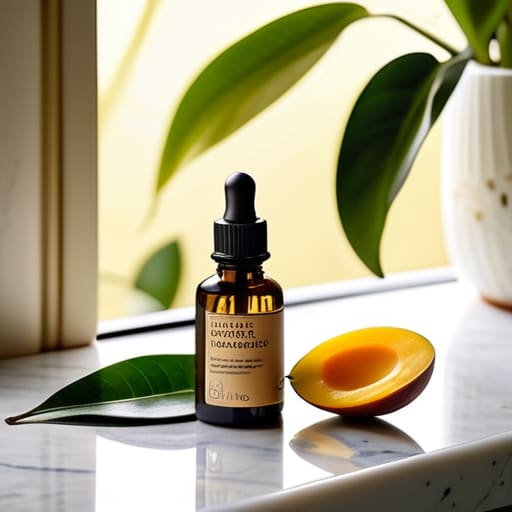
    If you’re looking to move away from heavy, thick textures, I usually suggest leaning into high-quality plant-based emollients that sink in without that heavy feeling. For instance, jojoba oil is a total game-changer; because its molecular structure is so similar to our skin’s natural sebum, it absorbs almost instantly. It’s one of those best oils for sensitive skin because it provides deep nourishment without the risk of clogging your pores or leaving you feeling sticky while you’re trying to get through your morning emails.

    Another option I’ve been loving lately is squalane. It’s incredibly lightweight and acts as a fantastic way to support skin barrier repair ingredients in your existing routine. If you find that traditional butters feel too “suffocating” on your skin, especially during warmer months, switching to a botanical oil can make your entire moisturizing ritual feel much more intentional and less like a chore. It’s all about finding those gentle, effective swaps that respect your skin’s limits while still delivering that much-needed hydration.

    The Truth About Skin Barrier Repair Ingredients

    When I was in my early twenties, I thought more was always better. I’d layer on every high-percentage acid I could find, thinking I was “fixing” my skin, when really I was just stripping it bare. I learned the hard way that if you want to fix a damaged complexion, you have to stop focusing on exfoliation and start focusing on skin barrier repair ingredients. It’s not about stripping away the old; it’s about feeding the new.

    If you’re looking for something to soothe irritation, you want to look for ingredients like ceramides, fatty acids, and cholesterol. These are the building blocks that actually help your skin hold onto moisture. While I love the richness of some heavy creams, I often find myself searching for the best oils for sensitive skin that mimic our natural sebum. This way, you aren’t just sitting a heavy layer of grease on top of your skin, but actually helping it function properly again. It’s about finding that sweet spot between deep nourishment and letting your skin breathe.

    How to swap shea butter without losing your glow

    How to swap shea butter without losing your glow
    • Listen to your skin’s immediate reaction. If you’re switching from a heavy shea-based balm to something lighter like jojoba oil, give your skin a few days to adjust to the new level of occlusion.
    • Match the texture to your lifestyle. If you’re a busy freelancer like me, you probably don’t have time for heavy, greasy creams that sit on your skin all day; opt for faster-absorbing oils like squalane for a seamless morning routine.
    • Don’t forget the “sandwich method.” If you find an alternative feels a bit too thin, apply it while your skin is still slightly damp from washing to lock in that much-needed moisture.
    • Check the ingredient list for “hidden” irritants. When moving away from shea butter, it’s tempting to grab whatever smells good, but stick to single-ingredient oils or simple formulations to avoid the same barrier issues I struggled with in my twenties.
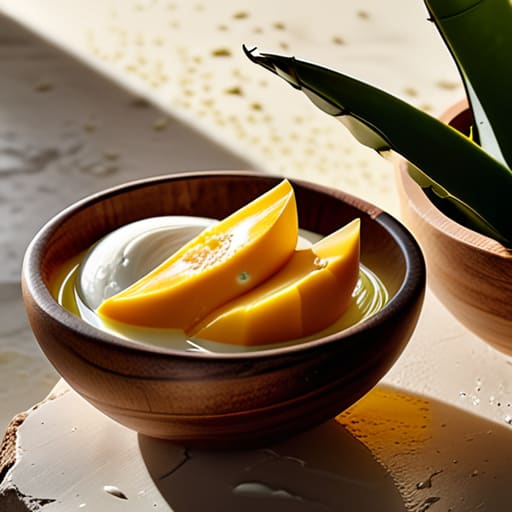
    • Layer smart, not heavy. You don’t need a thick layer of product to get results; a single, well-chosen alternative like cocoa butter or mango butter can do the heavy lifting if applied correctly.

    My Final Thoughts on Finding Your Perfect Match

    Don’t feel pressured to use shea butter just because it’s the “gold standard”—your skin might actually prefer something lighter like jojoba or squalane.

    Focus on ingredients that support your skin barrier rather than just sitting on top of it; true hydration comes from repair, not just heavy oils.

    Keep your routine simple and listen to your skin’s cues, because a minimalist approach is usually much more effective than a complicated, expensive one.

    Finding Your Own Rhythm

    “We’ve been conditioned to think that if a product isn’t thick, heavy, or incredibly expensive, it isn’t working—but your skin doesn’t need more layers, it just needs the right kind of nourishment to feel at peace.”

    Neha Rajagopal

    Finding Your Skin's New Best Friend

    Finding Your Skin's New Best Friend.

    At the end of the day, finding a replacement for shea butter isn’t about finding a “magic” ingredient, but about understanding what your specific skin barrier actually needs. Whether you decide to lean into the deep hydration of mango butter, the lightweight feel of jojoba oil, or the soothing properties of squalane, the goal remains the same: nourishment without the heaviness. We’ve looked at how plant-based emollients can simplify your shelf and how specific ingredients can help mend the damage from those over-active years I spent experimenting too much. Remember, if a product feels like a chore to apply or sits uncomfortably on your skin, it’s probably not the one. Listen to your skin’s feedback above all else.

    I know how overwhelming it feels to stand in the skincare aisle, staring at a wall of endless options and complicated labels. I’ve been there, feeling like I needed every single heavy balm just to feel “safe.” But I promise you, simplicity is your superpower. Skincare should be that quiet, Lo-Fi moment in your morning where you just breathe and care for yourself. You don’t need a massive budget or a mountain of products to achieve a healthy, calm complexion. Just pick a few things that work, keep your routine intentional, and let your natural glow do the rest.

    Frequently Asked Questions

    If I switch to a lighter alternative, will I still get that same deep hydration for my dry patches?

    I totally get that worry—I’ve been there, staring at a dry patch and wondering if a lighter oil is just going to evaporate into thin air. The short answer is: yes, you can still get that deep hydration, but you have to be intentional. Instead of relying on one heavy layer, try “layering.” Apply a hydrating serum first, then seal it in with your lighter alternative. It’s all about building that moisture sandwich.

    Are there any specific plant oils that I should avoid if I'm prone to breakouts?

    If you’re prone to breakouts, you definitely want to be careful with highly comedogenic oils. I used to make the mistake of slathering everything on my face, only to end up with a flared-up barrier. Steer clear of coconut oil and cocoa butter—they’re amazing for the body, but they can be total pore-cloggers for your face. Instead, look for lighter options like jojoba or squalane; they mimic your natural oils without the heavy congestion.

    Can I layer these alternatives with my usual serums, or will they interfere with my routine?

    The short answer? Yes, you definitely can. I used to get so stressed about “ingredient conflicts,” but most of these plant-based alternatives are actually quite friendly with standard serums. Just think of them as your final seal. Apply your water-based serums first, let them sink in, and then layer your alternative (like jojoba or squalane) on top to lock everything in. It’s all about creating that protective layer without disrupting the work your serums are doing.

  • Maintaining a Skincare Routine While Traveling

    Maintaining a Skincare Routine While Traveling

    I still remember sitting in a cramped airport terminal three years ago, staring at my reflection in a tiny, cracked restroom mirror. My skin felt tight, itchy, and completely stripped—a direct result of trying to cram my entire bathroom cabinet into a carry-on. I had fallen for the myth that “more is better” when it comes to skincare for travel, thinking I needed every serum and essence I owned just to survive a long-haul flight. In reality, I was just overwhelming my skin barrier and making a stressful situation even worse.

    I’m not here to sell you on expensive, TSA-approved luxury kits or a complicated ritual that requires a vanity and a prayer. Instead, I want to share a minimalist approach that actually works for real life. I’ll show you how to curate a few high-impact essentials that soothe your skin without adding unnecessary stress to your itinerary. We’re going to focus on keeping your complexion calm, hydrated, and resilient, so you can spend less time fussing with bottles and more time actually enjoying your trip.

    Table of Contents

    Building a Stress Free Minimalist Travel Skincare Kit

    Building a Stress Free Minimalist Travel Skincare Kit

    When I’m prepping for a trip, my biggest mistake used to be trying to pack my entire bathroom vanity into my carry-on. I’d end up with a heavy bag and a lot of wasted space. Now, I focus on a minimalist travel skincare kit that prioritizes skin health over variety. I select only three or four multi-tasking essentials—like a gentle cleanser and a solid, travel-friendly facial moisturizer—that can do the heavy lifting without weighing me down.

    To keep things organized (and avoid any messy spills in my bag), I always decant my favorites into small, TSA approved skincare containers. It’s much more efficient than lugging around full-sized bottles, and it keeps my routine feeling intentional rather than chaotic. My goal is to keep the process simple so I can focus on the excitement of the destination, not the stress of my luggage. By sticking to the basics, I’m much better at protecting my skin barrier while traveling, ensuring I arrive at my destination feeling refreshed instead of reactive and red.

    Mastering Tsa Approved Skincare Containers Without the Clutter

    Mastering Tsa Approved Skincare Containers Without the Clutter

    There is nothing quite as frustrating as reaching into your carry-on only to find a sticky, leaked mess because a bottle didn’t seal properly. I learned the hard way that trying to cram full-sized bottles into a toiletry bag is a recipe for chaos. Instead, I’ve leaned into using high-quality TSA approved skincare containers that actually feel sturdy. I prefer silicone tubes over cheap plastic ones; they’re much easier to squeeze when you’re tired, and they don’t crack under the pressure of a changing cabin altitude.

    When you’re prepping your minimalist travel skincare kit, think about multi-tasking. Instead of five different tiny bottles, I opt for one solid cleanser and a single, reliable travel friendly facial moisturizer that doubles as a soothing balm. This keeps your bag light and your mind calm. By selecting a few high-performance products in smaller vessels, you’re not just saving space—you’re ensuring that your skin gets exactly what it needs to stay resilient without the unnecessary clutter.

    My Low-Stress Rules for Keeping Your Skin Happy While Traveling

    • Stick to your “holy grail” basics. When I’m traveling, I leave the experimental serums at home. Stick to the gentle cleanser and moisturizer that you know won’t trigger a breakout or a reaction when you’re already stressed from a flight.
    • Prioritize hydration, but keep it simple. Airplane air is notoriously drying, so I always pack a heavy-duty balm or a simple facial oil. A quick layer of oil over your moisturizer can act like a little protective hug for your skin barrier.
    • Don’t forget the SPF, even if you’re staying indoors. Between the bright sun on vacation and the weird lighting in airports, your skin needs that constant protection. I usually opt for a mineral sunscreen that doubles as a primer to save space.
    • Use multi-tasking products to cut down on weight. I love a tinted moisturizer or a lip balm that works for both lips and cheeks. It keeps my bag light and my routine feeling intentional rather than cluttered.
    • Listen to your skin’s cues. If you’ve had a long day of sightseeing and your skin feels tight or sensitive, skip the exfoliation. Sometimes the best “treatment” is just a clean face and an extra layer of soothing cream before bed.

    My Travel Skincare Golden Rules

    Stick to the essentials you already use at home; your skin is already dealing with enough stress from altitude changes and different climates, so don’t introduce new, untested actives mid-trip.

    Prioritize hydration and barrier protection over everything else to counteract the drying effects of airplane air and recycled hotel water.

    Keep your routine functional and small—if a product doesn’t serve a clear purpose in your “moment of peace,” it doesn’t deserve a spot in your carry-on.

    ## A Mindset Shift for the Road

    “Travel is meant to expand your world, not complicate your routine. When you’re navigating airports and new time zones, your skincare shouldn’t be another item on your stress list—it should be that one small, familiar ritual that tells your skin, and your mind, that you’re okay.”

    Neha Rajagopal

    Travel Light, Glow Often

    Travel Light, Glow Often with essentials.

    At the end of the day, traveling well is all about finding that balance between being prepared and being practical. We’ve talked about stripping your routine down to the bare essentials, choosing multi-purpose products that won’t weigh down your carry-on, and mastering those tiny TSA-friendly containers so you aren’t wrestling with a messy toiletry bag at security. Remember, the goal isn’t to recreate your entire bathroom vanity in a hotel room; it’s about bringing just enough to protect your skin barrier and keep that sense of calm intact while you’re navigating new time zones and recycled airplane air.

    As you head off on your next adventure, I hope you remember that your skincare routine should be a sanctuary, not another item on your stressful to-do list. Whether you’re tucked away in a cozy Airbnb or rushing through a busy terminal, take those few extra minutes to breathe and nourish your skin. You deserve to feel comfortable and confident in your own skin, no matter where in the world you happen to be. So, pack your essentials, leave the clutter behind, and focus on enjoying the journey. Your skin—and your peace of mind—will thank you for it.

    Frequently Asked Questions

    How do I keep my skin from feeling super dry on long-haul flights without constantly reapplying products?

    The secret isn’t more reapplication; it’s about layering moisture before you even board. I swear by applying a thin layer of a hydrating serum followed by a rich, barrier-repairing cream while still on the ground. This “seals” the hydration in. Once you’re in that recycled cabin air, skip the heavy creams and just use a facial oil or a hydrating mist to refresh. It’s about prep, not constant patching.

    Are there any specific ingredients I should definitely leave at home to avoid irritating my skin while traveling?

    Honestly, if you’re traveling, leave the heavy hitters behind. I learned the hard way that high-percentage retinols and aggressive exfoliating acids (like AHAs/BHAs) can be a recipe for disaster when you’re dealing with recycled airplane air or different water qualities. They can compromise your barrier when your skin is already stressed. Stick to soothing, hydrating ingredients instead. Your goal is to protect your skin, not put it through a chemical bootcamp while you’re trying to relax.

    What's the best way to protect my skin barrier if I'm moving between really different climates or altitudes?

    Moving between different altitudes or climates is a total shock to the system—I’ve learned that the hard way. When the air gets dry or the pressure changes, your skin barrier is usually the first thing to crack. My rule of thumb? Lean heavily into moisture sandwiching. Layer a hydrating serum under a thicker, ceramide-rich cream to lock everything in. It’s all about creating that protective seal so your skin doesn’t feel stripped and stressed.

  • Why Skin Ph Balance Matters

    Why Skin Ph Balance Matters

    I still remember the stinging sensation of my face feeling tight and “squeaky clean” after a long shower in my early twenties—a sensation I mistakenly thought meant my skin was actually getting clean. In reality, I was aggressively stripping away my skin pH balance in a desperate attempt to chase that perfect, poreless glow. I was overusing every harsh, high-percentage acid on the market, thinking more was better, when all I was doing was wrecking my skin barrier and leaving my face in a constant state of redness and irritation.

    I’m not here to sell you a twelve-step ritual or a collection of overpriced, neon-colored serums that promise miracles overnight. Instead, I want to give you the straight truth about how to keep your skin calm and resilient without breaking the bank. We’re going to cut through the marketing fluff and focus on the simple, science-backed basics that actually matter. By the end of this, you’ll understand how to protect your skin’s natural equilibrium so you can finally stop reacting to breakouts and start feeling comfortable in your own skin again.

    Table of Contents

    Protecting Your Acid Mantle Function Without the Stress

    Protecting Your Acid Mantle Function Without the Stress

    Protecting your acid mantle function doesn’t require a chemistry degree or a cabinet full of expensive serums. For me, it really comes down to listening to those tiny, subtle signals your skin sends when it’s struggling. If your face feels tight or “squeaky clean” after washing, that’s actually a massive red flag. It usually means your cleanser is too harsh, stripping away the very oils meant to keep your barrier intact. I learned the hard way that chasing that “squeaky” feeling is a fast track to constant redness and irritation.

    Instead of adding more products, I’ve found that the most effective way to prioritize skin barrier protection is through strategic subtraction. I swapped my foaming, high-pH cleansers for gentle, non-stripping milk or oil cleansers that respect my natural acidity. When you stop fighting against your skin’s natural state, everything starts to settle. It’s about creating a stable environment where your microbiome can actually thrive. Think of it as giving your skin the space to heal itself rather than trying to micromanage every single pore.

    Decoding the Truth About Alkaline vs Acidic Skin

    Decoding the Truth About Alkaline vs Acidic Skin.

    When we talk about alkaline vs acidic skin, it’s easy to get lost in the chemistry of it all, but I like to think of it in much simpler terms. Healthy skin naturally sits on the slightly acidic side of the scale—usually around a 4.5 to 5.5 pH. This acidity isn’t just a random number; it’s actually your skin’s natural defense mechanism. When your skin stays in this sweet spot, it’s much better at keeping the “bad guys” out while holding onto the hydration we all crave.

    The real trouble starts when we accidentally tip that scale too far toward the alkaline side. I learned this the hard way when I used a harsh, high-pH foaming cleanser that left my face feeling tight and “squeaky clean.” In reality, that feeling was a warning sign. A high cleanser pH impact can strip away the very oils that keep your complexion supple, leaving you vulnerable to dryness and redness. It’s not about being perfect; it’s just about realizing that stripping your skin bare is actually the fastest way to trigger irritation.

    My Low-Stress Rules for Keeping Your Skin’s pH in Check

    • Ditch the harsh, squeaky-clean cleansers. If your face feels tight or “squeaky” after washing, you’ve likely just stripped your acid mantle. Look for pH-balanced, non-foaming cleansers that respect your skin’s natural acidity rather than fighting it.
    • Stop the “active” overload. I learned this the hard way by ruining my barrier with too many acids at once. If your skin is feeling reactive or red, pause the high-strength exfoliants and focus on calming, pH-neutral hydration until things settle down.
    • Watch your water temperature. I know a steaming hot shower feels amazing, especially with my Lo-Fi playlist going, but scalding water can disrupt your skin’s natural oils and pH. Stick to lukewarm water to keep things gentle.
    • Simplify your product layering. You don’t need ten different serums to balance your skin. A simple routine of a gentle cleanser, a hydrating toner, and a moisturizer is often more effective for maintaining a healthy pH than a cluttered shelf of competing ingredients.
    • Listen to your skin’s “language.” If you’re seeing sudden breakouts or unusual dryness, it’s often a sign your pH is off. Instead of adding more “fix-it” products, try stripping your routine back to the absolute basics for a few days to let your barrier reset.

    The Bottom Line: Keeping It Simple and Balanced

    Stop the scrubbing—harsh, alkaline cleansers are the fastest way to wreck your acid mantle, so stick to gentle, low-pH formulas that respect your skin’s natural barrier.

    Less is almost always more; you don’t need a dozen different actives to maintain balance, you just need to avoid the products that strip your skin’s protective layer away.

    Listen to your skin’s signals—if it feels tight, stinging, or looks red, your pH is likely off, and the best fix is usually stripping your routine back to the basics.

    Less is More When It Comes to Balance

    “I spent years thinking more products meant better skin, but I was actually just stripping my barrier away. Real glow doesn’t come from a twenty-step ritual; it comes from respecting your skin’s natural pH and giving it the peace to heal itself.”

    Neha Rajagopal

    Finding Your Skin's Rhythm

    Finding Your Skin's Rhythm through balance.

    At the end of the day, managing your skin’s pH isn’t about mastering complex chemistry or buying every expensive “pH-balanced” bottle on the shelf. It’s really just about respecting your skin’s natural boundaries. We’ve covered how crucial that acid mantle is for keeping moisture in and irritants out, and why swinging too far into the alkaline zone can leave your barrier feeling stripped and vulnerable. If you can strip your routine down to a gentle cleanser, a reliable moisturizer, and some sun protection, you’re already doing more for your skin than most. Remember, less is almost always more when you’re trying to restore balance.

    I know how easy it is to get caught up in the cycle of trying every new, harsh active in hopes of a quick fix, but I promise you, your skin doesn’t need more noise—it needs consistency and kindness. Think of your skincare routine as that quiet moment with your Lo-Fi playlist in the morning; it should be a way to ground yourself, not a source of anxiety. Stop chasing perfection and start focusing on what actually makes your skin feel calm and resilient. You’ve got this, and your skin will thank you for the peace of mind you’re finally giving it.

    Frequently Asked Questions

    How do I actually tell if my skin's pH is off just by looking at it?

    Honestly, you don’t need a lab kit to spot the signs. If your skin feels tight or “squeaky clean” right after washing, that’s a huge red flag—it usually means your cleanser is too alkaline. Keep an eye out for unexpected redness, random breakouts in areas that are usually clear, or that annoying flaky texture that won’t go away even with moisturizer. If your skin feels reactive and unsettled, your pH is likely crying for help.

    Are there specific ingredients I should be avoiding if I'm trying to fix my barrier?

    Honestly, the biggest mistake I made in my twenties was leaning too hard into “strong” ingredients. If your barrier is struggling, please put down the high-percentage AHAs, BHAs, and heavy-duty retinoids for a bit. Also, keep an eye out for harsh sulfates in your cleansers—they feel “squeaky clean,” but they’re actually stripping your natural oils. For now, let’s just focus on soothing, non-stripping ingredients that let your skin breathe and heal.

    Does my tap water's hardness play a role in messing with my skin's natural acidity?

    Honestly, it’s a total game-changer. If you live somewhere with hard water, those minerals—like calcium and magnesium—can actually sit on your skin and disrupt that delicate pH balance we’ve been talking about. It’s one of those sneaky reasons why your face might feel tight or “squeaky clean” (which is actually a huge red flag!) after washing. If your tap water is harsh, investing in a gentle, pH-balanced cleanser is non-negotiable to keep things calm.