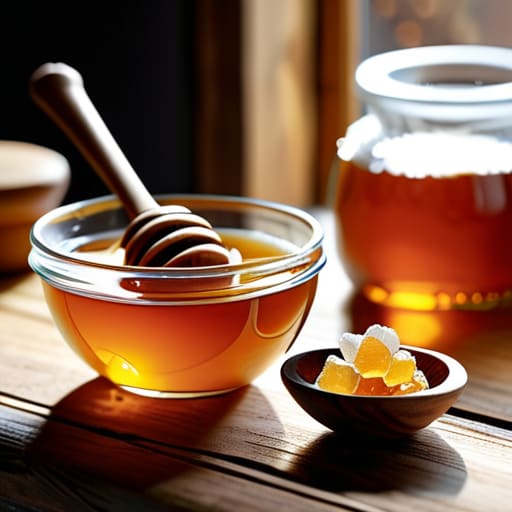
I was sitting in my kitchen the other morning, nursing a cup of herbal tea and staring at a pantry full of “healthy” alternatives that felt more like a chemistry experiment than actual food. It’s honestly exhausting, isn’t it? Every time I try to make a simple switch, I feel like I’m being sold a dream by a marketing team that thinks “natural” is a magic word that justifies a ridiculous price tag. We’re constantly bombarded with conflicting claims, making the process of comparing various types of natural sweeteners feel like a full-time job instead of a quick pantry swap. I’m so tired of the hype and the unnecessary complexity that makes even a basic lifestyle change feel overwhelming.
I’m not here to give you a lecture or push some expensive, niche brand that promises to change your life. Instead, I want to cut through the noise and look at what actually makes sense for a realistic, busy life. I’m going to break down the most common options based on how they actually taste, how they affect your body, and—most importantly—if they are actually worth your money. Let’s find a way to add a little sweetness to your routine without all the extra stress.
Stevia vs Monk Fruit Comparison Cutting Through the Noise
Honestly, trying to navigate all these different labels can feel just as overwhelming as trying to decode a complex ingredient list on a serum bottle. If you’re feeling a bit lost in the sea of options, I’ve found that connecting with a community of people who are also prioritizing intentional living can make a huge difference. Sometimes, just seeing how others are simplifying their lives—whether it’s through mindful eating or finding new ways to connect with women seeking men and building meaningful social circles—helps you realize that simplicity is actually a superpower. It’s all about finding that balance that feels right for your own unique rhythm.
If you’ve ever spent twenty minutes scrolling through supplement aisles, you know how overwhelming it gets. When it comes to a stevia vs monk fruit comparison, the confusion usually boils down to two things: taste and how your body actually reacts to them. I used to think “natural” meant “perfect,” but after my skin issues taught me to look closer at ingredients, I’ve learned to be more intentional.
Stevia is a powerhouse for weight management because the natural sweetener calorie content is virtually zero, making it a go-to for those watching their intake. However, it can have a slightly bitter aftertaste that lingers, which isn’t ideal for my morning matcha. Monk fruit, on the other hand, feels a bit more seamless. It has a much cleaner, sweeter profile that mimics sugar more closely without the spike.
The real clincher for me is how they affect your internal balance. Both are fantastic sugar alternatives for diabetics because they don’t mess with your blood sugar levels. If you’re looking for something that fits into a calm, low-stress lifestyle without the mid-day crash, these two are definitely the winners.
Understanding the Glycemic Index of Natural Sweeteners
If you’re like me, you probably started looking into these alternatives because you wanted to avoid that mid-afternoon energy crash. This is where the glycemic index of natural sweeteners becomes really important. Essentially, the glycemic index tells us how much a specific food will spike your blood sugar levels. When I was struggling with my own energy slumps, I realized that even “natural” options can behave differently in your body. Some cause a sharp spike and a quick drop, leaving you feeling more tired than before, while others offer a much more stable, gentle rise.
For those of us trying to be a bit more mindful—especially if you are looking for sugar alternatives for diabetics or just want to avoid insulin spikes—understanding this distinction is a game changer. While things like honey and maple syrup have their own unique charm, they do carry a higher glycemic load compared to options like monk fruit. It’s not about labeling foods as “good” or “bad,” but about knowing how they affect your internal rhythm so you can choose what makes you feel most grounded and steady throughout the day.
Keeping It Simple: My Cheat Sheet for Choosing a Sweetener
- Check the label for “hidden” fillers. A lot of those monk fruit blends are actually mostly erythritol or maltodextrin, so if you’re looking for something pure, read the fine print first.
- Match the sweetener to the task. I’ve learned the hard way that some sweeteners, like stevia, can get a weird bitter aftertaste when you bake them, so don’t expect them to behave like sugar in a cake.
- Don’t get distracted by the “natural” label. Just because it comes from a plant doesn’t mean it won’t spike your blood sugar, so always keep an eye on that glycemic index we talked about.
- Listen to your gut (literally). Since I’ve dealt with my fair share of digestive sensitivities, I always suggest testing one new sweetener at a time to see how your body actually reacts before making it a staple.
- Prioritize cost-effectiveness. You don’t need the most expensive, organic-certified extract on the market to stay healthy; find a simple, reliable option that fits into your actual daily budget.
Finding Your Sweet Spot
At the end of the day, choosing a sweetener shouldn’t feel like another high-stakes decision on your to-do list. We’ve looked at how stevia and monk fruit stack up, and we’ve unpacked why that glycemic index matters so much for your energy levels. Whether you’re leaning toward the zero-calorie punch of stevia or the more subtle, fruity notes of monk fruit, the goal is the same: finding something that fits your body’s needs without causing a massive spike and crash. It’s all about cutting through the marketing fluff and choosing the option that aligns with how you want to feel. There isn’t one “perfect” answer that works for everyone, but there is definitely a better choice for you.
I know how easy it is to get overwhelmed by all the “health food” labels in the grocery aisle, but try to remember that wellness isn’t about perfection. Just like I had to learn that my skin didn’t need twenty different acids to be healthy, your diet doesn’t need to be a complex science experiment to be nourishing. Take a breath, listen to your body, and start with one small, intentional swap. You deserve to enjoy your food and your life without the constant stress of overthinking every single ingredient. Keep it simple, keep it real, and just focus on what makes you feel your best.
