
I still remember sitting in front of my bathroom mirror in my early twenties, staring at a face that felt like it was constantly on fire. I had spent months aggressively layering high-percentage acids and harsh retinols, thinking that “more” meant “better,” only to end up with a compromised barrier and skin that looked perpetually flushed. It was a painful, expensive lesson in how much damage you can do when you chase trends instead of listening to your body. If you’re currently hunting for skincare for redness because your face feels sensitive, stinging, or just plain unpredictable, please know that I have been exactly where you are.
I’m not here to sell you a complicated twelve-step ritual or a cabinet full of luxury serums that promise miracles overnight. Instead, I want to share what actually works for calming things down without breaking the bank. We’re going to focus on intentional, gentle ingredients and a minimalist approach that prioritizes healing over hype. My goal is to help you strip away the noise and find a routine that feels like a moment of peace, rather than another stressful chore on your to-do list.
Table of Contents
The Art of Sensitive Skin Barrier Repair

If I’ve learned anything from my own “skin barrier disaster” era, it’s that you can’t just mask redness—you have to actually address the foundation. When your barrier is compromised, your skin feels like it’s constantly under attack, often resulting in that uncomfortable sensation of heat and tightness. Instead of reaching for more aggressive acids to “fix” things, I’ve learned that sensitive skin barrier repair is all about replenishing what you’ve lost. Think of it like tending to my herb garden; if the soil is depleted, nothing healthy can grow.
To get back to a calm baseline, I look for anti-inflammatory skincare ingredients that work quietly in the background. I’m talking about things like ceramides, centella asiatica, or colloidal oatmeal. These aren’t flashy or “trend” ingredients, but they are the heavy lifters when it comes to reducing skin irritation and heat. My goal isn’t to transform my face overnight, but to slowly teach my skin how to protect itself again, one gentle layer at a time.
Best Ingredients for Rosacea Flare Ups
When you’re in the middle of a flare-up, the last thing you want is a cabinet full of products that promise the world but deliver nothing but more stinging. Instead of hunting for miracle cures, I’ve learned to look for specific anti-inflammatory skincare ingredients that actually know how to behave. I always reach for Azelaic Acid first; it’s a gentle powerhouse that helps manage the redness without the aggressive “burn” you get from other actives. Centella Asiatica (or Cica, as most of us call it) is another lifesaver in my kit. It feels like a cool, soothing compress for your face when things get intense.
If your skin feels physically hot to the touch, I highly recommend looking for hypoallergenic calming serums that prioritize moisture retention. Ingredients like Panthenol and Niacinamide are my go-tos for reducing skin irritation and heat because they work with your skin rather than against it. It’s not about adding more steps to your morning; it’s about choosing a few high-quality, quiet ingredients that help your complexion find its balance again.
My Low-Stress Rules for Managing Redness
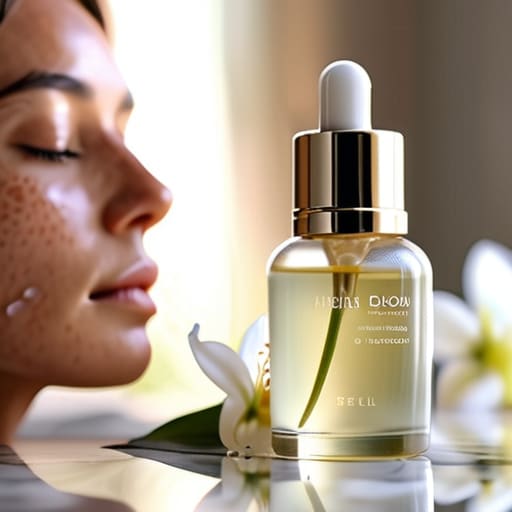
- Strip your routine back to the basics. When my skin is flaring up, I stop reaching for those high-percentage acids and just stick to a gentle cleanser and a basic moisturizer. Less is almost always more when your barrier is struggling.
- Temperature matters more than you think. I’ve learned the hard way that splashing my face with hot water feels nice in the moment, but it’s a massive trigger for redness. Stick to lukewarm or even cool water to keep things calm.
- Look for “peaceful” ingredients. Instead of hunting for the strongest exfoliants, I prioritize things like Centella Asiatica (Cica), Panthenol, and Niacinamide. These are the ingredients that actually help soothe the heat and bring the redness down.
- Don’t skip the SPF, even on cloudy days. UV exposure is one of the biggest culprits for inflammation. I always opt for a mineral sunscreen if I’m feeling extra sensitive, as the zinc oxide can actually be quite soothing for reactive skin.
- Listen to your skin’s “quiet” signals. If your face feels tight or looks a little pinker than usual after a product, don’t try to power through it. That’s your skin telling you to pause. It’s better to take a day off than to push through and cause a major flare-up.
My Three Golden Rules for Managing Redness
Less is always more; when your skin is flared up, stop reaching for those harsh acids and focus on rebuilding your barrier with gentle, soothing moisture first.
Learn to read your skin’s signals instead of following every trend—if a product makes you feel a sting, it’s okay to put it down and prioritize peace over perfection.
Consistency beats intensity every single time, so look for simple, science-backed ingredients like centella or niacinamide that work quietly in the background to keep your complexion calm.
Less is More When Your Skin is Screaming
When my skin is flaring up, my instinct is to throw every active I own at it, but I’ve learned the hard way that redness isn’t a problem to be fought—it’s a signal to slow down and listen.
Neha Rajagopal
Finding Your Calm
At the end of the day, managing redness isn’t about finding a “miracle cure” or buying every soothing serum on the market. It’s about listening to what your skin is actually telling you. We’ve talked about the importance of repairing that delicate barrier, choosing ingredients like centella or niacinamide that won’t trigger a flare-up, and—most importantly—knowing when to scale back. When things get heated, the best move is usually to strip things back to the basics and let your skin breathe. Remember, consistency beats intensity every single time. You don’t need more products; you just need the right ones used with intention.
I know how frustrating it can be to look in the mirror and see inflammation staring back at you, especially on those days when you’re already feeling overwhelmed. But please try to be kind to yourself. Your skin is a living, breathing organ, and it’s doing its best to protect you, even when it feels like it’s failing. Skincare should be a way to nurture yourself, not another item on a stressful to-do list. So, take a deep breath, put on your favorite playlist, and let this routine be a small, quiet moment of peace in your busy day. You’ve got this.
Frequently Asked Questions
How do I know if my redness is just temporary irritation or something more permanent like rosacea?
It’s a question I get asked a lot, and honestly, it can be a little scary to figure out. If your redness comes and goes—maybe after a spicy meal or a long day in the sun—it’s likely just temporary irritation. But if that flushing starts feeling more constant, or if you notice tiny bumps or visible blood vessels that just won’t budge, it might be rosacea. When in doubt, please see a professional.
Can I still use my favorite exfoliating acids if my skin is currently looking red and angry?
Honestly? If your skin is looking red and angry, it’s time to put those acids on a temporary hiatus. I know how much we love that “glow” from exfoliation, but when your barrier is compromised, those acids act more like fuel on a fire. For now, let’s pivot. Swap the harsh actives for some soothing, hydrating goodness and give your skin the space it needs to actually heal. Your future glow will thank you.
Are there any specific lifestyle habits or daily stressors that might be triggering my flare-ups?
Honestly, it’s usually the things we don’t see in the mirror that do the most damage. I’ve learned the hard way that high cortisol levels from stress can trigger inflammation almost instantly. Beyond that, keep an eye on things like sudden temperature shifts, spicy foods, or even that extra glass of wine at dinner. It’s not about being perfect; it’s just about noticing these little patterns so you can protect your peace—and your skin.
