I still remember staring into my bathroom mirror three years ago, feeling that familiar surge of panic when I noticed those tiny, stubborn white bumps under my eyes. I had spent a small fortune on “miracle” resurfacing creams, thinking more was better, only to realize I was just making the irritation worse. The skincare industry loves to make you feel like milia removal requires a high-tech, expensive ritual or a scary professional procedure, but most of that is just noise designed to empty your wallet. Honestly, those little bumps aren’t a sign that you’re failing at skincare; they’re just a sign that your skin needs a different kind of gentle attention.
I’m not here to sell you a twenty-step routine or suggest anything that’s going to leave your skin barrier in shambles like I did in my early twenties. Instead, I want to walk you through what actually works for clearing them up without the stress. We’re going to focus on simple, science-backed shifts in your current routine and how to know when it’s actually time to see a pro. My goal is to help you get back to feeling comfortable in your own skin, without the unnecessary hype.
Table of Contents
A Simple Skincare Routine for Milia Prevention
Since we aren’t looking to go through the hassle of professional extraction methods, the best approach is to stop them before they even start. For me, preventing those tiny bumps comes down to consistent, gentle upkeep rather than aggressive scrubbing. I’ve learned the hard way that over-exfoliating just irritates the skin further, so I focus on a skincare routine for milia that prioritizes hydration and very light, regular turnover. Think of it as maintaining a calm environment for your skin cells rather than forcing them to behave.
I personally swear by incorporating a mild chemical exfoliant—like a gentle Lactic Acid—a couple of times a week. This kind of exfoliation for milia prevention helps keep those dead skin cells from getting trapped in the first place without stripping my moisture barrier. Pair that with a lightweight, non-comedogenic moisturizer, and you’re creating a barrier that breathes. It’s not about adding more steps to your morning; it’s about choosing the right, simple ingredients that work with your skin’s natural rhythm.
The Truth About Keratin Cyst Treatment Options
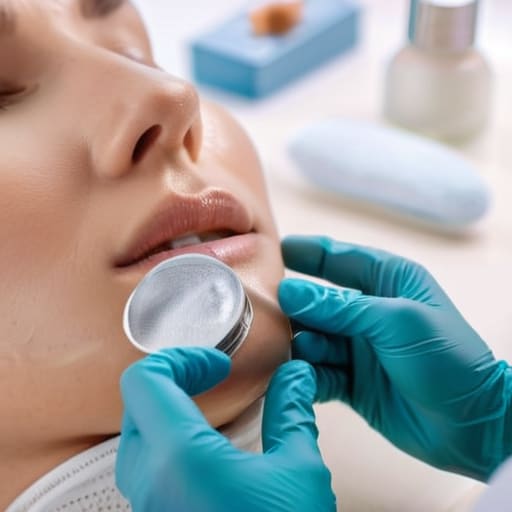
When it comes to actually getting rid of those stubborn little bumps, I know how tempting it is to reach for a comedone extractor or try to squeeze them yourself. Please, just don’t. I learned that lesson the hard way when I tried to “fix” my skin during a stressful work week, only to end up with redness that lasted for days. If you’re looking for a real keratin cyst treatment, the safest route is almost always seeking out professional extraction methods. A trained professional can navigate the skin with precision, ensuring they don’t cause scarring or push the buildup deeper.
If you aren’t quite at the stage where you need a needle, there are other clinical paths to consider. Sometimes, a series of chemical peels for skin bumps can work wonders by encouraging cell turnover and preventing that trapped keratin from forming in the first place. If your milia are particularly persistent or located near your eyes, I always suggest a quick chat with a pro for dermatologist milia removal. It’s much better to invest in a quick, safe procedure than to spend months stressing over a texture issue that could have been cleared up in minutes.
My Low-Stress Guide to Dealing with Milia
- Please, please don’t try to squeeze them. I know it’s tempting when you see them in the mirror, but milia aren’t like regular whiteheads; they’re trapped under the skin, and picking at them will only leave you with redness or even a tiny scar.
- Focus on gentle exfoliation rather than harsh scrubbing. Instead of those aggressive physical scrubs that wrecked my barrier years ago, I swear by a mild chemical exfoliant like lactic acid. It helps nudge those dead skin cells along without causing a breakout.
- Keep your eye creams lightweight. Sometimes, those super rich, heavy creams we use to combat fine lines can actually contribute to milia around the eyes because they’re just too occlusive for some skin types.
- Double down on hydration, but keep it simple. A good, breathable moisturizer helps keep your skin’s natural turnover process working smoothly, which is our best defense against keratin getting stuck in the first place.
- If they’re really bothering you, see a professional. If a bump isn’t budging after a few weeks of a solid routine, let a dermatologist handle the extraction. It’s much faster, safer, and saves you the headache of a DIY disaster.
My Quick Cheat Sheet for Milia
Stop the urge to squeeze; those tiny bumps aren’t like pimples, and trying to pop them will only leave you with irritation or even scarring.
Focus on gentle exfoliation rather than harsh scrubs—think slow and steady with mild acids to help keep those keratin buildup’s at bay.
When in doubt, keep your routine simple and your products lightweight to avoid clogging your pores in the first place.
## Focus on Healing, Not Hacking
“I spent so much time trying to ‘scrub away’ those tiny bumps, only to end up with a damaged barrier and more redness. Please, don’t pick at your skin; milia isn’t a mess to be cleaned, it’s just a little bit of trapped keratin that needs a gentle, patient approach to clear up.”
Neha Rajagopal
Be Kind to Your Skin
At the end of the day, dealing with milia doesn’t have to be this overwhelming ordeal. We’ve looked at how a consistent, gentle routine can prevent those tiny keratin cysts from forming, and we’ve touched on why trying to squeeze or pick at them yourself is a recipe for scarring. Whether you decide to stick to professional extraction or focus on incorporating mild exfoliants like AHAs into your nightly ritual, the goal is always the same: supporting your skin’s natural ability to renew itself without causing more damage. Just remember that consistency beats intensity every single time when it comes to your skin barrier.
I know how frustrating it is to look in the mirror and see those little bumps staring back at you, but please try not to let them steal your confidence. I’ve been there—staring at my own skin after a period of over-exfoliating, feeling like everything was broken. But skin is incredibly resilient if you treat it with respect. Take a deep breath, put on your favorite lo-fi track, and let your skincare be a moment of quiet self-care rather than a battleground. You are so much more than a few tiny bumps, and you deserve to feel comfortable and at peace in your own skin.
Frequently Asked Questions
Can I safely use my usual exfoliating acids to get rid of them, or will that just irritate my skin more?
It’s so tempting to just grab your strongest AHA or BHA and try to scrub them away, but please, hold off for a second. Since milia are essentially trapped keratin under the skin, aggressive exfoliation often just causes inflammation and redness without actually reaching the bump. If your skin barrier is already feeling sensitive, you’ll likely just end up with irritated, flaky skin on top of the milia. Let’s stick to gentle, consistent hydration instead.
How long does it actually take for a milia bump to clear up once I start a new routine?
I know the feeling—you’ve finally switched to those gentle, non-comedogenic products, and you’re staring in the mirror every morning waiting for them to vanish. Honestly? Patience is the hardest part. Since milia are tiny keratin cysts trapped under the skin, they don’t just “wash away.” Depending on your skin’s natural turnover, it usually takes anywhere from a few weeks to a few months. Just stay consistent with your routine and let your skin do its thing.
Are there specific ingredients in my moisturizer that might be causing these tiny bumps to show up in the first place?
It’s a great question, and honestly, it’s one I learned the hard way. Sometimes, our “holy grail” moisturizer is actually the culprit. If your cream is super thick or loaded with heavy occlusives like petrolatum or certain high-weight silicones, it might be trapping dead skin cells under the surface. For those of us prone to milia, I usually recommend switching to something lighter—think water-based or gel-creams—that hydrates without that heavy, suffocating feel.
