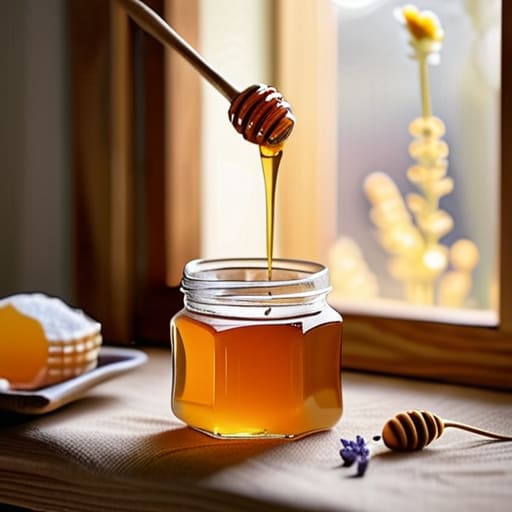
I was sitting in my kitchen this morning, listening to my usual Lo-Fi jazz playlist, staring at a jar of processed white sugar and feeling that familiar sense of overwhelm. We’ve been told for years that “healthy living” has to mean buying expensive, obscure syrups or following some complicated, ten-step dietary ritual that leaves you exhausted. Honestly, it’s exhausting. I’m tired of the wellness industry making the simplest changes feel like a full-time job. If you’ve been looking for a way to simplify your pantry without the headache, learning how to substitute honey for sugar shouldn’t feel like a chemistry experiment you’re destined to fail.
I’m not here to give you a lecture or a list of impossible rules. Instead, I want to share what actually works in a real, busy kitchen—the kind where you have a freelance deadline looming and just want a decent cup of tea. I’ll walk you through the simple ratios and the small adjustments you can make to keep your recipes tasting delicious while being a little kinder to your body. This is about minimalist, functional swaps that fit into your life, not the other way around.
Finding Balance With the Perfect Honey to Sugar Conversion Ratio
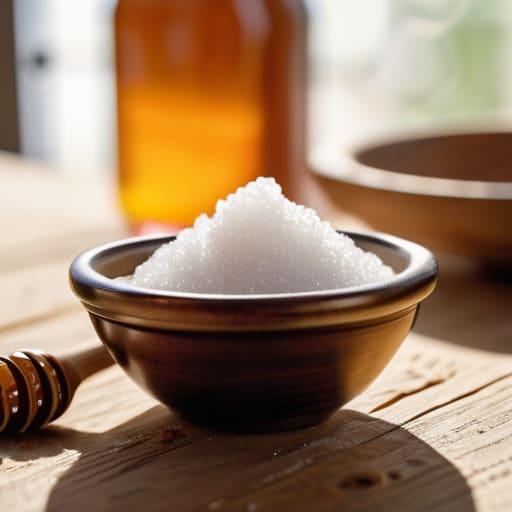
When you’re first starting out, it’s easy to feel a bit overwhelmed by the math of it all. I used to think I could just eyeball it, but I quickly learned that the honey to sugar conversion ratio is actually pretty important if you want your treats to turn out right. Since honey is a liquid and much sweeter than granulated sugar, the golden rule I live by is to use about three-quarters of a cup of honey for every one cup of sugar called for in your recipe.
It’s also worth noting that the impact of honey on recipe texture is real. Because honey adds moisture, your baked goods might end up a bit denser or more tender than usual. To keep things from getting too heavy, I always recommend reducing the other liquids in your recipe—like milk or water—by about a quarter. It’s a small adjustment, but it makes a world of difference in maintaining that perfect, light crumb. Think of it as finding that sweet spot where nutrition meets actual enjoyment.
Nurturing Your Body Through the Health Benefits of Honey Over White Sugar
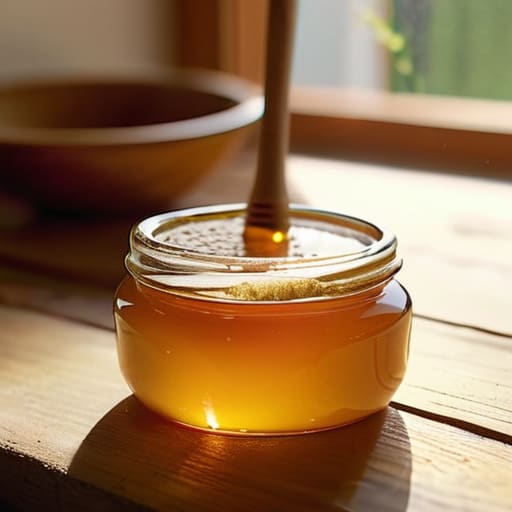
When I look at my pantry, I try to view it much like my skincare shelf: it’s all about what actually nourishes you from the inside out. While white sugar provides a quick, empty spike of energy, it doesn’t really offer your body anything to work with. On the other hand, opting for natural sweeteners for baking like honey allows you to tap into a wealth of antioxidants and enzymes. It’s a small, intentional shift that feels less like a “diet restriction” and more like a way to treat your body with a bit more kindness.
Beyond just the nutritional profile, there is something deeply grounding about using ingredients that come straight from nature. When we talk about the health benefits of honey over white sugar, we’re really talking about choosing complexity over emptiness. Honey has this subtle, medicinal quality—it’s soothing and much more bioavailable for your system. For me, making this swap isn’t about being perfect; it’s about finding those little moments of wellness in my kitchen that leave me feeling nourished rather than just full.
Small Shifts for a Smoother Swap
- Remember that honey is much more concentrated than sugar, so always aim for a 3:4 ratio. If a recipe calls for a cup of sugar, start with three-quarters of a cup of honey to keep things from getting too overwhelming for your palate.
- Since honey adds a fair amount of moisture, your baked goods might turn out a bit more “cakey” or damp. If you’re making something that needs a bit of structure, like cookies, try reducing the other liquids in your recipe by a tablespoon or two.
- Don’t forget that honey brings its own personality to the table. A dark, robust wildflower honey will change the flavor profile of your morning oats much more than a light clover honey would, so choose your “active ingredient” based on the vibe you want.
- Keep an eye on your oven temperature. Because honey is natural and contains more fructose, it tends to caramelize (and burn!) a lot faster than white sugar. I usually drop my oven temp by about 25 degrees Fahrenheit just to play it safe and avoid that bitter, scorched taste.
- Treat the swap as an experiment rather than a strict rule. Just like I learned with my skincare—you can’t just dump everything in at once and expect perfection. Start with one recipe at a time, see how your body and your taste buds react, and adjust as you go.
Making the Switch, One Spoonful at a Time
At the end of the day, swapping out white sugar for honey isn’t about achieving some impossible standard of perfection in your kitchen. It’s really just about making smarter, more intentional choices—like remembering to adjust your ratios so your recipes stay balanced, or leaning into the natural antioxidants that honey brings to the table. Whether you are baking a batch of muffins or just sweetening your morning tea, these small adjustments to your conversion methods and ingredient choices add up to a much more nourishing way of eating. It’s about finding that sweet spot where flavor meets function, ensuring your treats taste amazing without the heavy sugar crash.
I like to think of these little kitchen swaps as a form of self-care, much like how I view my morning skincare routine. It’s not about a total lifestyle overhaul overnight; it’s about those gentle, sustainable shifts that make you feel better from the inside out. You don’t need to throw out everything in your pantry to start feeling the benefits. Just start where you are, listen to your body, and enjoy the process of discovering what makes you feel most vibrant. After all, true wellness is found in the small moments of mindfulness we weave into our everyday lives.
While I’m usually focused on what we put on our skin, I’ve realized that true wellness is really about how we nourish ourselves from the inside out. Making these small, intentional swaps in your kitchen can be such a grounding way to reclaim your energy. If you ever find yourself feeling a bit overwhelmed by all the lifestyle changes you’re trying to make, I often find that just taking a moment to breathe and simplifying my focus helps me stay on track. It’s all about finding that rhythm that works for you, whether you’re exploring new recipes or just looking for a bit of a distraction like casual sex leicester to help you reconnect with your social side. At the end of the day, it’s about finding your own balance without making it feel like another item on an endless to-do list.
