
I used to think that if I wasn’t layering five different expensive serums before bed, I was failing my skin. I spent my early twenties chasing that “glass skin” glow by using every harsh, high-percentage active on the market, only to end up with a red, stinging mess that felt like it was constantly on fire. We’ve been sold this lie that nighttime hydration requires a complex, multi-step ritual that costs a small fortune, but honestly? Most of those heavy, fragrance-laden creams are just adding noise to a system that’s already overwhelmed.
I’m not here to sell you a twelve-step program or tell you that you need a gold-infused sleeping mask to wake up looking refreshed. Instead, I want to share what actually worked when I finally stopped fighting my skin barrier and started listening to it. I’m going to walk you through a minimalist approach to nighttime hydration that focuses on repairing what’s broken and keeping things simple. My goal is to help you find that sweet spot where your skin feels deeply nourished without turning your evening routine into another stressful chore.
Table of Contents
Harnessing Hyaluronic Acid Benefits for Calm Plump Skin

If you’ve ever woken up feeling like your face was tight or slightly “crinkly,” you probably haven’t been giving your skin the deep drink it needs while you sleep. This is where I always lean on hyaluronic acid. Because it can hold up to a thousand times its weight in water, it acts like a tiny sponge for your cells. When I incorporate it into my evening ritual, I’m not just slapping on a product; I’m focusing on transepidermal water loss prevention. By locking that moisture in before my head hits the pillow, I’m helping my skin stay supple throughout the night.
I used to think more was better, but now I just look for the best ingredients for night creams that prioritize nourishment over irritation. Hyaluronic acid is a superstar for this because it supports skin barrier repair without the heavy, greasy feeling that usually ruins my sleep. It’s that gentle, science-backed approach that makes the difference. Instead of a complicated chemical cocktail, a simple, hydrating serum helps me wake up with that soft, bouncy glow—making my dewy skin morning routine feel effortless rather than a struggle.
Stopping Transepidermal Water Loss Before It Starts

If you’ve ever woken up feeling like your face was tight and parched despite applying moisturizer, you’ve likely experienced transepidermal water loss (TEWL). Essentially, while we sleep, our skin is busy with nocturnal skin regeneration, but it’s also losing moisture to the air around us. This is especially true if you sleep with a fan on or in a room with the AC cranking. For me, the turning point was realizing that simply adding more layers wasn’t the answer; I needed to actually seal the moisture in.
The trick is to focus on skin barrier repair by using ingredients that act like a protective shield. Instead of just lightweight lotions that evaporate quickly, I look for richer textures that contain ceramides or fatty acids. These help patch up those tiny gaps in your skin’s defense system. Think of it as putting a lid on a jar; you aren’t just adding water, you’re making sure it stays exactly where it belongs so you can actually wake up to that dewy skin morning routine we all crave.
My Five Non-Negotiables for Waking Up Dewy
- Apply your products while your skin is still damp. I used to wait for my face to bone-dry after washing, but that’s a mistake—trapping that residual moisture in with your serum or moisturizer is a total game-changer for that plump look.
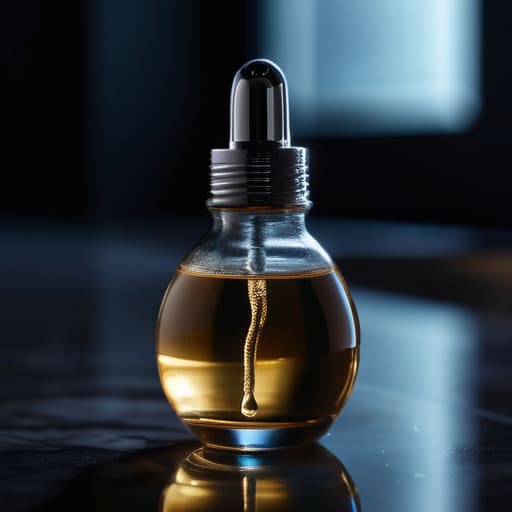
- Don’t skip the occlusive layer. Since I messed up my barrier in my early twenties, I’ve learned that a lightweight facial oil or a thicker balm acts like a little security blanket, sealing everything in so it doesn’t just evaporate while you sleep.
- Keep your bedroom humidity in check. If you’re running the AC or the heater all night, the air can get super dry and literally suck the moisture right out of your skin; a small humidifier on your nightstand makes a massive difference.
- Simplify your evening steps. When I’m feeling overwhelmed, I strip everything back to just a gentle cleanse and a heavy hitter moisturizer. More products don’t always mean more hydration; sometimes, less is actually more for a calm skin barrier.
- Hydrate from the inside out, too. It sounds cliché, but I’ve noticed that if I spend my evening sipping herbal tea instead of scrolling on my phone, my skin just looks more rested and vibrant the next morning.
My Nighttime Hydration Cheat Sheet
Apply your hydrating serums onto damp skin; it’s a total game-changer for helping ingredients like hyaluronic acid actually sink in rather than just sitting on top.
Don’t skip the moisturizer just because you used a serum—think of your cream as the “seal” that locks all that goodness in so it doesn’t evaporate while you sleep.
Listen to your skin barrier; if things feel stinging or tight, strip your routine back to just the basics until your skin feels calm and resilient again.
A Moment of Stillness
After years of stripping my skin bare with harsh acids, I finally learned that nighttime hydration isn’t about adding more layers; it’s about giving your skin the quiet permission it needs to actually repair itself while you sleep.
Neha Rajagopal
Finding Your Rhythm
At the end of the day, nighttime hydration isn’t about checking off a long list of expensive ingredients or following a complicated manual. It’s really just about two things: giving your skin the moisture it craves with something like hyaluronic acid, and then sealing that goodness in so it doesn’t evaporate while you sleep. By focusing on preventing water loss and choosing gentle, effective hydrators, you’re doing the heavy lifting without the stress. Remember, you don’t need a bathroom counter full of products to see a difference; you just need a consistent, intentional approach that respects your skin’s natural barrier.
As you wind down tonight, I hope you view your skincare not as another task on your to-do list, but as a small act of kindness toward yourself. Whether you’re listening to your favorite jazz tracks or just enjoying the quiet, let this moment be your personal reset. Your skin has been working hard for you all day, and it deserves this brief window of replenishment. Be patient with your progress, keep things simple, and most importantly, trust the process. You’re doing great, and your skin will thank you in the morning.
Frequently Asked Questions
Should I apply my hydrating serums to damp skin, or wait until my face is completely dry?
Honestly, this is such a common question, and after ruining my own skin barrier years ago, I’ve learned that the “how” matters just as much as the “what.” Always aim for damp skin. If you’re using a hydrating serum—especially one with hyaluronic acid—applying it to a slightly moist face helps lock that extra water into your skin. Just pat your face gently after washing; don’t wait for it to bone-dry. It makes all the difference.
Is it actually worth using a heavier night cream if I have oily or acne-prone skin?
I get this question all the time, and honestly, I used to be terrified of heavy creams because of my own breakouts. But here’s the truth: your skin still needs moisture, even if it feels oily. The trick isn’t avoiding creams; it’s picking the right texture. Look for “non-comedogenic” on the label and aim for oil-free, gel-based hydrators. You want to seal in that hydration without suffocating your pores. Keep it light, but don’t skip it.
How long does it usually take to see a real difference in my skin's texture from switching to a more hydrating nighttime routine?
Honestly, I wish I could say you’d wake up with a perfect complexion overnight, but skin doesn’t work that way. You’ll likely notice a temporary “plumpness” almost immediately, but for real changes in texture and smoothness? Give it about four to six weeks. That’s roughly the time it takes for your skin cells to actually turn over. Be patient with yourself—consistency is much more important than perfection.
