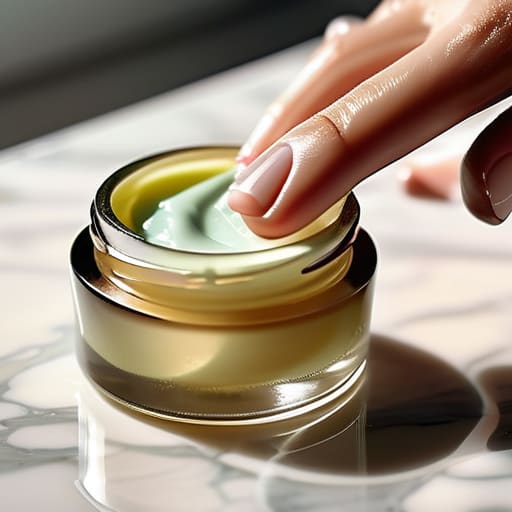
I still remember sitting on my bathroom floor in my early twenties, staring at a face that felt tight, angry, and completely raw because I thought more was always better. I had spent a small fortune on a dozen different high-strength actives, convinced that if my skin wasn’t stinging, it wasn’t working. It took a total barrier breakdown for me to realize that sometimes, the most effective thing you can do is actually stop doing so much. That’s when I discovered the slugging method, and honestly, it was the first time skincare felt like a relief rather than a stressful chemistry experiment.
I’m not here to sell you on a complicated ten-step ritual or a luxury cream that costs more than my monthly grocery bill. Instead, I want to walk you through how to use the slugging method to actually repair your skin barrier and lock in moisture while you sleep. I’ll share what I’ve learned from my own trial and error so you can achieve that healthy, dewy glow without the unnecessary chaos. Let’s cut through the marketing noise and get back to basics.
Table of Contents
The Simple Magic of Petroleum Jelly Skincare Benefits

At its core, this process is all about creating an impenetrable seal. When I first started exploring petroleum jelly skincare benefits, I was skeptical—it felt a bit old-school. But once I realized it acts as an occlusive layer, everything changed. Instead of your expensive serums evaporating into thin air while you sleep, the jelly traps that moisture right where it belongs. It’s essentially a way to force your skin to soak up every bit of hydration, which is a total game-changer for anyone struggling with persistent dehydration.
For those of us who have accidentally stripped our skin with too many acids, this is the ultimate tool for skin barrier repair. It doesn’t add new ingredients that might irritate you; it simply protects what you already have. I’ve found that if you’re focusing on slugging for dry skin, applying a thin layer over your moisturizer can make your skin feel incredibly soft by morning. It turns a standard nighttime habit into something that feels deeply restorative, helping you wake up with a complexion that looks plump and calm rather than tight and irritated.
Essential Slugging Routine Steps for a Peaceful Night
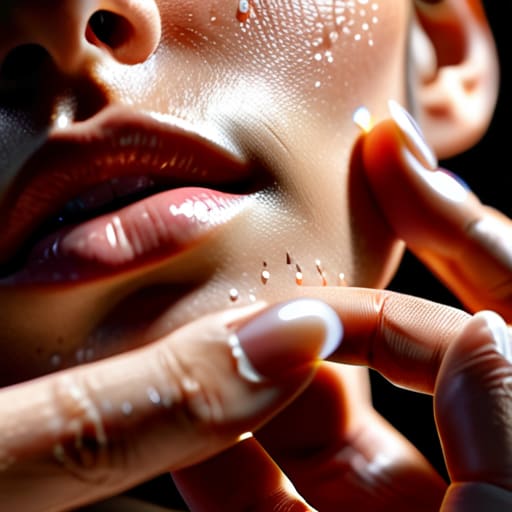
To get started, you don’t need a cabinet full of expensive serums; you just need to lean into the basics. After you’ve finished your usual evening cleanse and applied your favorite moisturizer, it’s time for the star of the show. Take a pea-sized amount of an occlusive—like Vaseline—and gently warm it between your palms. Press it onto your face rather than rubbing it in; this ensures you aren’t disrupting the layers you’ve already applied. If you are focusing on skin barrier repair, this step is where the real magic happens, as it creates that protective seal we talked about earlier.
For those of you wondering about the specific slugging routine steps, timing is everything. I always make sure my skin is slightly damp from my moisturizer before applying the jelly. This helps trap that extra hydration against your skin while you sleep. If you have particularly sensitive areas, you can even skip the heavy layer there and just focus on your cheeks or forehead. It’s all about listening to what your skin needs in the moment, keeping things simple, intentional, and restorative.
My Golden Rules for Slugging Without the Stress
- Listen to your skin first. If your barrier is feeling particularly angry or sensitive, skip the heavy layers and stick to just a basic moisturizer. Slugging is about healing, not forcing a product to work when your skin is crying for help.
- Always, always hydrate underneath. Think of the petroleum jelly as a seal, not a moisturizer itself. You need to apply your favorite hydrating serums or a gentle cream first so the jelly has actual moisture to lock in.
- Keep it to the “problem zones.” If you’re worried about feeling too greasy, you don’t have to coat your entire face. I usually just focus on my cheeks or any dry patches that tend to flake up overnight.
- Watch out for the “active” trap. This is where I messed up in my early twenties—never slug over strong retinols or exfoliating acids like AHA/BHA. Trapping those powerful ingredients under an occlusive layer can cause major irritation. Keep it gentle.
- Cleanse thoroughly the next morning. Since you’re essentially wearing a protective mask all night, you’ll want to make sure you use a nice, gentle cleanser in the morning to clear away any residue and start your day with a fresh slate.
My Quick Cheat Sheet for Slugging Success
Listen to your skin first—if your barrier is already feeling sensitive or broken, skip the heavy occlusives and focus on soothing hydration instead.
Less is definitely more; you only need a tiny, pea-sized amount of petroleum jelly to seal everything in without feeling greasy or suffocated.
Think of slugging as a way to simplify, not complicate; it’s about locking in the moisture you already have so you can wake up feeling rested and replenished.
My Philosophy on Slugging
“After years of chasing perfection with aggressive acids, I realized that sometimes the most productive thing you can do for your skin is to simply stop fighting it and let it rest under a protective, soothing layer.”
Neha Rajagopal
Finding Your Glow in the Quiet Moments

At its heart, slugging isn’t about adding more complexity to your life; it’s about doing less, but doing it better. By using a simple occlusive like petroleum jelly to seal in your moisturizer, you’re giving your skin barrier the chance to repair itself while you sleep. We’ve covered how this method works, why it’s so effective for moisture retention, and how to layer it into your existing nighttime ritual without any fuss. Remember, the goal isn’t perfection—it’s just about protecting the progress you’ve already made with your gentle, science-backed products.
As I sit here with my herb garden and my lo-fi playlist, I’m reminded that our skin, much like our minds, needs periods of stillness to truly thrive. Don’t let the beauty industry convince you that you need a cabinet full of expensive serums to achieve a healthy glow. Sometimes, the most profound transformation comes from the simplest habits. I hope this method helps you turn your evening skincare into a genuine moment of peace rather than another item on your to-do list. Sleep well, and let your skin do the heavy lifting.
Frequently Asked Questions
Is slugging safe if I'm already using acne treatments like retinol or salicylic acid?
This is such a common concern, and honestly, it’s where most people accidentally mess up their barrier. If you’re using retinol or salicylic acid, you have to be careful. Slugging works by sealing everything in, which can make your actives much more potent—and potentially irritating. My rule of thumb? Use your treatments first, let them fully absorb, and only slug on the nights you aren’t using those heavy hitters. Listen to your skin.
Can I slug if I have oily or acne-prone skin, or will it just cause more breakouts?
This is the question I get asked most often, and honestly, I totally get the hesitation. If you’re oily or acne-prone, the idea of layering heavy balm feels like a recipe for breakouts. The trick is all about what’s underneath. If you use a heavy occlusive over rich, thick creams, you might trigger a clog. But if you apply a tiny amount over lightweight, water-based hydration, it can actually help repair your barrier without the chaos.
How often should I actually be doing this—is every night too much for my skin barrier?
Honestly, I’ve learned the hard way that more isn’t always better. If you’re doing this every single night, you might actually be overdoing it, especially if you have oily or acne-prone skin. For most of us, two or three times a week is the sweet spot. Think of it as a treat for your skin barrier rather than a daily requirement. Listen to your face—if it feels heavy or congested, back off.
