I still remember sitting on my bathroom floor in my early twenties, staring at a face that felt tight, stinging, and completely raw. I had been following every “miracle” trend, layering high-percentage acids like they were candy, convinced that more was always better. I thought I was being proactive, but I was actually just destroying my moisture barrier in pursuit of a glow that never came. It took a long, painful recovery to realize that most of the advice surrounding skin health habits is just expensive, high-octane noise designed to make you feel like your current routine is failing you.
I’m not here to sell you a twelve-step ritual or a cabinet full of glass bottles that promise the moon. Instead, I want to share the grounded, science-backed basics that actually helped me heal and keep my skin feeling resilient. We’re going to strip away the marketing hype and focus on a few intentional, sustainable skin health habits that fit into a busy life without adding to your stress. Think of this as a contract: I’ll give you the honest truth about what works, and we’ll leave the complicated chaos behind.
Table of Contents
Mastering Hydration for Glowing Skin Without the Fuss

Mastering Hydration for Glowing Skin Without the Fuss
I used to think “hydration” just meant slapping on a thick, greasy cream and calling it a day. But after my skin barrier mishap in my early twenties, I learned that true hydration for glowing skin is about more than just a surface-level fix. It’s about layering moisture in a way that actually sinks in, rather than just sitting on top of your face like a heavy mask. I’ve found that applying a lightweight, soothing serum to slightly damp skin makes a world of difference. It’s such a simple shift, but it helps your skin actually absorb what you’re giving it, rather than just fighting against the environment.
We also can’t ignore the internal side of things. I’ve noticed a massive difference in how my face looks when I prioritize certain barrier repair nutrients, like omega fatty acids, through my meals. It’s not about being perfect or following a strict diet; it’s just about being mindful of how what we eat feeds our glow from the inside out. When I’m feeling balanced and well-nourished, my skin finally stops feeling tight and starts feeling resilient.
Simple Sun Protection Routines That Actually Stick
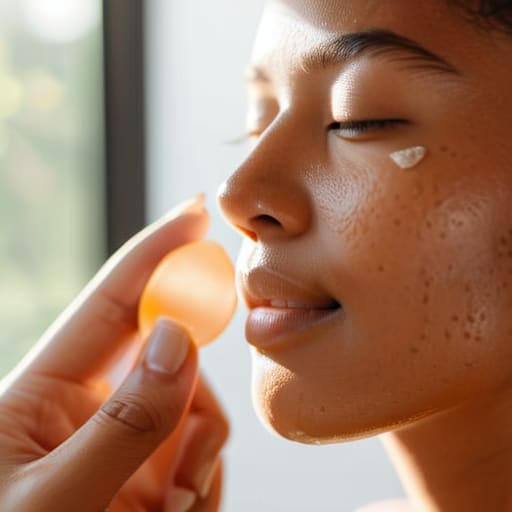
If there’s one thing my younger, more impulsive self learned the hard way, it’s that all the expensive serums in the world won’t save you if you’re skipping SPF. I used to think sun protection was a chore—something you only did when you were heading to the beach—but now I view it as the ultimate act of preventative self-care. The trick to making sun protection routines actually stick is to stop treating sunscreen like a separate step and start seeing it as the final, non-negotiable part of your moisturizer.
I’ve moved away from heavy, greasy formulas that make me feel like I’m wearing a mask. Instead, I look for lightweight, fluid textures that sink in instantly. If you’re like me and hate that sticky feeling, try a mineral sunscreen that doubles as a primer; it makes the application feel more like a seamless part of your morning ritual rather than an extra task. Honestly, finding that one product you actually enjoy wearing is the secret to consistency. When it feels good on your skin, you won’t need a reminder to put it on.
Less is More: My Low-Stress Rules for Happy Skin
- Stop the active ingredient overload. I learned the hard way that layering every serum under the sun is a one-way ticket to a broken skin barrier. Pick one targeted treatment and let your skin breathe; it needs time to actually process what you’re giving it.
- Listen to your skin’s “mood.” Some days my skin feels resilient, and other days it feels tight and reactive. Instead of sticking to a rigid, punishing routine, learn to pivot. If you’re feeling sensitive, skip the exfoliants and just go back to basics with a gentle cleanser and moisturizer.
- Make cleansing a ritual, not a chore. I used to rush through washing my face just to get it over with, but now I treat it as a way to decompress. Use lukewarm water—never hot—and take a minute to actually massage the product in. It’s a tiny moment of peace before the day starts.
- Prioritize sleep as much as your serums. You can buy the most expensive night cream in the world, but it won’t do much if you’re running on four hours of sleep and constant stress. Rest is when your skin actually does its heavy lifting and repairs itself.
- Don’t forget your hands and neck. It’s so easy to focus entirely on our faces and forget that the skin on our neck and hands shows age just as much. Whatever gentle moisturizer or SPF you’re using, carry it down. It takes two extra seconds but makes a huge difference in the long run.
The Bottom Line: Finding Your Skin's Rhythm
Stop chasing every new “miracle” ingredient; focus on a few reliable staples that protect your barrier rather than stripping it away.
Consistency beats complexity every single time—a simple, three-step routine you actually enjoy is better than a ten-step one you dread.
Listen to your skin’s signals; if it feels tight, stinging, or reactive, it’s time to strip things back to the basics and breathe.
Rethinking the Routine
“Your skin isn’t a project to be fixed or a problem to be solved; it’s an ecosystem that thrives when you stop overcomplicating it and start listening to what it actually needs.”
Neha Rajagopal
Finding Your Flow
At the end of the day, skin health isn’t about achieving some impossible, airbrushed standard or owning every single serum that hits the market. It’s about the fundamentals we’ve talked about: staying hydrated, being consistent with your SPF, and—most importantly—listening to what your skin is actually telling you. If you’ve spent years overcomplicating things like I did, please know that you don’t have to go back to that stressful, high-maintenance cycle. By focusing on these core habits, you’re building a foundation that supports your skin’s natural barrier rather than fighting against it.
I hope you take these tips and make them your own, fitting them into your life in a way that feels calm and sustainable. Skincare should be a quiet moment of self-care in a loud, busy world, not another item on your overwhelming to-do list. Whether you’re sipping tea while your moisturizer sinks in or stepping outside into the morning light, remember that consistency beats intensity every single time. You deserve to feel comfortable and confident in your own skin, and I promise, it starts with much less than you think.
Frequently Asked Questions
How do I know if I'm actually hydrating my skin or if I'm just layering products that don't sink in?
Honestly, I used to do this all the time—just piling on serums hoping for a glow, only to end up with a sticky mess. The real test? Texture and “bounce.” If your skin feels tacky or looks like it has a film sitting on top, those products aren’t absorbing; they’re just hovering. True hydration should leave your skin feeling plump and supple, not heavy. If it feels suffocated, you’re likely over-layering.
Since I have a busy schedule, what’s the absolute bare minimum I can do for sun protection on days when I'm running out the door?
Honestly, on those mornings when I’m racing to my desk with a lukewarm coffee in hand, I skip the layers. My absolute non-negotiable is a good SPF moisturizer. It combines my hydration and protection in one step, so I’m not fumbling with multiple bottles. If I have an extra ten seconds, I’ll swipe on a tinted mineral SPF—it acts like a tiny bit of coverage and protection all at once. Keep it simple.
I'm terrified of ruining my skin barrier again—how do I tell the difference between a product working and a product causing irritation?
I totally get that fear—I’ve been there, staring at a red, stinging face wondering if I’d messed up again. Here’s the thing: “working” usually feels like nothing at all, or maybe a very brief, mild tingle that fades instantly. But if your skin feels tight, itchy, or looks angry and red after use, that’s not “purging”—it’s irritation. If it hurts, your barrier is crying for help. Listen to it.
