
I still remember sitting on my bathroom floor in my early twenties, staring at a face that felt like it had been scrubbed with sandpaper. I had been chasing that “glow” by layering every aggressive acid and high-percentage retinol I could find, convinced that more was always better. Instead, I had completely decimated my skin’s natural defenses. That stinging, red, tight sensation was my body’s way of screaming that I had ignored the most important part of any routine: skin barrier repair. I learned the hard way that you can’t just “power through” irritation with more actives; you have to actually stop and listen to what your skin is telling you.
I’m not here to sell you a twelve-step ritual or a collection of overpriced, gold-flecked serums that promise miracles overnight. My goal is to help you cut through the noise and get back to basics. In this guide, I’m sharing the exact, science-backed approach I used to heal my own complexion—focusing on gentle, functional ingredients that actually work. We’re going to talk about how to rebuild your strength without the stress, so you can finally find that much-needed moment of peace in your daily routine.
Table of Contents
- The Quiet Signals Identifying Common Signs of a Compromised Skin Barrier
- Beyond the Surface Why Transepidermal Water Loss Prevention Matters
- My Low-Stress Guide to Getting Your Glow Back
- The Essentials: My Three Golden Rules for Recovery
- Less is More
- Finding Your Calm Again
- Frequently Asked Questions
The Quiet Signals Identifying Common Signs of a Compromised Skin Barrier

It usually doesn’t happen all at once. For me, it was a slow realization that my skin just felt… off. One day, my usual moisturizer felt like it was stinging upon application, and the next, I noticed a persistent tightness that wouldn’t go away, even after drinking a gallon of water. These are some of the most common signs of a compromised skin barrier: that sudden, inexplicable sensitivity to products you’ve used for years, or a texture that feels rough and flaky despite your best efforts to exfoliate.
You might also notice a strange, shiny appearance that isn’t “glowy,” but rather looks stretched and thin. This often happens when your skin’s natural defense system is struggling with transepidermal water loss prevention, meaning the moisture is escaping faster than you can put it back in. If your face feels hot to the touch or reacts to even the mildest breeze, your barrier is likely waving a white flag. It’s your skin’s way of asking you to stop the actives, put down the scrubs, and just let it breathe for a while.
Beyond the Surface Why Transepidermal Water Loss Prevention Matters
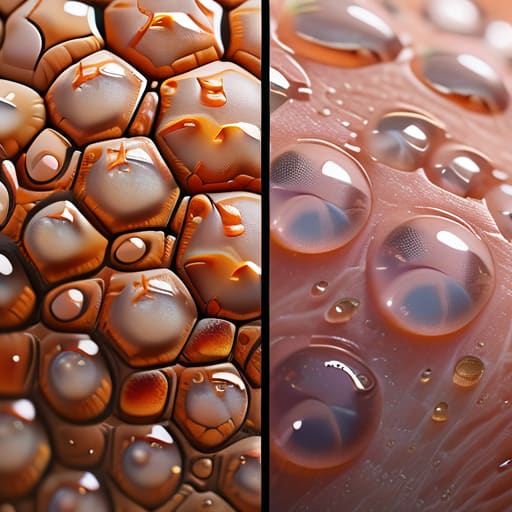
Think of your skin barrier like the roof of your house. When it’s intact, it keeps the good stuff in and the bad stuff out. But when that barrier starts to fray, you deal with what scientists call transepidermal water loss. Essentially, the moisture that should be keeping your cells plump and happy just evaporates into the air. This is why you might feel like you’re applying moisturizer every hour only to feel tight and parched again ten minutes later. It’s a frustrating cycle, but it’s a direct result of your skin losing its ability to hold onto hydration.
To fix this, we have to move past just “adding water” and start focusing on lipid replenishment for skin. It isn’t enough to just splash on some hyaluronic acid; you need to seal that moisture in with healthy fats like ceramides or fatty acids that mimic your skin’s natural structure. I’ve learned the hard way that without these structural building blocks, any hydration you apply is basically just evaporating into thin air. We need to stop the leak before we can truly heal the damage.
My Low-Stress Guide to Getting Your Glow Back
- Strip it all back. If your skin is stinging or feeling tight, this is not the time to reach for that 10% Glycolic Acid or your favorite retinol. Put the harsh actives in a drawer for a few weeks and focus solely on hydration and protection.
- Look for the “skin food” ingredients. I always check my labels for ceramides, fatty acids, and cholesterol. Think of these as the literal mortar between your skin cell bricks; they help plug the gaps and stop that moisture from escaping.
- Keep your cleansing ritual gentle. I’ve learned the hard way that “squeaky clean” is actually a bad sign. Switch to a non-foaming, creamy cleanser that respects your natural oils rather than stripping them away.
- Don’t skip the SPF, even on cloudy days. A compromised barrier is extra vulnerable to UV damage, which can cause even more inflammation. A mineral sunscreen is often a gentler choice when your skin is feeling particularly sensitive.
- Embrace the “less is more” mindset. You don’t need five different serums to fix this. A single, high-quality barrier cream applied to damp skin is often more effective than a complicated, multi-step routine that just stresses your skin out further.
The Essentials: My Three Golden Rules for Recovery
Stop the “more is more” mindset; when your barrier is struggling, the best thing you can do is strip your routine back to the absolute basics and ditch the harsh acids for a while.
Focus on moisture retention, not just hydration; look for ingredients that act like a cozy blanket for your face, locking that water in so it can’t evaporate away.
Patience is your best friend; healing a damaged barrier isn’t an overnight fix, so give your skin the grace and time it needs to actually rebuild itself.
Less is More
“We often think we can scrub or peel our way to better skin, but real healing usually happens in the quiet moments when we finally stop overdoing it and just let our barrier breathe.”
Neha Rajagopal
Finding Your Calm Again

At the end of the day, repairing your skin barrier isn’t about chasing the latest viral ingredient or adding more steps to your sink. It’s about listening to those quiet signals—the tightness, the redness, the unexpected sensitivity—and responding with gentle, intentional care. We’ve talked about why preventing transepidermal water loss is so vital, but the real takeaway is simplicity. By stripping back the harsh actives and focusing on hydration and protection, you aren’t just fixing a physical layer; you are giving your skin the space it needs to breathe and heal itself from the inside out.
I know how frustrating it feels when your skin feels like it’s working against you, especially when you’ve tried everything under the sun. But please remember that skin healing is a marathon, not a sprint. There will be days when it feels like progress is slow, but if you stay consistent with your minimalist approach, you will get there. Treat your routine as a moment of peace rather than a checklist of chores. You deserve to feel comfortable and confident in your own skin, and I promise, it is worth the patience.
Frequently Asked Questions
How long does it actually take to see a difference once I start focusing on barrier repair?
I know the feeling—you want that glow back yesterday. But honestly? Patience is your best friend here. If you’re consistent with gentle, soothing products, you might notice some immediate relief from that stinging sensation within a few days. However, for real structural healing, give it about 28 days. That’s roughly the time it takes for your skin cells to actually turn over. Stick with it; your barrier is worth the wait.
Can I keep using my favorite retinol or exfoliating acids while I'm trying to heal my skin?
Honestly? I’d say take a breather. I know it’s hard to let go of those holy grail actives, but if your barrier is struggling, adding more “fire” to the flame is just going to prolong the irritation. For me, the best move is to hit pause on the retinol and acids for a week or two. Focus on soothing, hydrating layers instead. Once your skin feels calm again, you can slowly reintroduce them.
Are there specific ingredients I should be looking for—or avoiding—to make this process easier?
When your barrier is struggling, think “soothe” rather than “scrub.” I always look for ceramides, fatty acids, and glycerin—these are the building blocks that help your skin hold onto moisture. Squalane is also a personal favorite for that lightweight, calming touch. Most importantly, please put down the harsh actives for a while. Avoid high-strength retinols, AHAs, or anything with heavy fragrances. Your skin needs a break from the intensity so it can finally heal.
