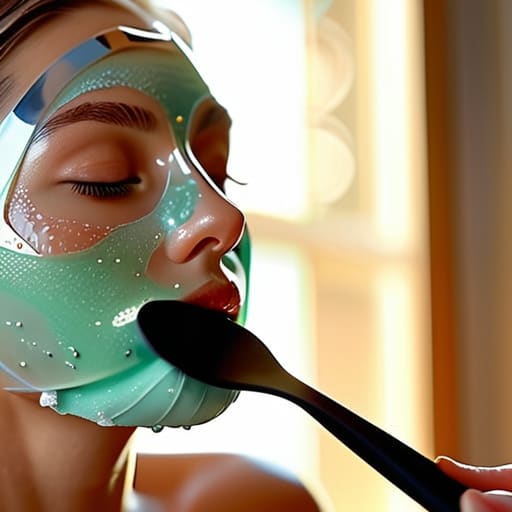
I still remember looking in the mirror a few years ago, staring at a face that felt tight, itchy, and completely raw because I thought more was always better. I had been chasing the “glow” by layering aggressive acids, convinced that if my skin wasn’t stinging, it wasn’t working. I was so wrong. I had effectively stripped my skin barrier to the bone, and no amount of expensive, flashy serums could fix the damage I’d done. It wasn’t until I stripped everything back and leaned into the simple, soothing power of hydrating masks that my skin finally found its way back to a place of peace.
I’m not here to sell you on a ten-step ritual or a luxury jar that costs more than my monthly grocery bill. My goal is to cut through the marketing noise and help you find those few, reliable products that actually deliver real moisture without the headache. We’re going to look at the science-backed essentials that work for a busy, realistic lifestyle. I promise to give you my honest, no-nonsense take on which hydrating masks are worth your time and which ones are just expensive water in a pretty bottle.
Table of Contents
The Magic of Hyaluronic Acid Skincare Benefits

If you’re like me and have ever felt that tight, uncomfortable sensation after a long day of staring at a screen, you know how much your skin craves a drink of water. This is where hyaluronic acid really steps in to save the day. I used to think I needed heavy, greasy oils to fix my dryness, but I learned that true hyaluronic acid skincare benefits come from its ability to pull moisture deep into the skin layers. It acts like a tiny, invisible sponge, holding onto hydration so your face feels plump rather than parched.
For anyone who has dealt with a compromised skin barrier—and trust me, I’ve been there—this ingredient is a total game-changer for moisture barrier repair. It doesn’t just sit on the surface; it works to soothe and stabilize your skin’s natural defenses. When I incorporate it into my evening ritual, it feels less like a chore and more like a gentle reset. It’s one of those simple, science-backed ways to achieve that effortless, dewy skin routine look without having to layer on a dozen different products.
Gentle Moisture Barrier Repair for Real Results
If you’re anything like me, you’ve probably had that “oops” moment where you went a little too hard with the retinol or exfoliating acids, only to end up with skin that feels tight, stinging, and just plain angry. I learned the hard way that when your skin feels sensitized, you don’t need more “action”—you need a truce. This is where moisture barrier repair becomes your absolute best friend. Instead of trying to scrub away the problem, we need to focus on feeding those lipids back into the skin to seal everything in.
When I’m in recovery mode, I look for soothing facial treatments that prioritize ceramides and fatty acids. The goal isn’t just a temporary glow; it’s about rebuilding that protective shield so your skin can actually hold onto water. I love using a thick, creamy layer of something nutrient-dense to provide intensive facial hydration while I wind down for the night. It’s less about a complicated regimen and more about giving your face the quiet, restorative care it’s begging for after a long week.
My Low-Stress Rules for Making Masks Actually Work
- Don’t wait until your skin feels like sandpaper. I’ve learned the hard way that proactive hydration is much easier than trying to fix a damaged barrier once it’s already flared up.
- Apply your mask to damp skin. It sounds small, but if your face is bone-dry, that hyaluronic acid might actually pull moisture out of your skin instead of into it.
- Treat it like a digital detox. Put your phone in another room, turn on my favorite Lo-Fi jazz, and actually sit still for those fifteen minutes. If you’re scrolling through emails, you aren’t really relaxing.
- Less is more when it comes to layering. After you rinse off your mask, keep the rest of your routine minimal—just a gentle moisturizer to seal all that goodness in.
- Listen to your skin, not the trends. If a mask feels tingly or irritating, wash it off immediately. We’re looking for a moment of peace here, not a chemical battle.
My Quick Guide to Choosing the Right Mask
Focus on soothing ingredients like hyaluronic acid or ceramides that actually help rebuild your barrier rather than just sitting on top of it.
Don’t feel pressured to do this every day; a mask should be a relaxing ritual, not another item on your stressful to-do list.
Listen to your skin—if it feels tight or irritated, skip the harsh exfoliants and opt for something purely hydrating to bring things back to baseline.
Finding Calm in a Mask
“After years of stripping my skin bare with harsh actives, I finally learned that hydration isn’t about adding more steps; it’s about giving your skin a quiet moment to just breathe and reset.”
Neha Rajagopal
Finding Your Flow
At the end of the day, finding the right hydrating mask isn’t about following a complicated trend or buying every shiny new bottle on the shelf. It’s about understanding what your skin actually needs—whether that’s the deep, moisture-binding power of hyaluronic acid or the gentle, soothing touch of ingredients that help repair your skin barrier. We’ve talked about how these masks can act as a reset button for your face, helping you move away from the irritation of over-exfoliation and back toward a state of calm, healthy hydration. Remember, it’s not about how many steps you take, but about choosing the right ones that actually serve your skin’s well-being.
I really want you to view these few minutes of masking as more than just a step in a beauty routine. Think of it as a small, intentional act of self-care in the middle of a chaotic week. When I slip on a mask and let my favorite Lo-Fi tracks play in the background, it’s my way of telling myself that I deserve a moment of stillness. You don’t need a massive budget or a complicated lifestyle to achieve a glow; you just need to listen to your skin and give it the peace it deserves. Take a breath, mask up, and just be.
Frequently Asked Questions
How often should I actually be using these masks without overdoing it and irritating my skin?
I used to think more was better, but trust me—that’s a fast track to a compromised barrier. For most of us, two or three times a week is the sweet spot. If your skin is feeling particularly parched or tight, you might bump it up to every other day, but listen to your skin. If it starts feeling sensitive or looks red, back off. Skincare should soothe, not stress you out.
Can I use a hydrating mask if my skin is currently breaking out, or will it just make things worse?
Honestly, I’ve been there—dealing with a breakout while feeling like my skin is parched at the same time. The short answer is yes, but you have to be picky. Avoid anything heavy, oily, or packed with fragrances that might clog your pores further. Look for lightweight, water-based masks with soothing ingredients like aloe or centella. Think of it as giving your skin a drink of water rather than a heavy meal.
Is there a big difference between a sheet mask and a cream mask when I'm looking for deep hydration?
Honestly, it comes down to how much time you actually have. If you’re looking for that instant, “plumped-up” feeling after a long day, sheet masks are my go-to; they force all that serum into your skin quickly. But for deep, long-term hydration, I usually reach for a cream mask. They’re more nourishing and help repair that barrier I used to wreck in my twenties. Think of sheet masks as a quick drink, and cream masks as a full meal.
