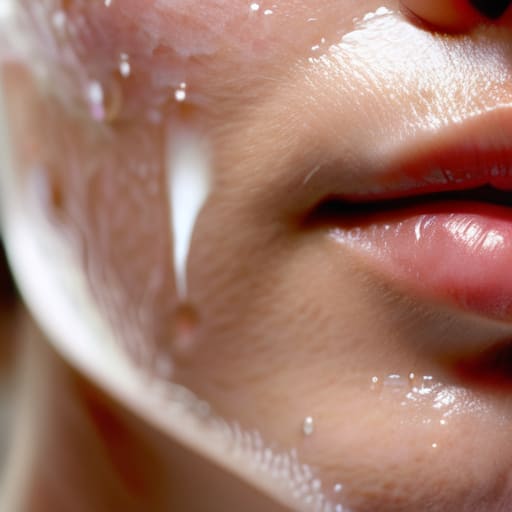
I still remember staring into my bathroom mirror three years ago, feeling a genuine sense of panic as I watched tiny, dry flakes of skin peeling away from my cheeks. I had gone overboard with a high-percentage retinol, thinking more was better, only to realize I had completely wrecked my moisture barrier. It wasn’t just a cosmetic issue; it was that stinging, tight sensation that made me want to hide under my duvet. If you’re currently staring at your reflection and feeling like your skin is betraying you, please know that you aren’t doing anything wrong—you might just be caught in the cycle of over-treating.
I’m not here to sell you a fifteen-step recovery kit or tell you that you need to spend a week’s rent on a “miracle” balm. Instead, I want to share what actually helped me find my way back to a calm, healthy complexion. We are going to cut through the marketing noise and focus on simple, science-backed steps to soothe the irritation and help your skin heal. Consider this your permission slip to stop the chaos and just let your skin breathe again.
Table of Contents
Understanding the Causes of Skin Peeling Without the Stress
So, why is this actually happening? Before you start spiraling or Googling every scary symptom, let’s take a breath. Most of the time, what you’re seeing is just your body’s way of trying to reset. One of the most common causes of skin peeling is simply a disrupted skin barrier. I learned this the hard way when I overdid it with retinol in my early twenties; I thought more was better, but I actually just stripped away my skin’s natural protection. When that barrier is compromised, your skin loses moisture rapidly and starts to shed those damaged cells to make room for something new.
It’s also important to distinguish between dry skin vs skin peeling. If your face just feels tight or looks a bit dull, you’re likely just dehydrated. But if you’re seeing actual flakes or patches lifting away, that’s a more active dermatological skin renewal process at play. Whether it’s a reaction to a new active ingredient, a lingering sunburn, or just the harsh winter air, your skin is essentially signaling that it needs a little extra TLC and a lot less friction.
Is It Dry Skin vs Skin Peeling Lets Simplify It
It’s a question I get asked all the time, and honestly, I used to get them mixed up too. When I was in my “over-exfoliating era,” I couldn’t tell if my face was just thirsty or if I had actually done some damage. The easiest way to look at dry skin vs skin peeling is to think about the texture and the intent. Dry skin is usually just a lack of oil or moisture; your skin might feel tight or look a bit dull, but it stays intact. Peeling, however, is a more active process where the top layer of cells is actually detaching from your body.
Think of dry skin like a wilted plant that just needs a drink, whereas peeling is more like a tree shedding its bark. Peeling is often a sign that your skin barrier repair needs to become your top priority because the surface layer is compromised. Whether it’s a reaction to a new retinol or a lingering sunburn, peeling means your skin is trying to reset itself. If you can see actual flakes lifting away, you aren’t just dry—you’re in the middle of a cellular transition.
5 Ways to Calm the Chaos and Heal Your Skin
- Stop the urge to pick. I know it’s tempting to peel those little flakes away, but please don’t. Tugging at your skin when it’s already compromised is the fastest way to cause scarring or even more irritation. Let the skin fall off naturally on its own time.
- Strip your routine back to the basics. If your skin is peeling, this is not the time to experiment with that new, high-strength retinol or a spicy AHA exfoliant. Put the “actives” in a drawer for a week and stick to a very gentle, fragrance-free cleanser and a nourishing moisturizer.
- Think of hydration like a tall glass of water. When my skin is acting up, I double down on both topical hydration (think hyaluronic acid or soothing serums) and drinking plenty of water. It helps your skin barrier recover from the inside out.
- Look for “barrier-repair” ingredients. Instead of searching for more exfoliation, look for products containing ceramides, squalane, or centella asiatica. These ingredients act like a little security team for your skin, helping to patch up those microscopic cracks that cause peeling.
- Be patient with the process. Skin cells take time to turn over, and your barrier needs time to rebuild itself. It’s not going to look perfect by tomorrow morning, so take a deep breath, put on your favorite Lo-Fi track, and give your skin the grace it needs to heal.
The Quick Version: What Your Skin Is Trying to Tell You
Stop the “more is better” cycle—if you’re peeling, it’s usually a sign that your skin barrier is overwhelmed, so put the harsh actives away for a few days.
Distinguish between simple dryness and actual peeling; one needs a richer cream, while the other needs a total reset and much gentler ingredients.
Focus on soothing, not scrubbing—avoid those physical exfoliants that feel like they’re “cleaning” the flakes, and instead, opt for hydration that lets your skin heal itself.
## A Gentle Reminder for Your Skin
“When your skin starts peeling, it’s not a sign that you’ve failed or that you need to buy a whole new shelf of products; it’s just your skin’s way of asking for a little bit of grace and a lot of hydration.”
Neha Rajagopal
Finding Your Calm Again
At the end of the day, peeling skin is usually just your body’s way of telling you to slow down and reset. Whether you’ve overdone it with those trendy, high-strength actives or you’re just dealing with a seasonal shift in humidity, the solution isn’t to add more complexity to your sink. Remember, the goal is to strip back the noise and focus on the basics: hydration, protection, and patience. If you can identify whether it’s simple dryness or a sign of a compromised barrier, you’re already halfway to fixing it. Just keep things gentle and consistent, and let your skin do the heavy lifting of healing itself.
I know how frustrating it feels when you look in the mirror and don’t recognize your own texture, but please don’t let it ruin your confidence. I’ve been there—staring at flaky patches and feeling like I’d completely failed my routine—and I promise you, this is temporary. Treat your skincare as a small act of self-care rather than a problem to be solved. Put on your favorite Lo-Fi playlist, apply a soothing moisturizer, and give yourself some grace. You don’t need perfection to be healthy; you just need to listen to what your skin is asking for.
Frequently Asked Questions
Should I use an exfoliant to get rid of the peeling skin faster, or will that just make things worse?
Honestly? Put the exfoliants away for a minute. I know the urge to scrub those flakes off so your skin looks smooth again is real, but after my own barrier mishap, I’ve learned the hard way: peeling is a signal that your skin is vulnerable. Using an acid or a physical scrub right now is like trying to sand down a sunburn. It’ll just trigger more inflammation. Stick to hydration and let your skin heal itself.
Are there any specific ingredients I should look for in a moisturizer to help my skin barrier heal?
When your barrier is struggling, I always tell myself to look for “skin food”—ingredients that actually mimic our natural oils. I personally swear by ceramides to help glue those skin cells back together, and hyaluronic acid to pull moisture back in. If you’re feeling extra sensitive, look for soothing bits like panthenol or squalane. Keep it simple; you don’t need a complex formula, just the good stuff that helps your skin breathe and heal.
How long is it normal for my skin to keep peeling before I should actually start worrying?
Honestly, I used to panic the second I saw a flake in the mirror, but here’s the reality: if you’ve recently switched up an active or had a minor reaction, a few days of peeling is usually just your skin resetting. If it’s gone within a week of sticking to a gentle routine, you’re likely fine. But if it’s still peeling after ten days, or if it’s painful and red, that’s your sign to stop and see a professional.
