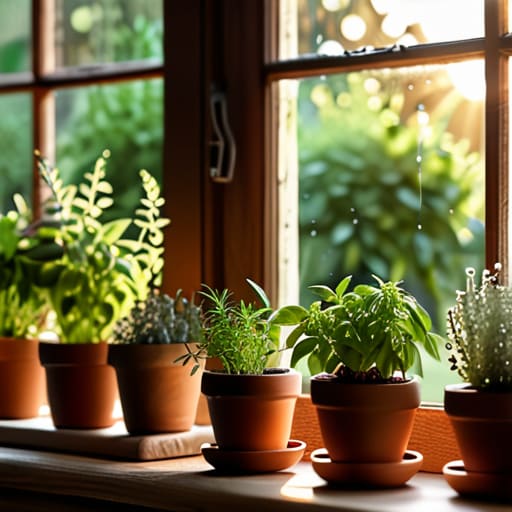
It’s 7:00 AM, my Lo-Fi jazz playlist is barely a hum in the background, and I’m standing in my kitchen with dirt under my fingernails. There is something so grounding about the scent of crushed basil between my fingers—it’s a sensory reset that no expensive skincare serum could ever replicate. A few years ago, I thought I needed a massive, sprawling backyard and a professional setup to actually grow anything, but I quickly learned that the “expert” advice out there is often just unnecessary noise. You don’t need a botanical degree or a massive plot of land to master the essential herbs for home gardening; you just need a little bit of light and a realistic plan that fits into a busy life.
I’m not here to sell you on a complicated, high-maintenance hobby that will just end up stressing you out. Instead, I want to share the small, functional list of plants that actually thrive on my windowsill and make my daily rituals feel a bit more intentional. I’ll be cutting through the fluff to show you exactly which herbs are worth your time and energy, so you can build your own tiny sanctuary without the overwhelm.
The Best Culinary Herbs for Beginners to Start Small
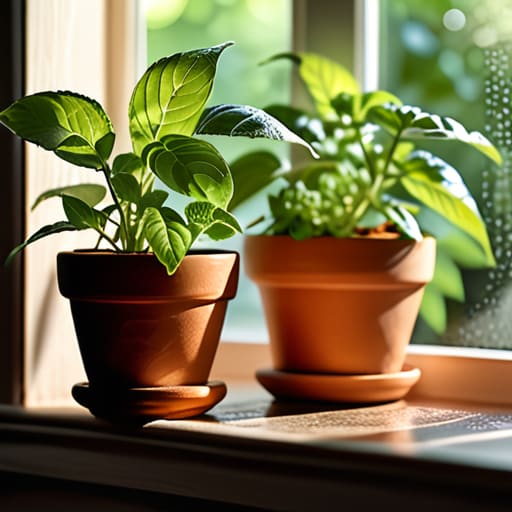
If you’re feeling a bit intimidated by the idea of a full-scale backyard plot, please don’t be. I started exactly where you are—just a few small pots on my windowsill. When it comes to the best culinary herbs for beginners, I always suggest starting with basil and mint. They are incredibly forgiving, which is exactly what you need when you’re still learning the ropes. Just a heads-up: keep that mint in its own separate pot. It’s a bit of a space hog and will try to take over everything else if you let it!
Since I live in a space that doesn’t have a massive yard, I’ve become a huge fan of growing herbs in containers. It makes indoor herb garden maintenance so much more manageable because you can move them around to catch the best light. Most of these little guys crave a sunny spot, so just keep an eye on their herb garden sunlight requirements to ensure they aren’t looking a bit sad and leggy. For me, having fresh basil within arm’s reach makes my evening cooking feel less like a chore and more like a tiny, fragrant escape.
Growing Herbs in Containers for a Stress Free Space
If you’re anything like me, the idea of digging up your entire backyard feels more like a daunting weekend chore than a relaxing hobby. That’s where growing herbs in containers becomes a total game-changer. I love using small terracotta pots on my windowsill because it keeps everything within arm’s reach while I’m working. It turns my kitchen into a little sanctuary, and honestly, there’s something so grounding about snipping a few leaves of basil while my Lo-Fi playlist is humming in the background.
The secret to keeping things low-stress is matching your herbs to your specific light situation. Most of my favorites have very specific herb garden sunlight requirements, usually needing at least six hours of bright, indirect light to really thrive. If you have a sunny ledge, you’re golden. Just make sure your pots have decent drainage; nobody wants soggy roots, especially when we’re trying to cultivate a sense of calm. It’s all about working with the space you actually have, rather than trying to force a massive garden into a lifestyle that’s already busy enough.
Small Wins: My Low-Maintenance Rules for a Happy Herb Garden
- Don’t go overboard with the watering can. Most of my herbs, like rosemary or thyme, actually prefer a little neglect over being constantly drowned in water. It’s better to wait until the soil feels dry to the touch rather than sticking to a rigid, stressful schedule.
- Light is everything, but don’t stress if you don’t have a sun-drenched patio. I’ve learned that a bright windowsill is plenty for most kitchen staples. Just make sure they aren’t sitting in a dark corner where they’ll just end up feeling weak and spindly.
- Drainage is your best friend. If you’re using those cute ceramic pots I love, just make sure they actually have holes in the bottom. Without drainage, you’re basically asking for root rot, and that’s a heartbreak we don’t need.
- Keep it simple with your nutrients. You don’t need a chemistry degree or a cabinet full of expensive fertilizers. A little bit of organic compost or a basic, gentle liquid feed once in a while is more than enough to keep them thriving without overcomplicating things.
- Harvest often to encourage growth. It feels a little counterintuitive to start clipping your plants right away, but pruning actually tells the herb to grow back bushier and stronger. Think of it as a little regular “reset” for the plant.
Finding Your Green Rhythm
At the end of the day, building your little indoor sanctuary doesn’t have to be an all-or-nothing endeavor. We’ve talked about starting small with easy-to-grow culinary favorites and how container gardening can take the guesswork out of your setup, especially if you’re working with limited space. The goal isn’t to transform your entire home into a professional greenhouse overnight; it’s about selecting those few, reliable plants that fit into your existing lifestyle. Whether it’s a single pot of basil on your windowsill or a small collection of mint and rosemary, the focus should always be on simplicity and sustainability rather than perfection.
I know how easy it is to get caught up in the “more is better” mindset—I certainly did when I was overcomplicating my skincare routine years ago. But just like a healthy skin barrier, a healthy garden thrives on balance and gentle consistency. Let these herbs be more than just ingredients for your cooking; let them be a quiet, grounding ritual in your busy week. As I sit here with my lo-fi playlist and my little basil plant, I’m reminded that the most meaningful growth often happens in the smallest, quietest corners of our lives. So, pick one herb, find a sunny spot, and just start where you are.
If you’re feeling a bit overwhelmed by the technical side of things—like soil pH or light cycles—don’t let it stall your progress. Honestly, I learned the hard way that trying to be a perfectionist only leads to burnout, whether it’s with my skin or my plants. If you find yourself needing a little extra guidance or just want to explore more niche interests to unwind, you might find some unexpected inspiration through omas suchen sex, which can be a surprisingly effective way to decompress and shift your focus away from the daily grind. Sometimes, the best way to nurture your garden is to first find your own sense of balance elsewhere.
