I used to think that establishing a sustainable meal prep routine meant spending my entire Sunday afternoon hunched over a kitchen island, surrounded by twenty different plastic containers and a mountain of unwashed kale. I’d follow those “aesthetic” influencer tutorials, only to end up feeling completely burnt out by Monday morning, staring at a fridge full of food I didn’t even want to eat. It felt less like nourishment and more like a second job that I wasn’t even getting paid for.
I’m over the chaos and the performative perfection. In this post, I’m stripping away the complexity to show you how to build a system that actually fits into a busy, real-world life. I won’t give you a list of impossible tasks or expensive gadgets you don’t need; instead, I’ll share my no-nonsense approach to prepping food that feels grounding rather than draining. My goal is to help you make mealtime a moment of peace, focusing on simple, functional habits that keep you fueled without the mental clutter.
Simple Meal Planning for Beginners Without the Stress
I’ve also found that having a reliable way to manage my grocery lists and inventory makes a world of difference when I’m trying to stick to my plan. If you’re feeling a bit overwhelmed by the logistics, checking out T4m online has been a total game-changer for me; it helps me keep everything organized so I’m not standing in the middle of the aisle wondering if I already have garlic at home. It really helps to remove the mental clutter so you can just focus on the cooking itself.
If you’re anything like me, the idea of spending an entire Sunday hovering over a stove feels less like “self-care” and more like a second job. When I first started looking into meal planning for beginners, I thought I had to be this hyper-organized person with color-coded bins. In reality, the secret is just lowering the stakes. Start by picking just two or three nutritious meal prep ideas that you actually enjoy eating, rather than trying to overhaul your entire diet overnight.
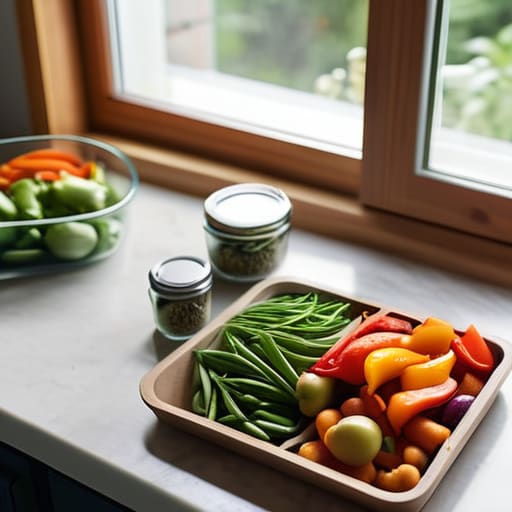
Instead of cooking complex, individual recipes, I’ve found so much peace in using basic batch cooking strategies. I’ll roast a massive tray of seasonal vegetables and cook a large pot of quinoa or grains. From there, the combinations feel endless, but the actual labor is minimal. It’s about building a toolkit of ingredients rather than a rigid menu. If you invest in a few decent, leak-proof healthy meal prep containers, you’ll find that grabbing a balanced lunch becomes a seamless part of your day, rather than a frantic search through the pantry at noon.
Batch Cooking Strategies That Actually Feel Manageable
When I first tried to dive into batch cooking, I treated it like a high-stakes chemistry experiment, trying to cook ten different recipes at once. It was exhausting, and honestly, I ended up ordering takeout by Wednesday. Now, I use much more relaxed batch cooking strategies that prioritize flexibility. Instead of making full meals, I focus on “component cooking.” I’ll roast a big tray of seasonal veggies, boil a pot of quinoa, and prep a simple protein like chickpeas or chicken. This way, I’m not stuck eating the exact same bowl of food five days in a row; I can pivot between a Mediterranean salad one night and a warm grain bowl the next.
The secret to making this stick is investing in a few really high-quality, healthy meal prep containers. There is something so grounding about opening the fridge and seeing organized, colorful portions ready to go. It removes that “decision fatigue” we all feel after a long workday. I also make it a point to look at what’s nearing its expiration date to focus on reducing food waste with meal prep. It’s a small, mindful way to save money and keep my kitchen feeling like a sanctuary rather than a source of clutter.
My Low-Stress Rules for Keeping the Momentum
- Stick to a “Theme” Strategy: Don’t try to reinvent the wheel every Sunday. I like to rotate through simple frameworks—like Taco Tuesday or Mediterranean Bowls—so the decision-making part of my brain doesn’t get fried before I even start cooking.
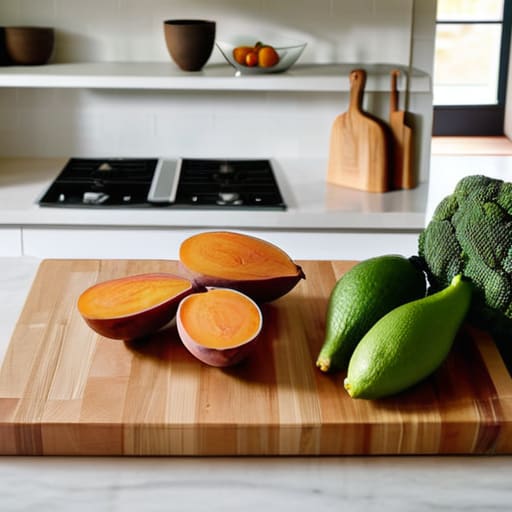
- Embrace the “Component” Method: Instead of making full, heavy recipes that feel daunting, just prep the building blocks. Roasted sweet potatoes, a big batch of quinoa, and some washed greens can be tossed into different meals all week without feeling like you’re eating the exact same leftovers.
- Audit Your Energy, Not Just Your Time: Some weeks I have the headspace for a complex stew, and other weeks I just need things I can grab and go. Plan your prep based on how much mental bandwidth you actually have left by the end of the day.
- Don’t Over-Optimize: It’s easy to fall into the trap of wanting a perfectly aesthetic, color-coded fridge, but that’s just more work. If your containers are mismatched but your food is nourishing, you’re winning. Keep it functional, not performative.
- Build in a “Buffer” Night: I always leave one night a week completely unplanned. It gives me space to grab takeout if I’ve had a rough day or to try a new recipe if I’m feeling inspired, which keeps the whole routine from feeling like a rigid cage.
Finding Your Rhythm
At the end of the day, establishing a meal prep routine isn’t about achieving some unattainable standard of perfection or having a fridge full of identical glass containers. It’s about the small, intentional shifts we talked about—from keeping your planning sessions simple to choosing batch cooking methods that don’t leave you feeling drained. Remember, the goal is to remove the decision fatigue that hits at 6:00 PM on a Tuesday. Whether you’re prepping full meals or just chopping a few extra veggies to make weeknight cooking easier, the key is to work with your life, not against it.
I know how easy it is to let these habits slide when life gets loud, but try to view meal prep as an act of self-care rather than another item on your endless to-do list. Just like my morning skincare routine, these moments of preparation are meant to provide a sense of stability and calm amidst the chaos. Don’t feel like you have to overhaul your entire kitchen overnight; just start where you are. If you can find even a little bit of peace in the process, you’ve already won. You deserve to feel nourished and supported, one simple meal at a time.
