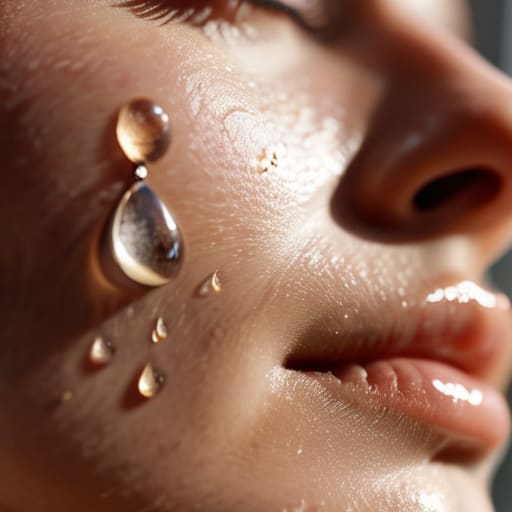
I still remember the stinging sensation of waking up in my early twenties, looking in the mirror at skin that felt less like a complexion and more like parched parchment. I had spent months chasing every “miracle” cream on the market, thinking that if I just layered enough expensive serums, the tightness would finally go away. Instead, I was just stripping my barrier even further, desperately searching for dry skin solutions that actually respected my skin’s biology rather than just masking the flakes with heavy oils. It was a frustrating, expensive cycle of trial and error that left me feeling more overwhelmed than hydrated.
I’m not here to sell you a twelve-step ritual or a luxury cream that costs more than my monthly grocery bill. My goal is to cut through the marketing noise and give you the straightforward, science-backed truth about what actually works. We’re going to focus on intentional, effective dry skin solutions that soothe your barrier without adding unnecessary stress to your morning. Consider this your permission slip to simplify; we are looking for lasting comfort, not more clutter on your vanity.
Table of Contents
The Gentle Art of Skin Barrier Repair
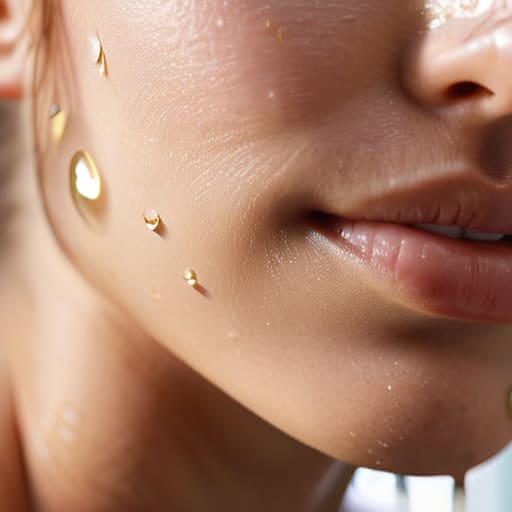
If there is one thing my early twenties taught me the hard way, it’s that you can’t scrub or peel your way to glowing skin. I used to think more was better, but I ended up with a compromised barrier that felt stinging and raw. When your skin is in that state, you have to stop the “attack” and focus entirely on skin barrier repair. This isn’t about adding more actives; it’s about replenishing the lipids that keep moisture locked in and irritants out.
I’ve found that the most effective way to soothe that tightness is to look for ingredients that mimic our skin’s natural structure. I personally swear by incorporating ceramides for dry skin into my evening ritual. They act like the “mortar” between your skin cell “bricks,” sealing everything in. If you’re struggling with that uncomfortable, sandpaper texture, try pairing those ceramides with a generous layer of hyaluronic acid for hydration. It’s less about a complex regimen and more about giving your skin the tools it needs to heal itself while you catch up on sleep.
Using Hyaluronic Acid for Hydration Without the Noise

If there is one ingredient I used to overlook because it felt too “trendy,” it’s hyaluronic acid. I used to think it was just another marketing buzzword, but after my barrier mishap in my early twenties, I realized it’s actually a powerhouse for anyone wondering how to treat flaky skin without causing irritation. The trick, though, is that it isn’t a magic wand on its own. Because hyaluronic acid is a humectant, it pulls moisture from its surroundings. If you apply it to bone-dry skin in a dry room, it can actually end up pulling moisture out of your skin instead.
To make hyaluronic acid for hydration actually work for you, I always apply it to slightly damp skin. Think of it like watering a plant; you want the soil to be moist so the roots can actually soak it up. Once that layer is on, I immediately seal it in with a cream containing ceramides for dry skin. This creates a little “moisture sandwich” that locks everything in and keeps that hydration from evaporating. It’s a simple, two-step habit that turned my morning routine into a moment of actual calm rather than a battle against tightness.
Small Shifts for a More Hydrated You
- Stop the hot shower habit. I know, it feels amazing when you’re stressed, but scalding water strips those precious natural oils away. Try lukewarm water instead; your skin barrier will thank you.
- Damp skin is your best friend. Instead of drying your face completely, pat it gently with a towel and apply your moisturizer while your skin is still slightly dewy. It helps lock that extra moisture right in.
- Embrace the “less is more” approach with exfoliation. When my skin was feeling extra dry and flaky, my instinct was to scrub harder, but that just made things worse. Stick to gentle, non-physical exfoliants once or twice a week at most.
- Look for “occlusives” in your nighttime routine. If you’re waking up feeling tight, adding a thin layer of a balm or a heavier cream over your serum can act like a little protective blanket for your face while you sleep.
- Don’t forget your environment. If you’re working from home all day with the heater running, the air is likely sucking the moisture right out of your skin. A small humidifier on your desk can make a world of difference for that midday tightness.
My Golden Rules for Soothing Dryness
Listen to your skin’s “tightness” as a signal to scale back; if your barrier feels compromised, ditch the harsh actives and go back to basics with soothing, simple ingredients.
Hydration isn’t just about adding water; it’s about sealing it in. Always apply your humectants like hyaluronic acid to damp skin and follow up immediately with a reliable moisturizer.
Quality over quantity is the only way to go. You don’t need a bathroom counter full of products to find relief—just a few intentional, science-backed steps that respect your skin’s natural rhythm.
Less is More When Your Skin is Thirsty
“We’ve been conditioned to think that more products equals more results, but when your skin is actually dry and compromised, more is often just more irritation. Real hydration isn’t about layering ten different serums; it’s about finding those few, intentional ingredients that actually respect your barrier and let your skin breathe.”
Neha Rajagopal
Finding Your Rhythm
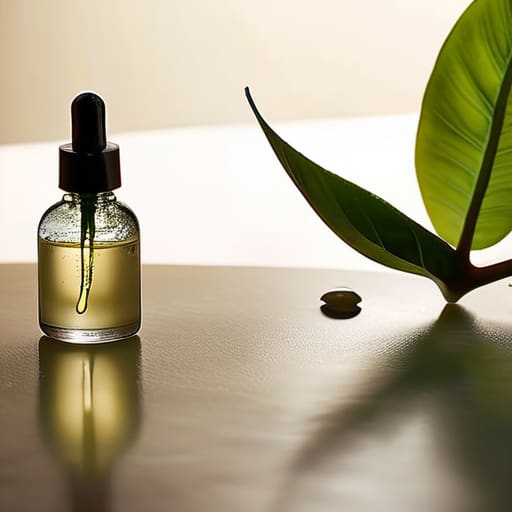
At the end of the day, managing dry skin isn’t about chasing every single viral ingredient that pops up on my feed. It’s about coming back to the basics we’ve discussed: protecting your skin barrier, layering hydration with hyaluronic acid, and being ruthlessly intentional about what you actually apply to your face. When we strip away the marketing hype and the unnecessary twenty-step rituals, we’re left with a much more manageable reality. Focus on soothing, science-backed nourishment that respects your skin’s natural rhythm rather than fighting against it.
I know how frustrating it feels when your skin just won’t cooperate, especially on those days when you’re already feeling overwhelmed. But please remember that your skincare routine doesn’t have to be another item on your stressful to-do list. Instead, try to view these few minutes as a small, quiet sanctuary in your morning or evening. You deserve to feel comfortable and at peace in your own skin, and I promise that simplicity is almost always the most effective path to getting there. Take it one gentle step at a time.
Frequently Asked Questions
Is it possible to over-hydrate my skin if I use too many soothing products at once?
It’s a valid concern, and honestly, I’ve been there. While you can’t really “over-hydrate” in the way you can over-exfoliate, you can definitely overdo it with heavy, occlusive products. If you layer too many thick creams or oils, you might end up with a greasy film that feels heavy or even triggers tiny breakouts. For me, the sweet spot is listening to how my skin feels—if it feels suffocated, it’s time to scale back.
Should I be worried if my skin still feels tight even after I've added a hyaluronic acid serum to my routine?
Honestly, I’ve been there, and it’s so frustrating when you feel like you’re doing everything “right.” If your skin still feels tight, you might actually be making it worse. Hyaluronic acid is a humectant, meaning it pulls moisture from the environment—but if your air is dry or you aren’t sealing it in, it can actually pull moisture out of your skin. Always apply it to damp skin and immediately follow up with a nourishing moisturizer to lock that hydration in.
How do I know if my dryness is actually a damaged skin barrier or just seasonal dehydration?
It’s a fine line, but here’s how I tell them apart. If your skin just feels a bit tight or looks a little dull because the weather shifted, that’s likely seasonal dehydration—usually fixed with a good humectant. But if your skin actually stings when you apply even your gentlest moisturizer, or if you’re seeing redness and flaky patches that won’t quit, your barrier is likely compromised. That’s a signal to strip back and heal.
