
I still remember the stinging sensation of applying even the gentlest moisturizer to my face back in my early twenties, feeling like my skin was literally on fire. I had fallen into the trap of thinking that more was better, layering aggressive acids and high-percentage retinols like they were skincare trophies, only to end up with a red, flaky mess that wouldn’t quit. I was chasing “results” but completely ignored the foundation of everything: my skin’s natural defense. If you’re currently navigating the overwhelming world of skincare for healthy barrier repair, please know that you haven’t failed; you’ve just been sold a lie that complexity equals effectiveness.
I’m not here to sell you a fifteen-step ritual or a cabinet full of overpriced serums that promise miracles overnight. Instead, I want to share the stripped-back, science-backed approach that actually helped me heal my own skin and find my peace again. We are going to focus on intentional, gentle habits that respect your biology rather than fighting against it. Consider this your no-nonsense guide to cutting through the marketing noise and finally building a routine that makes your skin feel resilient and calm.
Table of Contents
Quiet Cues Identifying the Real Signs of a Damaged Skin Barrier
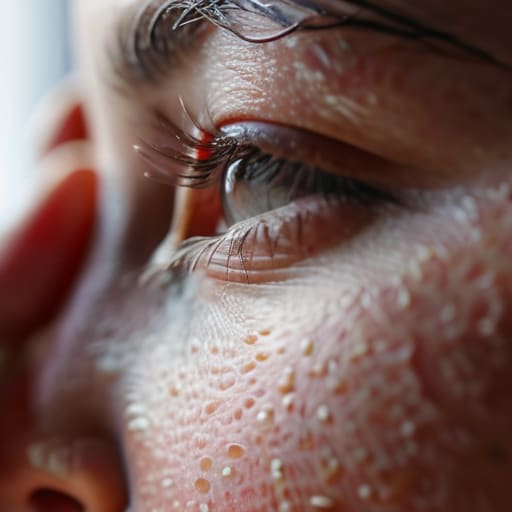
It usually starts with a feeling you can’t quite put your finger on—that subtle, tight sensation right after you pat your face dry. For me, it was a constant, low-grade stinging whenever I applied even my most basic moisturizer. If you’re noticing sudden redness, unexpected breakouts, or skin that feels unusually reactive to products you’ve used for years, your skin is likely trying to tell you something. These are the classic signs of a damaged skin barrier, and they’re essentially your skin’s way of waving a white flag.
When your protective layer is compromised, you might also notice a strange, dull texture or a flaky patch that just won’t go away, no matter how much you exfoliate. In reality, over-exfoliating is often the culprit here. You might be experiencing increased transepidermal water loss, which leaves your complexion feeling parched and “thirsty” from the inside out. Instead of reaching for more actives to “fix” the texture, listen to those quiet cues. Your skin isn’t being difficult; it’s just asking for a little bit of grace and a lot of hydration.
The Science of Peace Strengthening the Acid Mantle Naturally

When I was overdoing it with those high-percentage acids in my early twenties, I didn’t realize I was essentially stripping away my skin’s natural defense system. To understand how to fix it, we have to talk about the acid mantle—that thin, slightly acidic film on the surface of your skin that acts as your primary shield. When this layer is compromised, you deal with constant irritation and transepidermal water loss prevention becomes nearly impossible because your moisture is just evaporating into thin air.
Strengthening the acid mantle isn’t about adding more “power” to your routine; it’s actually about subtraction and replenishment. I’ve learned that the most effective way to support this process is by feeding the skin exactly what it’s missing. This means looking for ceramides for skin repair, which act like the mortar between your skin cell bricks. By focusing on these lipids and incorporating soothing ingredients for sensitive skin—think colloidal oatmeal or panthenol—you aren’t just masking the redness. You are actually rebuilding the foundation, allowing your skin to finally find its way back to a state of calm.
My Minimalist Guide to Rebuilding Your Barrier
- Stop the active ingredient overkill. If your skin feels tight or looks red, it’s time to put the retinols and exfoliating acids in a drawer for a few weeks. Your barrier needs a break from the “more is better” mentality to actually heal.
- Prioritize ceramides and fatty acids. Think of these as the mortar between your skin cell bricks. Look for moisturizers that specifically mention these ingredients; they help seal the cracks and keep moisture from escaping.
- Swap your harsh cleansers for milky or oil-based formulas. If your face feels “squeaky clean” after washing, you’ve likely stripped away the very oils your skin needs to protect itself. We want gentle, non-stripping, and soothing.
- Don’t skip the SPF, even on cloudy days. A damaged barrier is incredibly vulnerable to UV damage, which can cause even more inflammation. A lightweight, mineral-based sunscreen is my go-to for keeping things calm and protected.
- Embrace the power of hydration over heavy occlusion. While thick creams are great, sometimes your skin just needs deep, water-based hydration from things like hyaluronic acid or glycerin to plump things up from the inside out.
The Bare Essentials: My Three Rules for Barrier Healing
Stop the scroll and skip the actives; if your skin feels tight or stinging, it’s time to put the acids and retinols in a drawer and focus solely on hydration.
Think of your barrier like a garden; you need to protect it from harsh elements by using gentle, pH-balanced cleansers that don’t strip your natural oils.
Simplicity is your superpower—a minimalist routine of a soothing cleanser, a reliable moisturizer, and SPF is more effective than a cluttered shelf of half-used products.
Less is More
“We’ve been conditioned to think more products equals better results, but when your barrier is compromised, more is often just more irritation. Healing your skin isn’t about adding more noise; it’s about stripping everything back to the essentials and giving your skin the quiet space it needs to actually repair itself.”
Neha Rajagopal
Finding Your Skin's Equilibrium
At the end of the day, healing your skin barrier isn’t about finding a magic, expensive serum or following every viral trend on my feed. It’s about listening to those quiet cues—the stinging, the redness, or that unexplained tightness—and responding with gentle, intentional care rather than more aggressive actives. We’ve covered how to identify the damage and how to support your acid mantle through science-backed, simple steps. Remember, the goal is to strip away the complexity and focus on restoring what’s already there. When you stop fighting against your skin and start working with its natural rhythm, everything begins to shift.
I know how frustrating it feels to look in the mirror and feel like your skin is working against you, but please be patient with yourself. I’ve been there, standing in my bathroom feeling overwhelmed by all the “must-have” products, only to realize that less really is more. Skincare shouldn’t be another source of anxiety in your busy life; it should be that quiet, lo-fi moment of peace before the world starts rushing in. Trust the process, keep your routine minimal, and focus on nourishing your barrier one calm step at a time. You’ve got this.
Frequently Asked Questions
I’ve been using retinol every night—should I stop completely to let my barrier heal, or just scale back?
Honestly? If your skin is feeling tight, stinging, or just looks a bit “off,” I’d suggest a total break for a week or two. Think of it like giving your skin a much-needed nap. Once that calm, comfortable feeling returns, don’t dive back in every night. Try scaling back to just two or three times a week. It’s about consistency and patience, not intensity. Let’s prioritize healing over speed.
How long does it actually take to see a difference once I start focusing on barrier repair?
I know the feeling—you want that instant glow right now. But honestly? Skin cells take time to turn over. If you’re being consistent with gentle, barrier-focused products, you might feel a bit of relief from redness or tightness within a week. However, for that deep, “lit-from-within” healing, give it about 28 days. It’s a marathon, not a sprint, so just breathe, stick to your ritual, and let your skin do its thing.
Can I keep using my favorite exfoliating acids, or are they the enemy while my skin is feeling this sensitive?
Honestly? Put them in a drawer for a bit. I know it’s tempting to keep up with your glow, but when your barrier is struggling, those acids are just adding fuel to the fire. Think of your skin like a healing scratch—you wouldn’t rub salt in it, right? For now, let’s pivot to soothing, hydrating basics. Once your skin feels calm and resilient again, we can slowly reintroduce them, but for today, peace is the priority.
