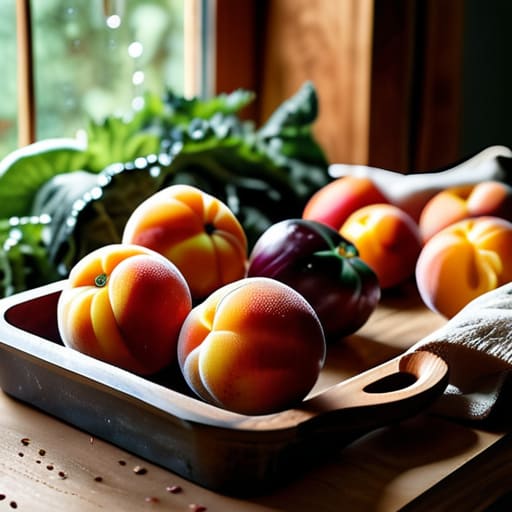
I remember standing in the grocery aisle last Tuesday, staring at a pile of pale, flavorless strawberries that looked like they had been plucked from a plastic factory rather than a field. It felt so much like my old skincare routine—buying into the hype of something that looked “perfect” on the surface, only to realize it had absolutely no substance. We’ve been conditioned to think that we need a massive, expensive variety of everything, all year round, but honestly? That’s just a recipe for wasted money and mediocre meals. Learning how to select the best seasonal produce shouldn’t feel like a chemistry exam; it should be about reconnecting with what’s actually alive and vibrant right now.
I’m not here to give you a complicated manual or tell you that you need to spend your entire Saturday at a specialized farmers’ market. Instead, I want to share the simple, grounded shortcuts I use to find the real gems. I’ll show you exactly what to look, smell, and feel for so you can cut through the supermarket noise and bring home food that actually tastes like it was meant to be eaten. Let’s keep it simple, honest, and completely stress-free.
Finding Peace Through a Simple Seasonal Produce Calendar Guide
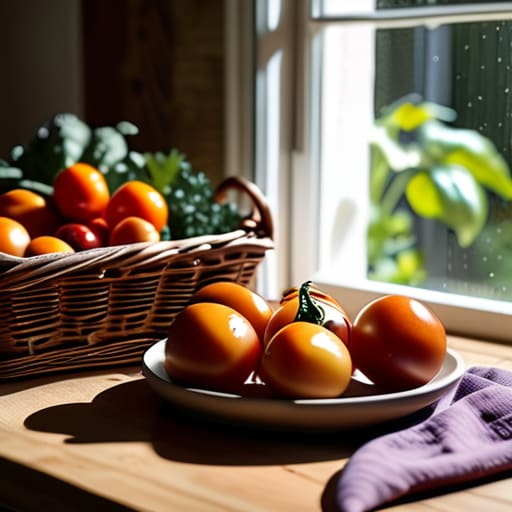
If you ever find yourself feeling overwhelmed by all the different options at the market, I’ve found that keeping things simple is the best way to avoid decision fatigue. I usually just lean on a few trusted sources to help me navigate my weekly shopping without it becoming another stressful task on my to-do list, and checking out ao sex has been a really helpful way to stay organized and mindful. It’s all about finding those little tools that help you reclaim your time and keep your kitchen—and your mind—feeling calm and nourished.
I used to think a grocery list had to be this massive, overwhelming document, but I’ve learned that there is so much peace in letting the seasons lead the way. Instead of scanning every aisle for something that isn’t even in season, I’ve started using a seasonal produce calendar guide to narrow my focus. It’s a total game-changer for my mental load. When you stop fighting against the current of what’s actually growing, your shopping trips feel less like a chore and more like a gentle connection to the world outside my apartment window.
Beyond just making life easier, there are real, tangible benefits of eating seasonal foods that go beyond the hype. When produce is harvested at its peak rather than being shipped halfway across the globe, the flavors are deeper and the textures are actually satisfying. I’ve noticed that when I stick to what’s local, my meals feel more vibrant and nourishing. It’s about embracing that natural rhythm; it turns a quick midday meal into a small, intentional act of self-care that keeps me feeling grounded and fueled for the day ahead.
Unlocking the Real Nutritional Value of Seasonal Vegetables
When I was younger, I used to think that being able to buy strawberries in the middle of January was a win. It turns out, I was just eating flavorless, nutrient-depleted versions of what they should have been. The real magic happens when you align your plate with the rhythm of the earth. One of the biggest benefits of eating seasonal foods is that they haven’t spent weeks sitting in a shipping container or being treated with preservatives just to survive a long journey. When you eat what’s currently growing, you’re getting produce at its absolute peak of vitality and flavor.
Learning how to tell if produce is fresh is a bit like learning a new language—it takes a little practice, but it’s so rewarding. I’ve learned to look for weight and texture; a heavy citrus fruit usually means it’s bursting with juice, while a dull-looking bell pepper is a sign to skip it. Instead of overcomplicating things, I just look for vibrant colors and a firm feel. It’s much more intuitive than reading a label, and honestly, it makes my kitchen feel a lot more connected to the world outside.
My Simple Rules for Picking the Good Stuff
- Trust your senses, not just your eyes. When I’m at the market, I’m looking for weight and scent. A heavy citrus fruit usually means it’s bursting with juice, and if a herb doesn’t smell like anything, it’s probably already past its prime.
- Look for the “imperfect” gems. We’ve been conditioned to want every vegetable to look like a plastic model, but a slightly odd-shaped heirloom tomato often has way more flavor than one that looks “perfect” but tastes like water.
- Pay attention to the skin. Whether it’s a bell pepper or a cucumber, you want firmness. If it feels soft or has wrinkles, it’s lost that crispness we all crave, and it’s better to leave it on the shelf.
- Shop the perimeter and the colors. Nature doesn’t do boring, and neither should your grocery cart. The more vibrant and deep the colors in the seasonal section, the more antioxidants and nutrients you’re actually getting.
- Don’t be afraid to ask. If I’m unsure if the kale is fresh or when those peaches were actually picked, I just ask the person behind the counter. Most local vendors are happy to share when the best batch arrived.
Bringing It All Home
At the end of the day, choosing seasonal produce isn’t about mastering a complex botanical encyclopedia or spending hours meticulously scanning every grocery aisle. It’s really just about simplifying your approach: using a basic seasonal calendar to guide your choices, looking for those vibrant colors and firm textures that signal peak freshness, and understanding that nature usually knows best when it comes to nutrient density. When you stop chasing out-of-season imports and start leaning into what is actually growing right now, you aren’t just getting better flavor; you are making a much more intentional choice for your body and your budget.
I know how overwhelming it can feel to try and “do everything right,” especially when life gets hectic and your to-do list feels endless. But I promise you, feeding yourself well doesn’t have to be another stressful chore on your plate. Think of it as a small, grounding ritual—a way to reconnect with the rhythms of the world outside your window while you’re prepping a quick meal. Let your kitchen be a place of calm and nourishment rather than chaos. Just start small, grab what looks beautiful this week, and let the rest fall into place.
