
I still remember sitting on my bathroom floor in my early twenties, staring at a red, stinging mess in the mirror that used to be my face. I had convinced myself that if my skin didn’t feel “squeaky clean”—which is really just code for stripped and irritated—then I wasn’t doing enough. I was chasing that tight, pulled sensation like it was a badge of honor, completely ignoring the fact that I was actually destroying my skin barrier with every aggressive round of face washing. We’ve been sold this lie that more scrubbing and harsher surfactants equal better results, but honestly? That’s just a fast track to inflammation and a broken complexion.
I’m not here to sell you a ten-step ritual or a cleanser that costs more than my monthly grocery bill. My goal is to help you strip away the marketing noise and get back to the basics of what your skin actually needs to thrive. I’ll be sharing the gentle, science-backed approach I’ve adopted to turn my nightly routine into a moment of actual calm. We’re going to talk about how to do face washing effectively without the drama, focusing on products that respect your biology rather than fighting against it.
Table of Contents
Choosing Facial Cleanser Types for Your Skin Type

When I was in my early twenties, I thought “more” always meant “better,” usually resulting in a compromised barrier and a lot of redness. Now, I look at facial cleanser types for skin types through a much more intentional lens. If you’re dealing with dryness or sensitivity, I always lean toward creamy, non-foaming cleansers. They feel like a hug for your face and prioritize skin barrier protection by cleaning without stripping away those essential natural oils.
On the flip side, if you have oily or combination skin, you might prefer a gentle foaming gel. It gives you that “clean” feeling without the tightness that usually signals you’ve gone too far. For those of us who wear SPF or a bit of tinted moisturizer daily, I’ve become a huge advocate for the double cleansing method benefits. Using an oil-based balm first to melt away the day, followed by a water-based cleanser, ensures you’re actually removing makeup effectively without needing to scrub your skin raw. It’s about working with your biology, not fighting against it.
Mastering the Best Temperature for Washing Your Face

I used to think that if the water wasn’t steaming, it wasn’t actually cleaning anything. I’d stand there in a cloud of hot vapor, thinking I was doing my skin a favor, only to end up with that tight, itchy sensation that screams “damaged barrier.” In reality, using hot water is one of the quickest ways to strip away your natural oils and compromise your skin barrier protection. It’s tempting to go for that heat, but it actually triggers inflammation and can leave your face feeling more vulnerable than refreshed.
The sweet spot? Lukewarm water. It’s warm enough to help soften sebum and assist in removing makeup effectively, but gentle enough that it won’t shock your system. If you’re following a more intensive routine, like utilizing the double cleansing method benefits to clear out SPF or heavy pollutants, stick to that tepid temperature for both steps. Think of it as a gentle reset rather than a harsh scrub. When the temperature is just right, the whole process feels less like a clinical task and more like a soothing, mindful ritual to start your day.
My Little Rituals: 5 Ways to Make Face Washing Actually Feel Good
- Stop the scrubbing. I know it’s tempting to really attack those breakouts, but your skin isn’t a dirty dish. Use your fingertips and move in gentle, circular motions—it’s much kinder to your barrier.
- Hands first, face second. It sounds basic, but I’ve learned the hard way that washing your face with hands that haven’t been scrubbed is just moving bacteria around. Wash your hands thoroughly before you even touch your cleanser.
- Don’t forget the “hidden” spots. I used to skip my hairline and my jawline, only to realize that’s exactly where my breakouts were hiding. Make sure you’re rinsing those edges clean.
- Pat, don’t rub. When you’re finished, reach for a soft towel and just gently pat the moisture into your skin. Rubbing your face dry is way too aggressive, especially if your skin is feeling a bit sensitive.
- Timing is everything. You don’t need to spend ten minutes at the sink. About sixty seconds of gentle massage is usually the sweet spot to get the cleanser working without stripping your natural oils.
My Quick Cheat Sheet for a Calmer Cleanse
Stop overcomplicating it; find a cleanser that respects your skin barrier rather than stripping it bare.
Keep the water lukewarm—hot water might feel relaxing, but it’s a recipe for irritation and dryness.
Treat your wash as a mental reset, not just another chore to check off your morning to-do list.
## A Shift in Perspective
“Stop treating face washing like a chore you need to rush through to get to the next thing. It’s not just about scrubbing away the day; it’s about that quiet, two-minute window where you actually stop and breathe.”
Neha Rajagopal
Finding Your Rhythm
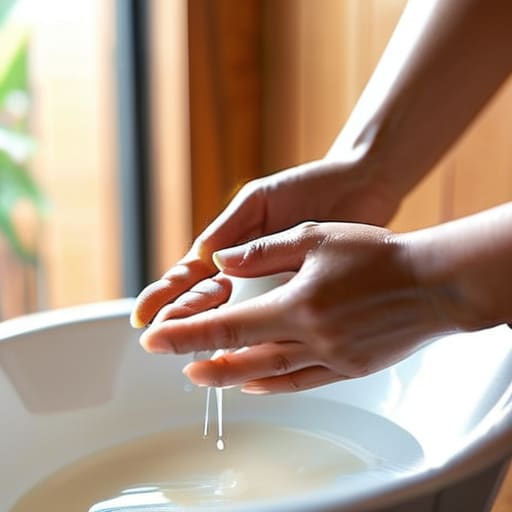
At the end of the day, getting your face washing right isn’t about achieving some impossible standard of perfection; it’s about understanding your own unique needs. Whether you’ve decided to switch to a creamier cleanser to protect your barrier or you’ve finally ditched the steaming hot water for something a bit more gentle and lukewarm, you’re already ahead of the curve. Remember that the goal is to clean away the day without stripping away your skin’s natural defenses. By choosing the right formula and being mindful of the temperature, you aren’t just cleaning your skin—you’re respecting your skin’s biology.
I know how easy it is to get caught up in the endless cycle of new trends and complicated ingredient lists, but I promise you, your skin doesn’t need more noise. It just needs consistency and a little bit of care. I like to think of this part of my day as my own tiny, intentional reset—a moment where the world slows down and I can just breathe. So, don’t stress about the twenty-step rituals you see online. Just wash your face, enjoy the sensation of the water, and be kind to yourself. You deserve that moment of peace.
Frequently Asked Questions
Is it actually okay to wash my face more than once a day if I have oily skin?
I get it—when your skin feels like an oil slick by noon, the urge to scrub it all away is real. But honestly? Be careful. Over-washing can actually backfire by stripping your barrier, which tells your skin to produce even more oil to compensate. If you need a midday refresh, try a gentle micellar water or just a splash of lukewarm water instead of a full-on cleanse. Keep it balanced, not aggressive.
Should I be using a washcloth or a silicone scrubber, or is my hands enough?
Honestly, my hands are usually more than enough. After I wrecked my barrier years ago, I learned that sometimes less is actually more. If you have a really heavy sunscreen or makeup on, a soft washcloth can help gently lift things away, but I’m wary of silicone scrubbers—they can sometimes feel a bit too aggressive if you aren’t careful. For most days, just use your clean fingertips. It’s gentler, faster, and keeps things simple.
How do I know if my cleanser is actually stripping my skin barrier instead of just cleaning it?
The quickest way to tell? Pay attention to that “squeaky clean” feeling. Honestly, if your skin feels tight, itchy, or looks a bit shiny but feels parched right after washing, your cleanser is doing too much. It’s likely stripping away your natural oils instead of just lifting dirt. I learned this the hard way. If you’re seeing redness or sudden flakiness, it’s time to ditch the harsh suds and switch to something much gentler.
