
I still remember the stinging sensation of my skin after I spent my early twenties chasing every “miracle” acid and high-percentage retinol on the market. I thought more was better, but all I ended up with was a compromised barrier and a face that felt perpetually tight and angry. It took a long time to realize that my skin didn’t need more complexity; it needed peace. That’s when I rediscovered the simple, grounding magic of cocoa butter. While the beauty industry tries to sell you expensive, lab-synthesized “innovations,” the actual cocoa butter benefits have been hiding in plain sight for years, offering the kind of deep, fatty-acid-rich nourishment that a twenty-step routine just can’t replicate.
I’m not here to sell you a lifestyle or a complicated regimen that requires a PhD to understand. Instead, I want to share what I’ve learned from years of trial, error, and skin repair. I’m going to strip away the marketing fluff and give you a straightforward look at how this single ingredient can actually support your skin’s health. We’re going to focus on how to use it effectively, without the unnecessary hype, so you can get back to your morning coffee and your quiet moments.
Table of Contents
Nurturing Your Skin Barrier Repair With Fatty Acids
If you’re anything like me, you’ve probably experienced that stinging, tight sensation when your skin barrier decides to take an unannounced vacation. After I wrecked my own complexion with too many acids in my early twenties, I learned that true healing comes from replenishing what’s lost. This is where the fatty acids in cocoa butter become absolute lifesavers. These lipids act like a soothing balm, stepping in to fill the microscopic gaps in your skin’s protective layer and locking moisture in where it belongs.
Instead of reaching for a complex cocktail of synthetic chemicals, I’ve found so much peace in returning to these kinds of natural skincare ingredients. When your skin feels sensitized or even just a bit depleted from a long day, applying a thin layer of cocoa butter provides that deep, emollient nourishment required for genuine skin barrier repair. It’s not about fixing everything overnight; it’s about giving your skin the quiet, consistent support it needs to rebuild itself from the ground up.
Pure Natural Skincare Ingredients That Actually Work
When I look at the long list of ingredients on most commercial bottles, I often feel more overwhelmed than inspired. We’ve been conditioned to believe that if a product doesn’t have a complex chemical name, it isn’t working. But honestly? Some of the most effective natural skincare ingredients are the ones that have been around for centuries. I’ve learned the hard way that your skin doesn’t need a laboratory miracle to thrive; it just needs nourishment that mimics its own biology.
Take cocoa butter, for example. I used to get caught up in the endless debate of cocoa butter vs shea butter, trying to figure out which one was the “superior” choice. In reality, they both serve such beautiful, different purposes. While shea is amazing, I find the rich, occlusive nature of cocoa butter is unmatched when I need deep, restorative moisture. It’s one of those rare staples that actually delivers on its promises without a bunch of filler, making it a cornerstone of my minimalist approach to a healthy glow.
How to actually use cocoa butter without making it a chore
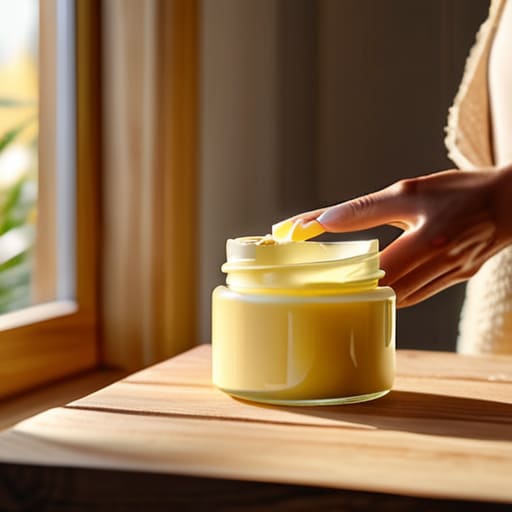
- Keep it simple by using it as your final step. Since cocoa butter is a heavy hitter for moisture, apply it after your water-based serums to lock everything in and create a protective seal.
- Don’t be afraid to warm it up. If you’re using a raw balm, rub it between your palms for a few seconds first. It makes the application feel much more like a soothing ritual and less like you’re spreading thick wax on your face.
- Use it as a “night-only” treatment. Because it’s so rich, it can feel a bit heavy under makeup during a busy workday. I love saving my cocoa butter application for my evening wind-down when I can actually let it sink in.
- Focus on the dry spots. You don’t have to slather it everywhere if you don’t want to; I find it works wonders specifically on my elbows or any patches where my skin barrier feels a bit thin and sensitive.
- Mix it with your favorite lightweight lotion. If you find pure cocoa butter a little too intense, try mixing a tiny bit into your regular moisturizer. It’s a quick, low-effort way to boost hydration without overcomplicating your routine.
The Bottom Line: Keeping It Simple
You don’t need a shelf full of expensive serums when a single, high-quality ingredient like cocoa butter can do the heavy lifting for your moisture barrier.
Look for pure, minimally processed options to ensure you’re actually feeding your skin nutrients rather than just adding more synthetic fillers to your routine.
Treat your application as a moment of calm; whether it’s a quick morning swipe or a slow evening massage, let the ritual be as nourishing for your mind as it is for your skin.
Finding Peace in Simplicity
“After years of trying to ‘fix’ my skin with aggressive acids, I finally realized that what my barrier actually needed wasn’t more complexity, but more nourishment—and honestly, nothing offers that kind of quiet, restorative comfort quite like cocoa butter.”
Neha Rajagopal
Finding Your Calm with Cocoa Butter
At the end of the day, getting your skin right doesn’t have to be this expensive, overwhelming puzzle. We’ve looked at how cocoa butter acts as a powerhouse for repairing your skin barrier with those essential fatty acids, and how it stands out as one of those rare, pure natural ingredients that actually delivers on its promises. You don’t need a cabinet full of complicated serums to see a difference; sometimes, returning to something as simple and grounding as a nutrient-dense plant butter is the most effective way to restore your natural glow without the irritation.
I hope this helps you feel a little more confident in simplifying your shelf. My own journey taught me that more isn’t always better—sometimes, it’s just loud and distracting. I want you to view your skincare not as another task on your to-do list, but as a small, intentional moment of peace in your morning or evening. Whether you’re soothing dry patches or just taking five minutes to breathe, remember that true beauty starts with kindness toward your skin and yourself. You’ve got this.
Frequently Asked Questions
Is cocoa butter too heavy for someone who struggles with occasional breakouts?
I get this question a lot, and honestly, it’s a valid fear. If you’re prone to breakouts, the idea of something as thick as cocoa butter feels risky. The truth is, it really comes down to how you use it. I wouldn’t slather it all over a congested face, but using it as a targeted treatment for dry patches or mixing a tiny bit into your moisturizer can work wonders without clogging everything up.
Can I use cocoa butter every single day, or should I rotate it with other moisturizers?
Honestly, you can absolutely use cocoa butter every single day if your skin is feeling particularly dry or thirsty. For me, it’s become a staple in my evening ritual when I need that extra layer of comfort. However, if you have combination skin, you might find it a bit heavy for daily morning use. I usually rotate it with a lighter, water-based moisturizer in the AM, saving the rich cocoa butter for a deep, nourishing hug at night.
How do I know if the cocoa butter I'm buying is actually pure and not filled with cheap additives?
I’ve definitely been burned by “natural” labels before, so I get the skepticism. My rule of thumb? Flip the bottle over and look for the shortest ingredient list possible. If you see “Cocoa Butter” right at the top followed by nothing but a few simple oils or vitamin E, you’re golden. If it’s packed with parabens, synthetic fragrances, or weird fillers, put it back. Real, pure cocoa butter should smell slightly chocolatey and feel rich, not like a perfume factory.
