
Have you ever looked in the mirror and felt like your face was having two completely different conversations at once? It’s that frustrating phenomenon where your T-zone feels like an oil slick by noon, yet your cheeks are pulling so tight they practically feel brittle. I used to think the answer was to buy a dozen different products for every single zone, but honestly, that’s a fast track to a broken skin barrier. Finding the right skincare for combination skin shouldn’t feel like a high-stakes chemistry experiment or a massive drain on your bank account; it should just feel like finding a balance.
I’m not here to sell you on a complex, twelve-step ritual that leaves you feeling exhausted before your first cup of coffee. Instead, I want to share what actually works for a real, busy life. I’ll be cutting through all the marketing noise to show you how to select a few reliable, science-backed essentials that respect both your oily and dry patches. My goal is to help you build a routine that feels like a moment of peace, not another chore on your to-do list.
Table of Contents
Understanding the Oily T Zone vs Dry Cheeks Tension

If you’ve ever felt like your face is living two different lives at once, you aren’t alone. I used to spend my mornings blotting away shine from my forehead and nose, only to realize my cheeks felt tight and uncomfortable by lunchtime. This constant tug-of-war—the classic oily T-zone vs dry cheeks struggle—is exactly what defines combination skin. It’s frustrating because the very thing that makes your nose shiny often makes your cheeks feel parched, leaving you stuck in a cycle of over-cleansing or under-moisturizing.
The trick isn’t to treat your entire face as one single unit, but to recognize that different zones have different needs. When I was struggling with my own barrier damage, I realized that a heavy cream on my forehead was a recipe for breakouts, while a light gel on my cheeks felt like nothing. Finding a skincare routine for uneven skin types means learning how to zone your products. You want to target the congestion in your T-zone without stripping away the precious moisture your cheeks are begging for. It’s all about finding that sweet spot of balance.
A Balancing Facial Cleanser to End the Struggle

When it comes to picking a wash, I used to make the classic mistake of trying to “scrub away” the shine. I’d use these aggressive, foaming cleansers thinking they’d help my forehead, but I’d end up with cheeks that felt tight and flaky by lunchtime. If you’re dealing with that constant tug-of-war between an oily T-zone vs dry cheeks, you have to stop treating your skin like an enemy to be conquered.
The secret is finding a balancing facial cleanser that actually respects your skin’s natural barrier. I always look for something creamy or a gentle gel that lifts away excess sebum without stripping the moisture from your drier areas. You want a formula that leaves your face feeling clean but supple, not “squeaky” (which is usually just code for “my barrier is compromised”). It’s the foundation of a sustainable skincare routine for uneven skin types; if you get the cleansing step right, everything else—from your serums to your moisturizers—will work so much more effectively.
Five ways to stop the tug-of-war on your face
- Stop treating your whole face like one single skin type. I used to apply heavy creams everywhere, which just made my forehead a grease trap. Instead, try “multi-moisturizing”—use a lightweight gel on your T-zone and a richer, more nourishing cream on those dry patches on your cheeks.
- Look for “non-comedogenic” on your labels, but don’t obsess over it. What I really look for is something that won’t clog my pores while still providing enough hydration to keep my skin barrier from feeling tight and itchy.
- Don’t skip the exfoliation, but please, be gentle. When I ruined my barrier in my early twenties, I thought more scrubbing was better. Now, I stick to a gentle BHA (salicylic acid) just a couple of times a week to keep my pores clear without stripping my skin raw.
- Hydration is different from moisture. You can have oily skin that is actually incredibly dehydrated. Using a soothing, water-based essence or a lightweight hyaluronic acid serum can help balance things out without adding that heavy, greasy feeling we all dread.
- Keep your routine minimal on busy mornings. If you’re rushing, just stick to the essentials: a gentle cleanse, a targeted moisturizer, and SPF. You don’t need a dozen serums to manage combination skin; you just need products that respect your skin’s natural rhythm.
My Golden Rules for Finding Your Balance
Stop the tug-of-war by treating your T-zone and cheeks as two different zones; you don’t need one heavy product for everything, just a smarter way to layer.
Focus on repairing your moisture barrier rather than stripping away oil, because an over-cleansed face usually just leads to more reactive oil production.
Keep your routine minimal and intentional—aim for a few reliable, science-backed staples that calm your skin instead of a shelf full of products that do nothing.
Finding Your Skin's Middle Ground
Dealing with combination skin feels like a constant tug-of-war between oil and dryness, but you don’t need to fight it with aggressive products; you just need to listen to what your skin is actually asking for.
Neha Rajagopal
Finding Your Balance
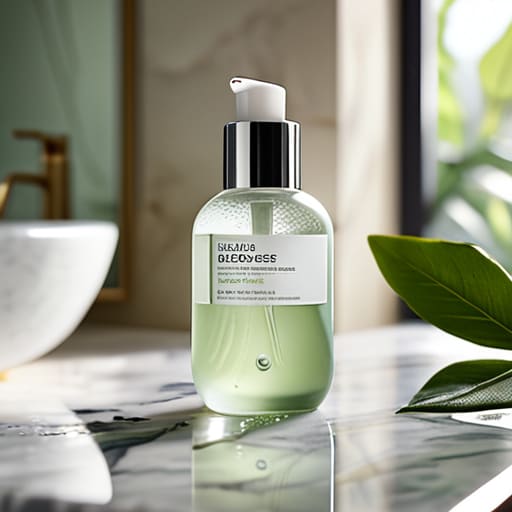
At the end of the day, managing combination skin isn’t about fighting against your biology; it’s about learning to work with it. We’ve talked about how to navigate that tricky tension between an oily T-zone and those dry, thirsty patches on your cheeks, and why choosing a gentle, non-stripping cleanser is the absolute foundation of everything. You don’t need a cabinet full of expensive, conflicting serums to see a difference. Instead, focus on targeted hydration and a few reliable staples that respect your skin’s unique map. When you stop trying to treat your entire face with a “one size fits all” approach, you’ll find that consistency beats complexity every single time.
I know how frustrating it can be when your skin feels like it’s constantly changing its mind, but please remember that your skin is a living organ, not a problem to be solved. I’ve been there—standing in front of the mirror, feeling overwhelmed by redness or shine—and I promise it gets easier once you strip away the noise. Skincare should be your quiet moment of peace, a little ritual of self-care that grounds you before the chaos of the day begins. Be patient with yourself and be gentle with your barrier. You deserve to feel comfortable and confident in your own skin, without the stress of a twenty-step routine.
Frequently Asked Questions
Should I be using different moisturizers for my oily areas and my dry areas, or is that just too much work?
Honestly, I used to think I needed a separate routine for every single patch of my face, but that’s exactly how you end up with a cluttered bathroom counter and a stressful morning. You don’t need two different moisturizers. Instead, I find it much easier to use one reliable, lightweight moisturizer everywhere, and then just “spot treat” the dry areas with a tiny bit of a richer cream. It’s much more sustainable for a busy life.
How do I know if a product is actually helping my balance or if it's just making my breakouts worse?
It’s so easy to get caught in that cycle of “is this working or is it breaking me out?” Honestly, look for the texture. If your skin feels tight or looks flaky but you’re still seeing new bumps, your barrier is likely crying for help. True balance feels like stability—your T-zone stays matte but your cheeks don’t feel parched. If you’re seeing constant, angry redness, it’s probably time to scale back.
Can I still use my favorite exfoliating acids, or will they mess up my skin barrier even more?
I totally get the hesitation. After I wrecked my own barrier years ago, I was terrified of acids. The short answer? Yes, you can still use them, but we have to change how you approach them. Instead of daily aggressive peels, think of acids as a gentle weekly reset. Focus on low-percentage BHAs for that oily T-zone or mild AHAs for dry patches, and always—always—follow up with a soothing moisturizer to keep things calm.
