I remember sitting on my bathroom floor in my early twenties, staring at a mirror and feeling completely defeated by a single, angry blemish. I had just slathered on every harsh, high-percentage acid I could find, thinking that if I just attacked the spot with enough intensity, it would vanish. Instead, I ended up with a red, peeling mess that felt more like a burn than a breakout. That’s when I realized that most advice surrounding spot treatment is actually just a recipe for a damaged skin barrier. We’ve been conditioned to think that more aggression equals faster results, but in reality, that’s just a one-way ticket to more inflammation and unnecessary stress.
I’m not here to sell you on a twelve-step ritual or a luxury cream that costs as much as my monthly grocery bill. Instead, I want to share what actually works when you need to calm things down without causing a disaster. I’ll be walking you through my honest, science-backed approach to choosing a spot treatment that respects your skin’s natural rhythm. We’re going to focus on effective, minimalist solutions that help you clear things up so you can get back to your morning coffee and your peace of mind.
Table of Contents
Using Salicylic Acid for Breakouts Without the Stress

If you’re anything like me, your first instinct when a sudden bump appears is to reach for the strongest, most aggressive stuff on your shelf. But after my own experience with a damaged skin barrier, I’ve learned that more isn’t always better. Using salicylic acid for breakouts can be a total game-changer, but the trick is to use it with intention. Instead of slathering it all over your face, focus just on the trouble spot. It works by getting deep into the pores to clear out debris, which helps in reducing skin inflammation without stripping your entire complexion of its natural oils.
I also like to think of my treatment as a way to protect my skin’s future, not just fix the present. By treating a blemish early and gently, you’re actually practicing a form of acne scar prevention. If the area feels particularly angry or tender, I usually follow up with a tiny bit of moisturizer to keep things calm. It’s all about that balance—treating the issue while soothing irritated skin at the same time. It makes the whole process feel much less like a battle and more like a quick, mindful reset.
The Gentle Magic of Pimple Patches Benefits
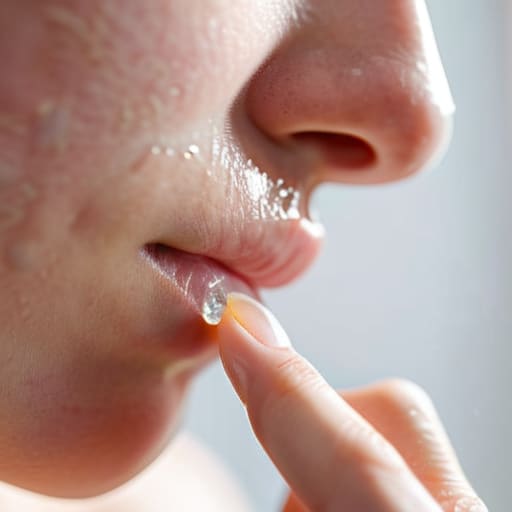
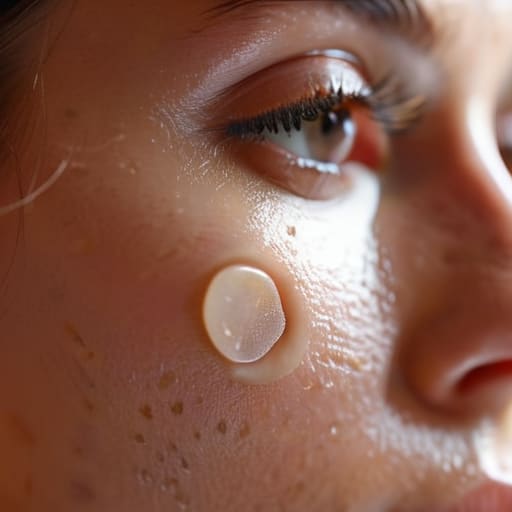
If you’re anything like me, your first instinct when a whitehead appears is to reach for a mirror and—let’s be honest—try to squeeze it. I’ve been there, and trust me, that is the fastest way to end up with a red, angry mark that lasts for weeks. This is exactly where I’ve fallen in love with the pimple patches benefits. Instead of picking, I just pop a hydrocolloid patch on and walk away. It creates this little protective seal that keeps your hands off the area while it works its magic.
Beyond just being a physical barrier, these patches are incredible for reducing skin inflammation overnight. By pulling out the gunk and keeping the wound moist, they help the skin heal much faster than if you left it exposed to the air or your dirty pillowcase. I also find them essential for acne scar prevention; because they prevent that trauma of picking and scabbing, you’re far less likely to be left with a lingering dark spot. It’s such a low-effort, high-reward way to manage a flare-up while you’re busy with your actual life.
My Low-Stress Rules for Spot Treating
- Keep your hands away from your face. I know it’s tempting to pick when you see a bump in the mirror, but that’s the fastest way to turn a tiny annoyance into a long-term scar. Just apply your treatment and let it do its thing.
- Less is definitely more. You don’t need to slather a whole layer of active ingredients over your entire cheek; just dab a tiny bit directly onto the spot. This prevents your surrounding skin from getting irritated and dry.
- Timing is everything. If you’re using a treatment with salicylic acid or benzoyl peroxide, try applying it at night. It gives the product all night to work while you’re sleeping, and you don’t have to worry about it interacting with your SPF or makeup during the day.
- Don’t forget the moisture barrier. Even the most targeted spot treatments can be drying. I always make sure to apply a gentle, fragrance-free moisturizer around the area to keep the skin healthy and prevent any flaking.
- Listen to your skin. If a specific spot treatment makes your skin feel tight, stinging, or red, it’s okay to take a break. Skincare shouldn’t feel like a battle; if it hurts, it’s probably too much.
Keeping It Simple: My Top Three Rules for Spot Treating
Don’t overdo it; using one targeted treatment is much better for your skin barrier than layering multiple harsh actives at once.
Choose your weapon based on your mood—use salicylic acid for deep congestion or a pimple patch when you just need to protect a surface breakout and stop picking.
Remember that a breakout isn’t a crisis; treat it gently, keep your routine minimal, and don’t let a single blemish ruin your morning peace.
Less is Always More
“When a breakout hits, it’s so easy to panic and try to scrub it away or blast it with every harsh acid in your cabinet. But after ruining my own skin barrier years ago, I’ve learned that a single, targeted spot treatment is much more effective than a full-scale war on your face. Treat the spot, then let your skin breathe.”
Neha Rajagopal
Finding Your Calm Amidst the Breakouts
At the end of the day, treating a sudden breakout doesn’t have to feel like a full-blown skin emergency. Whether you choose to lean into the targeted power of salicylic acid to clear out pores or opt for the quiet, protective comfort of a pimple patch, the goal is the same: effective results without the irritation. We’ve talked about how to use these tools strategically, but remember that the most important part of any spot treatment is listening to how your skin actually feels. If a product makes you feel tight, red, or stressed, it’s okay to step back and simplify. Targeted care works best when it respects your skin barrier, rather than fighting against it.
I know how frustrating it is to look in the mirror and see something unexpected staring back at you, but please try not to let a single blemish ruin your mood. Your skin is a living, breathing organ that reacts to everything from hormones to the stress of a busy work week. A breakout is just a temporary moment, not a reflection of your overall health or beauty. Take a deep breath, apply your treatment, and then get back to your evening wind-down. You are so much more than your skin, and you deserve to feel calm and grounded even on the days when things aren’t perfect.
Frequently Asked Questions
Can I use a spot treatment every single day without ruining my skin barrier?
Honestly, it depends on the “how” and the “what.” If you’re using a harsh, high-percentage acid every single night, you’re definitely playing with fire—and I’ve been there, trust me. I learned the hard way that overdoing it just leads to redness and irritation. My rule of thumb? Use it as needed, not as a ritual. If you’re seeing redness or peeling, take a break. Your barrier needs love, too.
Should I apply my spot treatment before or after my moisturizer?
This is such a common question, and honestly, there isn’t one “perfect” way—it really depends on how your skin is feeling that day. If your skin is feeling a bit sensitive or dry, I usually apply my moisturizer first to create a little buffer, then dab the treatment on. But if you want that spot treatment to really dive in and work its magic directly on the breakout, apply it to clean, dry skin before your moisturizer.
Is it better to use a treatment on a whitehead or a deep, painful bump that hasn't surfaced yet?
It really depends on what you’re dealing with. If it’s a whitehead, a pimple patch is your best friend—it gently draws out the gunk while you sleep. But for those deep, painful bumps that haven’t surfaced yet? Skip the patch. Those need something more targeted, like a warm compress to soothe the inflammation or a gentle spot treatment to help calm things down. Just remember: whatever you do, please don’t try to squeeze it!
