I still remember the stinging sensation in my cheeks every morning during my early twenties, a direct result of my obsession with “stronger is better” skincare. I thought I needed every aggressive active on the market to see results, but all I really did was wreck my skin barrier and leave myself feeling incredibly self-conscious. Now, whenever I see people spiraling over the whole bakuchiol vs retinol debate, I see so much of my younger, stressed-out self in them. It feels like you have to choose between the gold standard that might irritate your skin or the “gentle alternative” that might not actually do anything, and honestly, that’s just exhausting.
I’m not here to sell you on a twenty-step miracle cure or push some expensive, over-hyped brand. Instead, I want to help you cut through the marketing noise and find a balance that actually works for your lifestyle. I’ll be sharing a no-nonsense breakdown of how these two ingredients actually behave on real, sensitive skin, so you can stop stressing and start enjoying your routine again. Let’s figure out which one is your perfect, stress-free match.
Table of Contents
Retinol
Retinol is a powerhouse derivative of Vitamin A that works by accelerating your skin’s natural cell turnover process. By speeding up the way your skin sheds old cells and replaces them with new ones, it serves as the gold standard for addressing fine lines, uneven texture, and congestion.
I’ll be the first to admit that I used to be obsessed with the “stronger is better” mentality, often pushing my skin way too far with high-percentage retinoids. While the results can be incredible, there is a very real learning curve involving redness and that dreaded peeling sensation. If you have a resilient skin barrier, retinol can be a game-changer for long-term anti-aging, but you have to respect its strength to avoid a total meltdown.
Bakuchiol
Bakuchiol is a plant-derived alternative that offers many of the same rejuvenating benefits as retinol without the harsh, irritating side effects. It works by stimulating the same pathways in your skin cells, making it a gentle yet effective way to target wrinkles and hyperpigmentation.
For anyone who has ever felt that stinging, tight sensation after applying a heavy-duty active, bakuchiol feels like a breath of fresh air. I personally lean toward it on those mornings when my skin feels a little extra sensitive or when I just want a calm, steady routine that doesn’t require me to hide under layers of SPF all day. It’s the perfect option for those of us who want to see real progress without the constant stress of irritation.
Comparison of Bakuchiol vs. Retinol
| Feature | Bakuchiol | Retinol |
|---|---|---|
| Primary Function | Plant-based retinol alternative | Gold-standard anti-aging vitamin A |
| Skin Sensitivity | Gentle, low irritation risk | High risk of redness/peeling |
| Sun Sensitivity | Non-photosensitizing (safe for AM) | Photosensitive (use PM only) |
| Mechanism of Action | Stimulates collagen via different pathways | Accelerates cell turnover |
| Best For | Sensitive or pregnant skin | Experienced users seeking fast results |
| Speed of Results | Slower, gradual improvement | Faster, visible transformation |
| Typical Price | Moderate to High | Variable (Low to High) |
Gentle Power the Magic of a Natural Retinol Alternative
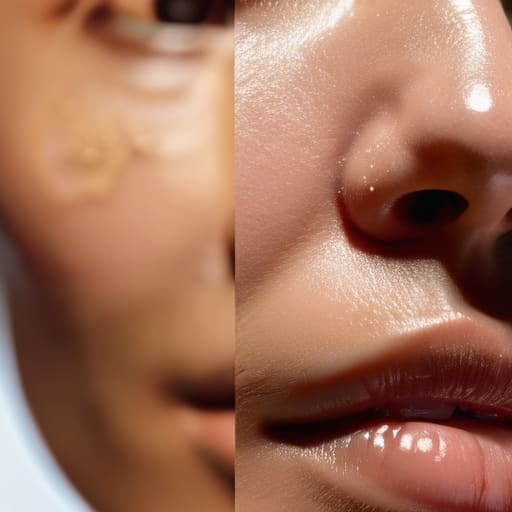
If there is one thing my early twenties taught me, it’s that “stronger” isn’t always better. We’ve all been there—chasing that perfect glow by layering aggressive actives, only to end up with a red, stinging face that feels like it’s on fire. When we talk about the bakuchiol vs retinol debate, the real question isn’t just about which one works faster; it’s about whether your skin can actually handle the process without a total meltdown.
Retinol is the heavy hitter we all know. It’s incredibly effective for cell turnover, but let’s be real: the “retinization” period can be a nightmare of peeling and dryness. It’s a bit of a high-maintenance relationship. Bakuchiol, on the other hand, is like that calming friend who gets the job done without the drama. It offers similar anti-aging benefits by stimulating collagen, but it does so without stripping your moisture barrier or leaving you sensitive to the sun.
If your main goal is achieving results without the constant irritation, bakuchiol is the clear winner here. It’s the ultimate win for anyone looking to maintain a peaceful, healthy complexion.
Avoiding the Burn a Skin Irritation Comparison
If you’ve ever woken up with skin that feels tight, itchy, or looks like a literal sunburn after using a new product, you know exactly why this matters. We’ve all been there, and honestly, it’s one of the biggest reasons I moved away from aggressive routines. When we talk about bakuchiol vs retinol, the real question isn’t just about what works, but how much it hurts to get those results.
Retinol is a powerhouse, but it’s notorious for the “retinization” phase—that frustrating period of peeling and redness that makes you want to hide under a blanket. It’s a bit of a trial by fire for your moisture barrier. Bakuchiol, on the other hand, is the complete opposite. It works with your skin’s natural rhythm rather than forcing it into submission, meaning you rarely have to deal with that stinging sensation or the dreaded flaky patches.
For anyone who struggles with sensitivity or just wants to avoid the drama of a damaged barrier, bakuchiol is the clear winner here. It delivers the glow without the grief.
My Quick Cheat Sheet for Deciding
If your skin barrier is feeling fragile or you’re prone to redness, lean into bakuchiol; it gives you those lovely anti-aging benefits without the “retinol burn” that used to send me running for my soothing creams.
Choose retinol if you have resilient skin and want the gold standard for fast-acting results, but just remember to introduce it slowly—your skin needs time to adjust, no matter how much you want to see progress.
Don’t feel pressured to pick one forever; you can actually rotate them, using bakuchiol on those mornings when your skin feels extra sensitive and saving the retinol for when you’re feeling more stable.
Finding Your Balance
“I used to think that if my skin wasn’t tingling or slightly stinging, the product wasn’t working. But after ruining my own barrier, I’ve learned that real progress isn’t about how much irritation you can tolerate; it’s about finding that sweet spot where you get the glow without the constant stress of a breakout or redness.”
Neha Rajagopal
Making the Right Choice for Your Skin
At the end of the day, choosing between bakuchiol and retinol really comes down to how your skin currently feels. If you have a resilient barrier and are looking for that gold-standard, high-potency approach to aging, retinol is still a powerhouse that’s hard to beat. However, if you’re currently navigating sensitivity—or if you just want to avoid that dreaded “retinol purge”—bakuchiol is such a game-changer. It offers those same beautiful, plant-based results without the redness or the constant peeling that used to haunt my own morning routines. It’s about finding that sweet spot where you get the efficacy you want without the unnecessary irritation.
Please remember that your skincare journey shouldn’t feel like a battleground. I spent so many years fighting against my own face because I thought more “strength” meant more “progress,” but I was so wrong. Whether you decide to stick with a classic retinoid or make the switch to a gentler botanical alternative, do it with the intention of nurturing your skin rather than punishing it. You deserve a routine that feels like a calm, restorative ritual—not another stressful chore on your to-do list. Listen to your skin; it usually knows exactly what it needs.
Frequently Asked Questions
Can I actually use both bakuchiol and retinol in the same routine, or will that cause more irritation?
The short answer? You can, but please don’t rush into it. After I wrecked my own skin barrier years ago, I learned that “more” isn’t always better. If you want to layer them, I’d suggest using bakuchiol in the morning to soothe and protect, while saving your retinol for the evening. This keeps your routine functional and calm rather than overwhelming your skin with too many actives at once. Listen to your skin first.
Since bakuchiol is plant-based, is it actually as effective at targeting fine lines as traditional retinol?
Honestly, this is the question I get asked most. The short answer? Yes, it really does work. While retinol is the gold standard for speed, studies show bakuchiol is incredibly effective at targeting those fine lines and improving skin texture too. The difference is that bakuchiol works more quietly in the background. It doesn’t give you that intense, immediate “peel,” but it delivers those same anti-aging results without making your skin feel like it’s on fire.
Do I need to wear sunscreen every morning if I switch to a bakuchiol-based product?
Short answer: Yes, absolutely. Even though bakuchiol is much gentler and won’t make your skin as photosensitive as traditional retinol, you still need to protect your skin barrier from UV damage. Think of sunscreen as your non-negotiable foundation. Whether you’re using a heavy-hitting active or a soothing plant-based alternative, sun protection is what keeps your progress from being undone by the sun. Keep that SPF handy every single morning!
