I still remember sitting on my bathroom floor in my early twenties, staring at a face that felt tight, angry, and completely raw because I thought “more” meant “better.” I was layering every harsh acid and high-percentage retinol I could find, convinced that if I wasn’t stinging, it wasn’t working. It took a pretty spectacular skin barrier meltdown to realize that true radiance isn’t about aggression; it’s about nourishment. That’s when I finally stopped chasing the burn and started looking into peptides for skin, which felt less like a chemical attack and more like a gentle conversation with my cells.
I’m not here to sell you a ten-step ritual or convince you that you need a luxury serum that costs more than my monthly grocery bill. Instead, I want to strip away the marketing fluff and talk about what these little amino acid chains actually do for your complexion. I’ll be sharing a straightforward, science-backed look at how to use peptides for skin to support your barrier and keep things calm and resilient. No hype, no complicated jargon—just the honest truth about what actually works for a busy, real-life routine.
Table of Contents
The Gentle Magic of Amino Acid Skin Repair

When I was first trying to fix my damaged skin barrier, I was obsessed with high-percentage acids that left my face feeling tight and angry. It took me a while to realize that true healing isn’t about being aggressive; it’s about providing the building blocks your skin actually needs to rebuild itself. This is where amino acid skin repair becomes such a game-changer. Since amino acids are the fundamental components of our skin’s natural proteins, using them in your routine feels less like a chemical intervention and more like a gentle hug for your complexion.
Instead of the stinging sensation you might get with other actives, these tiny powerhouses work quietly in the background. They help support skin elasticity and peptides work together to keep your face feeling bouncy and hydrated rather than stripped. I love incorporating them because they don’t require a complicated ritual—you just apply them and let them do their thing while you enjoy your morning coffee. It’s that low-maintenance, high-reward approach that makes my current routine feel so much more sustainable.
Finding Balance Signal Peptides vs Carrier Peptides
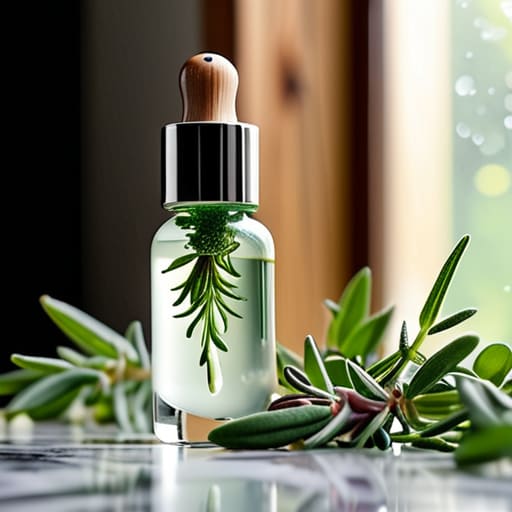
When you start looking closer at ingredient labels, things can get a little overwhelming. You’ll likely see the debate of signal peptides vs carrier peptides pop up, and honestly, it’s easy to feel like you need a PhD just to finish your morning routine. But don’t worry—it’s actually much simpler than it sounds. Think of it like tending to my herb garden; different plants need different kinds of attention to thrive.
Signal peptides are essentially the “messengers.” They trick your skin into thinking it needs to produce more collagen, which is a huge win for anyone looking to boost skin elasticity and peptides in their daily regimen. On the other hand, carrier peptides act more like delivery drivers. They transport essential minerals to the skin to help with amino acid skin repair, ensuring your barrier stays resilient rather than stripped. I love that you don’t have to choose just one; most high-quality formulas use a blend of both to give you that calm, bouncy glow without the irritation of harsher actives.
How to Work Peptides Into Your Life (Without the Stress)
- Keep it simple. You don’t need a peptide serum, a peptide cream, and a peptide essence all at once. Pick one high-quality product that fits into your existing routine and let it do its thing.
- Watch your timing. I love applying my peptide serums right after my toner while my skin is still slightly damp; it helps everything sink in beautifully without feeling heavy.
- Don’t mix with too many actives. If you’re using strong acids or high-strength retinols, give your skin a little breathing room. Using peptides on a separate night can be a lovely way to focus on repair rather than exfoliation.
- Patience is your best friend. Unlike harsh actives that might give you an instant (but often irritating) glow, peptides work quietly in the background. Give them a few weeks of consistent use before you decide if they’re working for you.
- Look for the right ingredients. Check your labels for things like Palmitoyl Pentapeptide or Acetyl Hexapeptide. It can feel a bit technical, but knowing what to look for helps you invest in products that actually deliver.
My Quick Guide to Making Peptides Work for You
Don’t overthink it—peptides aren’t a scary new trend, they’re just gentle messengers that help your skin do what it already does best.
Focus on your specific needs, whether you’re looking to boost collagen with signal peptides or just want to soothe and hydrate with carrier peptides.
Keep your routine simple; you don’t need a cabinet full of products to see results, just a few reliable, science-backed ingredients that respect your skin barrier.
Finding Peace in the Science
After years of treating my skin like a battlefield with harsh acids, I finally learned that true glow doesn’t come from stripping your barrier away—it comes from giving it the right building blocks. Peptides aren’t just another ingredient to chase; they are the quiet, steady support your skin needs to actually heal itself.
Neha Rajagopal
Finding Your Peptide Rhythm
At the end of the day, navigating the world of peptides doesn’t have to feel like a chemistry exam. Whether you are leaning into the restorative power of amino acids to repair a damaged barrier or choosing between signal and carrier peptides to target specific concerns, the goal is the same: intentionality. You don’t need to overhaul your entire bathroom cabinet or add ten new steps to your morning ritual to see a difference. By focusing on these small, science-backed building blocks, you are essentially giving your skin the nutritional support it needs to function at its best, without the irritation that often comes with more aggressive actives.
I hope this helps you feel a little more confident the next time you’re standing in the skincare aisle, staring at a wall of complicated labels. Remember, skincare should be a way to care for yourself, not another item on an endless to-do list that leaves you feeling overwhelmed. Take a breath, put on your favorite playlist, and treat your routine as a moment of calm in a busy world. Your skin—and your peace of mind—will thank you for it. Just keep it simple, keep it consistent, and trust the process.
Frequently Asked Questions
Can I use peptides at the same time as my retinol, or will it irritate my skin?
The short answer? Yes, you absolutely can. In fact, I love pairing them. Since I spent years overdoing it with harsh actives, I’ve learned that peptides are actually the perfect “buffer” for retinol. While retinol does the heavy lifting for cell turnover, peptides help support that skin barrier we’re all trying to protect. Just apply your peptide serum first to create a calm, hydrated base before layering on your retinol at night.
How long does it actually take to see a difference in my skin's texture?
I know the feeling—you want that instant glow right now. But honestly? Skincare is a marathon, not a sprint. Since peptides work by gently nudging your skin to behave better, you won’t see a transformation overnight. Typically, it takes about four to six weeks of consistent use to notice a real shift in texture. Think of it like my herb garden; you can’t rush the growth, you just have to show up every day.
Do I really need a separate peptide serum, or can I just look for them in my moisturizer?
Honestly, it depends on what your skin is craving. If you’re just looking for a little extra hydration and a healthy glow, layering peptides into your moisturizer is a perfect, low-effort way to go. But, if you’re dealing with specific concerns like fine lines or skin that feels a bit depleted, a dedicated serum is worth the extra step. It allows for a more concentrated dose to really sink in.
