
I still remember the stinging sensation of my face feeling like it was on fire after I decided to “level up” my routine with three different high-strength acids at once. I thought more was better, but all I really got was a compromised skin barrier and a lot of regret. I was searching for anything to stop the redness, and that’s when I first truly leaned into the calming power of chamomile extract. It wasn’t some fancy, gold-flecked miracle serum that cost a week’s worth of groceries; it was just a simple, gentle ingredient that finally helped my skin stop reacting to everything.
I’m not here to sell you on a twenty-step ritual or promise that a single bottle will transform you into a different person overnight. Instead, I want to cut through the marketing noise and talk about why chamomile extract is actually worth your shelf space. I’ll be sharing exactly how to spot the good stuff, how it actually works to soothe irritation, and how you can integrate it into a minimalist routine that doesn’t feel like a chore. Let’s get back to basics.
Table of Contents
- Unlocking the Gentle Magic of Apigenin in Chamomile
- Natural Anti Inflammatory Skin Ingredients That Actually Work
- How to actually use chamomile without making it a whole thing
- The Bottom Line: Why I Keep Chamomile in My Routine
- Finding Peace in a Bottle
- Finding Your Calm with Chamomile
- Frequently Asked Questions
Unlocking the Gentle Magic of Apigenin in Chamomile

When I first started diving into the science of botanical ingredients, I realized that most of us focus on the “powerhouse” actives like retinol or vitamin C. But after I trashed my skin barrier in my early twenties, I learned that sometimes the real magic happens in the quiet, calming molecules. That’s where apigenin in chamomile comes into play. It’s a specific flavonoid that works behind the scenes to help calm down redness and oxidative stress. Think of it as a tiny, botanical peacekeeper for your cells.
Instead of aggressive intervention, this component works by interacting with your skin’s natural pathways to reduce irritation. If you’ve been searching for natural anti-inflammatory skin ingredients that won’t leave you feeling raw or stinging, this is exactly what your routine is missing. It’s not about forcing your skin to change; it’s about giving it the tools to settle down and heal itself. For me, incorporating products rich in these compounds feels less like a treatment and more like a gentle exhale for my complexion.
Natural Anti Inflammatory Skin Ingredients That Actually Work
When I was in my early twenties, I thought “more” always meant “better,” constantly layering aggressive acids until my face felt like it was permanently on fire. I had to learn the hard way that true skin health comes from calming the chaos, not adding to it. That’s why I always look for natural anti-inflammatory skin ingredients that work with my biology rather than against it. It isn’t just about fixing a breakout; it’s about teaching your skin how to stay calm and resilient.
Beyond just chamomile, there are a few heavy hitters I swear by when my barrier feels compromised. Ingredients like centella asiatica (cica) or green tea extract are incredible, but I find that nothing quite matches the specific way chamomile extract for skincare benefits helps quiet down redness. If you’re struggling with persistent irritation or even looking for chamomile extract for eczema relief, these botanical powerhouses act like a soft exhale for your complexion. You don’t need a laboratory’s worth of chemicals to find relief; sometimes, the most effective solutions are the ones that simply know how to soothe and protect.
How to actually use chamomile without making it a whole thing
- Look for it in your soothing serums. If your skin is feeling extra reactive or tight after a long day, a lightweight chamomile-based serum is way easier to layer than a heavy cream.
- Don’t sleep on the “calm” cleansers. I love using a gentle chamomile milk cleanser at night; it feels like a little ritual that helps me transition from work mode to rest mode.
- Check the ingredient list for “Bisabolol.” This is the concentrated, super-effective cousin of chamomile extract. If you see it on a label, you know that product is serious about soothing redness.
- Use it as a buffer. If you’re trying a new, slightly stronger active (like a low-percentage retinol), layering a chamomile product underneath can help protect your barrier from feeling too overwhelmed.
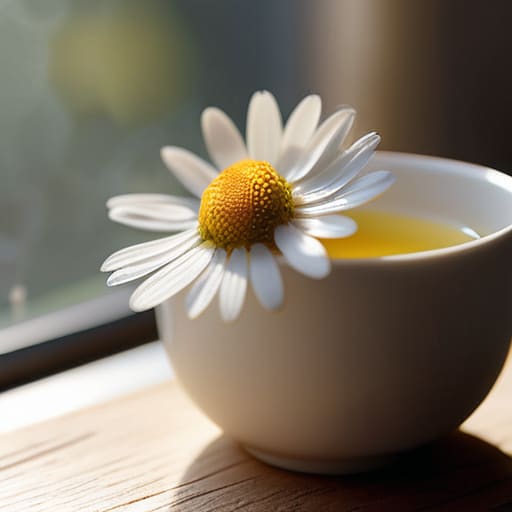
- Keep it simple with your DIYs. If you have some dried chamomile from your garden, a quick, cooled tea compress on your eyes can do wonders for morning puffiness—just don’t overthink it.
The Bottom Line: Why I Keep Chamomile in My Routine
You don’t need a chemistry degree to understand that chamomile is a powerhouse for soothing redness and calming down skin that’s been stressed by harsh actives.
Look for apigenin on the label; it’s the secret ingredient that helps your skin barrier find its balance again without any irritation.
Think of chamomile as a way to simplify your life—it’s a gentle, effective way to get results without the overwhelm of a complicated, multi-step regimen.
Finding Peace in a Bottle
“After years of treating my skin like a battlefield with harsh acids, I finally realized that sometimes the most powerful thing you can do isn’t to strip everything away, but to finally let your skin just… breathe. Chamomile isn’t a miracle cure-all, but it is that quiet, steady hand your skin needs when it’s feeling overwhelmed.”
Neha Rajagopal
Finding Your Calm with Chamomile

At the end of the day, chamomile extract isn’t some miracle cure-all that will change your life overnight, but it is a reliable, gentle ally for anyone tired of the skincare noise. We’ve looked at how the apigenin within the plant works to soothe irritation and why it deserves a permanent spot alongside other effective, natural anti-inflammatories. Whether you are recovering from a damaged barrier like I did years ago, or you’re just looking to simplify your morning ritual, this botanical powerhouse offers a way to calm the chaos without the harshness of heavy actives. It’s about choosing ingredients that work with your skin’s natural rhythm, rather than fighting against it.
I truly believe that skincare should feel less like a science experiment and more like a moment of peace in an otherwise hectic day. You don’t need a shelf full of expensive, complicated serums to achieve a healthy glow; sometimes, the most effective solution is the simplest one. As you navigate your own beauty journey, I hope you remember to listen to what your skin is actually telling you. Treat your routine as a way to reconnect with yourself, and let chamomile be that quiet, soothing constant that helps you feel at home in your own skin.
Frequently Asked Questions
Can I use chamomile extract if I have super sensitive skin, or is there still a chance of a reaction?
I get this question a lot, and honestly, it’s a valid fear. If you’ve ever dealt with a damaged barrier like I have, you’re naturally cautious. While chamomile is a superstar for soothing sensitivity, nothing is 100% foolproof. If you’re allergic to plants in the daisy family (like ragweed), you might react. My advice? Always patch test a tiny bit on your jawline first. Listen to your skin—it’s the best guide you have.
How do I know if I'm actually getting real chamomile extract in my products versus just a fancy label?
Honestly, I’ve been burned by “label washing” before, too. To see if it’s the real deal, skip the marketing fluff on the front and flip the bottle over. You’re looking for Matricaria chamomilla or Chamomilla recutita extract high up on the ingredient list. If it’s tucked way down at the bottom after the preservatives, it’s probably just there for show. Real, effective chamomile should be a key player, not an afterthought.
Should I be looking for chamomile in a serum, or is it better in a soothing toner or moisturizer?
Honestly, there’s no wrong answer here, but it depends on what your skin is craving in the moment. If you’re feeling a bit reactive or stinging, I love finding chamomile in a soothing toner to calm things down immediately after cleansing. If you just want that steady, long-term comfort, look for it in a moisturizer. For me, a serum is great for a concentrated boost, but a good moisturizer is the real MVP for barrier repair.
