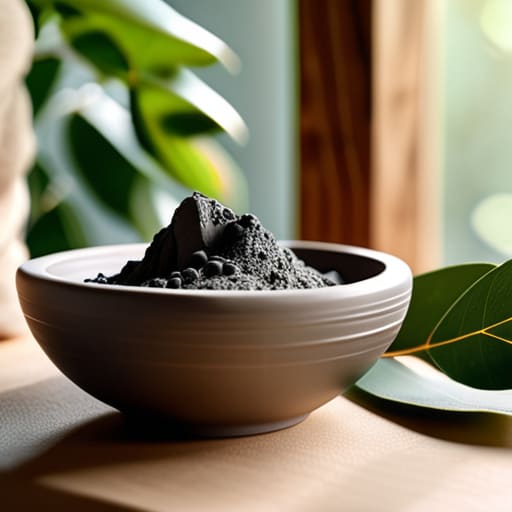
I still remember the feeling of my skin tightening to the point of actual pain—that cracking, desert-dry sensation that comes from thinking more is always better. In my early twenties, I thought a “good” clay mask routine meant letting the mud dry until it literally crumbled off my face, thinking that tightness equaled deep cleaning. I was wrong. I wasn’t detoxifying my pores; I was destroying my skin barrier in the name of perfection. It took a lot of trial, error, and a few expensive mistakes to realize that skincare shouldn’t feel like a punishment.
I’m not here to sell you on a ten-step ritual or a luxury jar that costs more than my monthly grocery bill. Instead, I want to share how you can integrate a clay mask routine into your life as a moment of genuine calm, not another stressful chore on your to-do list. I’ll walk you through the science-backed basics of using clay effectively without stripping your natural oils, focusing on what actually works for real, busy lives. Let’s cut through the marketing noise and get back to basics.
Table of Contents
Choosing Your Calm Kaolin vs Bentonite Clay
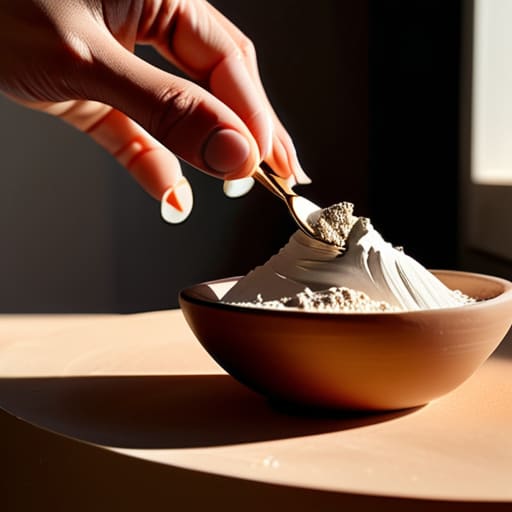
When you’re staring at a shelf full of different jars, it’s easy to feel overwhelmed. But honestly, the debate of kaolin vs bentonite clay really just comes down to what your skin is asking for in that moment. If your skin is feeling a bit sensitive or even slightly dry, I always lean toward kaolin. It’s much gentler and works by softly lifting impurities without stripping away that essential moisture we worked so hard to restore. It’s like a quiet, soothing hug for your face.
On the flip side, if you’re having one of those weeks where your pores feel extra congested, bentonite is your heavy hitter. It has a much stronger capacity for minimizing sebum production, making it a staple in my skincare routine for oily skin when things feel a bit out of control. Just remember, because it’s so powerful, you don’t want to overdo it. I’ve learned the hard way that more isn’t always better; finding that middle ground is where the real magic happens.
The Gentle Path to Minimizing Sebum Production
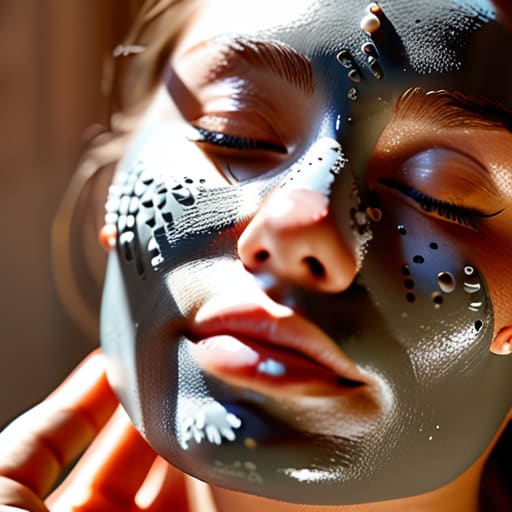
If you’ve ever felt like your face is a literal oil slick by 2:00 PM, I promise you aren’t alone. When I was struggling with my own skin barrier issues, I used to think the answer was to strip everything away with harsh cleansers, but that actually backfired. Instead of fighting the oil, I learned that the secret to minimizing sebum production is actually about teaching your skin to find a healthy balance. A well-timed clay mask acts like a gentle vacuum, pulling out that excess buildup without making your skin feel tight or “squeaky clean” in a bad way.
When building a skincare routine for oily skin, consistency is much more important than intensity. You don’t need to be masking every single night; in fact, that’s a one-way ticket to irritation. I usually find that once or twice a week is the sweet spot for keeping things under control. The goal isn’t to eliminate oil entirely—we need those lipids for a healthy barrier—but rather to manage the overflow so you can feel comfortable and matte throughout your busy workday.
My Little Rules for a Stress-Free Masking Session
- Don’t let it crack. I used to wait until my face felt tight and uncomfortably dry, but that’s actually when you start stripping your barrier. Wash it off while it still feels a little tacky to the touch.
- Prep with kindness. I never apply a clay mask to bone-dry skin. A quick splash of lukewarm water or a light hydrating toner helps the clay glide on without tugging at my skin.
- Frequency is everything. My skin barrier has been through enough; I don’t need to mask every day. Once or twice a week is plenty to keep things balanced without causing irritation.
- Focus on the zones. You don’t always need to coat your entire face. If your cheeks are feeling a bit sensitive, just target your T-zone where the oil actually lives.
- Always follow up with love. Once you’ve rinsed the clay away, immediately reach for a gentle, soothing moisturizer. It seals in the goodness and prevents that post-mask tightness.
Keeping It Simple: My Clay Mask Essentials
Listen to your skin above all else; if you’re feeling sensitized or tight, opt for the gentleness of Kaolin rather than pushing your luck with heavier clays.
Treat your mask time as a mental reset, not another task on your to-do list—let the product work while you actually sit still for ten minutes.
Avoid the temptation to overdo it; a single, intentional application once or twice a week is far more effective for your barrier than a daily deep clean.
Finding Peace in the Process
“A clay mask shouldn’t feel like another task on your to-do list; it should be that intentional ten-minute window where you finally stop rushing and just let your skin—and your mind—reset.”
Neha Rajagopal
Finding Your Rhythm
At the end of the day, a clay mask routine shouldn’t feel like another item on your never-ending to-do list. Whether you’re leaning into the gentle, soothing properties of Kaolin or opting for the deeper, more intensive pull of Bentonite, the goal is the same: balance. Remember that it’s all about listening to what your skin is actually telling you. If you’re feeling a bit oily or congested, let the clay do its thing, but always prioritize protecting that delicate skin barrier we talked about earlier. Don’t let the pursuit of “perfect” skin lead you back into the cycle of over-exfoliating; just focus on consistent, mindful application that works with your biology rather than against it.
I hope this helps you view your skincare not as a chore, but as a small, intentional pocket of peace in a chaotic week. We spend so much time rushing from one deadline to the next, but your evening ritual is one of the few moments that belongs entirely to you. So, grab your mask, put on that Lo-Fi playlist I love so much, and just breathe. You don’t need a cabinet full of expensive products to feel confident; you just need to trust the process and be kind to yourself. Your skin—and your mind—will thank you for it.
Frequently Asked Questions
How often should I actually be using a clay mask without stripping my skin's natural moisture?
Honestly, the “more is better” approach is exactly how I ended up with a compromised skin barrier in my twenties. For most of us, once or twice a week is the sweet spot. If you’re feeling extra oily, maybe twice; if your skin feels a bit tight or sensitive, once is plenty. Listen to your skin, not a trend. If it feels stripped or uncomfortable, back off. Skincare should soothe, not punish.
Can I use a clay mask on the same night I'm using my exfoliating acids or retinoids?
Honestly? I’d say please don’t. After I wrecked my skin barrier in my early twenties, I learned the hard way that “more” isn’t “better.” Combining a clay mask with acids or retinoids is a recipe for irritation and redness. Instead, treat your clay mask night as a recovery night. Use it on a different evening to detox, then let your actives do their thing when your skin is feeling a bit more resilient.
Is it better to wash the mask off while it's still slightly damp, or should I wait until it's completely cracked and dry?
This is such a common question, and honestly, it’s where most people go wrong. Please, don’t wait until your skin feels tight and looks like a cracked desert floor. That’s when the mask starts pulling moisture out of your skin, which is the last thing your barrier needs. I always rinse mine off while it’s still slightly tacky to the touch. It keeps the process soothing rather than stripping.
